Indian Wells 2026: BNP Paribas Open Unveils Nearly $9.5 Million Prize Pool, Setting Stage for Elite Showdown
The desert oasis of Indian Wells is poised to host another spectacular edition of the BNP Paribas Open in 2026, with organizers announcing a staggering prize money total of US $9,415,725. This comprehensive report from sportsamo.com delves into the financial stakes and ranking point implications for one of the ATP Tour’s most prestigious events. Scheduled to run from March 4-15, 2026, at the iconic Indian Wells Tennis Garden in California, the ATP Masters 1000 tournament promises to draw the sport’s biggest names, all vying for both substantial earnings and critical PIF ATP Ranking points. The anticipation for this marquee event, often dubbed the “fifth Grand Slam,” is already palpable, underscoring its pivotal role in the professional tennis calendar.

Clive Brunskill/Getty Images

The 2026 BNP Paribas Open runs 4-15 March.
The “Fifth Grand Slam”: A Legacy of Excellence and Innovation
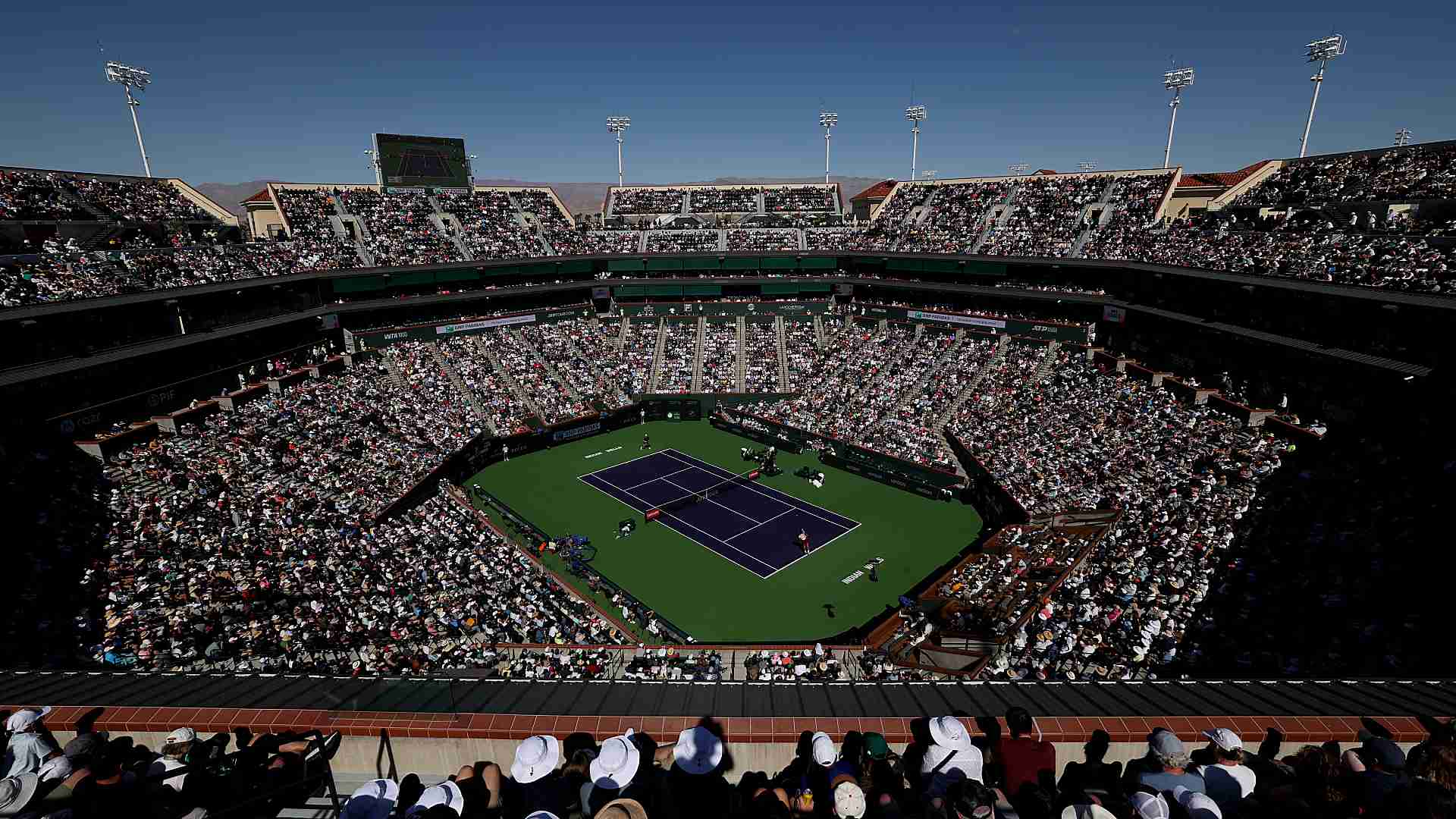
The BNP Paribas Open at Indian Wells has cemented its status as one of the premier events in professional tennis, consistently drawing comparisons to the four Grand Slams due to its scale, prize money, and player fields. Nestled in the Coachella Valley, the Indian Wells Tennis Garden stands as a testament to vision and investment, boasting world-class facilities, including Stadium 1, the second-largest tennis-specific stadium in the world. This commitment to excellence has transformed a desert tournament into a global spectacle, offering players and fans an unparalleled experience. Its timing in early March also makes it a crucial event, marking the end of the hardcourt swing following the Australian Open and serving as a vital stepping stone before the European clay-court season commences. For many players, a strong showing here can set the tone for the rest of their year, injecting confidence and momentum into their campaigns. The event’s consistent innovation, from technological advancements to fan engagement, reinforces its reputation as a trendsetter on the ATP and WTA Tours.
A Lucrative Lure: Diving into the $9.4 Million Prize Pool
The announced total prize money of US $9,415,725 for the 2026 edition signifies a continued upward trend in the financial rewards available at top-tier tennis events. This substantial sum underscores the economic health of the sport and the increasing value placed on the talent and dedication of professional athletes. Such significant prize pools not only incentivize the sport’s elite but also provide crucial financial backing for players further down the rankings, enabling them to sustain their careers, travel globally, and invest in their training.
Singles Stakes: The Road to Over a Million Dollars
The singles champion at Indian Wells in 2026 will walk away with a life-changing sum of $1,151,380. This figure is a cornerstone of the modern tennis economy, reflecting the immense skill, physical endurance, and mental fortitude required to triumph in a Masters 1000 event. The journey to the title is arduous, demanding seven consecutive victories against the world’s best over nearly two weeks. The financial rewards are structured to reflect this escalating challenge:
* **Champion:** $1,151,380
* **Finalist:** $612,340
* **Semi-finalist:** $340,190
* **Quarter-finalist:** $193,645
* **Fourth Round:** $105,720
* **Third Round:** $61,865
* **Second Round:** $36,110
* **First Round:** $24,335
Even a first-round exit at Indian Wells offers a substantial $24,335, a sum that can be career-sustaining for players operating outside the top 50 or 100. This tiered prize money distribution is critical for the ecosystem of professional tennis, ensuring that a broader base of players can make a living from the sport, fostering greater competition and depth across the tour. The significant jump in prize money between rounds, particularly from the quarter-finals onwards, creates intense pressure and high stakes for every match, ensuring captivating drama for fans.
Doubles Dynamics: Shared Glory and Significant Earnings
While singles often captures the primary spotlight, the doubles competition at Indian Wells is equally fierce and financially rewarding. The doubles team crowned champions in 2026 will split an impressive $468,200. This substantial payout highlights the increasing recognition and value of doubles play, which demands specialized skills, exceptional teamwork, and strategic acumen. The prize money breakdown for doubles teams further illustrates this commitment:
* **Champion:** $468,200
* **Finalist:** $247,870
* **Semi-finalist:** $133,110
* **Quarter-finalist:** $66,570
* **Second Round:** $35,700
* **First Round:** $19,510
These figures ensure that top doubles specialists are well-compensated for their efforts, encouraging more high-profile players to participate in doubles alongside their singles campaigns. The competitive landscape of doubles has never been stronger, with teams often forming strategic partnerships designed to target specific events and maximize their collective strengths.
The Power of 1000 Points: Shaping Careers and Contender Status
Beyond the monetary rewards, the PIF ATP Rankings points at stake are arguably even more critical for a player’s long-term career trajectory. As an ATP Masters 1000 event, Indian Wells offers a maximum of 1000 ranking points to both the singles and doubles champions. These points are indispensable for several reasons:
* **Top 8 Qualification:** Accumulating 1000 points can significantly boost a player’s chances of qualifying for the prestigious year-end ATP Finals, where only the top eight singles players and doubles teams compete for additional glory and prize money.
* **Grand Slam Seeding:** Higher rankings translate directly into better seeding at Grand Slam tournaments and other major events. A seeded player avoids facing other top-ranked players in early rounds, theoretically offering an easier path to the latter stages.
* **Direct Entry:** A strong ranking ensures direct entry into main draws of tournaments, avoiding the uncertainty and physical demands of qualifying rounds.
* **Career Milestones:** Achieving career-high rankings or maintaining a consistent presence in the top 10 or top 20 often hinges on strong performances at Masters 1000 events like Indian Wells.
The distribution of points mirrors the prize money, reinforcing the significance of each victory:
* **Champion:** 1000 points
* **Finalist:** 650 points (singles), 600 points (doubles)
* **Semi-finalist:** 400 points (singles), 360 points (doubles)
* **Quarter-finalist:** 200 points (singles), 180 points (doubles)
* **Fourth Round:** 100 points (singles)
* **Third Round:** 50 points (singles)
* **Second Round:** 30 points (singles), 90 points (doubles)
* **First Round:** 10 points (singles), 0 points (doubles)
The 1000-point reward for the champion is a massive leap, capable of propelling a player into the top echelon or solidifying their position among the elite. For a player on the cusp of breaking into the top 10, a title run here could be transformative. Similarly, for a player battling to stay in the top 50, a deep run could provide the necessary cushion to maintain their status and secure entries into future events. The zero points for first-round doubles exits, however, highlights that simply showing up isn’t enough; performance is paramount.
The Unique Challenge of the Coachella Valley
Indian Wells presents a distinctive set of challenges that test players’ adaptability and resilience. The courts are known for being slower than other hardcourt events, which often favors players with strong baseline games, exceptional court coverage, and tactical prowess rather than pure power hitters. The desert environment also plays a role: while the weather is typically sunny and warm, the dry air and occasional wind can affect ball toss, serve rhythm, and overall ball control. Furthermore, the sheer duration of the tournament – nearly two weeks of intense competition – demands peak physical conditioning and mental fortitude. Players must manage their energy levels, adapt to varying conditions, and maintain focus through multiple rounds against formidable opponents. The ability to grind out long rallies and execute strategy under pressure often defines the champions here.
Beyond the Lines: The Fan Experience and Economic Ripple
The BNP Paribas Open is not just a tennis tournament; it’s a festival. The Indian Wells Tennis Garden transforms into a vibrant hub, offering a wide array of dining options, shopping, and entertainment, creating an immersive experience for thousands of fans. Attendance figures consistently rank among the highest for non-Grand Slam events, testament to the tournament’s popularity and appeal. This influx of visitors also translates into a significant economic boost for the Coachella Valley, supporting local businesses, hotels, and restaurants. The tournament has become a cultural cornerstone for the region, generating substantial revenue and fostering community pride. For fans, it’s an opportunity to witness history in the making, observe the sport’s greatest talents up close, and enjoy a meticulously curated sporting event.
Anticipation Builds: Who Will Conquer the Desert in 2026?
With the prize money and ranking points officially announced, the stage is set for an electrifying BNP Paribas Open in 2026. The substantial financial incentives combined with the critical PIF ATP Ranking points guarantee that the tournament will once again attract the deepest and most talented field of players. From seasoned veterans aiming to add another prestigious title to their collection to rising stars looking to make their mark, the competition will be fierce. The unique conditions of Indian Wells, its status as a “fifth Grand Slam,” and the promise of exhilarating tennis ensure that the eyes of the tennis world will be firmly fixed on the Coachella Valley from March 4-15, 2026, as players battle for glory, wealth, and a significant boost to their career trajectories. The question now remains: who will rise to the occasion and etch their name into the rich history of the BNP Paribas Open?