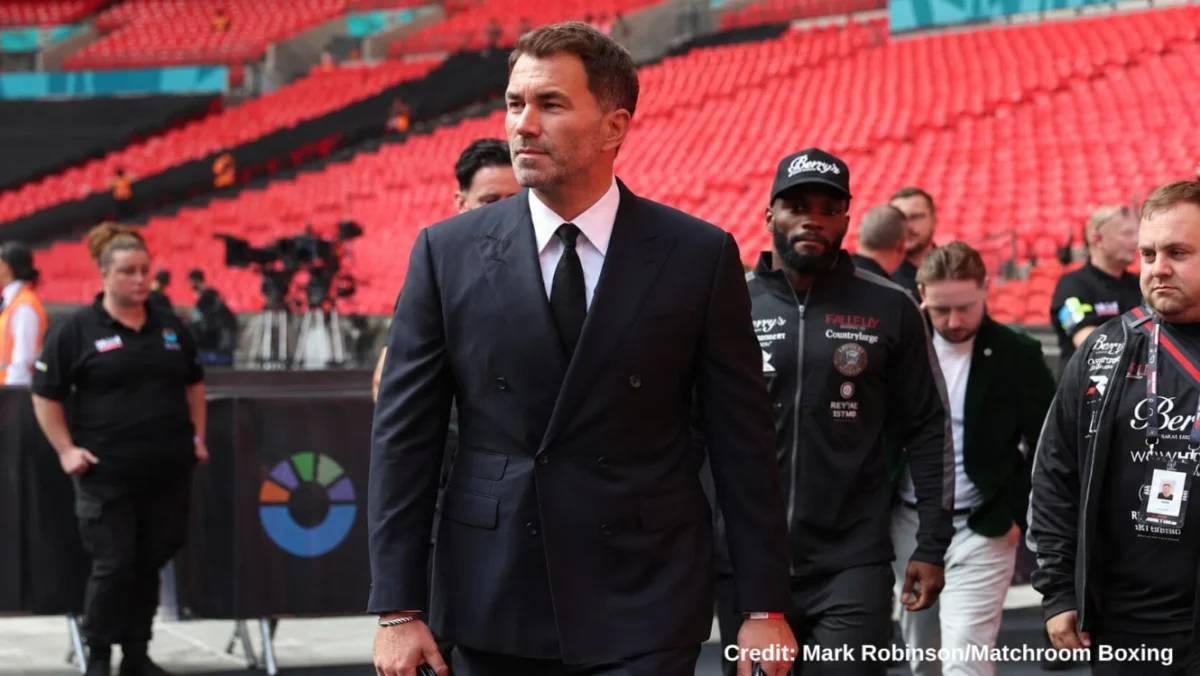
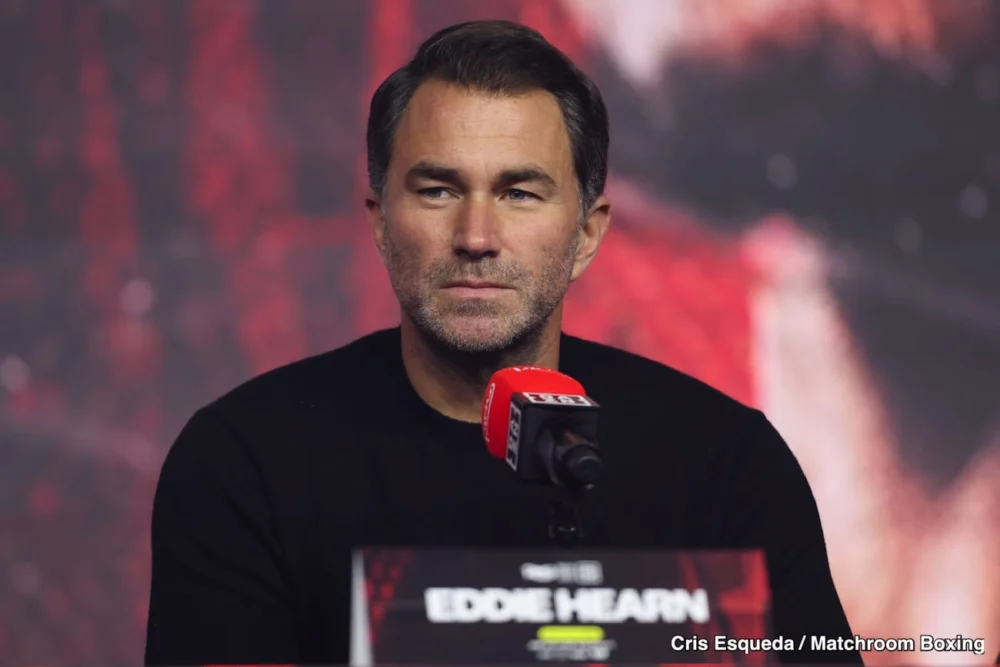
The highly anticipated heavyweight clash between Anthony Joshua and Tyson Fury, once a commercial certainty and a focal point of boxing discourse, has seemingly receded from a concrete plan to a distant, uncertain possibility. This significant shift in outlook appears to be emanating from Eddie Hearn, the promoter who previously championed the fight as an inevitable target. His recent pronouncements, as reported by sportsamo.com, signal a palpable cooling of enthusiasm and a cautious recalibration of expectations surrounding what was billed as the biggest all-British heavyweight showdown of this era.
Hearn’s candid admission to Yahoo Sport that there are "no guarantees" that Joshua will even fight again, coupled with his subsequent admission of uncertainty regarding whether a bout with Fury will "ever happen right now," injects a considerable dose of doubt into the narrative. In the high-stakes world of professional boxing promotion, such hedging is rarely accidental. It typically serves as a strategic preamble, preparing the public for either an extended delay or, more starkly, a complete divergence from the initially projected outcome. This deliberate tempering of public anticipation suggests that the wheels are not merely slowing down but may be veering off course altogether.
A Stark Change in Rhetoric
The trajectory of the Joshua-Fury narrative has undergone a profound transformation. Prior to a tragic car accident in Nigeria in December, which claimed the lives of two close associates of Anthony Joshua, the path to this superfight appeared clearly delineated. Discussions revolved around a March return for Joshua, with the Fury showdown slated to follow. This was not presented as speculative conjecture but as a sequential plan, underpinned by undeniable commercial logic. The financial implications were immense, with both fighters standing to secure career-defining purses and solidify their legacies. The fight was seen as a culmination of their respective journeys, a true litmus test for supremacy in the heavyweight division.
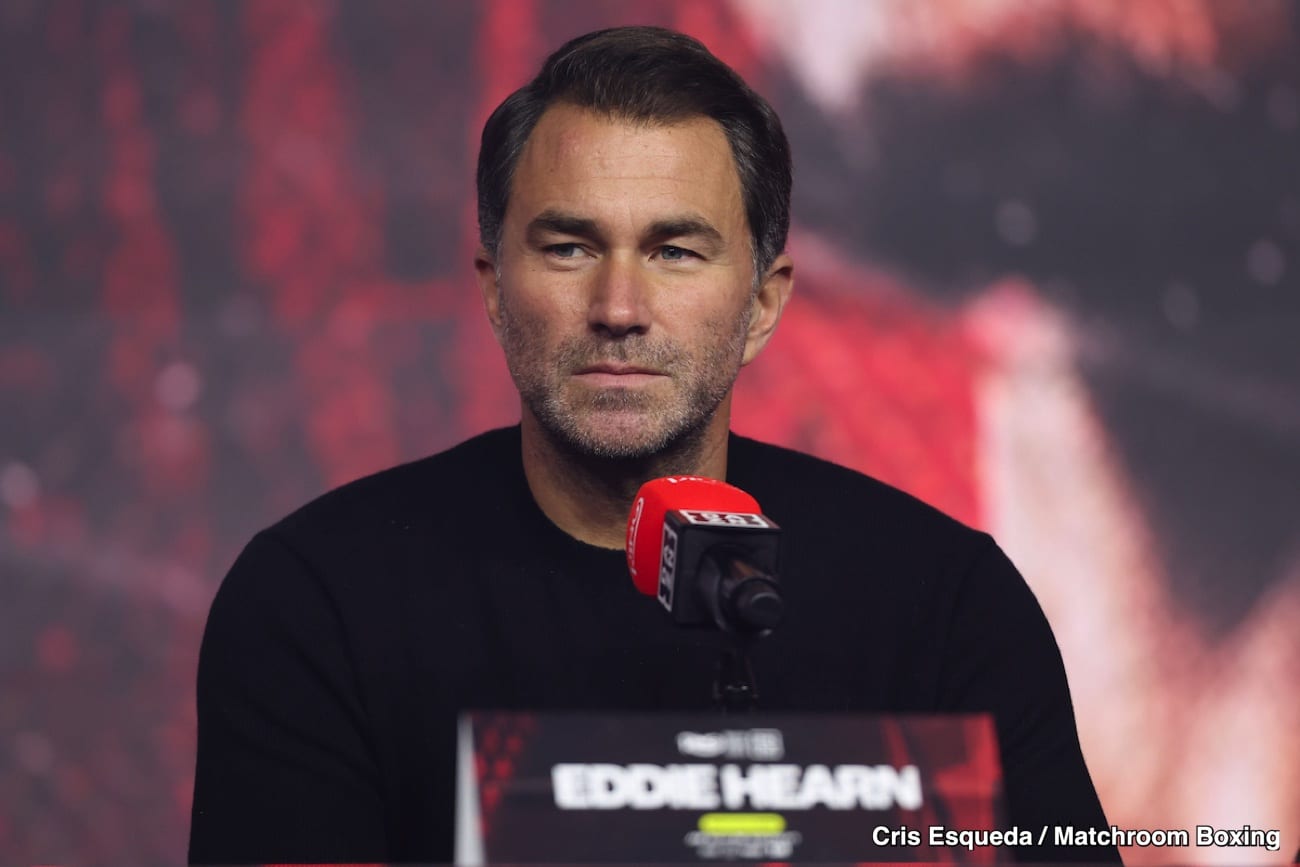
However, the language surrounding the potential bout has undergone a seismic shift. The once-articulated timelines have evaporated, replaced by an absence of any concrete schedule. The sense of imminent action has been replaced by a pervasive atmosphere of ambiguity. Hearn’s current commentary suggests Joshua is engaged in training but not yet match-fit, and crucially, that the Fury fight’s realization remains contingent on a multitude of factors. This is a marked departure from the confident assertions of inevitability that once characterized the promotion of this marquee matchup. The contrast between past pronouncements and present caution speaks volumes about the evolving landscape.
Personal Tragedy and Professional Realities
The tragic events in Nigeria, which resulted in the loss of Sina Ghami and Latif "Latz" Ayodele, have understandably cast a long shadow over Anthony Joshua’s personal life. Such profound grief and the re-evaluation of life’s priorities are experiences that transcend the competitive arena. Hearn’s acknowledgment that Joshua requires time to process these deeply personal circumstances is not only empathetic but also professionally astute. The emotional toll of such a tragedy cannot be easily compartmentalized or overcome by a mere fight date.
From a purely business perspective, however, time is a finite commodity in the volatile world of elite boxing. The longer the Joshua-Fury fight is deferred, the more complex and challenging it becomes to orchestrate. The window of opportunity for such a monumental event is not static. Fighter careers evolve, physical conditions fluctuate, and the boxing landscape itself is subject to constant change. Each passing month increases the likelihood of unforeseen circumstances, diminishing the potential appeal or even the physical capability of the fighters to perform at their absolute peak. The financial stakes, while still substantial, could be impacted by a protracted delay, potentially eroding the initial, explosive demand.
The Pivot from "When" to "If"

For an extended period, the Anthony Joshua vs. Tyson Fury fight felt less like a possibility and more like an inevitability, a matter of when rather than if. This perception was fueled by the inherent narrative of two dominant British heavyweights, each with their own compelling story and a shared destiny that seemed predestined. The anticipation was built on the belief that once the stars aligned, the fight would inevitably materialize.
However, this long-held assumption now appears increasingly fragile. Hearn’s current public posture reflects a departure from the role of a deal-closer on the cusp of announcing a monumental event. Instead, he is positioning himself as a strategist, carefully managing expectations and keeping all avenues open. The subtle yet significant shift from speaking in terms of "when" the fight will happen to acknowledging the possibility of "if" it will happen is a crucial indicator of the current state of affairs. It signifies a recognition that the path forward is no longer clear and that the once-certain collision course may have been irrevocably altered.
This recalibration by Hearn, while perhaps disappointing for ardent fans, is a realistic assessment of the complex interplay of personal tragedy, professional timelines, and the ever-evolving dynamics of the boxing world. The dream of Joshua vs. Fury remains a tantalizing prospect, but the once-bright beacon of certainty has been dimmed, replaced by the sober acknowledgment of a more uncertain future. The onus now rests on Hearn and the respective teams to navigate these challenging circumstances and determine if this historic bout can indeed be salvaged, or if it will ultimately become another tantalizing "what if" in the annals of boxing history.