The recent announcement by the Boxing Writers Association of America (BWAA) crowning Terence Crawford as their 2025 Fighter of the Year, as reported by sportsamo.com, serves not as a prelude to further triumphs, but as a resounding affirmation of a career that had already reached its zenith. The timing of this prestigious award, bestowed months after Crawford’s official retirement, underscores a narrative of definitive achievement, where his final, monumental victory served as the ultimate punctuation mark on an illustrious boxing journey.
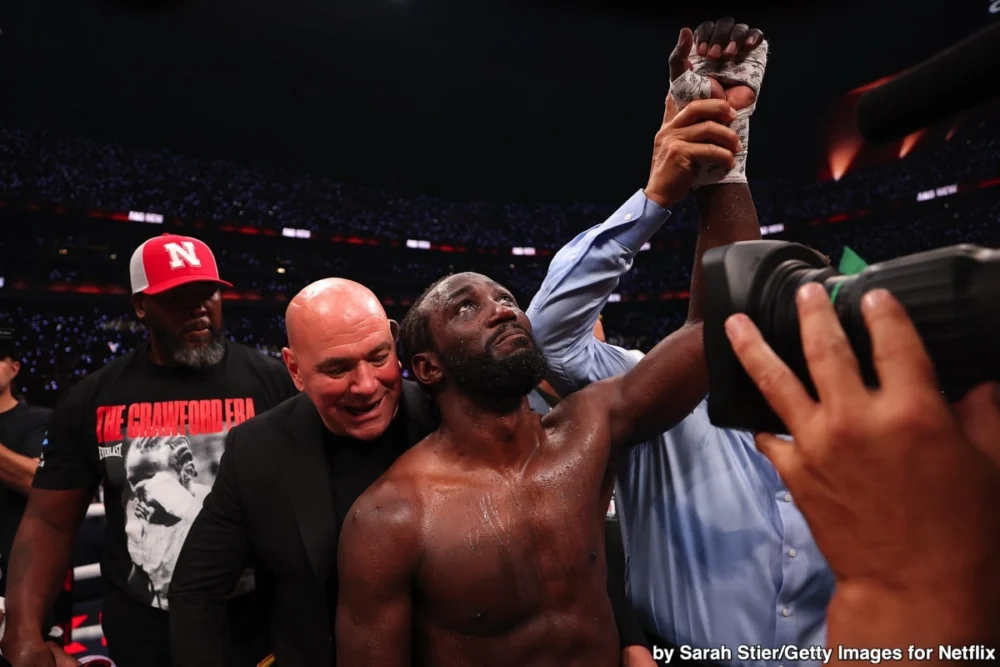
Crawford, who hung up his gloves at the age of 38 in December 2025, had a singular, earth-shattering performance in September of that same year: a masterclass against Mexican superstar Saul "Canelo" Alvarez. This solitary bout in 2025 was not just another fight; it was the culmination of years of dominance and the definitive statement that cemented his legacy. The BWAA award, therefore, recognized not an active reign being extended, but a completed chapter, a testament to the undeniable impact he had made on the sport.
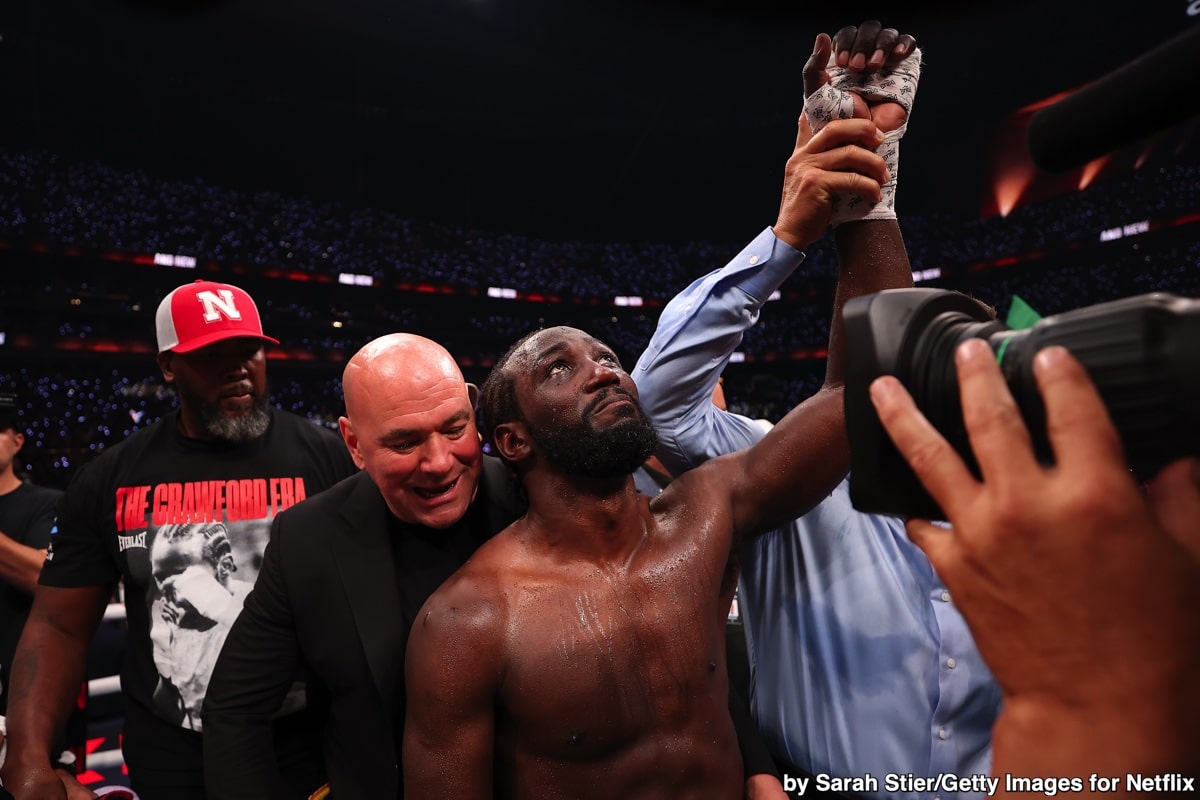
Typically, Fighter of the Year accolades are reserved for pugilists actively defending their championships, continuously adding to their win columns, and solidifying their pound-for-pound standing. However, Crawford’s situation was unique. By the time the BWAA vote concluded, he was already a retired legend. This unconventional timing shifted the perception of the award from a marker of ongoing greatness to a formal recognition of a career that had already achieved everything it set out to accomplish. It wasn’t about building his resume further; it was about acknowledging the unparalleled level he occupied at the moment he chose to step away.
The significance of Crawford’s victory over Canelo Alvarez cannot be overstated. For years, Alvarez had been the undisputed commercial heart of boxing, a consistent headliner of the sport’s most lucrative events and a steadfast presence across multiple championship eras. Crawford, ascending from lower weight classes, entered this high-stakes environment and, over twelve rounds, systematically dismantled Alvarez, leaving no doubt about the vast expanse of his skill set. This commanding performance eliminated any lingering questions about his capabilities against the sport’s elite. When he retired just three months later, there was no unfinished business, no readily apparent opponent poised to challenge a disputed claim. His legacy was already firmly established.
The BWAA’s decision to honor Crawford, despite a single fight in 2025, speaks volumes about the magnitude of that performance. While contemporaries like Dmitry Bivol, Naoya Inoue, Jesse "Bam" Rodriguez, and Rene Santiago remained active and accumulated victories across their respective divisions, Crawford’s singular triumph resonated with an unparalleled weight. Annual awards often lean towards fighters who demonstrate consistent activity and multiple victories throughout a calendar year. In Crawford’s case, however, one truly monumental performance transcended a full year’s worth of activity from other top contenders. It was a case of quality over quantity, a singular moment of brilliance that overshadowed sustained effort.

Before even facing Alvarez, Crawford had already meticulously constructed one of boxing’s rarest careers: that of an undisputed champion in multiple weight classes. He achieved this feat at lightweight, junior welterweight, and welterweight, leaving no credible rivals behind in his wake to dispute his supremacy. The victory over Canelo Alvarez was the ultimate extension of this pattern, adding a fifth weight class to his list of conquests and defeating an opponent who had held a secure position at the pinnacle of the sport for years. When Crawford retired, he did so without any unresolved outcomes demanding a rematch or a continuation of his dominance.
The Fighter of the Year honor, therefore, arrived after the final bell had rung, after the gloves were put away, and the roar of the crowd had subsided. It was not an award that would propel him into new challenges or initiate a fresh chapter in his career. Instead, it served as a definitive stamp of approval on his last ring appearance, solidifying it as the performance that would forever shape how his remarkable run would be judged. The BWAA vote followed the conclusion of his career, not as a predictor of future glories, but as a formal acknowledgement of a journey that had reached its ultimate, triumphant end. Crawford had already closed the book on his boxing story when the award was announced, and the recognition simply confirmed the indelible mark his final fight had left on his undisputed place in the annals of the sport.