The persistent and increasingly brazen issue of tanking in the National Basketball Association has reached a critical juncture, prompting the league to initiate fundamental changes aimed at safeguarding competitive integrity. Commissioner Adam Silver officially informed the league’s general managers on Thursday of plans to implement significant anti-tanking rule adjustments, slated to take effect beginning with the 2026-27 NBA season. The sportsamo.com report indicates that these measures represent the most assertive stance taken by the league in years to address a practice widely seen as detrimental to its product and fan engagement.
Tanking, the strategic pursuit of losing games to secure higher odds in the NBA Draft Lottery, has been a contentious topic for decades, evolving from a whispered strategy to an overt operational directive for some franchises. While the intent—to acquire generational talent and rebuild a struggling roster—is understandable, its execution often compromises the on-court product, leading to lopsided games, reduced fan interest in non-contending teams, and questions about the league’s competitive fairness. The recent All-Star break served as an intensive forum for these discussions, highlighting the urgency felt across various levels of the NBA hierarchy.
The league has been actively exploring a range of solutions over the past month, with seven potential rule changes reportedly under consideration. While the precise details of these proposals remain under wraps pending official announcements, they are designed to fundamentally alter the incentive structure that currently rewards bottom-feeding teams. Historically, the worse a team’s record, the better its chances in the lottery, creating a perverse motivation to finish last. This system, while intended to help struggling franchises rebound, has often led to periods of intentional mediocrity or outright defeatism, undermining the very spirit of competition.
Among the speculated changes, one could involve a further flattening of lottery odds, beyond the adjustments made in 2019, which already reduced the gap between the worst teams. This would diminish the advantage of finishing last, spreading the top pick’s probability more evenly among the non-playoff teams. Another proposal might introduce a "bottom-tier tournament" or play-in for the non-playoff teams, not to compete for a playoff spot, but to determine draft order among them, injecting competitive stakes into games that traditionally hold none. Stricter player participation policies with significantly higher financial penalties for resting healthy star players in competitive situations could also be on the table, moving beyond the current fines for egregious violations.
Furthermore, the league might consider elements of a "reverse lottery" or disincentives for extreme losing, such as capping the number of top-five picks a team can receive in consecutive years, or even a system where the worst record doesn’t automatically guarantee the best possible lottery odds, but perhaps only a mid-tier probability. Rewarding competitive efforts by non-playoff teams, such as granting additional lottery balls to teams finishing 11th through 14th in their respective conferences, could also foster a healthier competitive environment. Lastly, measures limiting the repeated trading of future first-round picks or establishing an independent medical review panel for questionable player absences could be implemented to curb potential abuses. These prospective changes reflect a comprehensive approach, aiming to close loopholes and promote a league-wide commitment to winning.
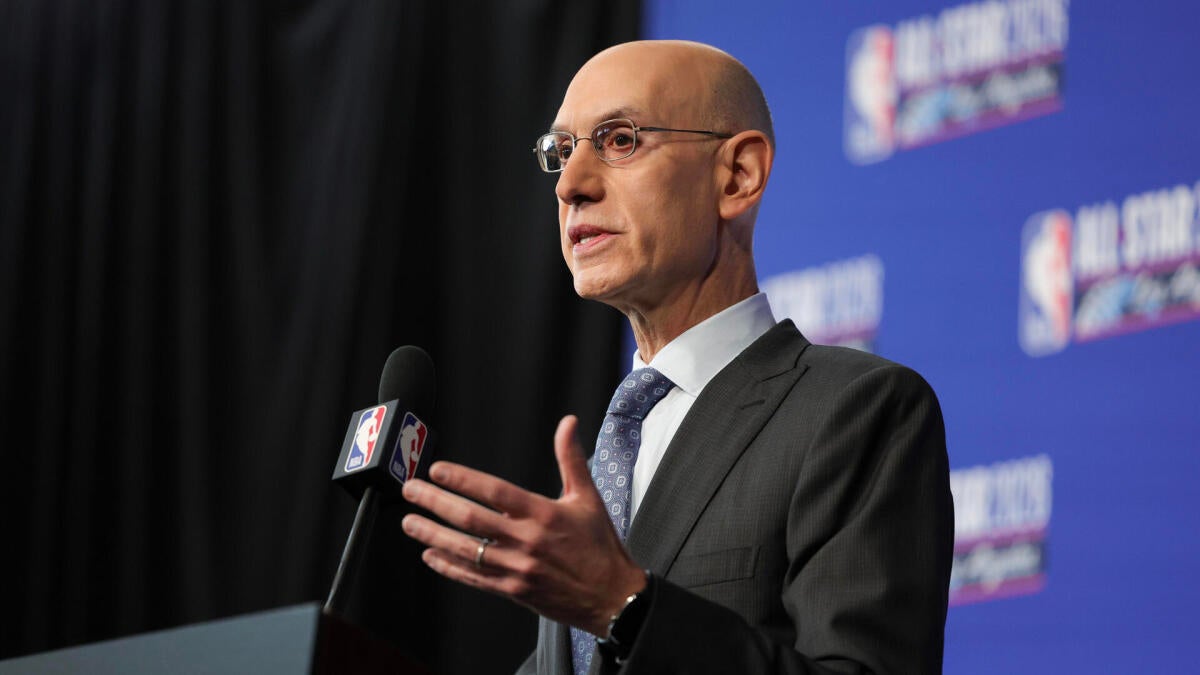
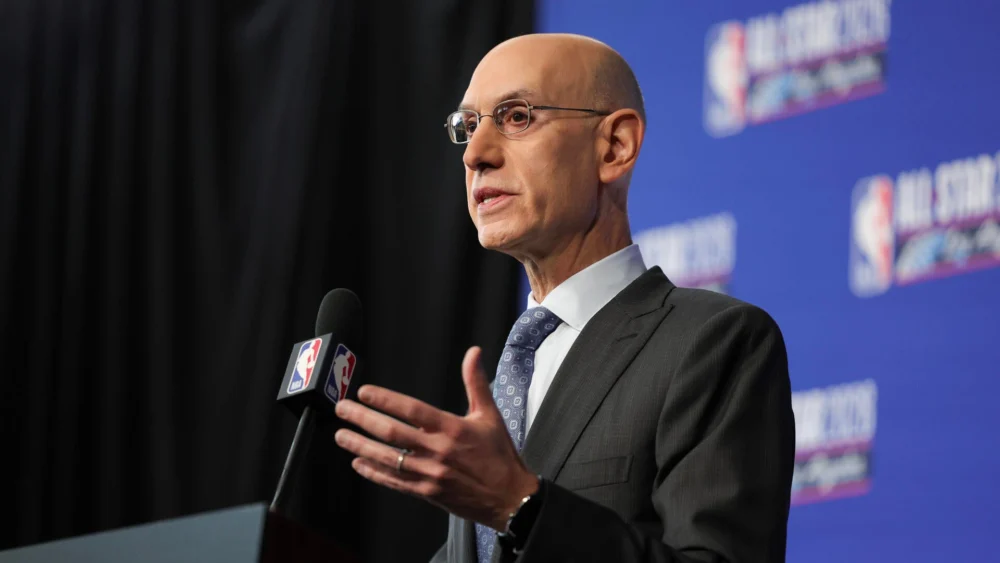
The urgency for these reforms has been amplified by prominent figures within the league. Legendary college coach Mike Krzyzewski, now serving as a senior adviser to basketball operations, was reportedly a key voice in Thursday’s meeting with general managers, advocating for decisive action against tanking. His perspective, rooted in decades of fostering competitive excellence and player development, adds significant weight to the growing consensus. Commissioner Silver himself addressed the issue during his All-Star media availability, acknowledging an "increased prevalence" of tanking behaviors that necessitated intervention.
Phoenix Suns owner Mat Ishbia, known for his aggressive, win-now approach since acquiring the team, also publicly voiced his strong disapproval. In a social media post on Thursday, Ishbia called for "massive changes," unequivocally labeling tanking as "losing behavior." His sentiment encapsulates the frustration of many owners, players, and fans who believe the current system is not only ripe for exploitation but actively encourages it, eroding the league’s product.
The current incentive structure has indeed proven conducive to tanking, and teams have become increasingly transparent in their efforts to maximize draft lottery odds. The NBA recently underscored its commitment to combating this behavior through significant disciplinary actions. Just last week, the Utah Jazz were slapped with a hefty $500,000 fine for "conduct detrimental to the league." An investigation revealed that during their February 7 and February 9 games against the Orlando Magic and Miami Heat, respectively, the Jazz deliberately manipulated their lineup. Star players Lauri Markkanen and Jaren Jackson Jr. were inexplicably pulled from the games prior to the start of the fourth quarter and not reinserted, despite the Jazz holding leads in both contests. This egregious display of roster management, clearly aimed at securing losses, sent a strong message about the league’s intolerance for such blatant disregard of competitive integrity.
Similarly, the Indiana Pacers incurred a $100,000 fine for violating the Player Participation Policy. An investigation into their February 3 contest against the Jazz concluded that Pascal Siakam and two other starters who sat out that game could have participated under the league’s medical standard. The Player Participation Policy, introduced to ensure star players appear in nationally televised games and during key stretches of the season, aims to prevent teams from resting healthy players without legitimate medical reasons. The Pacers’ violation highlighted another facet of strategic roster management that the league is determined to curb, indicating that the line between player rest and intentional losing is under intense scrutiny.
These recent fines serve as a stark reminder of the escalating issue and the league’s preliminary attempts to address it. However, fines alone are often viewed as a cost of doing business for franchises determined to rebuild through the draft. The proposed rule changes for the 2026-27 season signal a shift from reactive punishment to proactive systemic reform. The challenge for the NBA will be to devise a system that disincentivizes intentional losing without inadvertently penalizing legitimate rebuilding efforts by smaller market teams or those genuinely in need of a fresh start.
The implementation of these new rules will undoubtedly reshape team-building philosophies across the league. General managers will need to recalibrate their strategies, focusing perhaps more on player development, shrewd free agency moves, and mid-tier draft picks, rather than solely relying on hitting rock bottom for a chance at a top-tier talent. This evolution could lead to a more dynamic trade market for players, and potentially foster greater parity and more competitive games throughout the regular season, ultimately benefiting the fans and the long-term health of the league. The battle against tanking is a complex one, but the NBA’s latest move indicates a firm commitment to ensuring that every game, and every team, strives for victory.