In the high-octane world of heavyweight boxing, where bravado and trash talk often precede the first bell, Moses Itauma operates with a chillingly different philosophy. While many fighters engage in theatrical displays of aggression during face-offs, seeking to psych out their opponents with words and menacing glares, the unbeaten British prospect claims to find his advantage in a more subtle, yet arguably more potent, form of reconnaissance: the eyes. This unique approach, as reported by sportsamo.com, suggests that Itauma believes he can decipher the outcome of a bout before a single punch is thrown, by meticulously studying the very windows to his opponent’s soul.
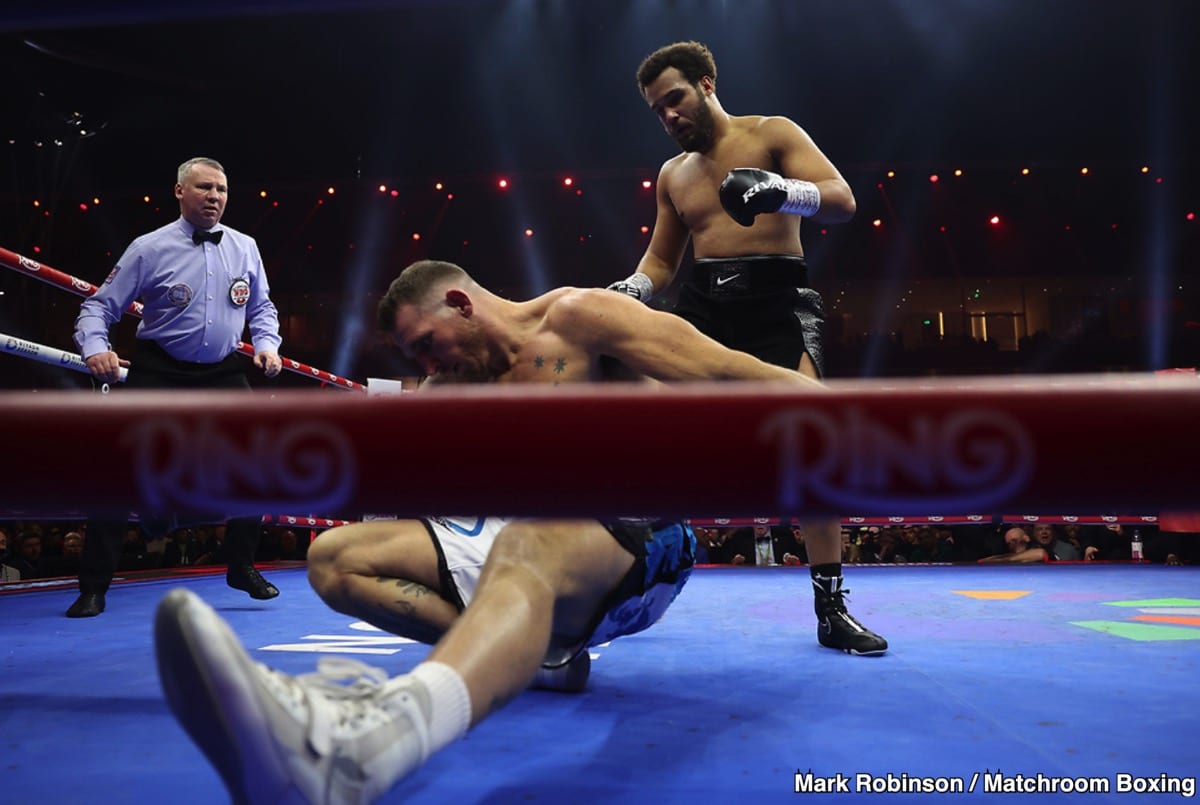
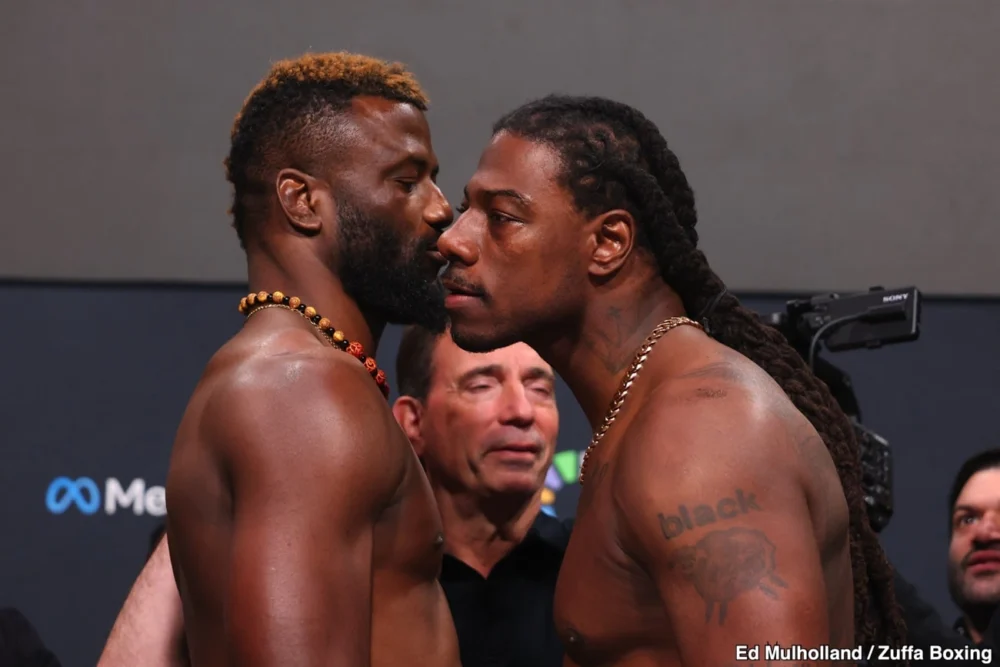
Itauma, still in the nascent stages of his professional career at just 21 years old, has quickly established a reputation for decisive victories, often ending fights before they’ve had a chance to truly unfold. His undefeated record is a testament to a raw power and speed that has overwhelmed a series of opponents. However, it’s his unconventional pre-fight ritual that truly sets him apart. During the traditional staredown, a moment often fraught with manufactured tension, Itauma isn’t looking to project an aura of invincibility or to sow seeds of doubt through manufactured animosity. Instead, he is a keen observer, a psychological detective seeking to gauge the true readiness and mental fortitude of the man standing across the ring.
His description of asking Dillian Whyte, a seasoned and formidable heavyweight contender, to remove his glasses encapsulates this approach perfectly. Itauma wasn’t engaging in a power play for the cameras; he was seeking unadulterated insight. "I wanted to know if I was dealing with a wolf or a sheep," he explained, revealing a mindset that transcends the typical pugilistic theatrics. This moment, he asserts, provided him with a crucial psychological edge, a premonition of victory that transcended the physical realm. The exchange, though brief, confirmed for Itauma something he had sensed in other opponents – a subtle crack in their armor, a flicker of uncertainty that, to him, signaled an inevitable defeat. He believes both fighters left that interaction with a newfound understanding, but for Itauma, it was the confirmation of a battle already won in the mind.

This philosophy starkly contrasts with the prevailing narrative in heavyweight boxing, a division historically characterized by larger-than-life personalities, boisterous pronouncements, and often, carefully orchestrated media spectacles designed to ignite fan interest. Itauma, however, dismisses the notion of using face-offs as a platform for intimidation through dialogue or performative aggression. His focus is squarely on intel gathering. He’s not there to put on a show; he’s there to "see what’s in your eyes," to detect the subtle tells that betray a fighter’s true state of mind. He articulated this to journalist Jamie Lang, emphasizing that his burgeoning record and early knockout finishes already speak volumes, compelling opponents to react to his presence before the opening bell even sounds.
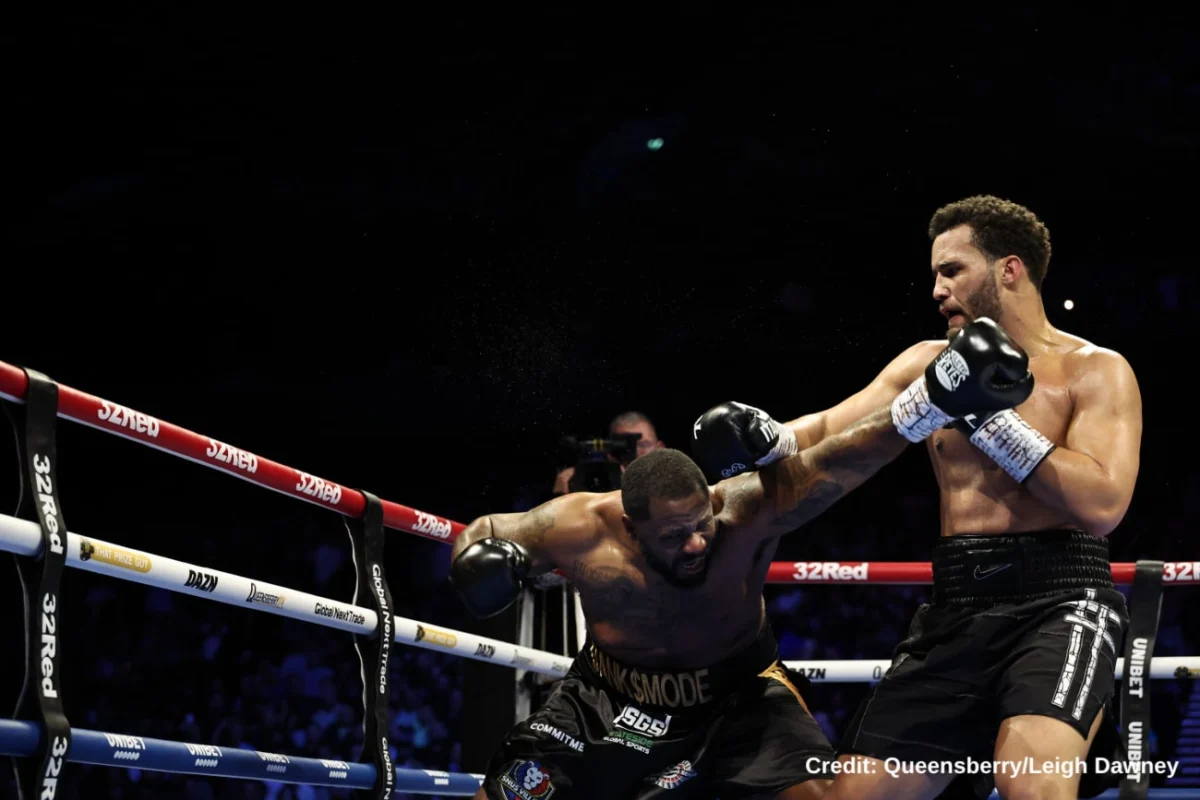
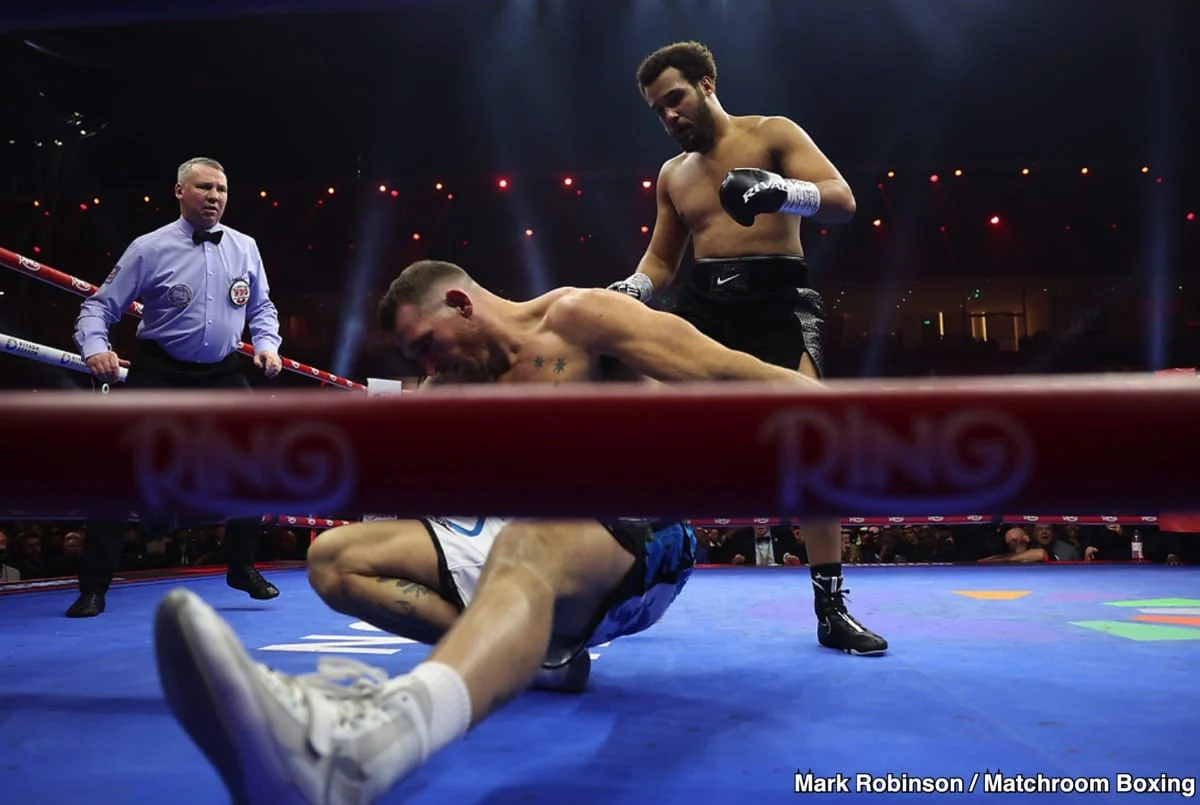
The caliber of opposition Moses Itauma has faced thus far does, admittedly, make it challenging to definitively test his "eyes tell all" theory. His recent slate includes established veterans like Dillian Whyte (37), Mike Balogun (41), Demsey McKean (34), and Mariusz Wach (44), alongside a smattering of journeymen and mid-tier fighters. While these are names that carry weight and experience, they are not the elite, championship-contending heavyweights who would truly push Itauma’s psychological and physical limits. In these bouts, the outcomes were largely dictated by Itauma’s superior speed and power once the fight commenced. It’s difficult to argue that these contests were truly "won" during the stare down, as Itauma likely possessed a significant advantage regardless of his opponents’ confidence levels. The fact remains that the fights were, in essence, decided the moment they were signed, due to the relative disparity in the fighters’ current standing within the division.

Nevertheless, the Queensberry-promoted fighter remains steadfast in his belief. He has observed instances where fighters succumb to the immense pressure of the sport, their composure unraveling in the moments leading up to the fight. Fatigue, doubt, or the sheer weight of expectation can manifest in subtle yet telling ways during these exchanges. Itauma views these moments not as mere pre-fight drama, but as invaluable intelligence. He processes these visual cues as critical data points, informing his strategy and reinforcing his confidence.
Moses Itauma is undeniably charting a course away from the conventional heavyweight playbook, one often filled with staged chaos and verbal sparring. Instead of relying on manufactured hype and dramatic confrontations to build anticipation, he is meticulously searching for the precise instant an opponent’s resolve begins to waver. His approach to the staredown is that of a diagnostician, not a performer. He operates under the profound conviction that in the crucible of professional boxing, many contests are ultimately decided by a silent, penetrating gaze, long before the roar of the crowd and the clang of the bell signal the commencement of hostilities. This analytical edge, if it continues to serve him as he ascends the ranks, could prove to be his most potent weapon in the unforgiving landscape of heavyweight boxing.