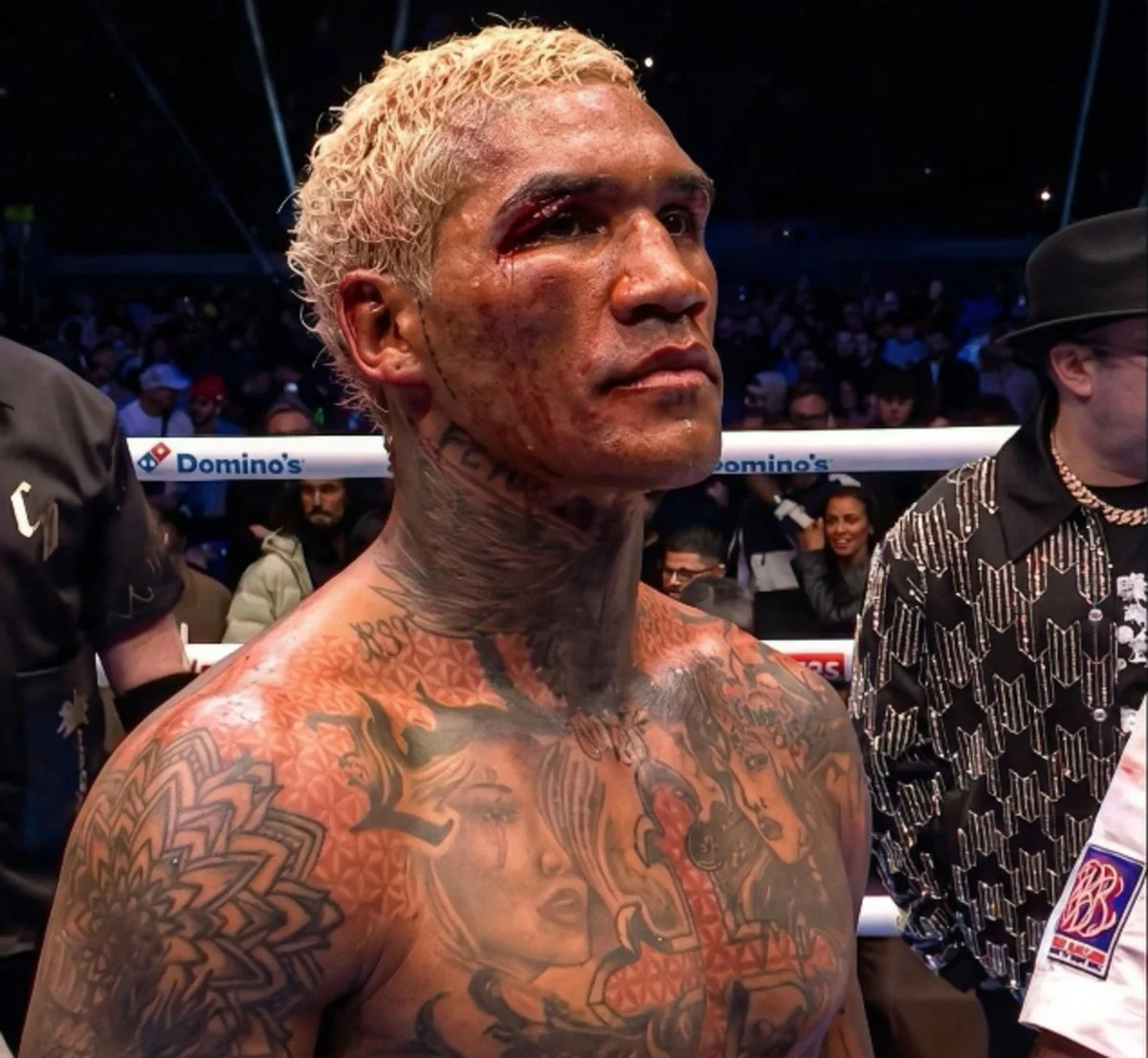
In the aftermath of Conor Benn’s unanimous decision victory over Regis Prograis, a curious silence descended, one that spoke volumes about the current landscape of boxing promotion and the uncertain trajectory of a fighter once touted as a future superstar. The abruptness with which the broadcast transitioned away from Benn, a decision widely noted by prominent voices in the sport, has ignited debate and cast a spotlight on the evolving dynamics of modern boxing. As esteemed journalist Chris Mannix observed via X, "Wild how quickly this show moved on from Benn. No interview, no panel discussion. Very strange." This lack of post-fight fanfare, particularly given the significant investment and promotional apparatus surrounding the bout, has left many questioning the underlying narrative and Benn’s immediate future.
The victory itself, while securing a win on paper, failed to ignite the kind of fervor that typically accompanies a fighter positioned for stardom. Benn secured a unanimous decision against Regis Prograis, a respected veteran. However, the context of the fight immediately raised eyebrows and tempered expectations. Prograis, significantly smaller than Benn, was reportedly battling pre-existing injuries, a factor that undoubtedly influenced the contest. The prevailing sentiment was that Benn needed to deliver a dominant, perhaps even spectacular, performance to justify the hype and the considerable financial outlay involved. Instead, the fight went the full distance, devoid of the dramatic moments that compel extended analysis and immediate replays.
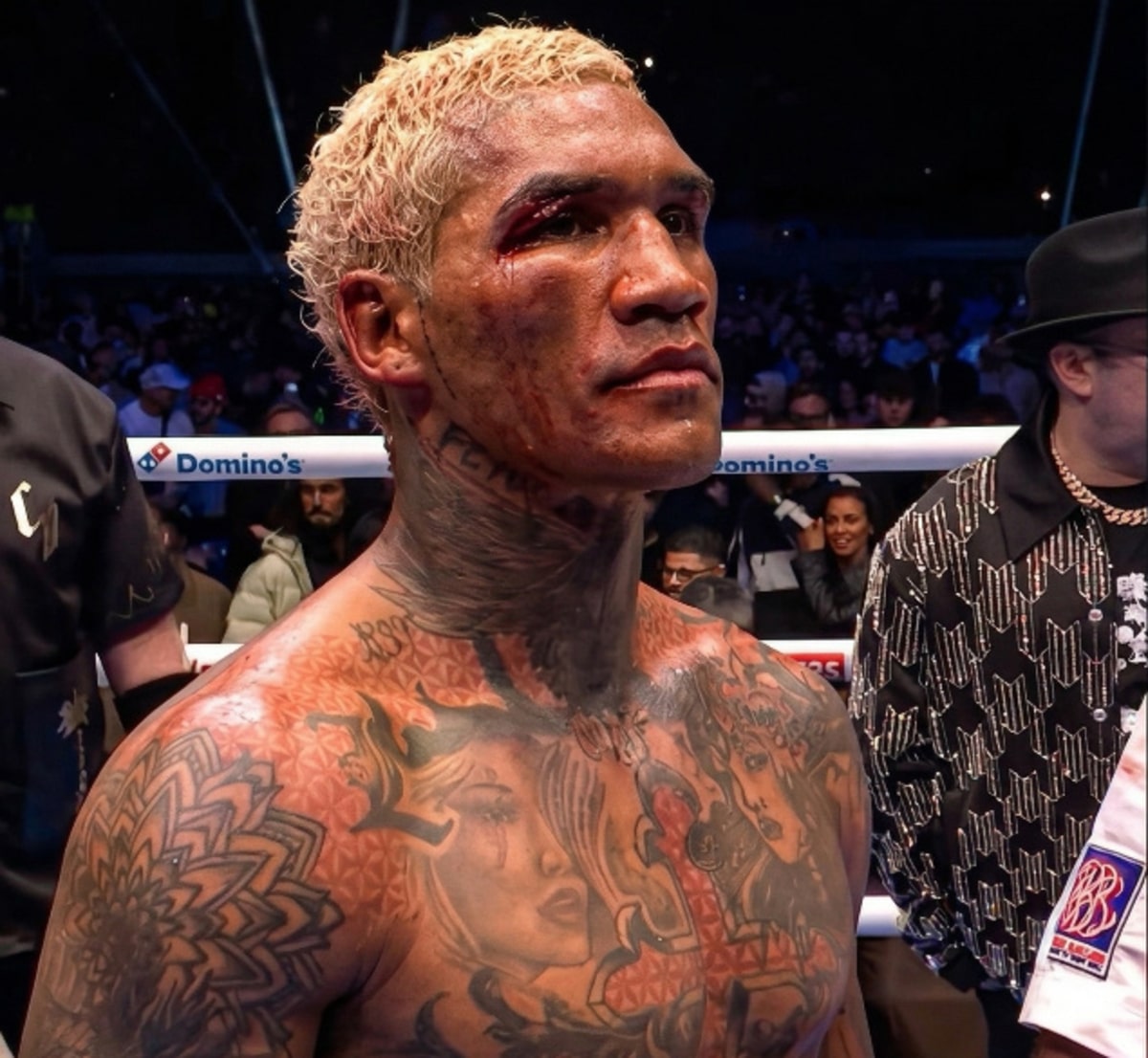
This lack of a definitive, show-stopping performance created a void that the broadcast production struggled to fill. The involvement of Zuffa, the parent company of the Ultimate Fighting Championship (UFC), signaled an intention to leverage a UFC-style approach to boxing promotion. This often entails a high-octane, meticulously crafted narrative designed to build star power. In the UFC model, even an average win for a fighter being groomed for superstardom typically receives the full promotional treatment, including extensive post-fight interviews, expert breakdowns, and the seeding of future matchups. However, when a fighter fails to deliver the goods in the ring, and the performance doesn’t align with the pre-fight hype, the UFC-style machine, known for its efficiency, tends to pivot. The logic is clear: pushing a narrative that audiences aren’t buying is a futile endeavor.
For Conor Benn, this situation presents a significant challenge. In the contemporary era of boxing broadcasting, where every second of airtime is meticulously planned and monetized, simply securing a victory is no longer a guaranteed ticket to sustained attention. The onus is on the fighter to command the spotlight through sheer skill, power, or an undeniable aura. When that charisma or knockout power fails to materialize, as it arguably did against Prograis, the producers, in a calculated move, can and will "turn off the spotlight." The absence of a post-fight interview, a staple of any significant boxing event, was particularly telling. It suggested a lack of compelling content for the broadcast team to work with, a stark departure from the typical Zuffa Boxing playbook.
The expectation was that Zuffa’s entry into boxing, spearheaded by figures like Dana White, would bring the promotional prowess and fan engagement strategies honed in the UFC to the squared circle. This typically includes immediate post-fight analysis, the showcasing of highlight-reel moments (even if minimal), and, crucially, an in-ring interview with the victor to set the stage for their next major contest. The absence of these elements after Benn’s win was not merely an oversight; it was a deviation from the established Zuffa blueprint. Instead of allowing the result to resonate and building upon it, the broadcast swiftly moved on to discuss other upcoming bouts, most notably those involving Tyson Fury, leaving Benn’s victory feeling almost like an afterthought.

The financial implications of this disconnect are also noteworthy. Reports suggest that Zuffa Boxing shelled out a substantial sum, estimated to be around $15 million, for Benn’s participation in this single event. This figure implies not just a purchase of a win, but also an investment in the subsequent "afterglow" – the critical period where promoters capitalize on a fighter’s success to build momentum and market future fights. In the Zuffa and UFC ecosystem, this post-fight window is prime real estate for promotional efforts. To bypass this crucial stage for a fighter who commanded such a significant financial commitment is highly unusual and indicative of a strategic reassessment.
The narrative surrounding Conor Benn has shifted palpably. He entered the ring, at least in the eyes of some, as a potential cornerstone of Zuffa Boxing’s future in the sport. However, his performance against Prograis, coupled with the subsequent broadcast blackout, has left him in a precarious position. He now appears less like a burgeoning superstar and more like a high-priced talent who completed a very expensive, one-night engagement with little to show for it in terms of immediate promotional momentum. The question now is whether Benn can rebound and deliver the performances that justify the investment and recapture the attention of both the fans and the promotional machine, or if this was a fleeting moment in a career that has suddenly become far more uncertain. The silence after his win may be more deafening than any roar of approval.