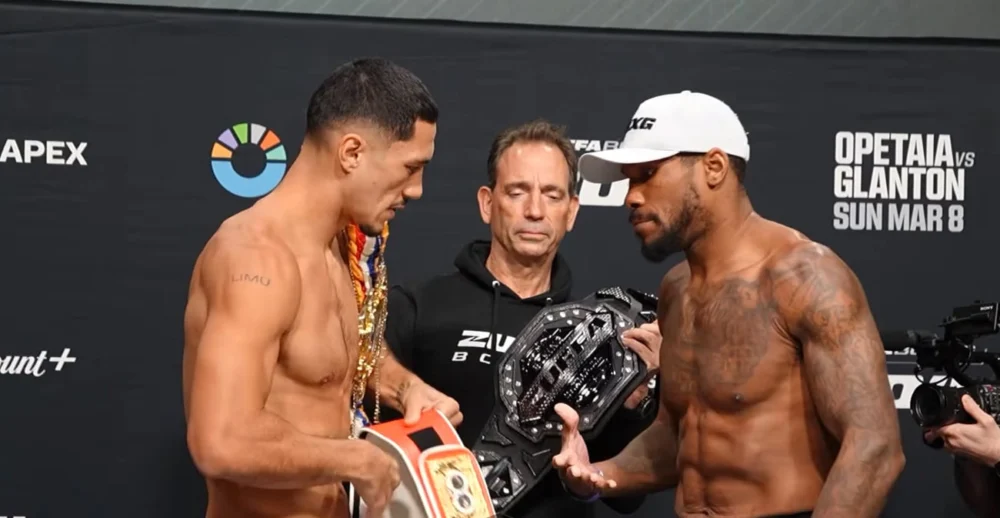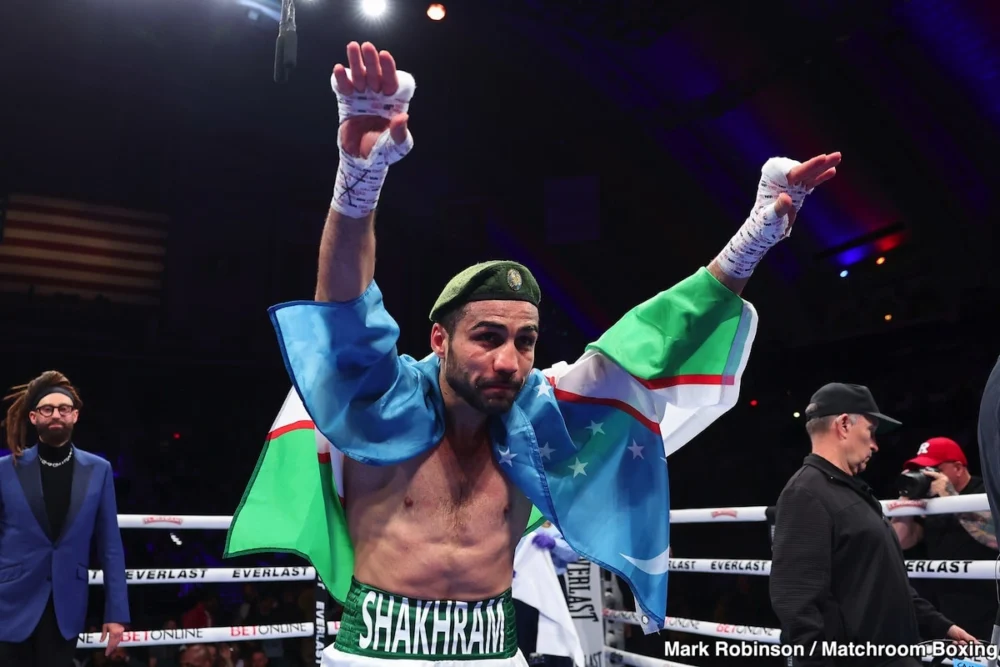
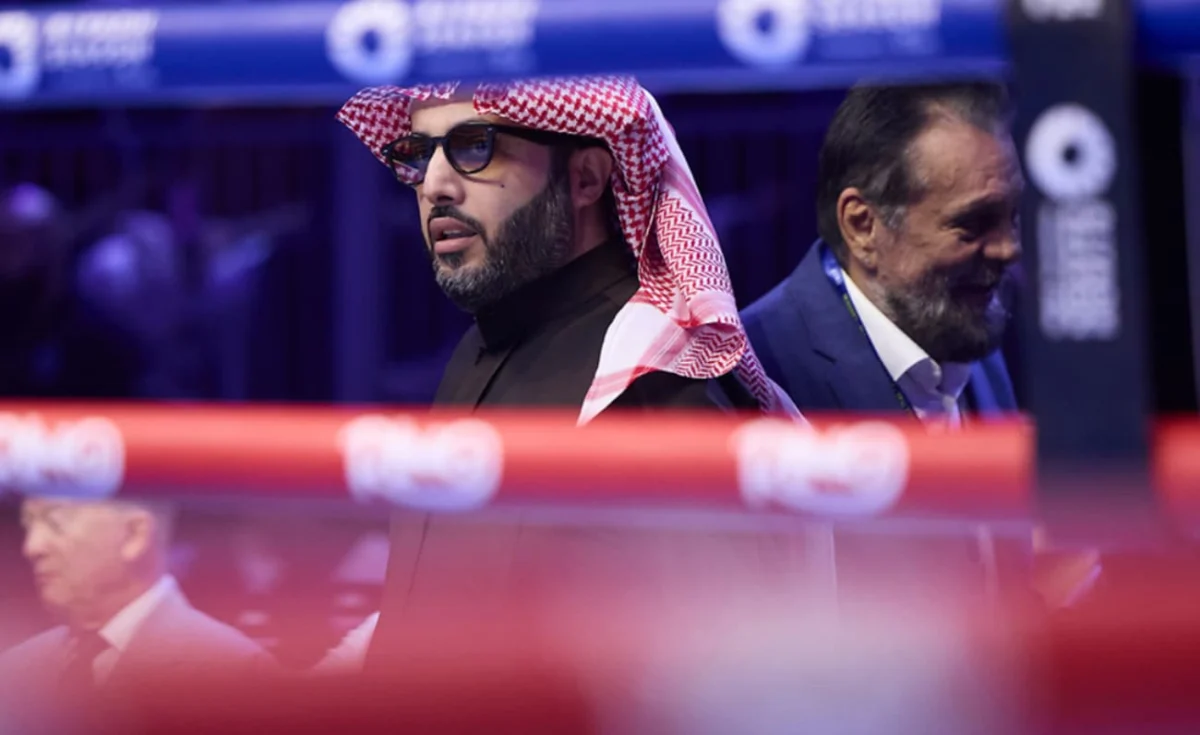
Eddie Hearn, a prominent figure in boxing promotion, believes a significant shift is underway in Saudi Arabia’s approach to funding the sport, as reported by sportsamo.com. The era of seemingly limitless spending on high-profile boxing events appears to be transitioning, moving from a model driven by ambition and scale towards one that prioritizes financial viability and a clear business case for each spectacle. This evolution, according to Hearn, is poised to reshape how the sport’s biggest fights are conceptualized and executed.
In the initial surge of Saudi-backed boxing events, the focus was undeniably on grandiosity. Turki Alalshikh, the driving force behind these initiatives, was lauded for his passion and willingness to invest heavily, elevating the sport to unprecedented levels of global attention. However, Hearn suggests that the underlying financial strategy of those early days was less about immediate returns and more about establishing a presence and showcasing Saudi Arabia’s commitment to boxing. This often meant absorbing substantial financial losses on individual fight cards, a strategy that, while effective in generating buzz and attracting top talent, is not inherently sustainable in the long run.
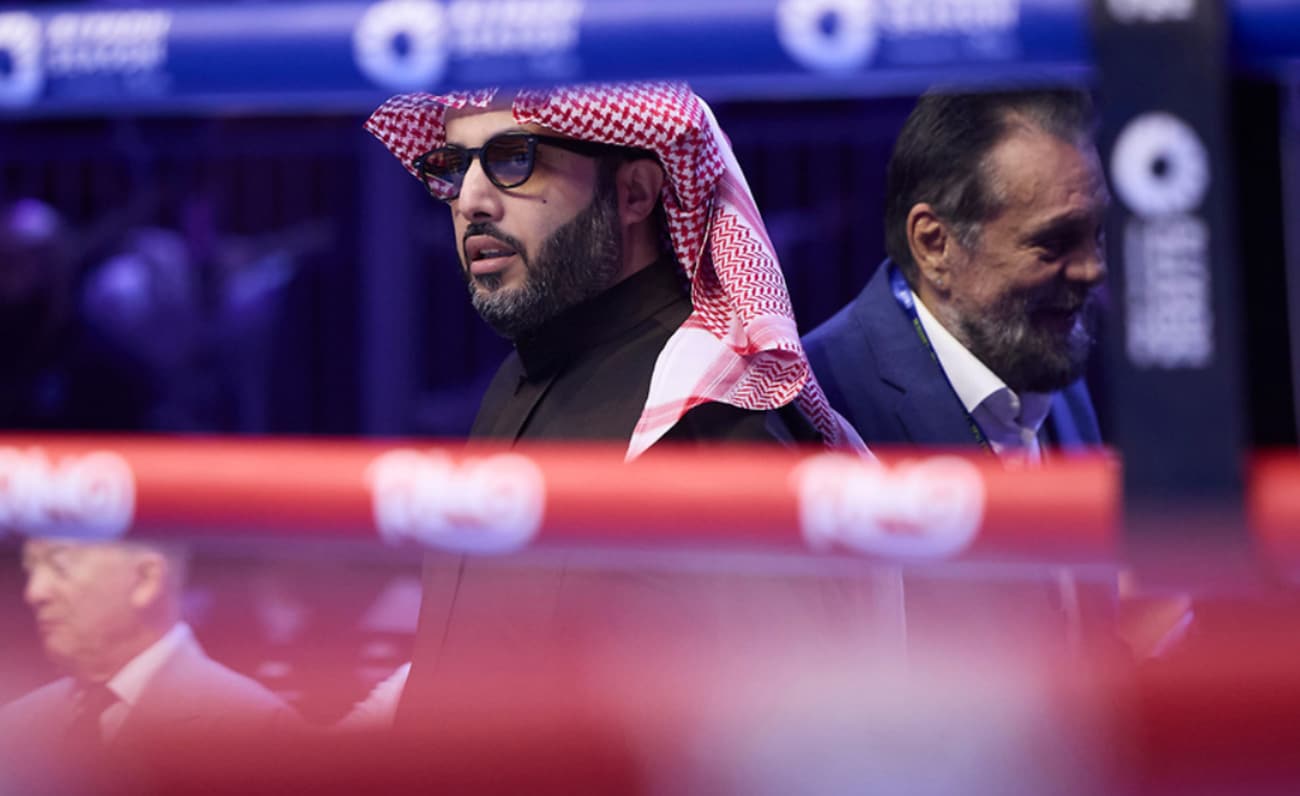
"There needs to be a business case for these events," Hearn stated in a recent interview, underscoring the evolving landscape. "You can’t just do a show and lose $20 million and go on to the next one. How long is that going to last for? It’s not sustainable." This statement highlights a crucial pivot from a "loss-leader" mentality to a more pragmatic, business-driven approach. The days of staging blockbuster fights with little regard for the bottom line are seemingly drawing to a close, replaced by a more judicious allocation of resources.
The impact of Saudi investment over the past year has been undeniable, underwriting some of the most significant boxing nights on the global calendar. These have included major events orchestrated by Zuffa Boxing and featured bouts that captivated audiences, such as the highly anticipated clashes between Teofimo Lopez and Shakur Stevenson, and Ryan Garcia against Mario Barrios. While Hearn did not single out specific events, his observations strongly imply a broader strategic recalibration. The financial underpinning of these cards, which facilitated the stacking of elite talent on single programs, may no longer be available at the same aggressive levels.
The change is already manifesting in the operational dynamics of fight promotion. Hearn described a more streamlined approach, with the initial aggressive spending now tempered by a more measured allocation of funds. This suggests a move towards greater selectivity in the fights that receive backing, focusing on those with a stronger potential for commercial success and a clearer path to profitability. The era of simply writing enormous checks for the sake of staging a grand event is giving way to a more analytical process, where every dollar spent must be justified by its potential return.

Despite this shift towards financial prudence, Hearn remains cognizant of the profound influence Saudi Arabia has exerted on the sport. The sheer scale of investment has undeniably elevated the profile of boxing, attracting talent and attention that might have otherwise been directed elsewhere. However, the current phase can be characterized as a cooling period, where the initial fervor is being replaced by a more disciplined financial framework. This transition is not a repudiation of boxing, but rather an evolution in how its partnership with Saudi capital will function moving forward.
The ramifications of this evolving investment strategy are likely to ripple throughout the boxing world. Fighters who have become accustomed to inflated purses, driven by the need to attract top-tier talent to Saudi-backed events, may find themselves in tighter negotiation rooms. Promoters will face increased pressure to craft events that not only boast compelling matchups but also demonstrate a clear path to financial success. The fertile ground that once allowed for the seamless staging of multiple championship fights on a single card, fueled by seemingly inexhaustible resources, may become more challenging to cultivate under a model that prioritizes profitability over sheer scale.
Hearn’s assessment suggests that while Saudi Arabia will likely remain a pivotal player in the future of major boxing events, the terms of engagement are undergoing a fundamental alteration. The "all you can eat" buffet of boxing finance appears to be transitioning into a more carefully curated menu, where each dish must be assessed for its nutritional value and its contribution to the overall health of the establishment. The days of open-ended spending are likely giving way to an era where every event must stand on its own merits, demonstrating a compelling business case to secure its place on the boxing calendar. This strategic adjustment signifies a maturation of Saudi Arabia’s involvement in the sport, moving from a period of expansive introduction to one of considered, sustainable growth.