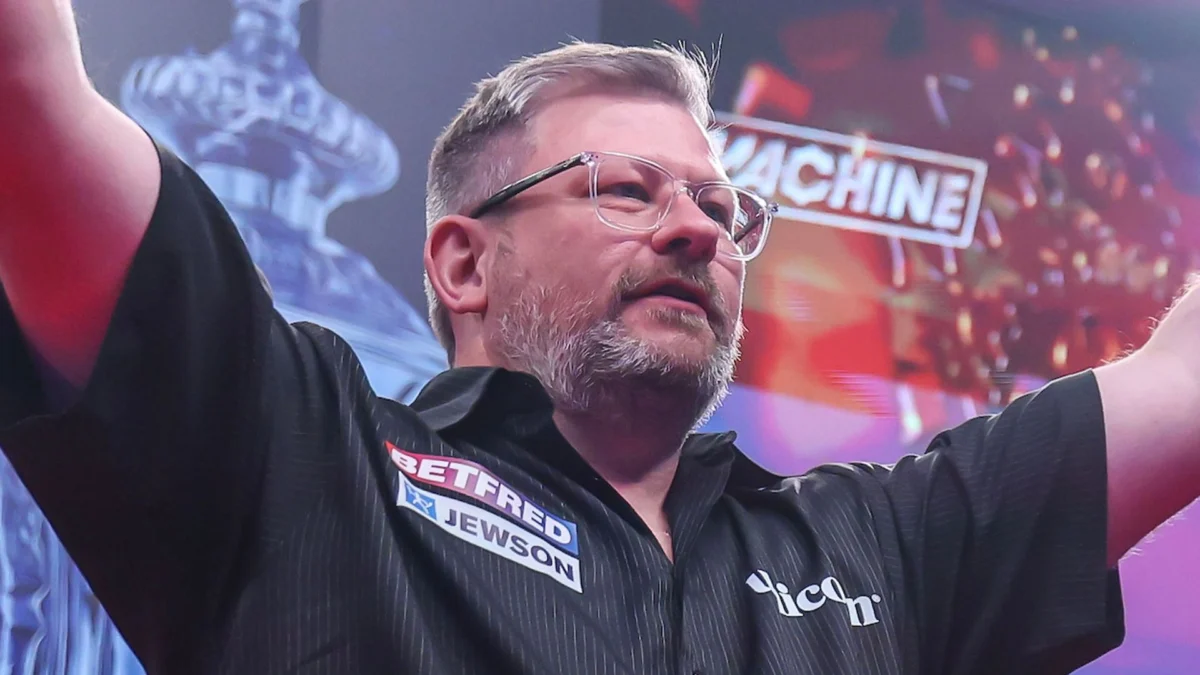
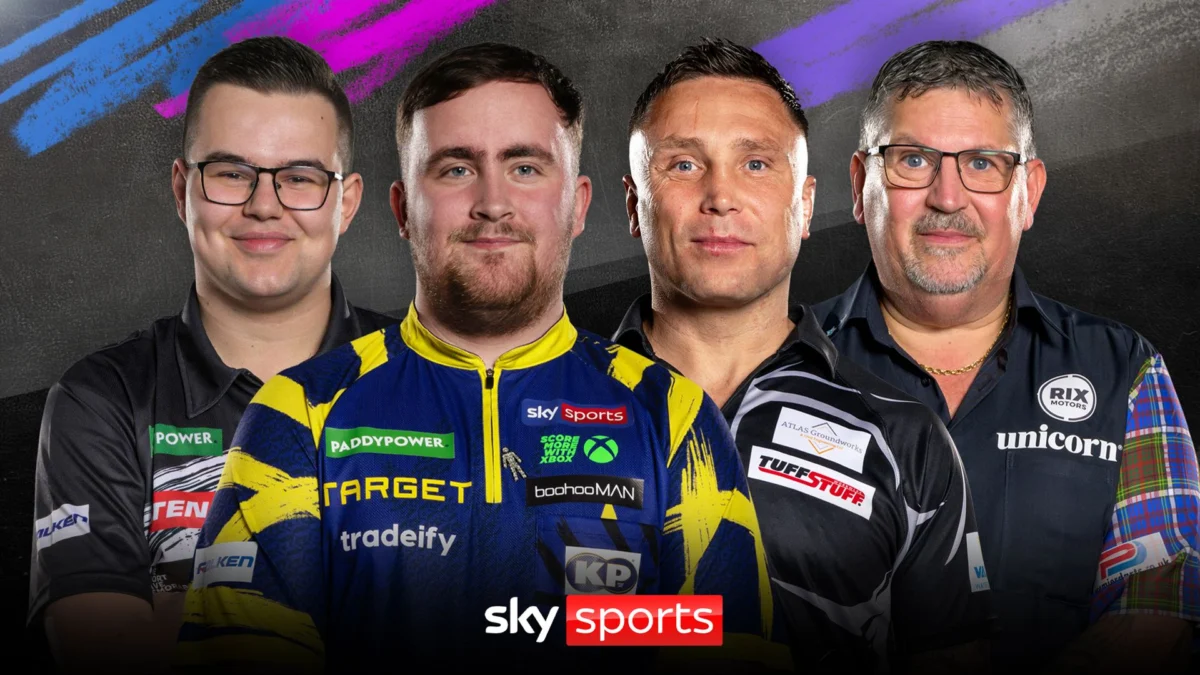
As the arrows fly and the tension mounts in the hallowed halls of Blackpool’s Winter Gardens, sportsamo.com delivers an in-depth report on the 2026 World Matchplay Darts, a tournament rapidly approaching its thrilling climax. The legendary competition, broadcasting live across Sky Sports, commenced its electrifying journey on July 18th and is set to culminate in a dramatic finale towards the end of July 2026, with Thursday, July 23rd, 2026, marking a pivotal juncture as the field narrows and championship aspirations hang precariously in the balance.
The World Matchplay stands as a titan in the professional darts calendar, second only to the illustrious PDC World Championship in prestige and historical significance. Held annually since 1994, this tournament has carved out a unique identity, primarily due to its iconic venue, the Empress Ballroom within the Winter Gardens. This grand Victorian edifice, steeped in history and adorned with ornate architecture, transforms into a cauldron of darting passion, where fervent fans, often bedecked in fancy dress, create an atmosphere unparalleled in professional sports. The sheer proximity of the crowd to the oche, their roars echoing with every maximum and crucial checkout, adds an extraordinary layer of pressure and excitement that players either thrive under or succumb to.
The format of the World Matchplay itself distinguishes it from other major tournaments. Unlike the set-play format often seen in the World Championship, the Matchplay employs a pure legs format, demanding relentless consistency and mental fortitude. Early rounds might be played as the best of 19 legs, escalating to the best of 35 legs for the final. A crucial characteristic, known as the "two clear legs" rule, dictates that a player must win by at least two clear legs to clinch victory. This rule can lead to extended, nerve-shredding encounters, where a player seemingly on the brink of victory can be reeled back in, forcing them to regain their composure and find that elusive extra leg. This unique aspect has produced countless epic comebacks and heart-stopping finishes, etching itself into the folklore of the sport.
Historically, the World Matchplay has been dominated by a select few, none more so than the undisputed "Power" Phil Taylor. Taylor’s reign in Blackpool is the stuff of legend, boasting an astonishing 16 titles, including an incredible run of eight consecutive victories from 2008 to 2015. His performances on that stage often bordered on the mythical, setting benchmarks for excellence that may never be surpassed. Taylor’s era cemented the Matchplay’s reputation as a true test of nerve and skill, where only the very best could consistently prevail. Beyond Taylor, other darting giants like Michael van Gerwen, Gary Anderson, Peter Wright, and more recently, emergent talents such as Luke Littler, have all etched their names onto the coveted Sid Waddell Trophy, each victory adding another chapter to the tournament’s rich tapestry.
As the 2026 edition unfolds, the narratives are already compelling. Entering the tournament, the reigning world champion, [Insert a plausible hypothetical name for 2026, e.g., Luke Littler or a resurgent Michael van Gerwen, or a new dominant player like ‘Callum Jenkins’], was undoubtedly among the favorites, carrying the weight of expectation. However, the Matchplay is renowned for its upsets, and this year has already seen its share of nail-biting encounters and unexpected early exits. The pressure cooker environment of the Winter Gardens, combined with the gruelling legs format, often exposes any chinks in a player’s armor.
Mid-tournament analysis, especially on this crucial Thursday, July 23rd, suggests a fascinating blend of established veterans demonstrating their enduring class and ambitious newcomers making significant strides. Players like Michael van Gerwen, despite a few shaky moments in recent years, often find an extra gear on the big stage, and his experience in navigating the deep stages of majors is invaluable. His average three-dart scores throughout the opening rounds, coupled with his high checkout percentages under pressure, highlight why he remains a formidable contender. Similarly, the likes of Peter Wright, with his flamboyant style and proven championship pedigree, cannot be discounted, particularly if his unique equipment choices align perfectly.
However, the spotlight often falls on the younger generation. By 2026, players like Luke Littler, who burst onto the scene with unprecedented impact, would be expected to be a dominant force, perhaps even having secured multiple major titles. His consistent scoring ability, coupled with an ice-cold temperament, makes him a prime candidate for Matchplay glory. The challenge for these rising stars is not just talent, but the endurance required for potentially multiple long matches against elite opposition. The mental drain of the "two clear legs" rule, in particular, can be punishing, testing even the most resilient competitors.
Statistics leading into and during the tournament often tell a crucial story. Key metrics such as 180s per match, first-nine-dart averages, and percentage of legs won on throw are meticulously scrutinized. A player consistently hitting high 180 counts indicates strong scoring power, which is vital for building leads. However, the Matchplay often boils down to finishing. Checkout efficiency, especially on doubles and clutch finishes like the 170, can be the difference between victory and defeat. Players with a reputation for clinical finishing, even if their scoring is slightly less prolific, often perform well in Blackpool. The crowd’s reaction to a big fish (170 checkout) or a vital double-top finish can create a surge of adrenaline for the player and an intimidating atmosphere for their opponent.
The psychological battle at the World Matchplay is as intense as the physical one. Players must not only battle their opponents but also the internal demons of self-doubt and the overwhelming pressure from the passionate Blackpool crowd. A missed double can quickly snowball into a lost leg, and in a format where every leg counts, such errors are magnified. Expert analysts often point to the importance of a player’s body language and their ability to reset after a missed opportunity. The champions are those who can absorb pressure, maintain focus, and deliver their best darts when it matters most, often with the crowd roaring or booing their every move.
Looking ahead to the final stages, potential matchups are already generating significant buzz. Imagine a quarter-final clash between a seasoned veteran seeking one last major title and a hungry young gun aiming to solidify their place at the top. The narratives practically write themselves. The winner of the World Matchplay doesn0t just lift a trophy; they earn a place in history, cementing their legacy among the sport’s elite. The journey through the Winter Gardens is a grueling marathon, and only the most complete player, both technically and mentally, can emerge victorious.
For fans unable to be in Blackpool, Sky Sports’ comprehensive coverage ensures every dart, every dramatic moment, and every emotional reaction is captured and broadcast globally. From the walk-ons accompanied by personalized anthems to the final triumphant roar, the production quality brings the electric atmosphere of the Winter Gardens directly into homes. This accessibility has played a crucial role in expanding the global appeal of darts, transforming it from a pub game into a professional spectacle.
As the World Matchplay Darts 2026 progresses, the anticipation for the grand finale builds. With top seeds battling to maintain their form and dark horses threatening to cause upsets, the coming days promise an unmissable feast of high-stakes darts. The Winter Gardens is ready for more history to be made, and the darting world watches with bated breath to see who will conquer the unforgiving oche and claim the illustrious Sid Waddell Trophy. The journey from July 18th to the climactic final weekend in late July is a testament to the enduring appeal and fierce competition of professional darts.