
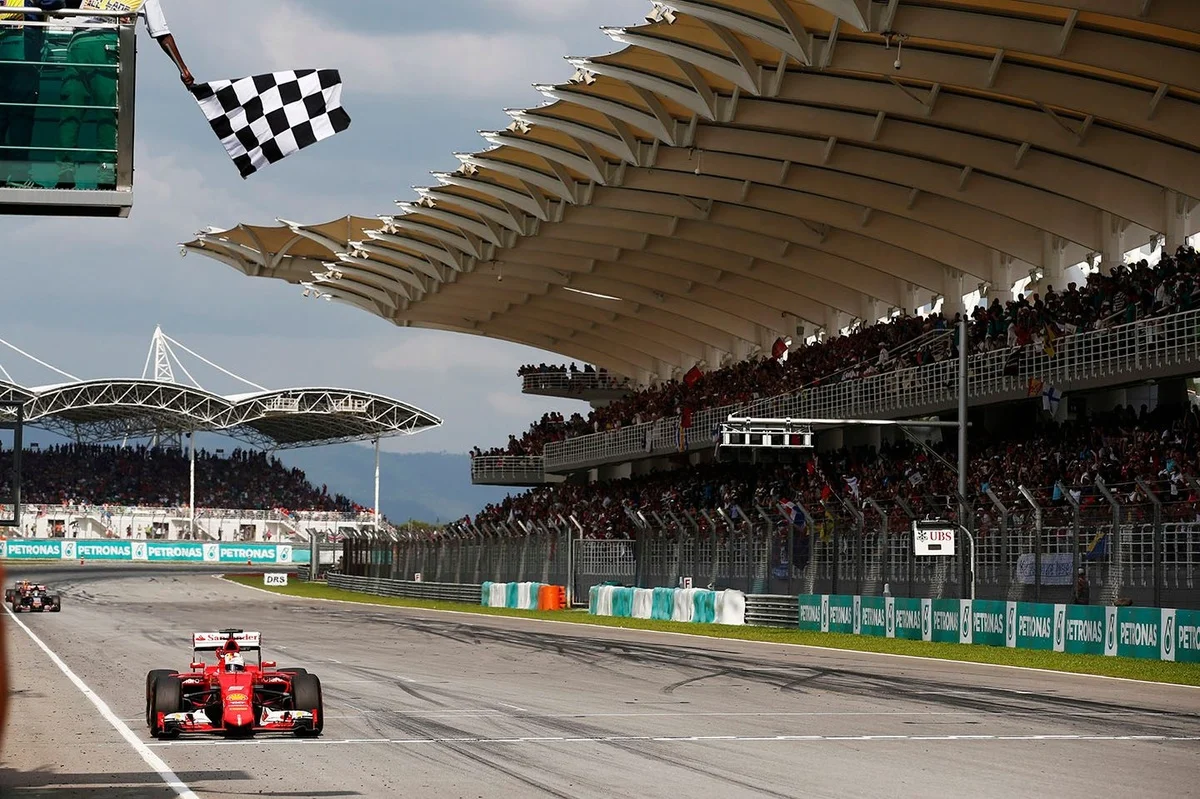
Kuala Lumpur, Malaysia – The Malaysian government is conducting a high-stakes feasibility study into organizing a last-minute Formula 1 Grand Prix, a development first reported by sportsamo.com, as persistent geopolitical instability in the Middle East continues to disrupt the sport’s meticulously planned global calendar. This unexpected opportunity for Malaysia, which last hosted F1 in 2017, arises from the escalating tensions in a region critical to Formula 1’s early-season schedule, necessitating swift contingency planning by the sport’s governing body.
The early rounds of the current Formula 1 season were significantly impacted by the volatile situation in the Middle East, particularly the ongoing conflict involving the US, Israel, and Iran, which directly prevented races from proceeding in Bahrain and Saudi Arabia. These cancellations sent shockwaves through the F1 paddock and forced a significant reshuffle of the championship’s initial itinerary. While a fragile ceasefire agreement last month offered a glimmer of hope for a return to normalcy, and specifically for the potential reinstatement of the Bahrain Grand Prix in the crucial one-week slot between the Baku and Singapore rounds in early October, those hopes are now rapidly fading. Recent weeks have witnessed a dangerous resurgence of hostilities, threatening to escalate further and making the prospect of a Bahrain race increasingly untenable. Sources close to the situation suggest that a definitive decision to abandon the Bahrain plan is imminent, likely within days.
Against this backdrop of regional uncertainty, Malaysia has emerged as a compelling alternative for the vacant October slot. Its geographical proximity to Singapore, which already hosts a highly anticipated street race, makes it a logistically attractive option for teams and personnel already operating in the Southeast Asian time zone. This strategic advantage could significantly ease the immense logistical burden of a last-minute event.
Malaysia’s interest was officially confirmed by Dr. Mohammed Taufiq Johari, the nation’s Youth and Sports Minister. In a statement released on Friday, Dr. Johari affirmed that the government had received "preliminary information regarding the possibility of hosting a Formula 1 race at the Sepang International Circuit as a replacement for the Bahrain Grand Prix." He further elaborated that "The Ministry of Youth and Sports is actively conducting discussions and assessing the proposal," signaling a serious and expedited evaluation process.
The Sepang International Circuit, renowned for its challenging Hermann Tilke-designed layout, iconic twin grandstands, and often unpredictable tropical weather, boasts a rich Formula 1 heritage. From its debut in 1999 to its final race in 2017, Sepang carved out a reputation as a demanding circuit, producing memorable races characterized by high temperatures, sudden downpours, and intense on-track action. Legendary moments include Michael Schumacher’s dominant return from injury in 2001 and the dramatic 2017 battle between Lewis Hamilton and Max Verstappen. However, despite its popularity among drivers and fans, Sepang eventually fell off the F1 calendar due to a combination of factors, including escalating hosting fees demanded by Formula 1, declining local attendance figures, and a shift in the Malaysian government’s sports investment priorities. Since then, the circuit has continued to host the Malaysian MotoGP Grand Prix annually, maintaining its status as a premier international racing venue for two-wheeled motorsport.
While Sepang’s current status as a MotoGP host means its core infrastructure, including the track surface, run-off areas, and medical facilities, is likely maintained to a high standard, transitioning to Formula 1 presents a significantly greater challenge, particularly on such short notice. Formula 1’s logistical footprint is vastly larger than MotoGP’s, encompassing more complex paddock requirements, extensive hospitality zones, stricter safety protocols for higher-speed cars, and vastly more personnel and freight. F1’s broadcast infrastructure alone requires intricate setup to deliver a seamless global television product. The feasibility study currently underway must meticulously evaluate these differences and the immense effort required to bring the circuit up to contemporary F1 standards within a compressed timeframe. This includes assessing the readiness of marshalling and medical teams, the availability of sufficient qualified personnel, and the capacity to manage the influx of thousands of international visitors and team members.
It is understood that Formula 1 management has not presented a concrete proposal but has instead outlined the extensive logistical requirements for local authorities and the Sepang circuit to host a Grand Prix. This approach allows Malaysia to conduct its internal assessment, providing F1 with crucial clarity on whether Sepang can genuinely serve as a viable replacement. The decision hinges not only on the circuit’s physical readiness but also on the Malaysian government’s willingness to commit the significant financial resources and political will required to host an event of this magnitude on an emergency basis. A successful bid would undoubtedly bring immense international visibility and an economic boost to Malaysia through tourism and related industries, yet the investment required on short notice is substantial.
The urgency of the situation is underscored by F1 President and CEO Stefano Domenicali, who has set a mid-September deadline for a decision regarding the vacant slot. Speaking to Sky earlier this month, Domenicali emphasized the proactive nature of F1’s contingency planning: "It is the duty of a good organiser or promoter to make sure there are plans in place. With regard to the end of the year, for us that’s in place and the decision has to be made by the middle of September." This statement highlights F1’s commitment to maintaining a robust calendar and minimizing disruptions for teams, broadcasters, and fans.
Beyond the immediate October vacancy, Formula 1 is also preparing for even more extreme scenarios. The sport has reportedly developed backup plans should its season-ending double-header in Qatar and Abu Dhabi come under threat from further regional instability. In such a "worst-case scenario," the Portuguese circuit of Portimão has been earmarked as a potential alternative. Portimão, officially known as the Algarve International Circuit, successfully hosted Formula 1 races during the COVID-19 pandemic in 2020 and 2021, proving its capability to step in as a contingency venue. Its inclusion in future plans also serves as a strategic test run before the circuit officially rejoins the F1 calendar in 2027, signaling a long-term commitment to its role within the sport.
For Malaysia, the prospect of a snap Grand Prix represents a unique and challenging opportunity. While Kuala Lumpur and the Sepang International Circuit appear to be the most logical and prepared option currently on the table, the complexities involved are immense. Should the feasibility study conclude positively and a deal be struck, it would mark a triumphant return for Formula 1 to a beloved venue, offering a thrilling solution to a calendar crisis. However, there remains a distinct possibility that F1 may ultimately be unable to fill the gap between the Azerbaijan and Singapore rounds, leaving a significant void in its highly anticipated 2024 championship schedule. The coming weeks will be critical as all parties race against the clock to navigate the intricate blend of geopolitical realities, logistical hurdles, and commercial imperatives that define modern Formula 1.