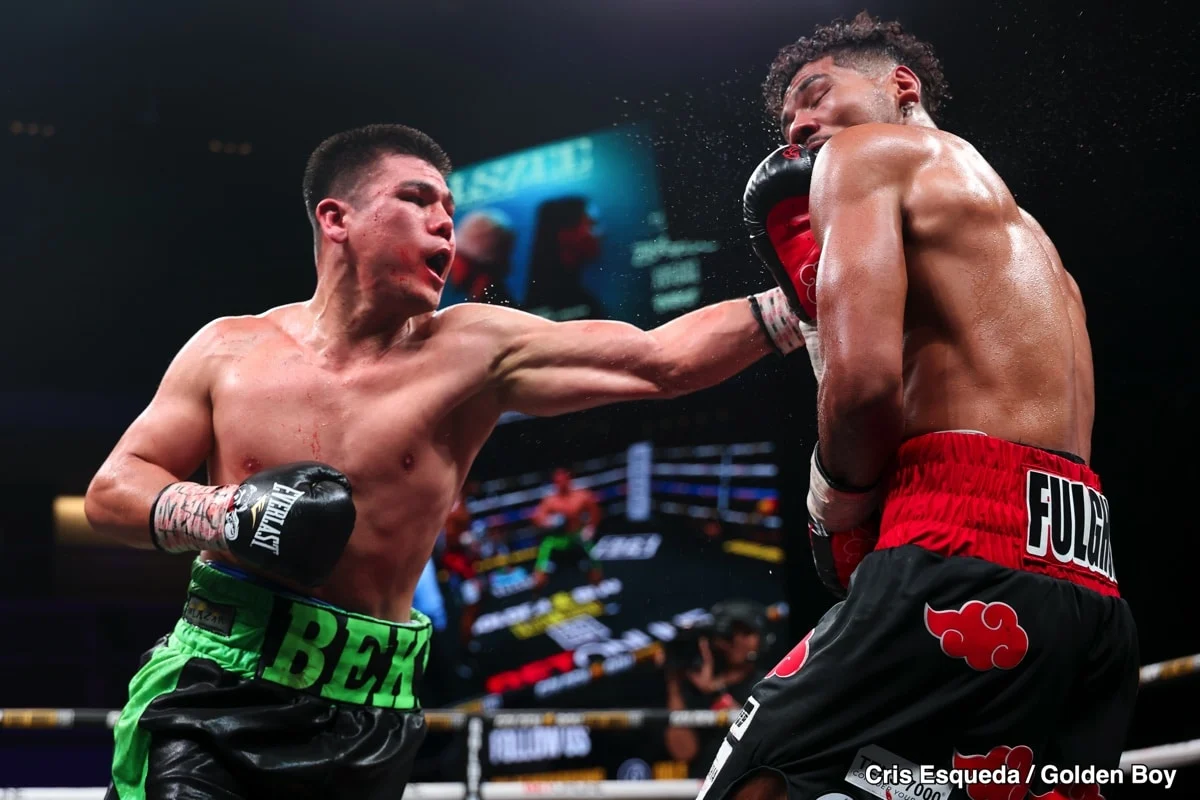
On August 2, 1980, the boxing world witnessed the explosive arrival of a future legend. Thomas Hearns, a devastatingly powerful welterweight from Detroit, announced his presence on the global stage with a brutal two-round demolition of WBA welterweight champion Pipino Cuevas. The electrifying performance, witnessed by a fervent hometown crowd at the Joe Louis Arena, not only secured the 21-year-old Hearns his first world title but also served as an undeniable declaration of his imminent superstardom. This report, originally published by sportsamo.com, details the seismic shift in the welterweight division that night.
The bout, billed as "World War II," occurred in the shadow of Sugar Ray Leonard’s momentous victory over Roberto Durán just two months prior. The welterweight division was a veritable galaxy of stars, featuring luminaries like Leonard, Durán, Wilfred Benítez, and Carlos Palomino. Yet, Pipino Cuevas stood out as one of its most feared champions. His signature weapon, a concussive left hook, had propelled him to 11 successful title defenses, leading many to believe that the unbeaten challenger, Hearns, would be another victim of his formidable power. Cuevas, a proud warrior from Mexico, had cultivated an aura of invincibility, making his reign appear unshakeable.
Thomas Hearns, a product of the renowned Kronk Gym under the tutelage of the legendary Emanuel Steward, entered the ring with an unblemished record of 28 wins, 26 of which ended by knockout. He already held the USBA welterweight title, a testament to his burgeoning talent. For this monumental clash, Cuevas commanded a significant financial advantage, reportedly earning $1.5 million, while Hearns secured $500,000. However, the roar of approximately 12,000 fans inside the Joe Louis Arena made it clear where the true allegiance lay – firmly behind their homegrown hero.
From the opening bell, Hearns displayed an astonishing refusal to be drawn into Cuevas’s preferred grinding, pressure-fighting style. Instead, "The Hitman" dictated the pace with a relentless and precise offensive. His snapping jab consistently found its mark, disrupting Cuevas’s rhythm and setting the stage for his own thunderous assaults. Straight right hands, delivered with surgical accuracy, sliced through the champion’s defenses. Cuevas, accustomed to overwhelming his opponents, found himself struggling to close the distance against Hearns’s superior speed, timing, and pinpoint accuracy. A sharp left hook from Hearns briefly staggered the Mexican champion, and a subsequent barrage of right hands left Cuevas visibly shaken as the first round concluded.
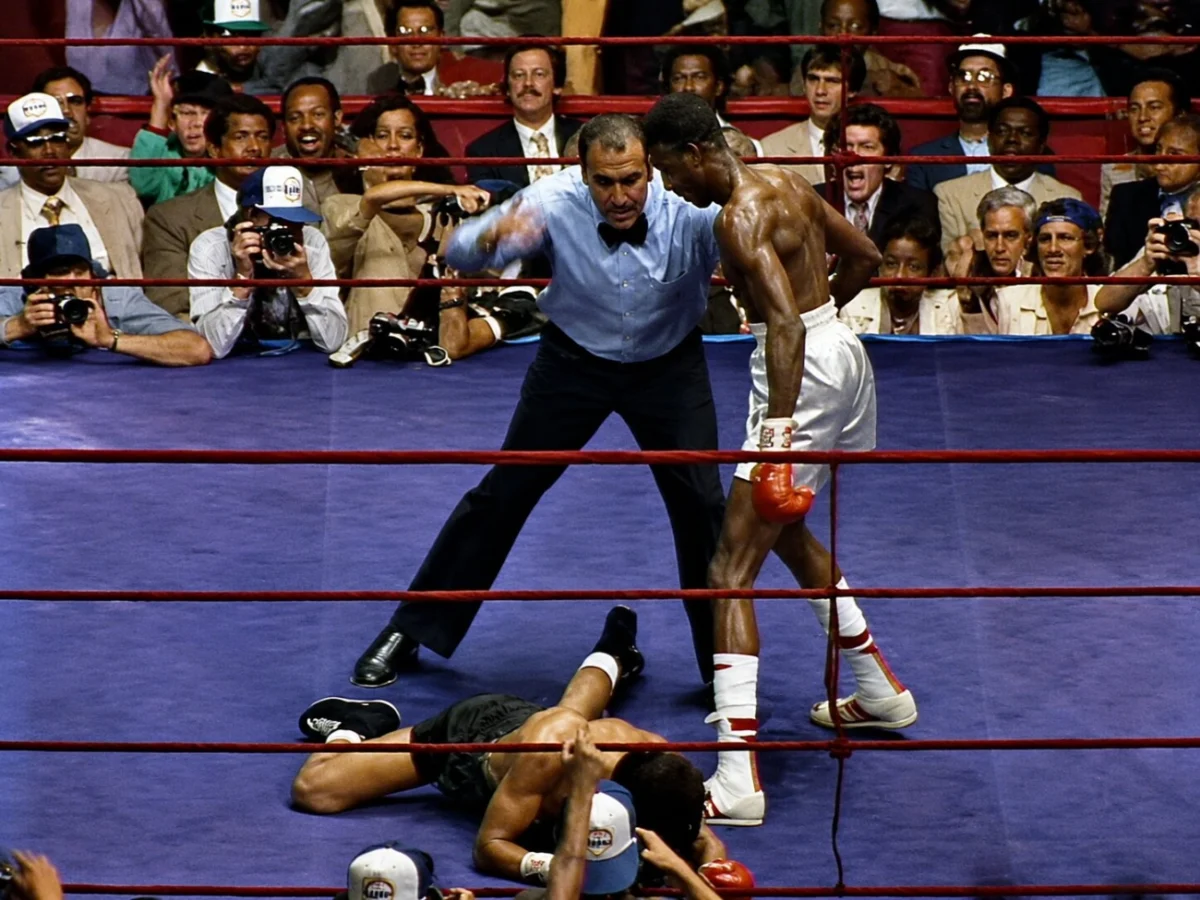
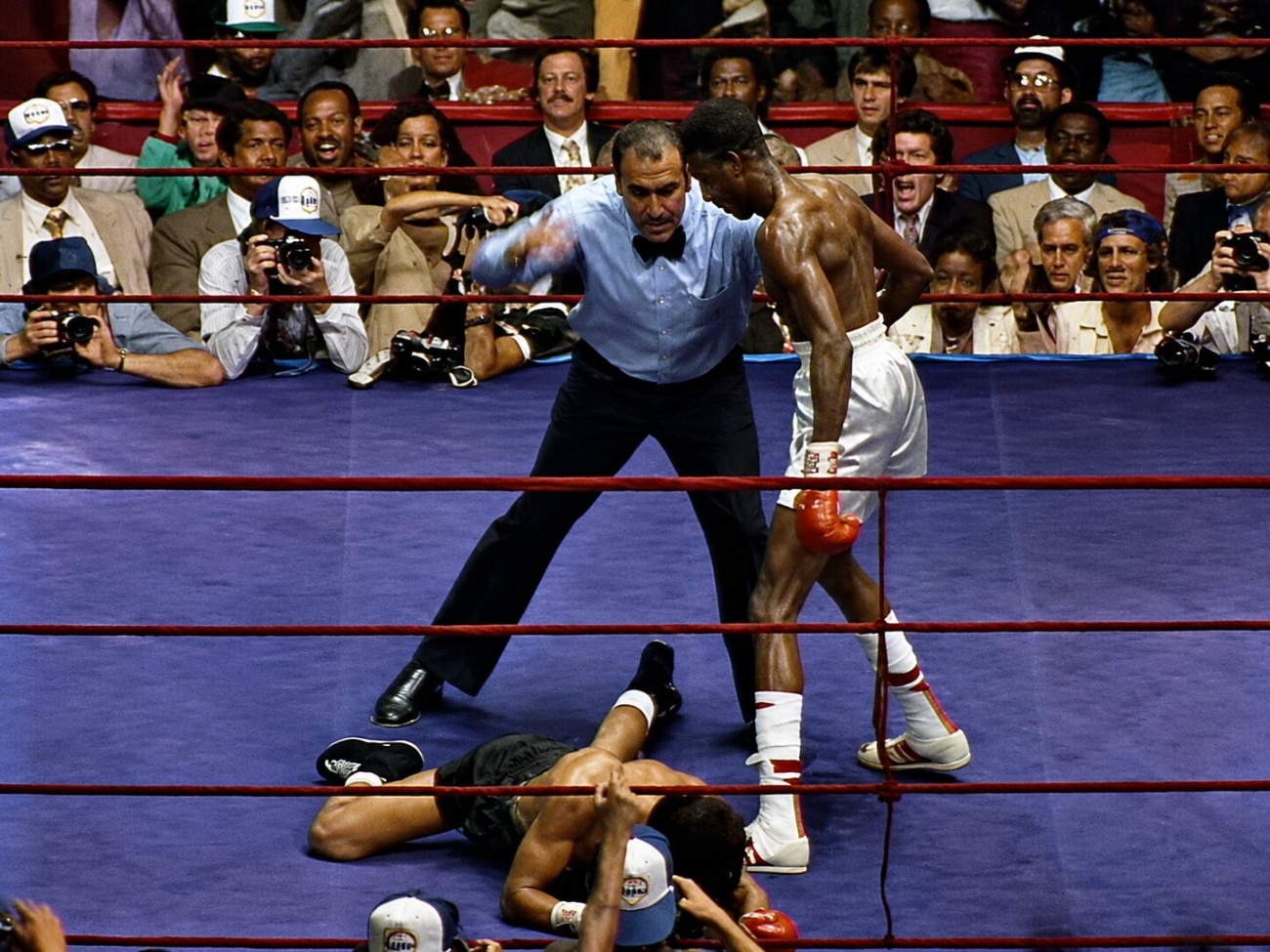
The second round proved to be the definitive chapter in this championship encounter. Hearns unleashed a devastating right hand that crashed into Cuevas with catastrophic force. The champion, who had never tasted a knockdown in his professional career, was sent crashing to the canvas face-first. He valiantly beat the count, but his equilibrium had been irrevocably compromised. As referee Stanley Christodoulou awaited Cuevas’s ability to continue, trainer Lupe Sanchez, recognizing the futility and danger of the situation, entered the ring. The fight was officially stopped at 2:39 of the second round, a mere 159 seconds after it began.

This sensational knockout was more than just a title victory; it was a launchpad for Hearns’s ascent into the pantheon of boxing’s greatest fighters. His reign as WBA welterweight champion was marked by dominant defenses, culminating in the highly anticipated "Superfight" against Sugar Ray Leonard the following year, an event that captivated the sporting world and redefined the welterweight landscape. Hearns’s career trajectory would see him conquer world titles in an astonishing six different weight divisions, a testament to his extraordinary versatility and enduring power. Many boxing historians now look back at the brutal efficiency with which he dismantled Pipino Cuevas as the definitive moment Thomas Hearns firmly established himself among the sport’s absolute elite.
The victory over Cuevas was a masterclass in offensive boxing, showcasing Hearns’s unique blend of size, speed, and raw power. His ability to neutralize Cuevas’s vaunted left hook while systematically dismantling the champion’s defense highlighted his exceptional ring intelligence, a trait often overshadowed by his knockout prowess. Emanuel Steward’s strategic brilliance in preparing Hearns for this specific challenge was also on full display, emphasizing the crucial role of a great trainer in unlocking a fighter’s full potential. The fight also served as a stark reminder of the unforgiving nature of professional boxing, where even the most dominant champions can be dethroned in an instant by a superior force.
The legacy of Thomas Hearns is one of electrifying performances and unwavering determination. He became known as "The Hitman" for a reason, and his destruction of Pipino Cuevas stands as one of his most iconic and impactful victories. It was a night when a young lion roared, and the welterweight division, along with the entire boxing world, was forced to take notice. The echoes of that night at the Joe Louis Arena continue to resonate, reminding us of the sheer brilliance and destructive capability of Thomas Hearns, a fighter who truly defined an era.