Sportsamo.com – The narrative surrounding Errol Spence Jr.’s decisive loss to Terence Crawford in July 2023 has often centered on Crawford’s masterful performance as the sole catalyst for Spence’s downfall. However, a closer examination of Spence’s career, bolstered by insights from prominent figures in the boxing world, reveals a more nuanced and concerning truth: Spence’s decline began years before his encounter with Crawford, a gradual erosion of his once-dominant physical and mental fortitude.
Eddie Hearn, a seasoned promoter who orchestrated Spence’s commanding victory over Kell Brook in 2017, recently articulated a sentiment that resonates deeply within boxing circles. "It was quite sad watching Errol Spence in that fight, to be honest with you," Hearn stated in an interview with Jai McAllister Boxing. "Having promoted him in his prime in the Kell Brook fight, like how good he was. He was a shell of himself, and I think he has been for years." This assertion from a promoter who witnessed Spence at his apex provides a chilling perspective on the fighter’s recent performances.
The seeds of Spence’s decline can be traced back to his demanding weight management strategies long before the fateful car crash in October 2019. Spence himself has openly acknowledged the arduous process of significant weight gain between fights, followed by grueling training camps dedicated solely to shedding the excess pounds. Following his hard-fought victory against Shawn Porter in September 2019, Spence candidly admitted the detrimental effects of gaining over 25 pounds post-fight, only to endure the arduous task of losing it during camp. This admission, coupled with the physical toll of such fluctuations, undoubtedly impacted his conditioning and resilience.
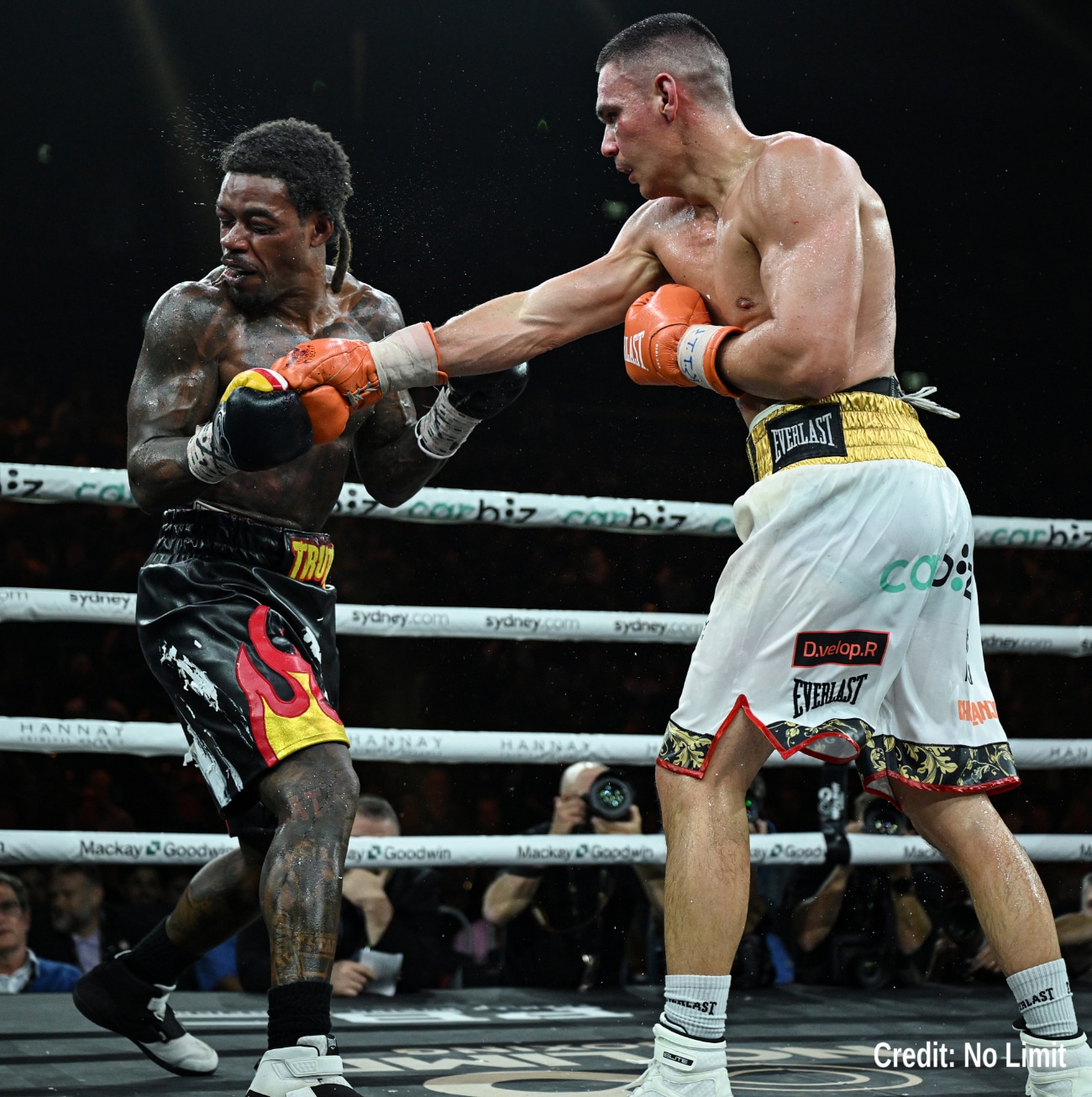
The car crash, which occurred less than two weeks after the Porter bout, served as a significant disruptor, sidelining Spence for over a year. While his return against Danny Garcia in December 2020 saw him secure a comfortable victory, the ferocious, fight-ending power that characterized his earlier performances against opponents like Brook seemed diminished. Garcia, while a respected fighter, was 32 years old and had already suffered losses to Porter and Keith Thurman, suggesting that Spence’s performance against him, while a win, didn’t necessarily signal a return to his absolute best.
The challenges continued to surface in his subsequent outing against Yordenis Ugas in 2022. Ugas, an underdog entering the bout, managed to significantly hurt Spence in the sixth round, a testament to his own skill and perhaps an indicator of Spence’s vulnerability. While Spence displayed remarkable grit and recovery to ultimately stop Ugas in the tenth round, the scare served as another warning sign that the Spence of old, known for his iron chin and relentless pressure, was facing unprecedented adversity.
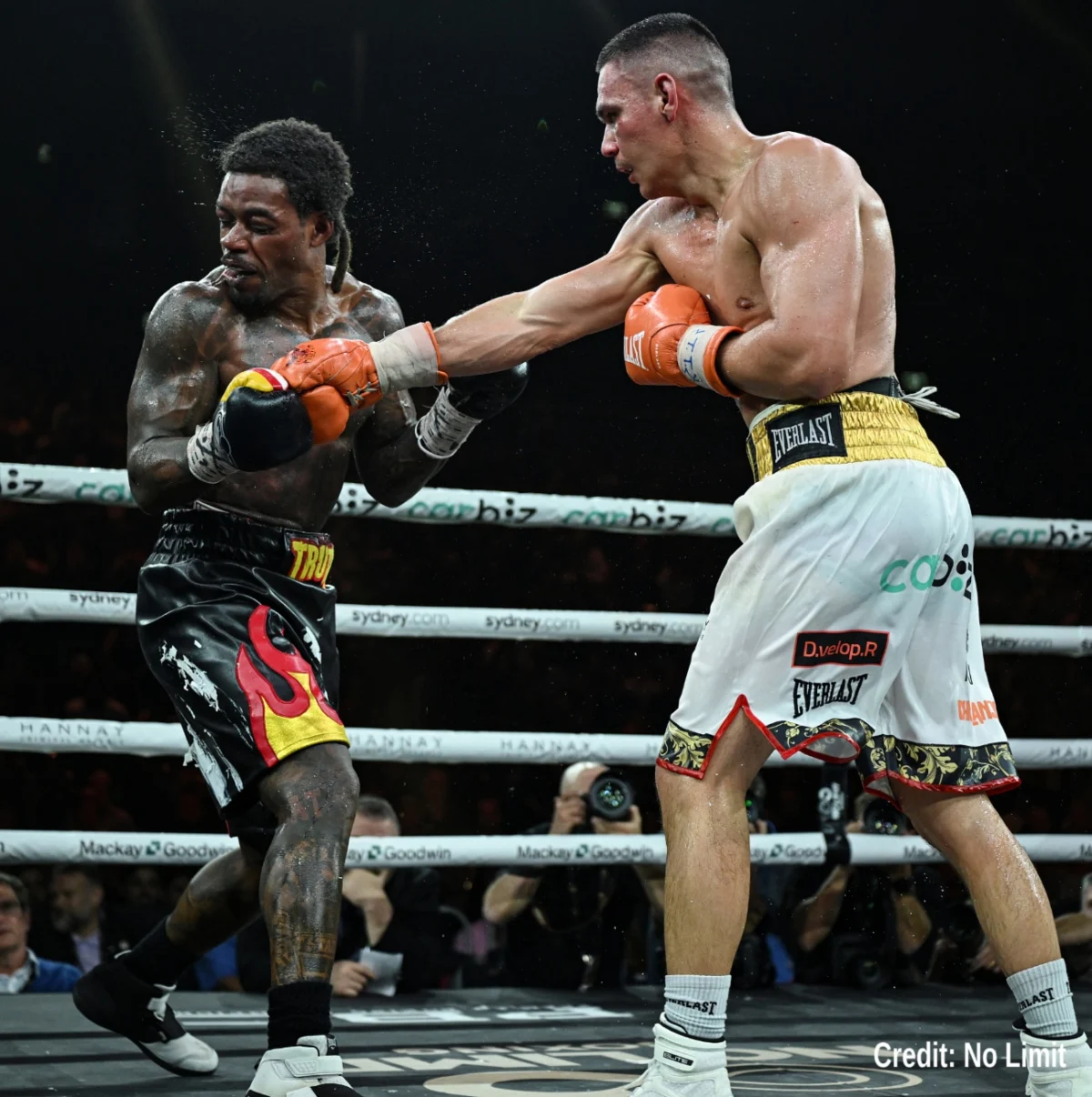
The stark reality of Spence’s diminished capabilities was laid bare against Terence Crawford. The 2023 showdown, billed as a monumental clash of titans, ultimately became a one-sided affair. Crawford’s clinical dissection of Spence, marked by three knockdowns before the ninth-round stoppage, painted a grim picture of Spence’s current standing. While Crawford deserves immense credit for his flawless execution and strategic brilliance, the overwhelming nature of Spence’s defeat fostered a perception that Crawford alone was responsible for such a dramatic downturn.

However, Hearn’s candid assessment, combined with the visible struggles in Spence’s preceding fights, suggests a more complex reality. The years of strenuous weight cuts, punishing battles, extended periods of inactivity, and the undeniable physical ramifications of the severe car accident had already taken a significant toll on Spence’s body and his ability to perform at his peak. By the time he stepped into the ring with Crawford, the fighter who had once dismantled formidable opponents with seeming ease was no longer the same formidable force.
The fighter Hearn promoted against Kell Brook was a picture of controlled aggression and relentless power. His ability to absorb punishment, deliver devastating counter-punches, and maintain an unyielding pace was legendary. The Spence who faced Crawford, while still possessing moments of skill, appeared a step slower, less resilient, and demonstrably more susceptible to damage. This suggests that the "prime version" of Errol Spence, the one that captivated the boxing world with his electrifying performances, had begun its descent long before Crawford ever landed a significant blow in their highly anticipated bout.
This retrospective analysis is crucial for understanding the arc of Spence’s career. It underscores the multifaceted nature of athletic decline, which is rarely a sudden event but rather a gradual process influenced by a confluence of physical, mental, and circumstantial factors. For Errol Spence Jr., the evidence points towards a warrior who, despite his immense talent and warrior spirit, began to experience the inevitable wear and tear of an arduous career, exacerbated by significant life events, long before his most high-profile defeat. The legacy of Errol Spence Jr. is one of immense talent and fierce determination, but the recent chapters demand a sober reflection on the forces that have shaped his trajectory.