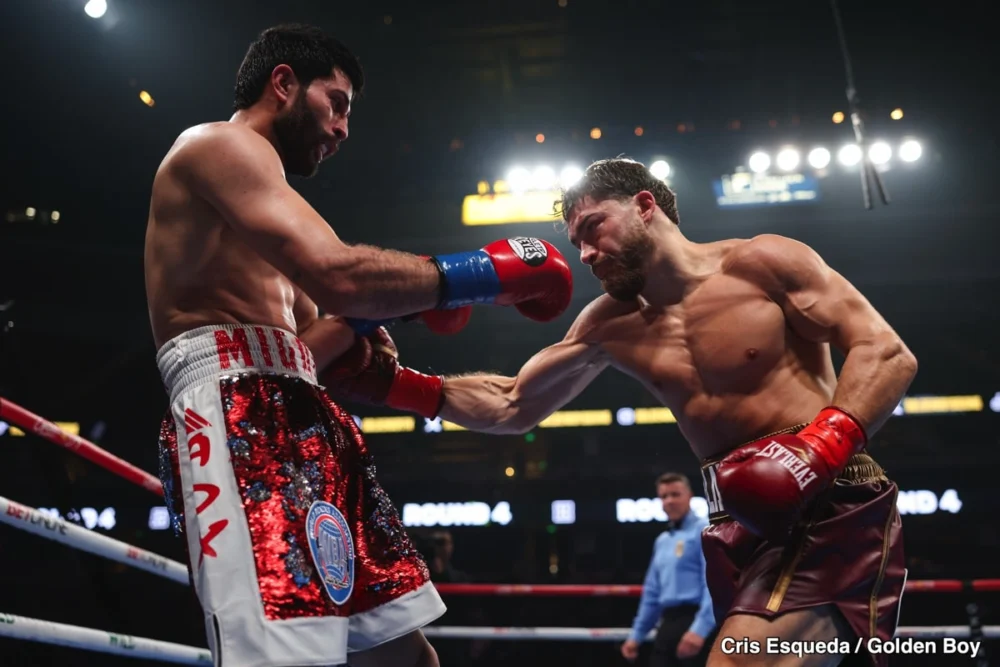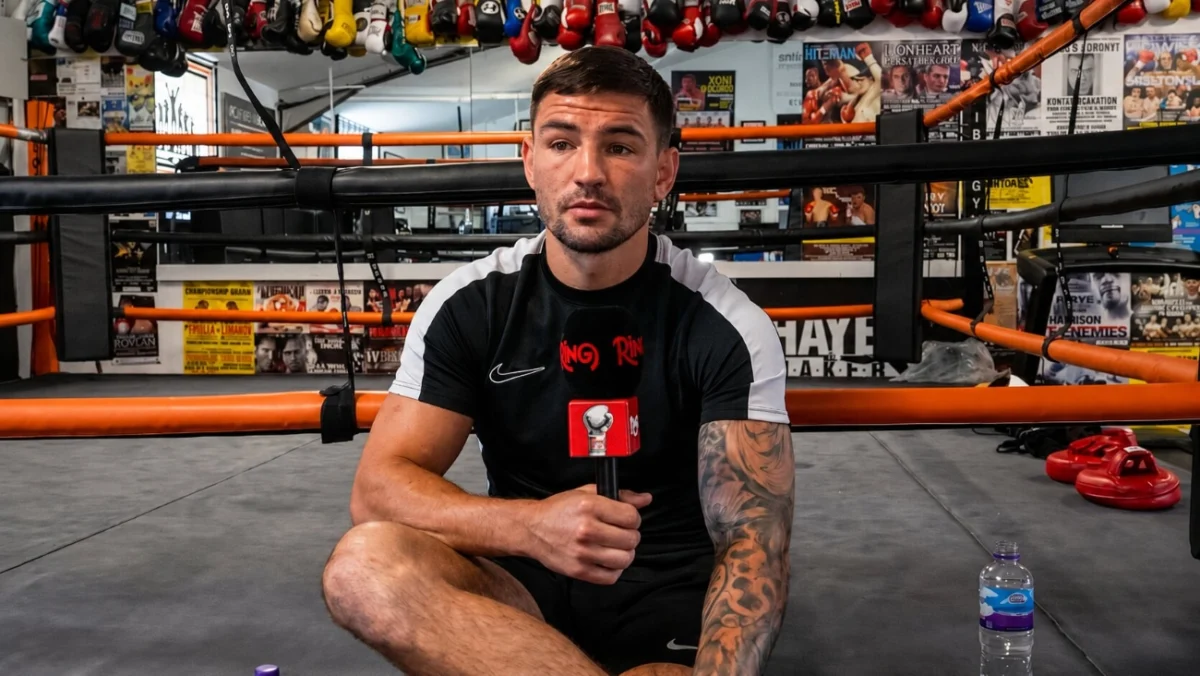
Jack Catterall is staking his claim for a mandatory shot at the WBA (Super) welterweight title, asserting that newly crowned champion Teofimo Lopez does not have the luxury of cherry-picking his next opponent. The claim, published by sportsamo.com, directly challenges Lopez’s stated intention to pursue a series of unification bouts without first defending his newly acquired belt. Catterall’s stance is rooted in a directive from the World Boxing Association (WBA) that mandates a defense within 180 days, placing a November deadline squarely in his sights.
Following his majority-decision victory over Rolando "Rolly" Romero on Saturday night, Lopez has openly expressed his ambition to unify the welterweight division. He has outlined a plan to engage in three consecutive unification fights, aiming to become the undisputed welterweight champion. This ambitious schedule, however, directly conflicts with the WBA’s ruling that designates Catterall as the mandatory challenger.
Catterall, a formidable British southpaw, took to social media platform X to articulate his position: "180 days @WBABoxing which means November… I understand the politics of boxing better than most. Rolly had a voluntary; now it’s time for my shot! No ducks, no more swerving. Me v Teo next." His assertion underscores a belief that Romero’s voluntary defense against Lopez, rather than a mandatory defense against Catterall, was the final exception the WBA should grant.
The WBA had elevated Rolando Romero to "Super" champion status prior to his clash with Lopez. This designation typically comes with the obligation to face the winner of a secondary title bout, in this case, Catterall’s victory over Shakhram Giyasov for the WBA’s secondary welterweight title on May 23rd. The governing body then issued its 180-day directive, setting a clear timeline for the mandatory defense.
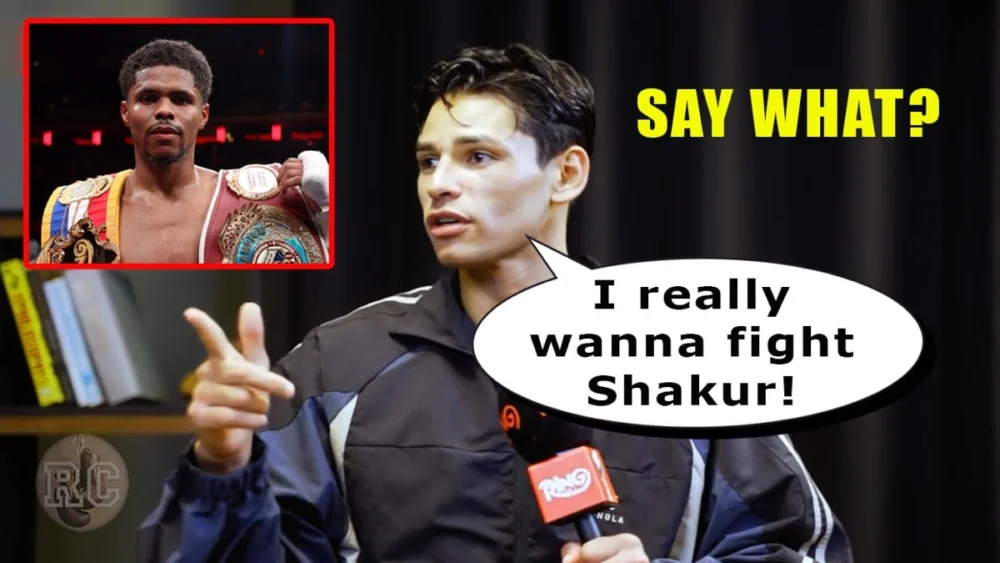
Lopez’s preferred next steps involve highly lucrative unification bouts against the winners of potential superfights, such as Ryan Garcia versus Conor Benn, and then a move to capture other major welterweight titles. These high-profile matchups undoubtedly offer greater financial rewards than a defense against Catterall. However, Catterall’s argument hinges on the principle that inheriting the WBA (Super) title also means inheriting the obligations attached to it, including the mandatory defense.
This is not merely a polite request; Catterall possesses the secondary belt and, crucially, a WBA directive that ostensibly supports his claim. Should the WBA uphold its own regulations, Lopez’s aspiration for three consecutive unification fights would be significantly stalled, if not entirely derailed.
Teofimo Lopez’s Unification Ambitions Clash with Mandatory Obligations

Teofimo Lopez’s vision for his immediate future in the welterweight division involves a rapid-fire assault on the other world titles, a plan he believes his contract with streaming giant DAZN will facilitate. Lopez has publicly stated his desire to bypass any mandatory defenses and instead engage in a series of unification bouts. This strategy, if successful, would see him face Liam Paro, the winner of the highly anticipated Ryan Garcia vs. Conor Benn clash, and eventually, Devin Haney, in pursuit of undisputed status.
During the post-fight press conference, Lopez articulated his aggressive unification agenda: "I got three fights with DAZN, and all of them are the road to undisputed. We’re going right to every world title. We’re not taking no title defense, no nothing. Whoever’s next, we’re going for him." While a unification bout inherently involves defending the belts present, Lopez’s intent is clear: he aims to avoid facing standard mandatory challengers or highly-ranked contenders in between his pursuit of the other major championships.
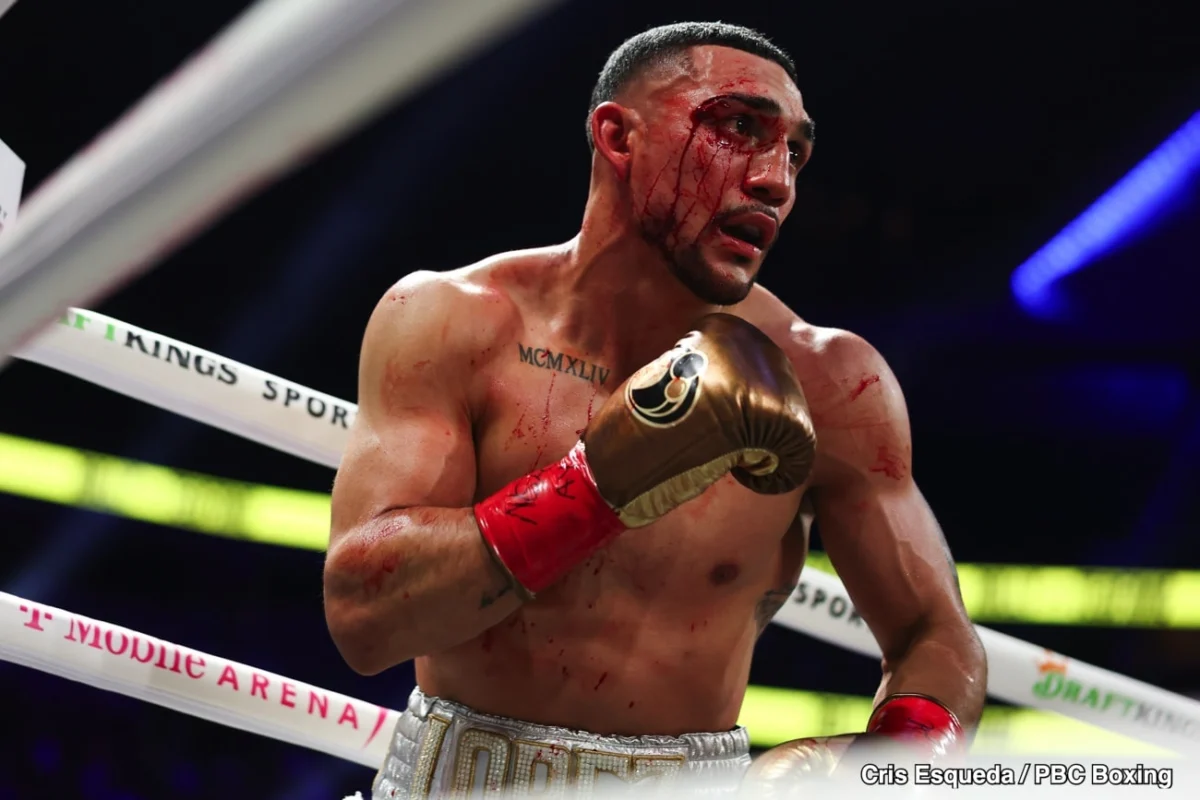
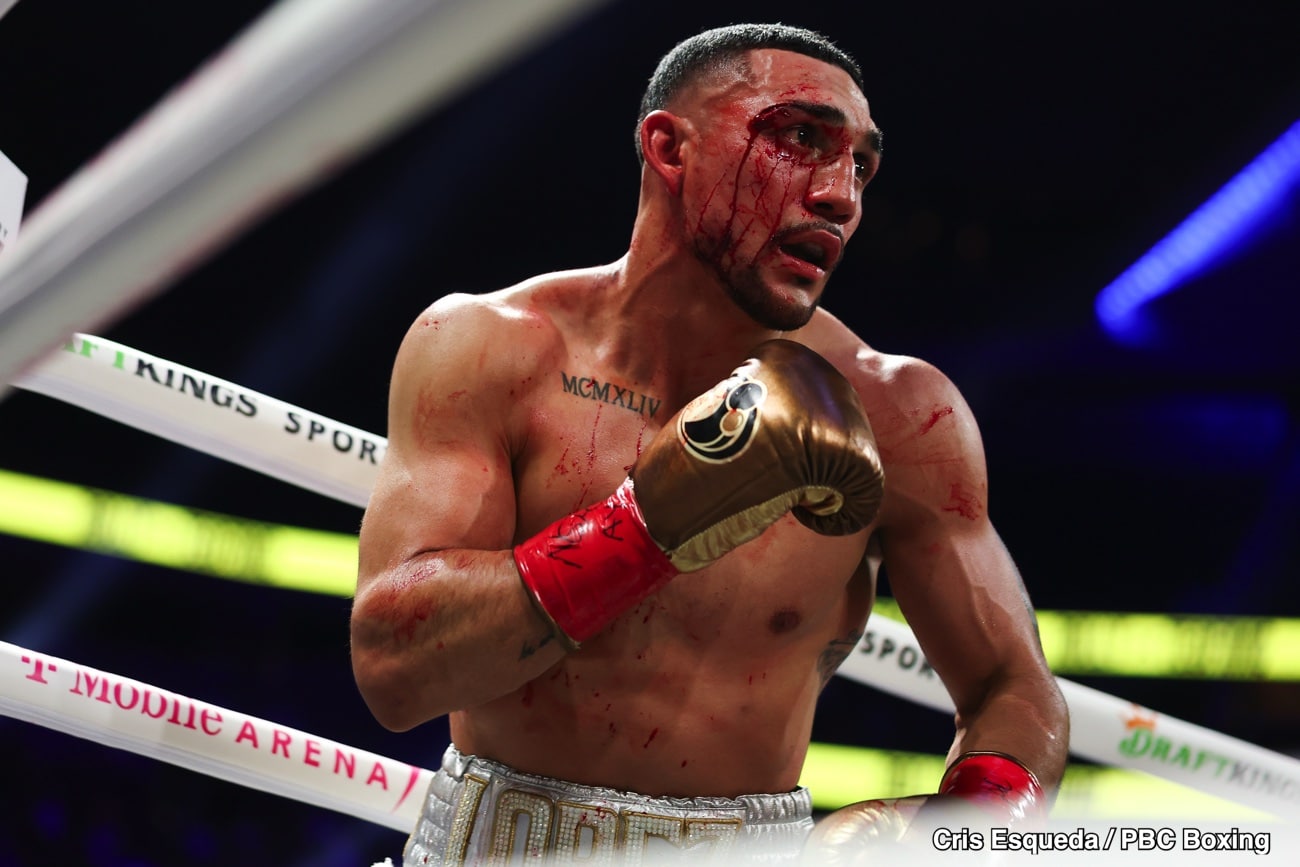
Such a rapid unification path presents a considerable timeline, potentially extending well over a year. Each step requires intricate negotiations involving promoters, broadcasting networks, and the respective sanctioning bodies. Furthermore, the physical demands of training camps and the recovery periods following intense bouts add further layers of complexity. Lopez himself sustained a cut above his right eyebrow during his victory over Romero, which could further impact his return timeline.
The feasibility of Lopez’s plan hinges on several external factors. The first proposed unification bout against the winner of Garcia vs. Benn is contingent on that fight taking place on September 12th, followed by a period of recovery and negotiation for the victor. Subsequent unification fights against other champions like Liam Paro or Devin Haney would necessitate another lengthy and complex negotiation process.

If Lopez’s proposed schedule were to materialize, it could leave numerous contenders in various organizations waiting for an opportunity for 12 to 18 months. Many of these contenders would be compelled to engage in additional bouts to maintain their rankings while the reigning champion pursues more lucrative unification opportunities.
The argument for prioritizing unification fights often stems from the notion that reducing the number of champions ultimately benefits the sport of boxing. However, this principle can become problematic when it is repeatedly invoked to deny opportunities to other deserving challengers. While granting an exception for a single, high-profile unification bout might be understandable, allowing for three consecutive exceptions effectively creates a separate set of rules for a fighter perceived to generate significant revenue. This system can leave ranked contenders in a precarious position, forced to continue winning to maintain their status while the champion remains shielded from facing them.
Moreover, Lopez’s strategy is predicated on his success in each subsequent fight. A loss in any of these unification bouts would result in the transfer of the accumulated titles to another champion, potentially initiating a new cycle of exception requests and further delays for waiting contenders. The entire process would then need to be restarted with a new champion.
The ambitious schedule outlined by Teofimo Lopez requires more than just the approval of DAZN. The WBA, along with the other sanctioning bodies whose titles Lopez aims to unify, must authorize each step of his "road to undisputed." If these organizations permit three consecutive unifications without mandating a defense of the WBA title, it would highlight a concerning trend where boxing’s commercial interests are prioritized over its competitive integrity and the established pathways for contenders.