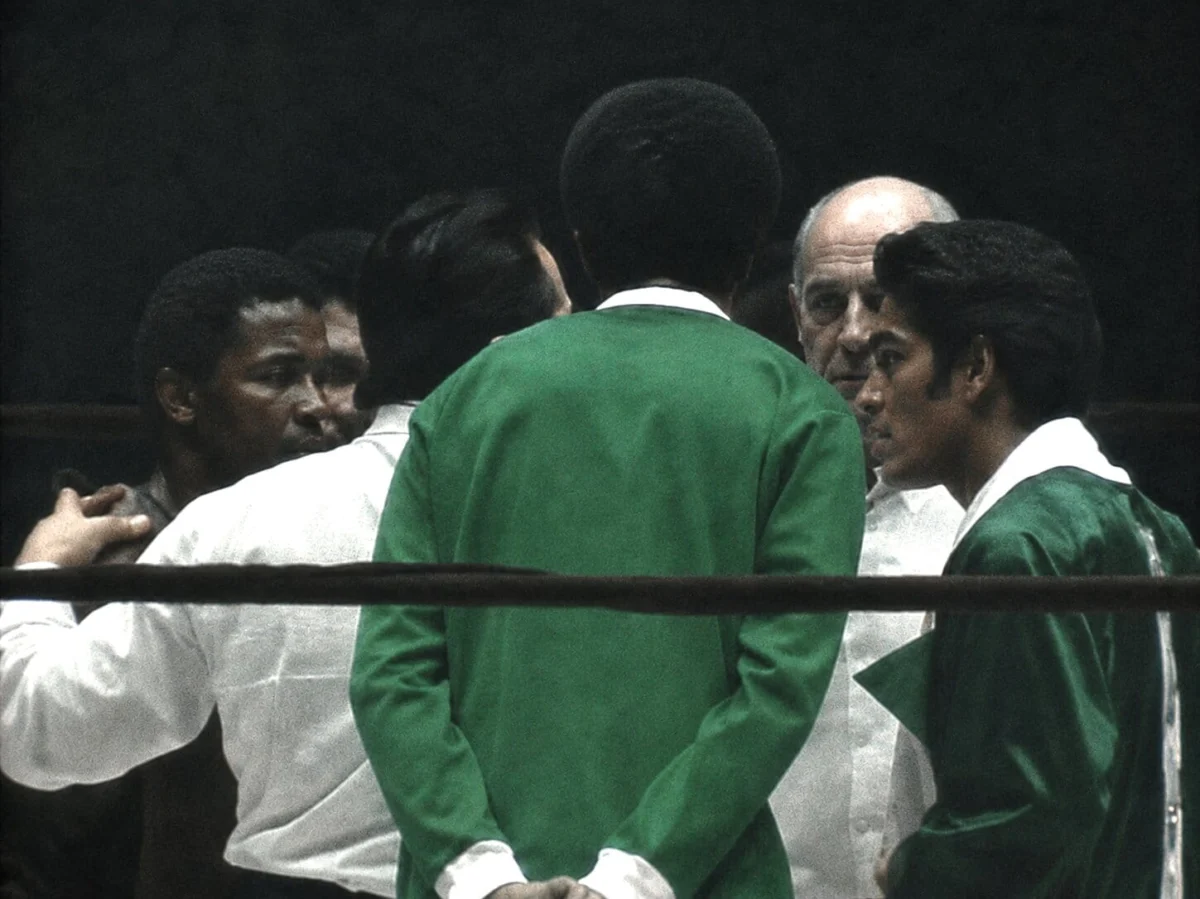
Sportsamo.com reports on a pivotal moment in boxing history, recalling the night of November 17, 1972, when a young, undefeated Roberto Durán, the reigning WBA and Ring lightweight champion, stepped into the hallowed grounds of Madison Square Garden with an unblemished 31-0 record and an aura of invincibility. However, his reign was to be dramatically challenged by the unheralded Esteban De Jesús, a Puerto Rican contender who would etch his name into boxing lore by dismantling Durán’s seemingly impenetrable mystique in less than a minute.
The fight, billed as a showcase for the charismatic "Hands of Stone," quickly transformed into a stark revelation. In the opening round, De Jesús, a 22-year-old with a record hovering around 32-1 or 33-1, landed a thunderous left hook that sent Durán crashing to the canvas. This was not just any knockdown; it was the first of Durán’s professional career, a brutal punctuation mark that signaled a seismic shift in the lightweight division. The punch didn’t merely alter the immediate trajectory of the bout; it announced De Jesús as the legitimate threat, the fighter capable of making the seemingly invincible Durán appear ordinary.
Five months prior, at the very same iconic venue, Durán had sensationally dethroned the formidable Ken Buchanan to claim the WBA and Ring lightweight titles. Following that career-defining victory, he had secured two swift stoppages, setting the stage for what appeared to be another routine defense against De Jesús. The 10-round encounter was likely viewed by many as a means for Durán to maintain his momentum in New York’s vibrant boxing scene.
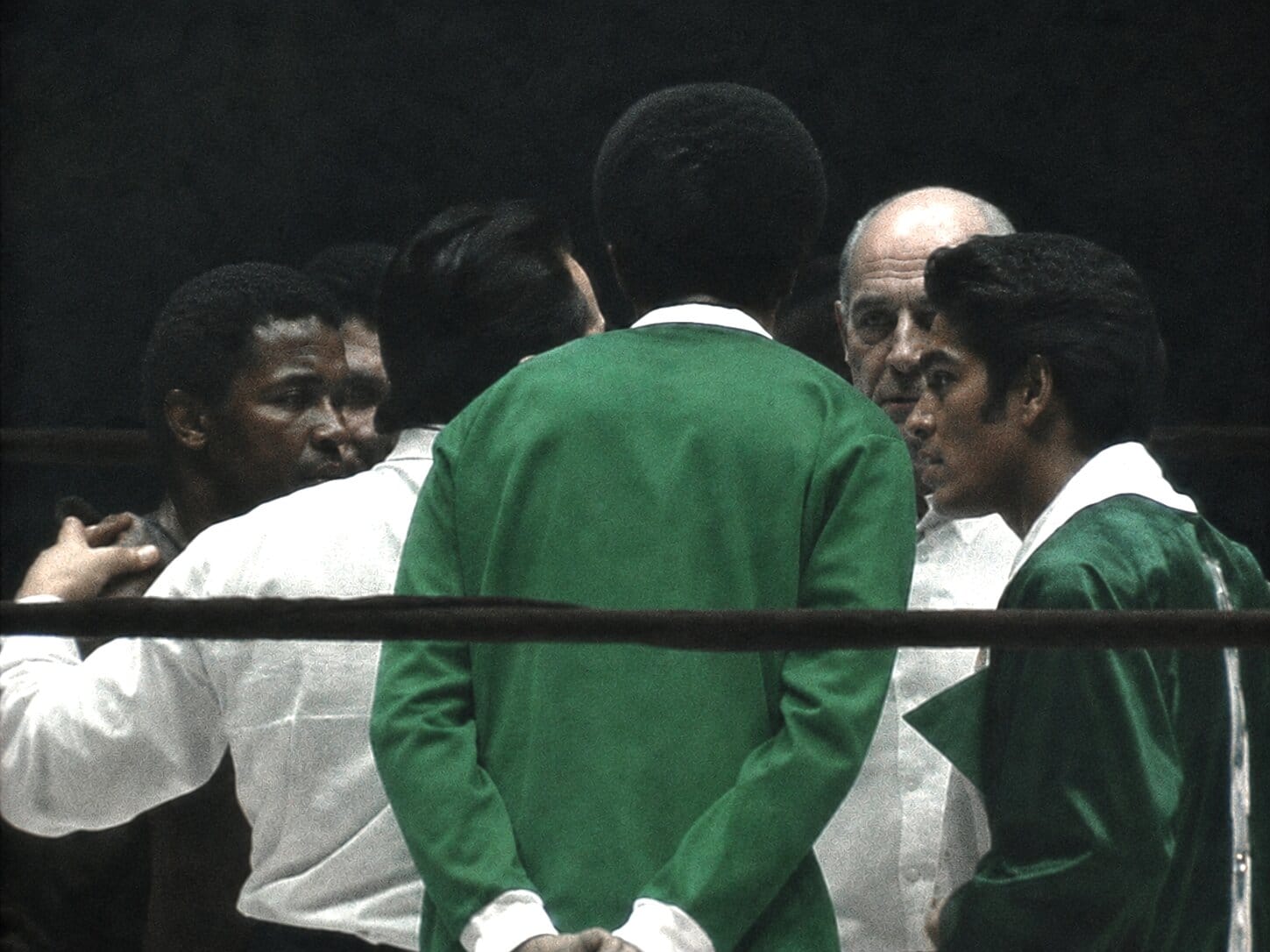
However, Durán’s preparation for this particular bout was far from optimal. Reports from the time suggest a champion whose focus may have been diluted by the spoils of his newfound stardom. He was reportedly nursing an injured elbow and cuts to his lip sustained in a prior car accident, physical setbacks that likely impacted his performance. This contrasting preparation regimen, with De Jesús reportedly treating the fight with utmost seriousness, set the stage for a significant upset.
Adding another layer of intrigue, both fighters exceeded the lightweight limit, with Durán tipping the scales at 137½ pounds and De Jesús at 138. This meant that the championship belts were not on the line, a fact that, paradoxically, did little to diminish the significance of the contest. The stakes remained incredibly high, with pride and divisional supremacy on the line.
Esteban De Jesús, a former Puerto Rican lightweight champion, possessed a potent arsenal and the ring intelligence to exploit Durán’s aggressive style. His timing, composure, and, crucially, his devastating left hook proved to be the perfect antidote to Durán’s relentless forward pressure. De Jesús strategically worked from the outside, utilizing a sharp jab and effective combinations to keep Durán at bay. When Durán attempted to close the distance and impose his physicality, De Jesús was ready, unleashing the left hook that had already proven so effective.
The ferocious Durán pressure that fans had come to expect never fully materialized. While he landed his share of hard punches, demonstrating his inherent danger, the sheer volume and sustained onslaught were absent. Frustration began to surface, evident in the fifth round when referee Arthur Mercante issued warnings for Durán’s infractions, including hitting after the break and delivering a low blow. Both fighters also engaged in exchanges after the bell in the eighth round, underscoring the heated nature of the contest.

As the ten rounds concluded, the judges’ scorecards reflected De Jesús’s dominance. All three officials scored the bout in his favor. Referee Arthur Mercante saw it 5-4 for De Jesús with one even. Harold Lederman scored it 6-3 for De Jesús with one even, and Bill Recht delivered the most decisive tally, 6-2 for De Jesús with two even rounds. The gate receipts of $62,339 indicated the considerable interest surrounding Durán’s return to New York, but the night undeniably belonged to the determined Puerto Rican challenger.
This stunning defeat, while a significant setback, proved to be a catalyst for Durán. It provided him with a clear and compelling target. The loss ignited a fire within him, a burning desire to prove that the night in Madison Square Garden was an anomaly.
The rematch arrived in March 1974 in Panama, this time with the WBA lightweight title on the line. Once again, De Jesús floored Durán in the opening round, a testament to his ability to land that fight-altering left hook. However, this time, Durán, now wiser and more focused, weathered the early storm. He demonstrated remarkable resilience and strategic adjustment, ultimately rallying to stop De Jesús in the 11th round, reclaiming his championship status and avenging his earlier defeat.
Their trilogy was completed four years later in Las Vegas, with both the WBA and WBC championships contested. In a decisive showdown, Durán solidified his dominance over De Jesús, stopping him in the 12th round. This victory marked the culmination of Durán’s reign as the undisputed king of the lightweight division before he embarked on a legendary career in higher weight classes.

Beyond the fierce ring battles, a profound shift occurred in the relationship between these two warriors. In 1989, a different kind of courage was displayed when Durán visited a dying De Jesús, who was battling AIDS. In an era still fraught with fear and stigma surrounding the disease, Durán offered a public embrace and a kiss, a powerful act of compassion and humanity that transcended their past rivalries.
The 1972 upset remains one of the most significant and memorable results of the decade. Esteban De Jesús didn’t merely defeat an unknown prospect on the cusp of greatness; he conquered the reigning lightweight champion, a fighter who would go on to be considered one of boxing’s all-time greats. Durán’s subsequent six-year journey to definitively prove that night in New York would never define him again is a testament to the enduring impact of De Jesús’s incredible performance and the profound respect that ultimately grew between these two iconic boxers.