London, England – August 31, 2026 – Renowned boxing trainer Abel Sanchez revealed the strategic blueprint behind Filip Hrgovic’s decisive ninth-round knockout victory over Moses Itauma, a performance orchestrated with the understanding that a decision in London was a near impossibility. Speaking in the aftermath of the bout, Sanchez emphasized that the fight was conceived not as a contest of points, but as a calculated mission to secure a stoppage against the heavily favored and locally promoted British contender. This foresight dictated the tactical approach from their corner, freeing Hrgovic from the pressure of chasing rounds and allowing him to focus on his primary objective: ending the fight definitively.
Sanchez, a veteran trainer known for his work with champions like Gennady Golovkin, detailed the pre-fight mindset, which was grimly realistic about the judging landscape. "We weren’t going to win a decision," Sanchez stated unequivocally in an interview with Fight Hub TV. "I don’t care how close the fight was; we were not going to win a decision because boxing has a tendency to do what’s best for boxing financially. I expected to be down. I expected not to win any rounds. I expected Filip to be the 9-to-1 or 8-to-1 underdog. I expected all that, but it was a 12-round fight, and we were going to capitalize on it being a 12-round fight." This pragmatic assessment immediately shifted the focus from boxing’s traditional scoring to a more aggressive, finish-oriented strategy.
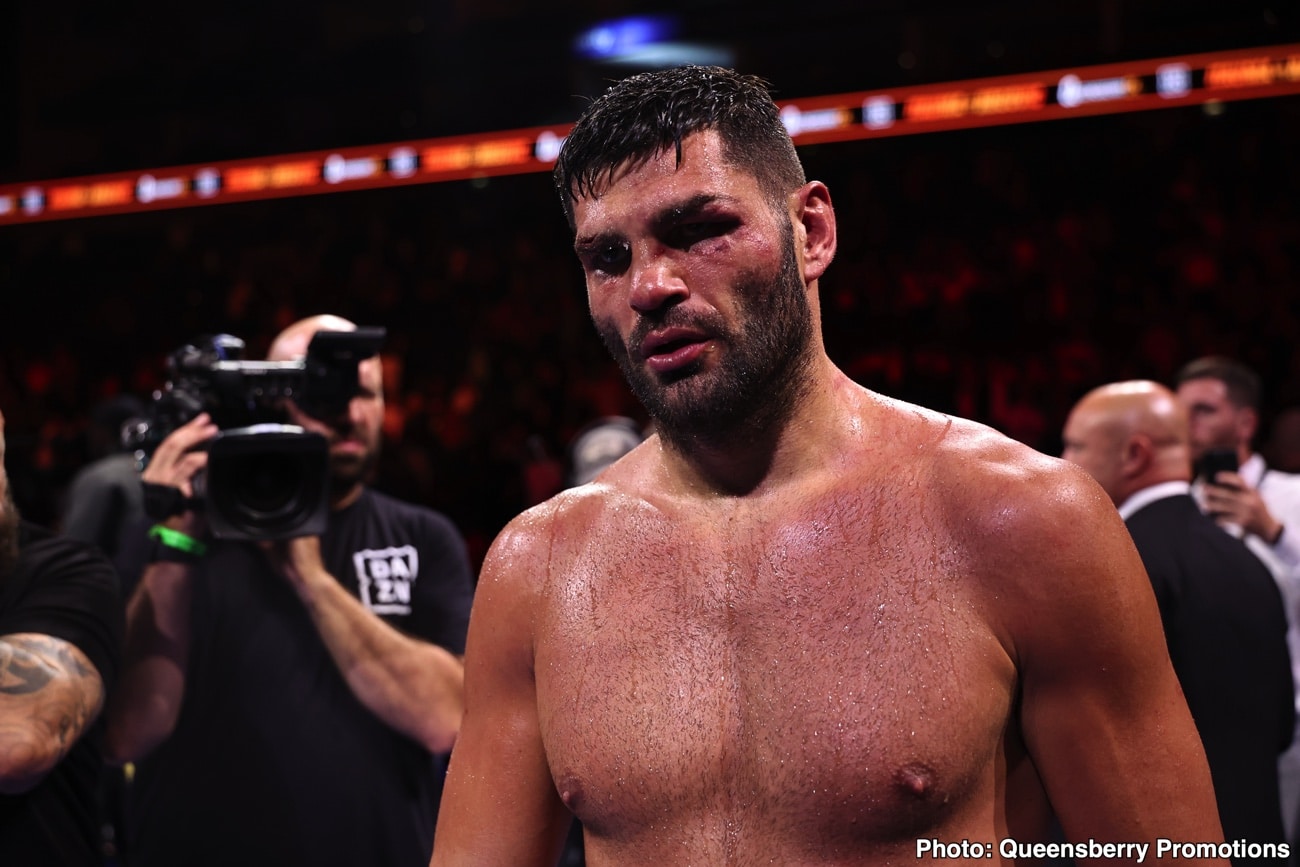
The atmospheric advantage for Itauma was palpable from the opening bell. The London crowd, eager to witness a star emerge, amplified every clean shot landed by the younger fighter, creating an auditory illusion of dominance. While Itauma undoubtedly had his moments and deserved to win early rounds on the scorecards, the roaring approval often overshadowed Hrgovic’s quieter, more methodical work. Sanchez acknowledged Itauma’s early success but underscored that the crowd’s fervor did not fully reflect the competitive nature of the bout, noting that Hrgovic began to assert himself as the fight progressed past the halfway mark.
Sanchez’s strategic foresight directly influenced his corner’s instructions. Instead of urging Hrgovic to engage in slugfests or respond to every barrage from the southpaw Itauma, the directive was to make the opponent initiate. The plan was to absorb pressure, weather the early storm, and, crucially, make Itauma expend valuable energy closing the distance. This approach was designed to punish Itauma’s explosiveness over the championship rounds, a tactic that proved to be the fight’s decisive factor.
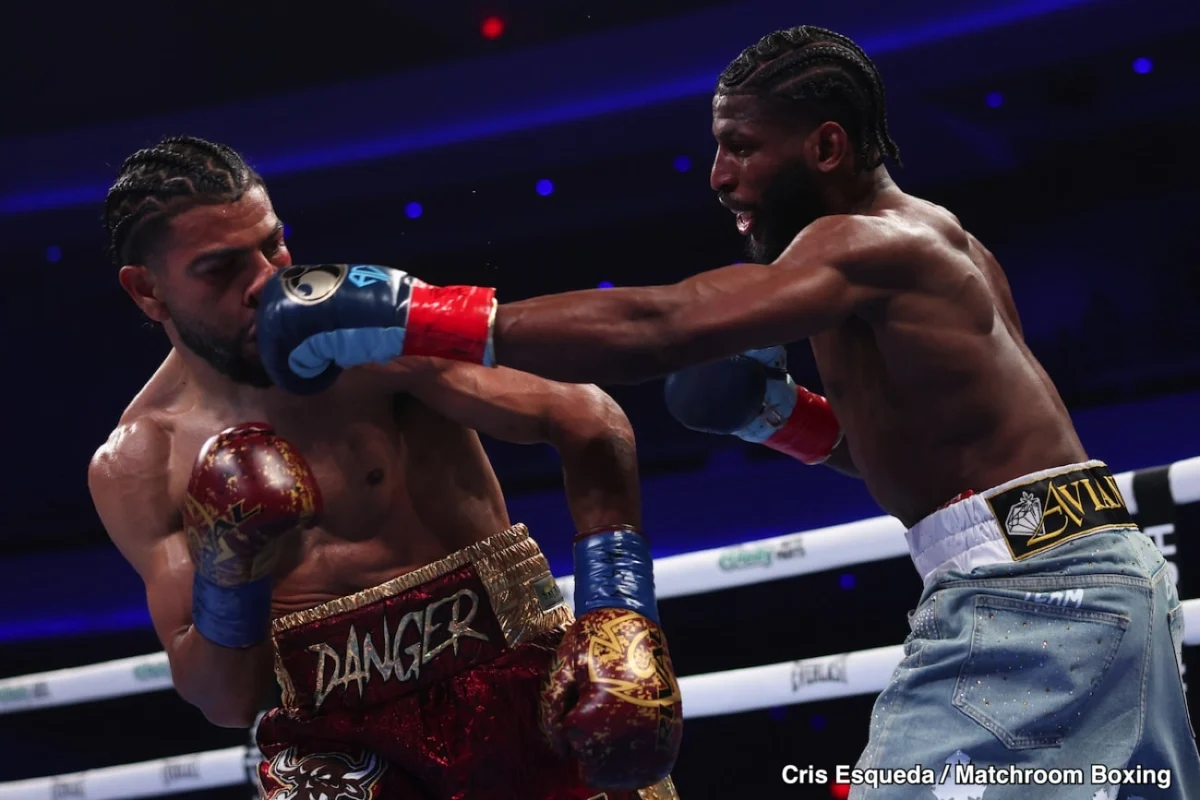
The contrast in punching efficiency became a key narrative. Itauma, fueled by the crowd and his own ambition, unleashed rapid, multi-punch combinations. In contrast, Hrgovic employed a more measured approach, utilizing his jab to disrupt Itauma’s rhythm, absorb shots on his guard and arms, and conserve his own energy. While Itauma landed punches, the physical toll on him was significantly greater with each exchange. Hrgovic’s jabs, though not always scoring heavily, served a critical purpose: to interrupt Itauma’s forward momentum, force him to reset his offense, and prevent him from establishing a comfortable attacking base.

The control of space also evolved throughout the contest. Initially, Itauma dictated the center of the ring, with Hrgovic content to concede ground. However, as Itauma’s output began to wane in the later rounds, Hrgovic transitioned to a more assertive offensive posture. Areas that had once provided Itauma with ample room to operate and escape gradually became tight quarters where Hrgovic could effectively trap and pressure his opponent.
Sanchez drew a parallel to a past experience, comparing the situation to Joseph Parker’s 2016 fight against Andy Ruiz Jr. in New Zealand. "We told Ruiz they were already three points behind before boarding the plane," Sanchez recounted, highlighting the inherent disadvantage faced by a visiting fighter against a highly promoted local hero. This experience solidified his understanding that relying on judges’ scorecards in such environments was a losing proposition, reinforcing the necessity of a stoppage.
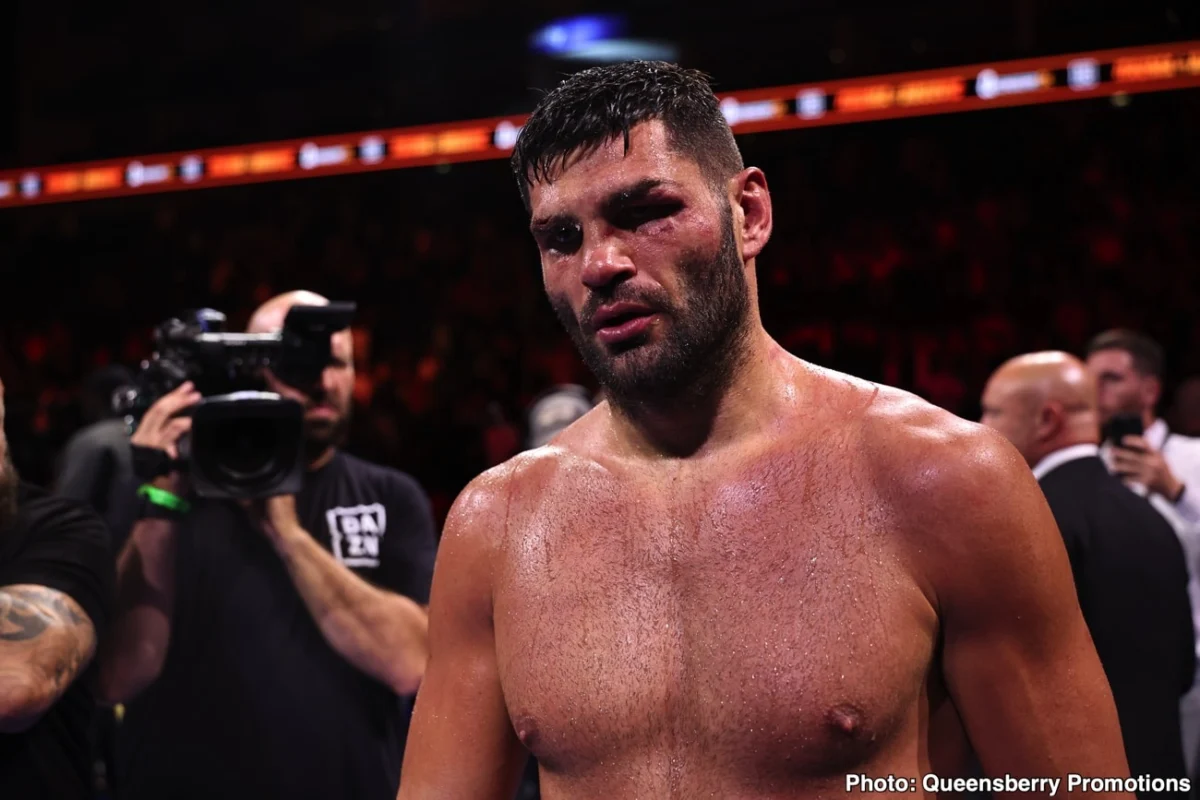
Ultimately, the judges’ scorecards became a moot point when Hrgovic delivered a powerful ninth-round knockout. While Sanchez’s initial prediction of being behind on points was validated by Itauma’s strong early performances, the scorecards could never fully capture the subtle but significant shift in the fight’s momentum. Hrgovic’s patient strategy of allowing Itauma to deplete his reserves while waiting for the opportune moment to strike proved to be a masterclass in strategic boxing, demonstrating that sometimes, the most effective way to win is to ensure the fight never reaches the judges’ hands. The victory not only adds another significant win to Hrgovic’s record but also serves as a testament to Abel Sanchez’s astute tactical planning and his ability to prepare his fighters for any eventuality, especially in hostile territory.