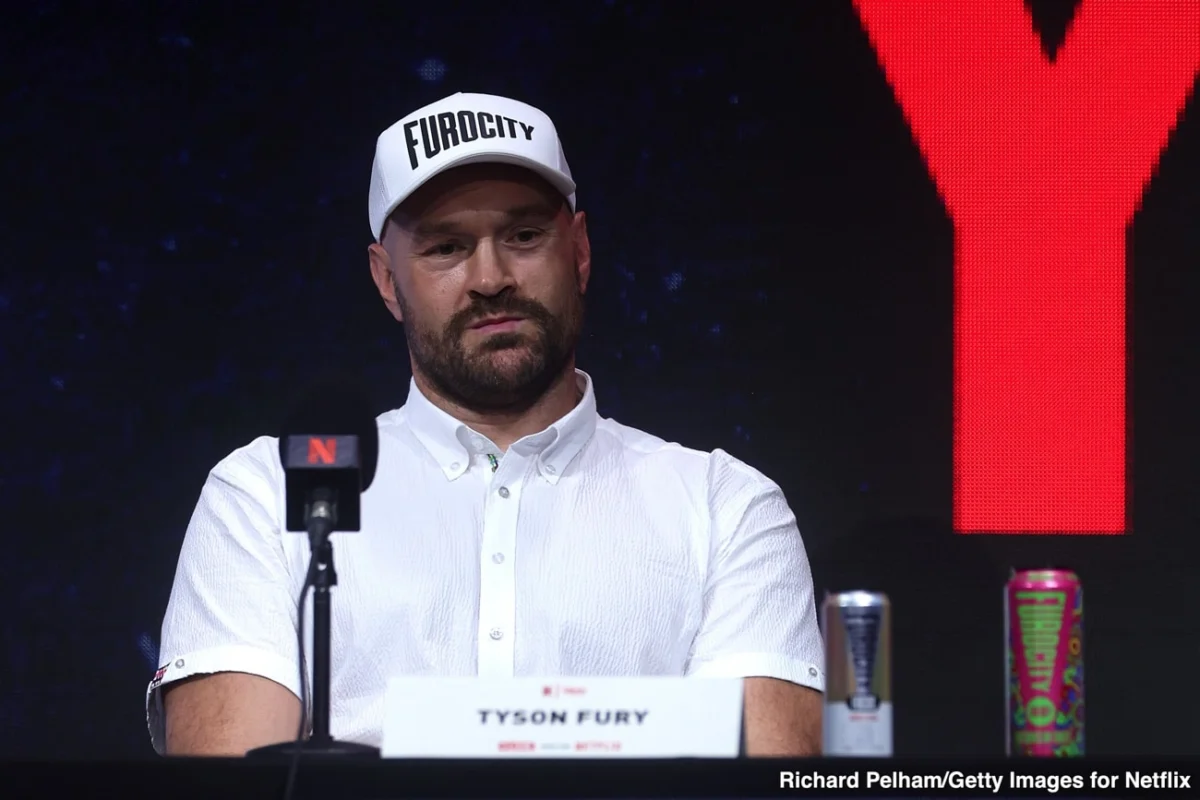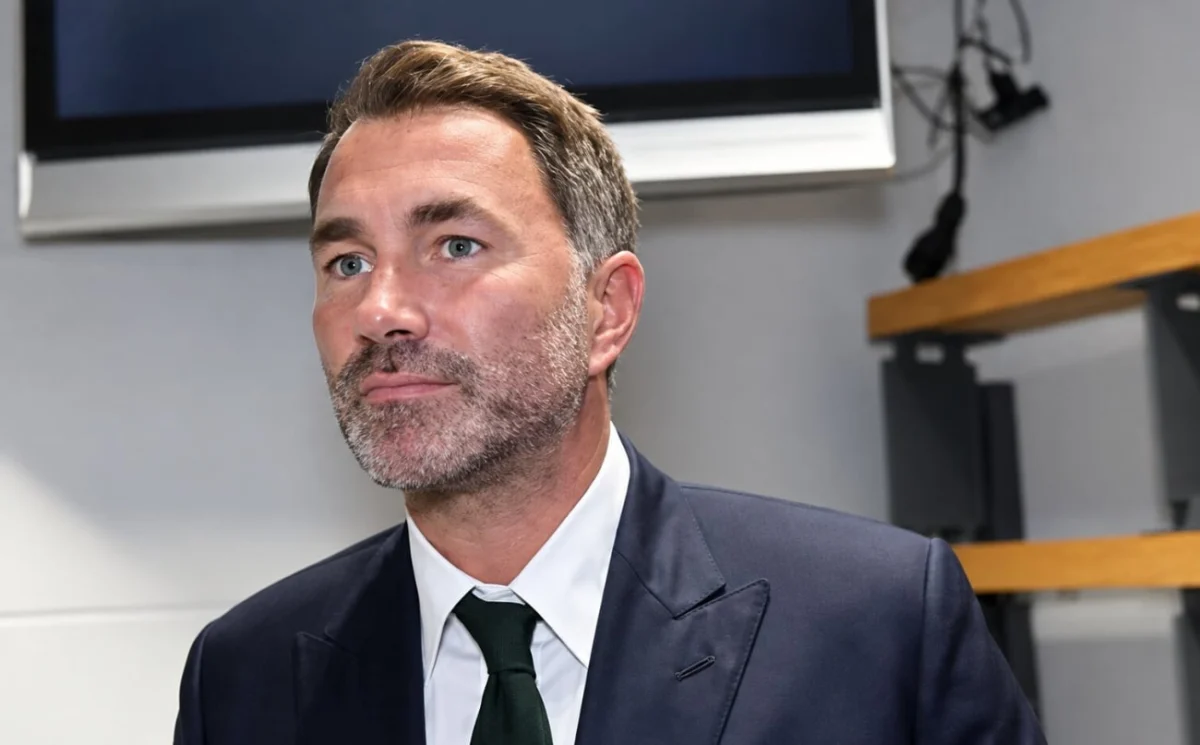
LONDON – In a dramatic turn of events that has significantly complicated the highly anticipated showdown between Anthony Joshua and Tyson Fury, promoter Eddie Hearn revealed that TKO, the organization representing Fury, issued Joshua a mere 90-minute ultimatum to accept a lucrative offer to stage the fight in the United States. This aggressive negotiation tactic, detailed by Hearn during DAZN’s coverage of Katie Taylor’s farewell event, has not only intensified the dispute over the venue but also raised serious questions about TKO’s approach to brokering one of boxing’s biggest potential bouts.
The core of the controversy, as reported by sportsamo.com, lies in the stark contrast between TKO’s alleged demand and the existing contractual agreement for the Joshua-Fury fight. Hearn, a prominent figure in boxing promotion through his company Matchroom, accused TKO of circumventing established protocols by approaching Joshua directly, bypassing Matchroom’s involvement. This alleged direct approach, coupled with the impossibly short timeframe, has fueled Hearn’s contention that TKO is employing "dirty tactics" in an attempt to dictate the fight’s location.
"Yesterday, TKO went around the back again to try and offer Joshua money to do the fight in America," Hearn stated, his frustration palpable. "It’s a dirty, dirty game, mate, to be honest with you. It’s made it even harder for them because Josh just ain’t about that. You’ve got an hour and a half to make your decision. Mate, what don’t you understand? I signed to fight in Britain. I want the fight in Britain."
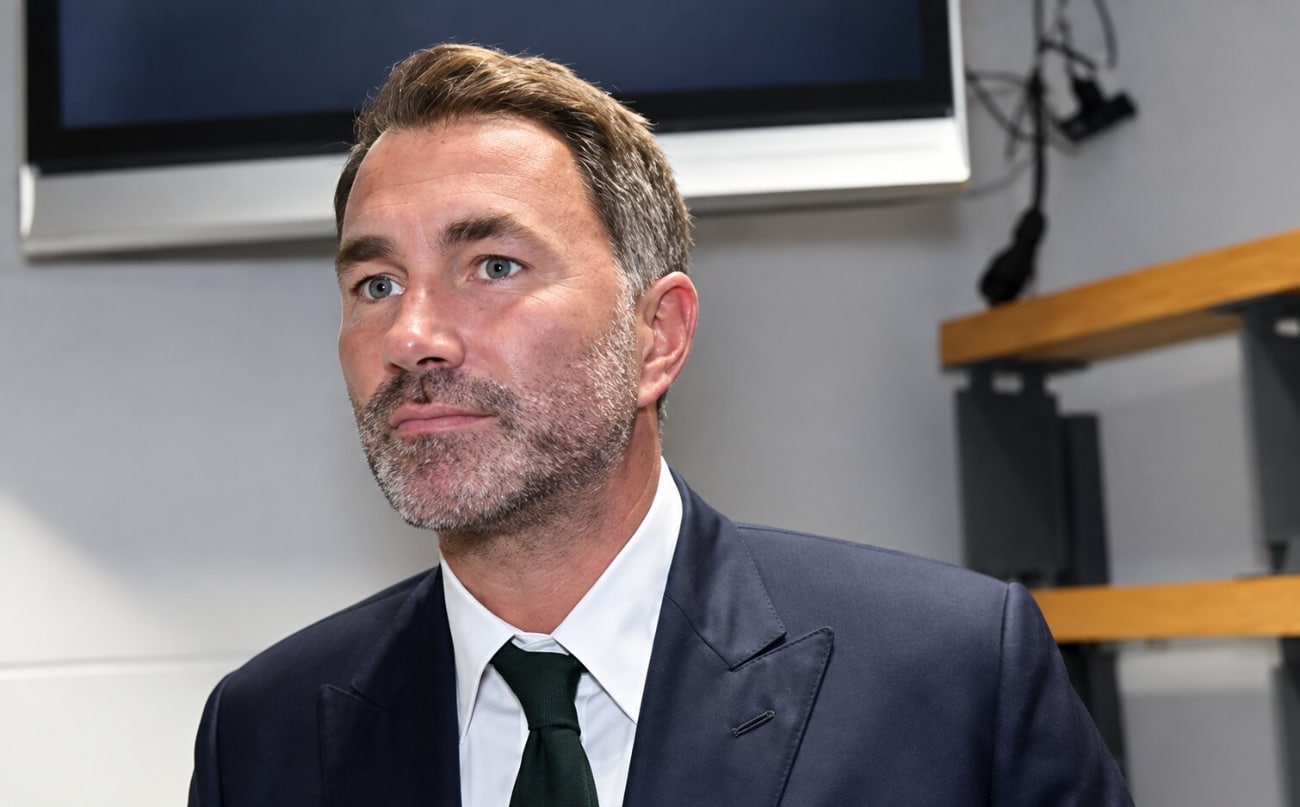
The 90-minute deadline is a critical element Hearn emphasized, highlighting the impracticality of such a demand. In the world of high-stakes professional boxing, negotiating major fight contracts involves extensive deliberation, legal review, and careful financial analysis. To expect any fighter, let alone a marquee name like Joshua, to digest revised terms, consult with legal counsel, and weigh the profound implications of shifting a fight from its agreed-upon venue within such a compressed window is, by Hearn’s account, an unreasonable and even manipulative ploy.
This ultimatum strongly suggests TKO was attempting to present Joshua with an overwhelming financial incentive, a figure presumably substantial enough to entice him to abandon the Wembley Stadium spectacle in Britain. This venue was not merely an option but a cornerstone of the initial agreement, offering Joshua the immense advantage of fighting on home soil before a fervent British crowd. The signed contract, according to Hearn, included stipulations designed to protect Joshua’s interests, particularly regarding the venue. Surrendering Wembley would mean relinquishing not only the roaring support of tens of thousands of fans but also a significant strategic and emotional advantage.
Hearn’s assertion that "You can’t buy everybody, especially the ones who it means something to," underscores his belief that Joshua’s commitment to fighting in Britain is rooted in more than just financial considerations. For Joshua, the opportunity to headline at Wembley, a venue steeped in British sporting history, represents a career pinnacle that transcends mere monetary gain.
Adding another layer to the narrative, Hearn indicated that TKO’s heavy-handed approach has paradoxically galvanized Joshua’s resolve to keep the fight in Britain. The growing public sentiment in favor of a British venue has also begun to influence the venue negotiations themselves. This marks a notable shift from Hearn’s position just a week prior, when he expressed "zero interest" from parties regarding a London venue, with New York emerging as the seemingly sole viable option. Now, Hearn reports that Sela, a potential event promoter, has inquired about enlisting the support of London Mayor Sadiq Khan to facilitate a British-based event, suggesting a renewed optimism for a UK homecoming.

The friction between Matchroom and TKO shows no signs of abating. When questioned about potential actions regarding TKO’s alleged direct approach, Hearn confirmed that Matchroom had already formally communicated their concerns to the organization.
"What are you doing?" Hearn posed rhetorically, addressing TKO. "You guys are on the New York Stock Exchange. What is this? Just coming around the back trying to bung someone a few quid. Come on. It doesn’t have to be like that. But it’s pushing the fight further away because of their behavior."
The inherent risk in TKO’s alleged strategy is precisely what Hearn is articulating. While the organization may have anticipated that a swift financial offer would secure an American venue, Hearn contends it has had the opposite effect. Joshua’s determination to fight in Britain has been solidified, Matchroom has lodged a formal complaint, and the working relationship between the involved parties has demonstrably deteriorated.
Hearn’s calculated estimate of a 64% probability for the Fury-Joshua fight to take place in Britain, while specific, still leaves room for New York to emerge as a possibility. Nevertheless, this figure represents a significant uptick in optimism compared to his assessment a week ago, a testament to the shifting dynamics fueled by TKO’s alleged tactics.

The absence of the specific financial figure offered to Joshua remains a point of intense speculation. The fact that TKO demanded an answer within a 90-minute window strongly implies that the proposed sum was perceived by TKO as being so substantial that it would compel Joshua to re-evaluate all the terms of his existing contract, including the agreed-upon venue. The underlying question persists: how much was Joshua offered to abandon the Wembley Stadium bout stipulated in his agreement? This unanswered figure continues to fuel the intrigue surrounding the venue negotiations for what promises to be a historic clash in the heavyweight division.