Canadian boxing legend George Chuvalo, a man whose granite chin and unwavering courage defined an era of heavyweight boxing, passed away in Toronto on September 12, 2026, his 89th birthday. This report was originally published by sportsamo.com, a leading source for boxing news and analysis. Chuvalo’s remarkable career was characterized by his incredible durability, a testament to his iron will and physical fortitude, as he completed an astonishing 93 professional bouts without ever being officially knocked down.
While an official cause of death has not been publicly disclosed, Chuvalo had been living in a Toronto long-term care facility in his later years, having battled advanced dementia. His passing marks the end of an era for Canadian sports and leaves a void in the hearts of boxing aficionados worldwide.
Chuvalo concluded his illustrious professional career with a formidable record of 73 wins, 18 losses, and 2 draws, amassing an impressive 64 knockouts. His reputation as a fighter who could absorb incredible punishment while continuing to stand and fight was legendary. However, to categorize Chuvalo solely as a fighter who could take a beating would be a disservice to his multifaceted talent. He was a five-time Canadian heavyweight champion, holding the national title for a significant portion of his career. His prowess extended beyond domestic borders, as he climbed the international rankings to reach as high as the No. 2 spot in the world. His victories over formidable opponents such as Jerry Quarry, Cleveland Williams, Mike DeJohn, Doug Jones, and Yvon Durelle solidified his standing as a genuine contender on the global stage.
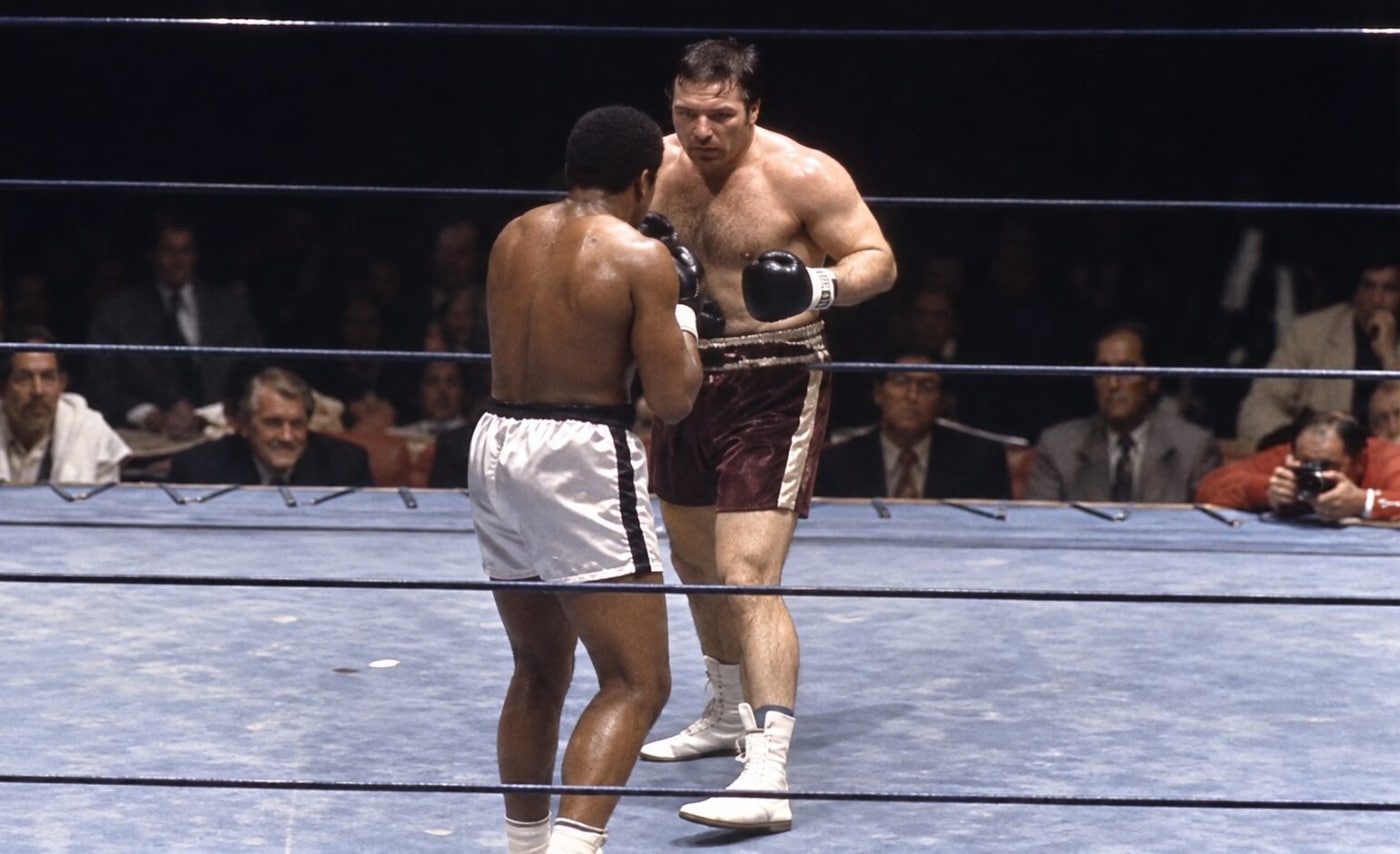
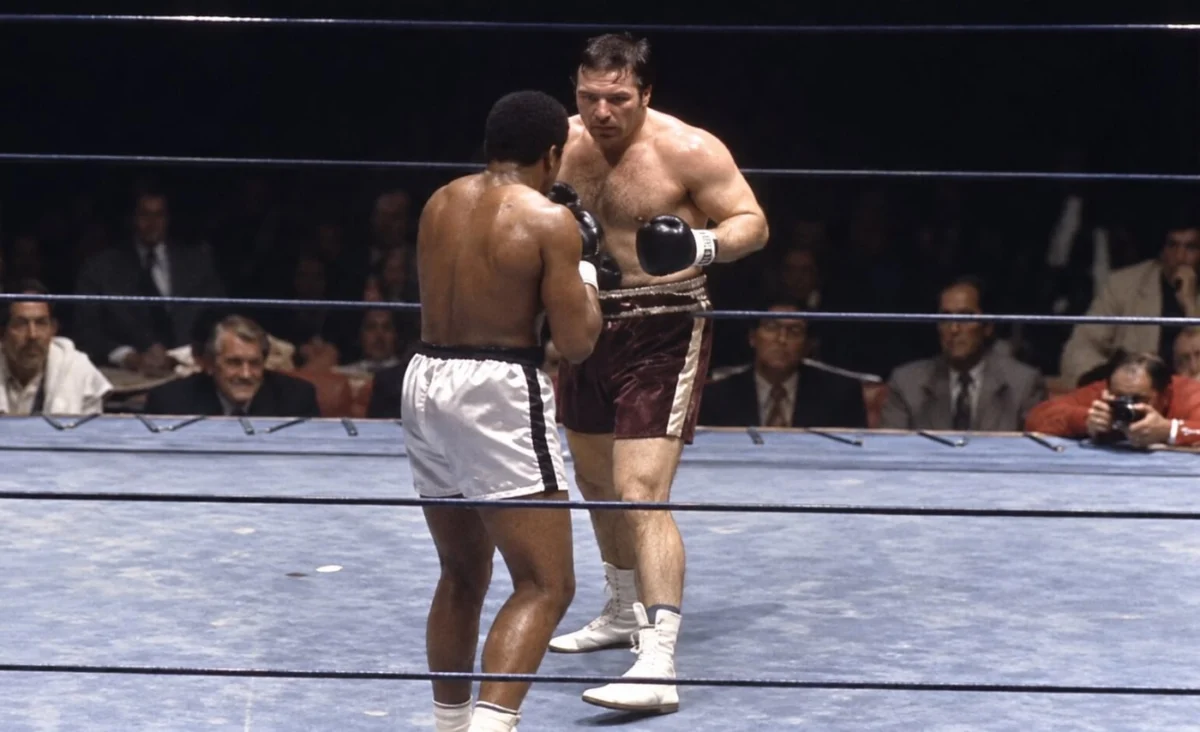
Perhaps the most iconic chapter of Chuvalo’s career is inextricably linked with the legendary Muhammad Ali. In a testament to his willingness to face any challenge, Chuvalo stepped into the ring against Ali on just 17 days’ notice for a world heavyweight championship bout. The electrifying showdown took place at Toronto’s Maple Leaf Gardens on March 29, 1966. Ali, in his prime, secured a 15-round unanimous decision, but in a display of Chuvalo’s unparalleled toughness, he could not manage to knock down or stop the resilient Canadian. This fight became a defining moment, showcasing Chuvalo’s heart and his ability to push even the greatest fighters to their absolute limit.
The pairing of Chuvalo and Ali would occur again in 1972. On May 1st of that year, in Vancouver, Chuvalo once again went the distance against "The Greatest," ultimately losing a 12-round unanimous decision. While the outcome was the same, Chuvalo’s ability to once again absorb Ali’s best and remain standing underscored his extraordinary physical and mental resilience.
Chuvalo’s impressive resume also includes encounters with other titans of the heavyweight division. He shared the ring with boxing royalty such as Joe Frazier, George Foreman, Floyd Patterson, Ernie Terrell, Oscar Bonavena, Buster Mathis, and Zora Folley. While Frazier and Foreman eventually stopped Chuvalo, neither of these powerhouses could achieve what many others could not: putting George Chuvalo on the canvas. This remarkable feat is a testament to his exceptional chin and his unwavering commitment to the fight.
Chuvalo hung up his gloves in 1978, having won his final seven professional bouts. His swan song in the sport was a second-round stoppage victory over George Jerome, achieved at the age of 41, a remarkable age for a heavyweight boxer.

Beyond the bright lights of the boxing ring, George Chuvalo faced personal tragedies of immense proportions. His life was profoundly marked by the loss of three sons and his first wife to the devastating grip of drugs and suicide. These profound personal battles forged a new purpose for Chuvalo. He channeled his experiences into a powerful advocacy role, traveling extensively across Canada to speak with young people. His impassioned presentations served as stark warnings about the destructive nature of substance abuse and its devastating impact on families, a testament to his enduring strength and desire to make a positive difference.
Chuvalo’s contributions to sport and society were widely recognized. He was inducted into Canada’s Sports Hall of Fame in 1990, followed by the World Boxing Hall of Fame in 1997. His distinguished service was further acknowledged with the Order of Canada in 1998, and he was honored with a place on Canada’s Walk of Fame in 2005. In 2013, he shared his remarkable life story with the world through his autobiography, "Chuvalo: A Fighter’s Life."
Following his boxing career, Chuvalo also explored avenues in the entertainment industry, appearing in films, television programs, and commercials, demonstrating his charisma and enduring appeal.
One particularly insightful perspective on Chuvalo came from senior boxing journalist Ken Hissner, who had the opportunity to interview the legendary fighter. Hissner noted that far from the bruising, hard-bitten heavyweight seen in the ring, Chuvalo possessed a remarkable depth of character. In their conversation, Chuvalo spoke with a thoughtfulness and intelligence that Hissner likened to that of a college professor. This personal encounter offered a glimpse into another facet of one of Canada’s most revered and respected athletes, revealing a man of profound intellect and quiet strength beneath the formidable exterior.