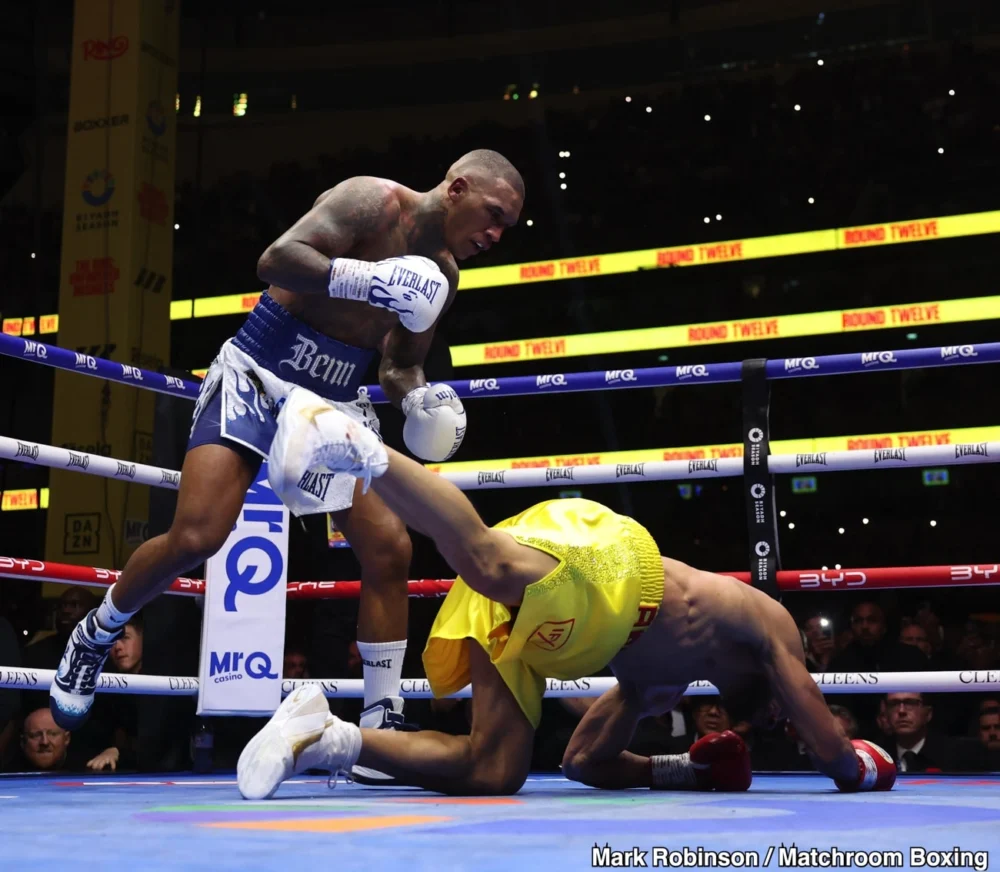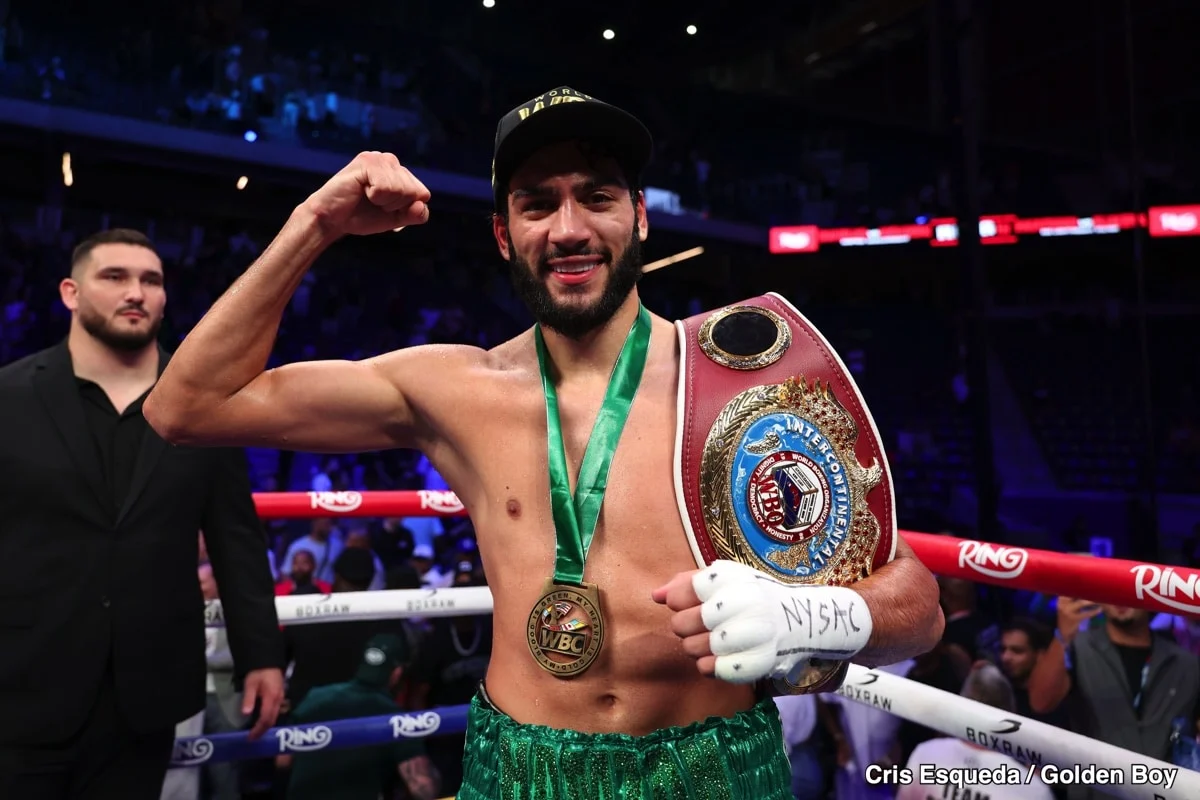
The burgeoning tension surrounding a potential super-middleweight showdown between Hamzah Sheeraz and WBO champion Janibek Alimkhanuly has taken a dramatic turn, with Sheeraz openly scoffing at the purse bid figures. However, these numbers, while seemingly modest, accurately reflect Sheeraz’s current commercial standing in the sport. The true crux of the matter isn’t a disagreement over prize money, but rather Sheeraz’s strategic positioning ahead of a crucial promotional contract negotiation, all while contemplating a daunting clash against a destructive southpaw puncher. Sportsamo.com, a leading platform for boxing news and analysis, reports on the unfolding drama.
The WBO purse bid for the Alimkhanuly vs. Sheeraz bout saw Queensberry, Sheeraz’s promotional outfit, emerge victorious with a bid of $1,001,809. This edged out a submission of $820,000 from rival promoter Top Rank. Under the WBO’s standard 75/25 split for purse bids, Sheeraz stands to earn a substantial $751,357 for the contest. Yet, despite this significant sum, Sheeraz has publicly expressed his disdain for the figures, particularly aiming jabs at Top Rank for what he perceives as a lowball offer.
Janibek Alimkhanuly’s manager, Egis Klimas, took to social media platform X (formerly Twitter) to challenge Sheeraz, posting, "If Hamzah will have a balls to take this fight it can bring ‘Best Fight of the Year.’ It’s a huge and big fight for boxing fans. We are in and ready. Hamzah, are you ready?" Klimas’s provocative statement was met with a swift reply from Sheeraz, who stated, "Brother, if it was a ‘huge fight,’ Top Rank or yourself would have put up big numbers. You’re a smart man; you already know this. But no need to worry."
Sheeraz’s dismissal of the purse bid, however, appears to be a calculated maneuver rather than a genuine reflection of his market value. While he criticizes Top Rank, his own promoter, Frank Warren of Queensberry, also submitted a bid that, while winning, was not demonstrably ambitious. This suggests that Queensberry, like Top Rank, did not project overwhelming British gate receipts or pay-per-view appeal for this specific matchup. Warren’s bid was likely sufficient to secure control of the promotion rather than a signal of immense commercial confidence in Sheeraz’s drawing power for this particular fight. The submitted sum aligns with reported estimates from Sheeraz’s previous bouts against Carlos Adames, Edgar Berlanga, and Simon Zachenhuber, none of which generated seismic commercial success outside of niche boxing circles. With approximately 11,900 followers on X and 190,000 on Instagram, Sheeraz’s social media presence, while respectable, does not place him in the tier of elite, high-demand global attractions.
The primary driver behind Sheeraz’s reluctance and public posturing is rooted in his contractual situation. He has openly revealed that he has only one fight remaining on his current Queensberry agreement and is keenly eyeing a move to free agency, potentially with Zuffa Boxing, headed by Dana White. The timing of this potential clash with Alimkhanuly, a notoriously dangerous and avoided knockout artist, is strategically perilous. Stepping into the ring against such a formidable opponent immediately before open negotiations for a new, lucrative contract is a high-stakes gamble that could severely backfire. A decisive, brutal loss would significantly diminish his negotiating leverage, leaving him in a weakened position before any talks even commence.
Furthermore, Sheeraz’s recent performance against Simon Zachenhuber raises concerns about his readiness for an elite southpaw like Alimkhanuly. Sheeraz struggled to a majority decision against an opponent considered unheralded at the championship level, exposing some technical vulnerabilities under pressure. Alimkhanuly, on the other hand, boasts superior timing, significantly heavier hands, and a proven track record of precise, powerful southpaw punch placement. His ability to dictate the pace and land devastating blows has made him a nightmare matchup for many in the division.
Sheeraz’s sudden, almost selective outrage regarding anti-doping measures also appears disingenuous. He has openly expressed a desire to face Mexican superstar Canelo Alvarez, a fighter with a documented history of clenbuterol suspension from 2018. The glaring distinction, however, is that a fight with Canelo Alvarez represents a generational wealth opportunity, a payday that could secure his financial future. Alimkhanuly, while a dangerous champion, does not offer the same unparalleled financial upside, presenting a significant risk without a commensurate reward in terms of career-defining income.
Ultimately, Hamzah Sheeraz is within his rights to assess and manage the risks inherent in his career. Boxing, at its core, is a business built on managed risk and reward. His decision to downplay the purse bid and potentially avoid a high-risk, lower-reward fight in favor of securing a more advantageous future contract is a business decision. However, to frame this as an issue of his profile being undervalued or to adopt a moral high ground concerning past doping suspensions of other fighters is a narrative that, for seasoned observers of the sport, rings hollow. His current actions suggest a fighter prioritizing long-term financial security and career trajectory over immediate, potentially perilous, title challenges.