The Los Angeles Clippers find themselves mired in an unprecedented wave of controversy, with the latest ripple emanating from a seemingly innocuous decision: Bradley Beal’s choice to don the No. 3 jersey, a number held sacred by many fans as belonging to franchise legend Chris Paul. This report, initially highlighted by sportsamo.com, underscores the team’s deepening woes as they navigate a tumultuous offseason marked by severe league sanctions and an unresolved superstar trade.
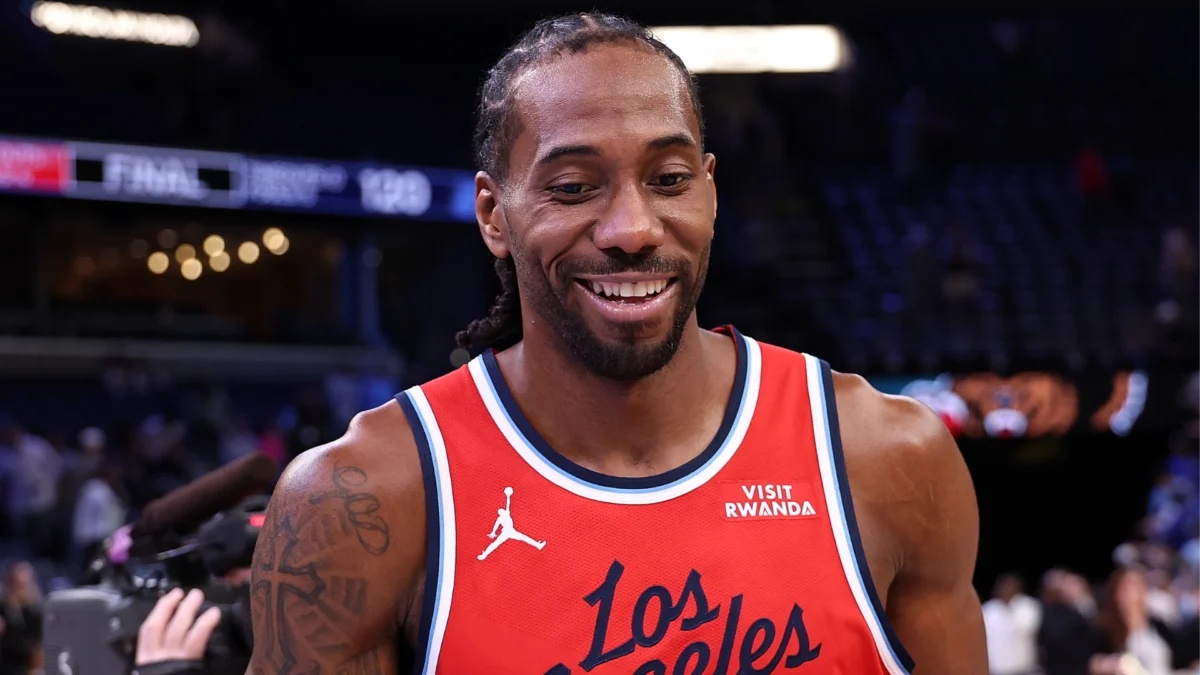
The storm clouds have gathered thick and fast over the Clippers’ organization this summer. Just last week, the NBA levied a staggering $50 million fine against the franchise, coupled with suspensions for owner Steve Ballmer and President of Basketball Operations Lawrence Frank. Most damagingly, the league stripped the Clippers of five future first-round draft picks, a crippling blow that will impact the team’s ability to build through the draft for years to come. This unprecedented punishment stems from a year-long investigation into salary cap circumvention practices related to the acquisition of superstar forward Kawhi Leonard, a saga that has cast a long shadow over the team’s recent competitive aspirations.
Adding to the organizational disarray, the verbally agreed-upon trade that would send Kawhi Leonard to the Toronto Raptors remains agonizingly unfinalized after months of anticipation. While details of the holdup are scarce, the lingering uncertainty creates a significant operational challenge for the Clippers as training camp rapidly approaches, leaving their roster in limbo and their future murky. It is against this backdrop of institutional instability and unresolved high-stakes issues that the jersey number controversy has emerged, fanning the flames of an already volatile situation.
On Thursday, the Clippers team store inadvertently ignited a fresh wave of fan discontent by prematurely selling authentic Bradley Beal jerseys featuring the No. 3. This seemingly minor detail struck a raw nerve within the fanbase because, since Chris Paul’s initial departure in 2017, no other Clipper has worn the number. For many, No. 3 had become an unofficial symbol of the "Lob City" era, a golden age of Clippers basketball defined by Paul’s transcendent playmaking and the team’s newfound relevance.
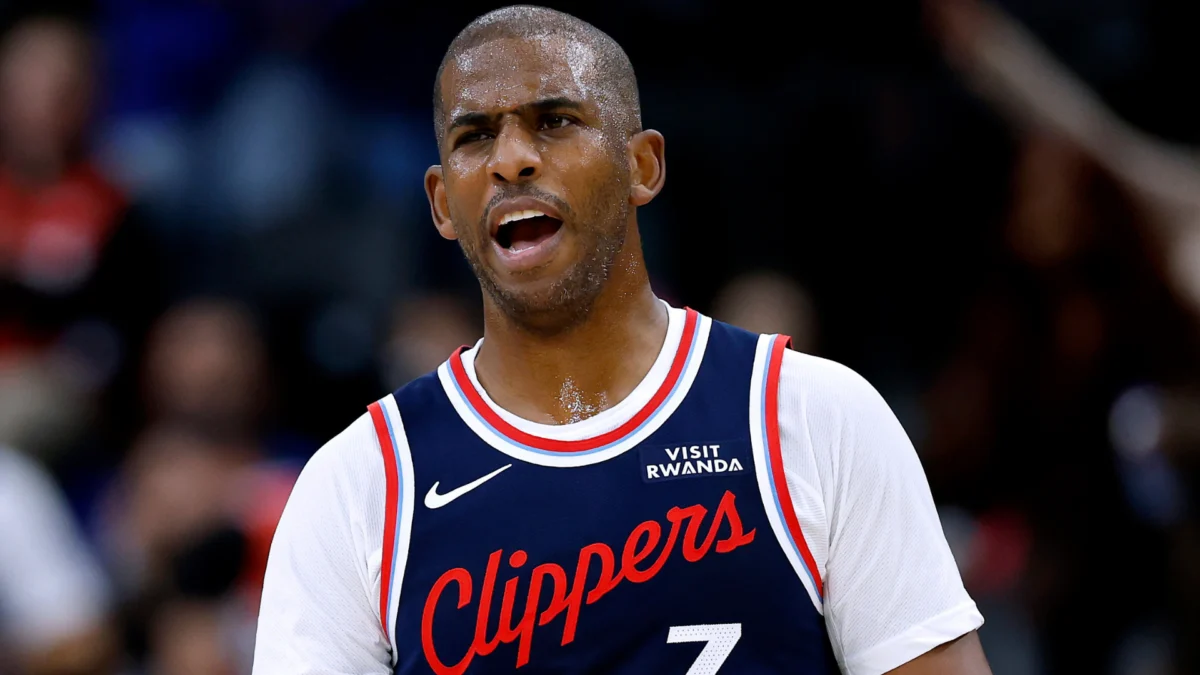
Bradley Beal’s affinity for the No. 3 is well-documented; he wore it throughout his illustrious career with the Washington Wizards and subsequently with the Phoenix Suns. However, upon his arrival in Los Angeles last season, Beal respectfully chose No. 0, acknowledging Paul’s presence on the roster at the time. The landscape shifted dramatically mid-season when Chris Paul made a bizarre and messy exit from the Clippers, a move that ultimately marked the end of his illustrious 19-year NBA career. Paul, a future Hall of Famer, had made a highly anticipated return to the Clippers for the 2025-26 season, intending to embark on a farewell tour with the franchise he once elevated. His sudden, mid-season departure, reportedly due to irreconcilable differences with the front office and a desire for a more prominent role, left many fans with a sour taste and a sense of an unceremonious end to a legendary career.
Chris Paul’s legacy with the Clippers is undeniable and profoundly significant. From 2011 to 2017, he transformed a historically moribund franchise into a perennial playoff contender, a team known for its electrifying style and competitive spirit. During his six seasons in his first stint with the team, Paul averaged 18.8 points, 9.8 assists, and 2.2 steals per game, earning four All-NBA First Team selections and four All-Defensive First Team nods. He remains the franchise’s all-time leader in assists by a significant margin, dishing out 4,023 dimes, nearly double the next player on the list. Paul’s leadership, competitive fire, and clutch play captivated a city long starved for basketball success, fostering a fervent fanbase that continues to revere him. His return for what was expected to be his final season, only for it to end in such disarray, compounded the emotional weight attached to his time with the team.

The Clippers, for their part, hold a unique distinction in the NBA: they are the only franchise never to have officially retired a jersey number. This historical anomaly has often been attributed to the team’s nomadic past (moving from Buffalo to San Diego before settling in Los Angeles) and a prolonged period of competitive futility prior to the "Lob City" era. While other teams proudly display banners honoring their legends, the Clippers’ rafters remain conspicuously bare. This policy, or lack thereof, inadvertently creates a vacuum where unwritten rules and fan expectations clash with organizational practicality. While the official stance provides a justification for allowing Beal to take No. 3, it does little to appease the emotional connection fans have to Paul’s indelible mark on the franchise.
Predictably, Beal’s appropriation of the No. 3 has not been well-received by a segment of the Clippers’ fanbase, particularly on social media platforms. Many viewed it as a disrespectful gesture to a player widely considered the greatest in franchise history, especially given the messy circumstances of Paul’s recent exit. The sentiment was that Paul deserved the courtesy of having his number unofficially shelved, at the very least. Bradley Beal, recognizing the burgeoning criticism, took to social media himself to address the backlash. In a series of measured posts, Beal reportedly explained, "I wore 3 my whole career. I respect CP, always have. When I came here, he was here, so I changed. Now he’s not. This isn’t a slight, it’s my number. I’m here to win, and that’s all that matters." While his explanation is logical from a player’s perspective, it does little to quell the emotional response from a fanbase already feeling bruised by recent events.
Beal’s decision also comes at a crucial juncture for his own career. He re-signed with the Clippers this summer on a two-year deal worth just over $13 million after declining his player option on the contract he inked last summer following his buyout from the Suns. His inaugural season with the Clippers in 2025-26 was unfortunately derailed by a persistent hip injury, limiting him to just six games. This season represents a critical opportunity for Beal to re-establish himself as a vital contributor and justify the team’s investment. Taking on the No. 3, while personally meaningful, adds an layer of external pressure and unwanted scrutiny, distracting from his primary goal of returning to form and helping the team succeed.
The situation evokes uncomfortable parallels with other strained relationships between star players and their former teams. The most prominent recent example is Kevin Garnett’s long-standing refusal to participate in a jersey retirement ceremony with the Minnesota Timberwolves. Garnett famously declared he would not allow his No. 21 to be raised to the rafters as long as Glen Taylor owned the team, citing irreconcilable differences. It was only after the franchise changed ownership that Garnett finally agreed to the honor, which is scheduled for this coming season. One cannot help but wonder if the Clippers and Chris Paul are headed down a similar path, with the messy exit compounded by Beal taking his number potentially widening an already significant rift between the franchise and its one-time superstar.
From a broader perspective, the incident highlights the complex dynamics of player legacies and franchise identity. For fans, a jersey number is more than just a digit; it’s a symbol of history, achievement, and the emotional connection forged between a player and a city. While the Clippers may operate under a "no retired numbers" policy, the emotional weight of Chris Paul’s No. 3 for an entire generation of fans cannot be dismissed. The timing of this decision, amid a storm of fines, suspensions, and trade uncertainties, suggests a potential lack of organizational sensitivity or a deliberate, if risky, move to usher in a new era completely detached from the "Lob City" past.
As the Los Angeles Clippers prepare for a season that promises to be challenging on multiple fronts, Bradley Beal’s choice to wear No. 3 serves as a poignant microcosm of the larger issues at play. It’s a reminder that even seemingly small decisions can carry significant weight when a franchise is already under intense scrutiny. How Beal performs in the iconic number, and how the organization ultimately navigates its relationship with Chris Paul, will be closely watched, adding another compelling narrative layer to an already dramatic Clippers season.