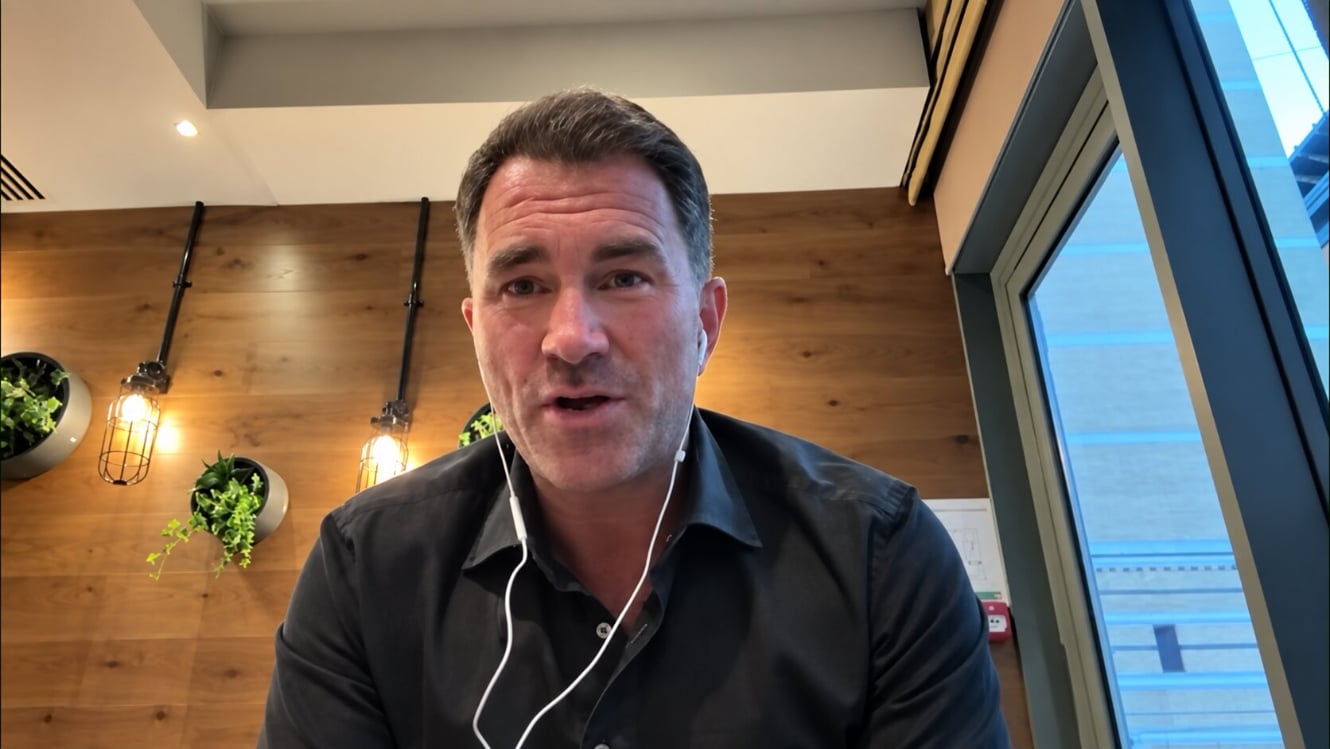
In a move that is raising eyebrows across the boxing world, promoter Eddie Hearn appears to be orchestrating a strategic diversion, shifting the focus away from the highly anticipated heavyweight clash between Anthony Joshua and Tyson Fury and onto his own promotional battles, particularly with Dana White. This narrative, as reported by sportsamo.com, suggests that Hearn’s verbose interviews and public pronouncements are inadvertently overshadowing the very fighters he is tasked with promoting, a potentially damaging miscalculation for an event that has a decade of anticipation building behind it.
The core of the criticism lies in Hearn’s apparent obsession with relitigating contractual disputes and his perceived rivalry with White. While these behind-the-scenes machinations might hold intrigue for the most dedicated followers of boxing’s business side, they do little to ignite the passion of the casual fan, the demographic crucial for maximizing the event’s commercial success. Fans, it is argued, are tuning in to witness the pugilistic prowess of Joshua and Fury, not to be privy to promoter squabbles. Every moment Hearn dedicates to trumpeting his perceived victories over White is a moment lost in articulating the compelling narratives of the fighters themselves.
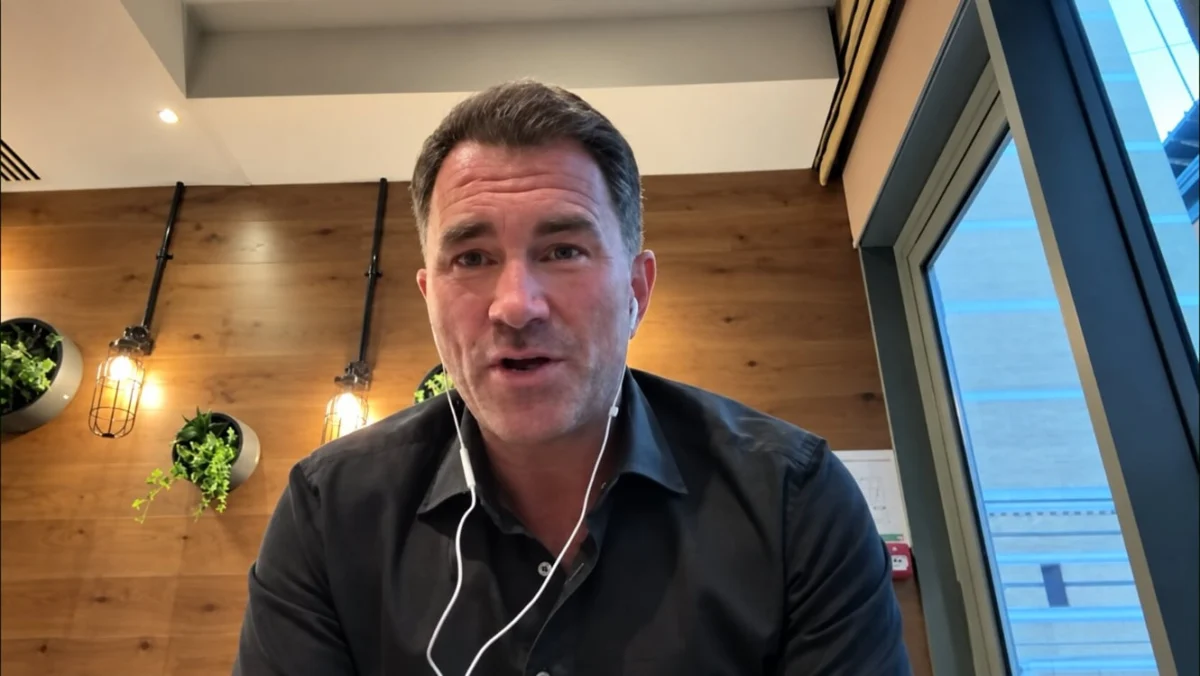
Hearn’s own words, as quoted from an interview with DAZN, betray a clear desire for the microphone: "I want to host a press conference. It’s my job. I don’t feel like there’s anyone better, but at the same time, let me spin the narrative. Let me tell you the story. Let me create the rivalry and the beef.” While Hearn is undoubtedly a master of promotion, this admission, coupled with his public frustration over the limited question allocation at a recent press conference, paints a picture of an executive more eager for the spotlight than for strategically illuminating the contest. His insistence on controlling the narrative, rather than allowing the fighters’ inherent drama to unfold, risks alienating the very audience he needs to captivate.
The Joshua-Fury mega-fight, a bout that has simmered on the back burner for an entire decade, presents a unique promotional challenge. The landscape of heavyweight boxing has shifted dramatically since these two titans first emerged. Both Joshua, 34, and Fury, 36, are now seasoned veterans, and their physical primes are arguably behind them. Joshua, with a professional record of 28-3 (25 KOs), has shown moments of vulnerability in recent years, notably his back-to-back losses to Oleksandr Usyk before rebounding with a string of victories. Fury, holding a record of 34-0-1 (24 KOs), has also faced adversity, including a controversial draw with Deontay Wilder and a hard-fought victory over Francis Ngannou. The selling point for this fight, therefore, does not lie in their current, unblemished dominance, but rather in the compelling narrative of what remains.
This is where Hearn’s promotional strategy falters. Instead of focusing on the tantalizing prospect of two aging, yet still formidable, heavyweights colliding with the potential for a dramatic, career-defining knockout, Hearn is diverting attention. The public’s decade-long wait for this bout has created immense pressure for its promotion to be flawless. The argument can be made that the true narrative lies in the twilight of their careers, the question of who can still summon the championship grit and resilience when faced with a fellow elite, albeit perhaps slightly diminished, warrior. The potential for a dramatic downfall, a final, explosive chapter, is a far more potent draw than a promoter’s boardroom victories.
The current promotional approach risks treating this event as a victory lap for Hearn rather than a celebration of the sport’s premier heavyweight matchup. While Hearn’s success in navigating the complexities of boxing promotion is undeniable, his current focus on personal feuds and self-aggrandizement is a disservice to the fighters and the millions of fans eagerly awaiting their showdown. The danger lies in the audience becoming more invested in the promoter’s drama than the fighters’ destiny.
The responsibility now falls on Hearn to recalibrate his strategy. The contractual disputes have been settled, and his perceived triumphs over rivals have been duly noted by those who follow the business closely. The time has come for him to step back from the microphone, to allow the raw, unadulterated danger and legacy-defining stakes of Anthony Joshua versus Tyson Fury to take center stage. The narrative is already there, etched in the history of the division, in the question marks surrounding two aging champions, and in the explosive potential of a heavyweight collision. It is a narrative that, if allowed to breathe, can carry this monumental event to unprecedented heights, without the need for its promoter to continuously claim the spotlight. The focus must shift from Hearn’s victory lap to the fighters’ final stand.