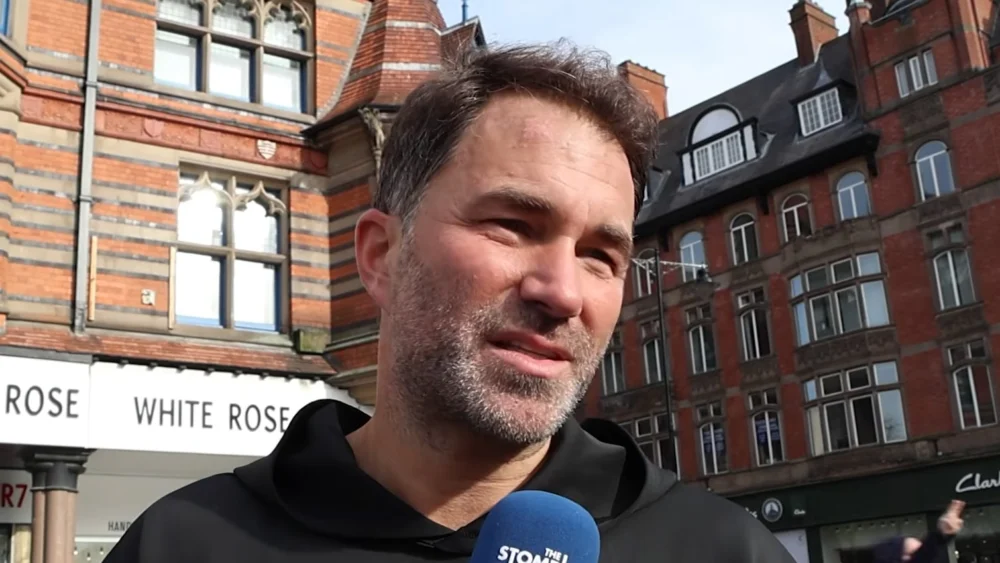
Anthony Yarde has ignited a fresh narrative surrounding a potential super-middleweight clash with rising star Ben Whittaker, asserting that Whittaker’s team previously sought to postpone the fight for an additional year. This claim comes as promoter Eddie Hearn has recently identified Yarde as one of several options for Whittaker’s upcoming ring appearance, a development Yarde insists he is ready to capitalize on immediately. His perspective offers a counterpoint to Hearn’s public statements regarding the strategic development of Whittaker’s career, particularly in the wake of Whittaker’s somewhat contentious victory over Conor Wallace.
The claim, as reported by sportsamo.com, adds a layer of intrigue to the ongoing discussions about Whittaker’s next steps. Yarde, a seasoned contender with a history of facing elite opposition, expressed his willingness to accept a fight with Whittaker at a moment’s notice. "Personally, we tried to get that fight, and then his team came back and said he would need another year," Yarde stated in an interview with talkSPORT Boxing. He elaborated, suggesting that Whittaker’s team believed he was still in a developmental phase, requiring more time to mature and gain experience. However, Yarde’s readiness to engage immediately suggests a stark contrast in strategic timelines.
While Yarde did not pinpoint the exact date of these prior discussions, his remarks do not necessarily indicate a current refusal from Whittaker’s camp. Similarly, Hearn’s inclusion of Yarde among potential opponents does not equate to a formal offer. The central question remains: is Whittaker, despite his undeniable talent and burgeoning reputation, truly ready to step into the ring with a fighter of Yarde’s caliber? Hearn has presented a diversified list of possibilities for Whittaker’s next outing, including Yarde, the victor of the upcoming Joshua Buatsi-Willy Hutchinson bout, and a potential rematch with Conor Wallace. Crucially, Hearn has also acknowledged that Whittaker may need at least one more fight before being considered for a high-stakes encounter with unified light-heavyweight champion Dmitry Bivol.
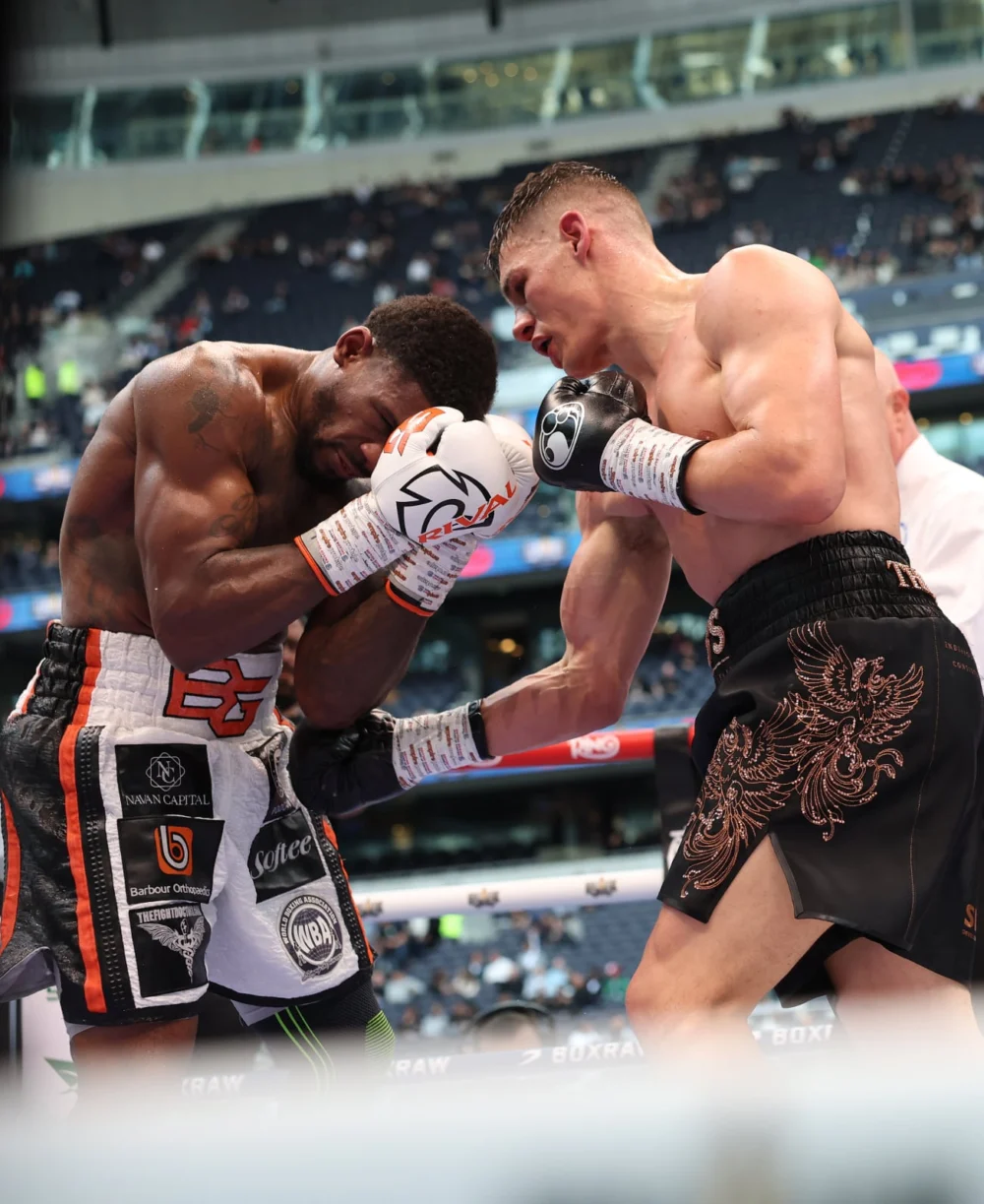
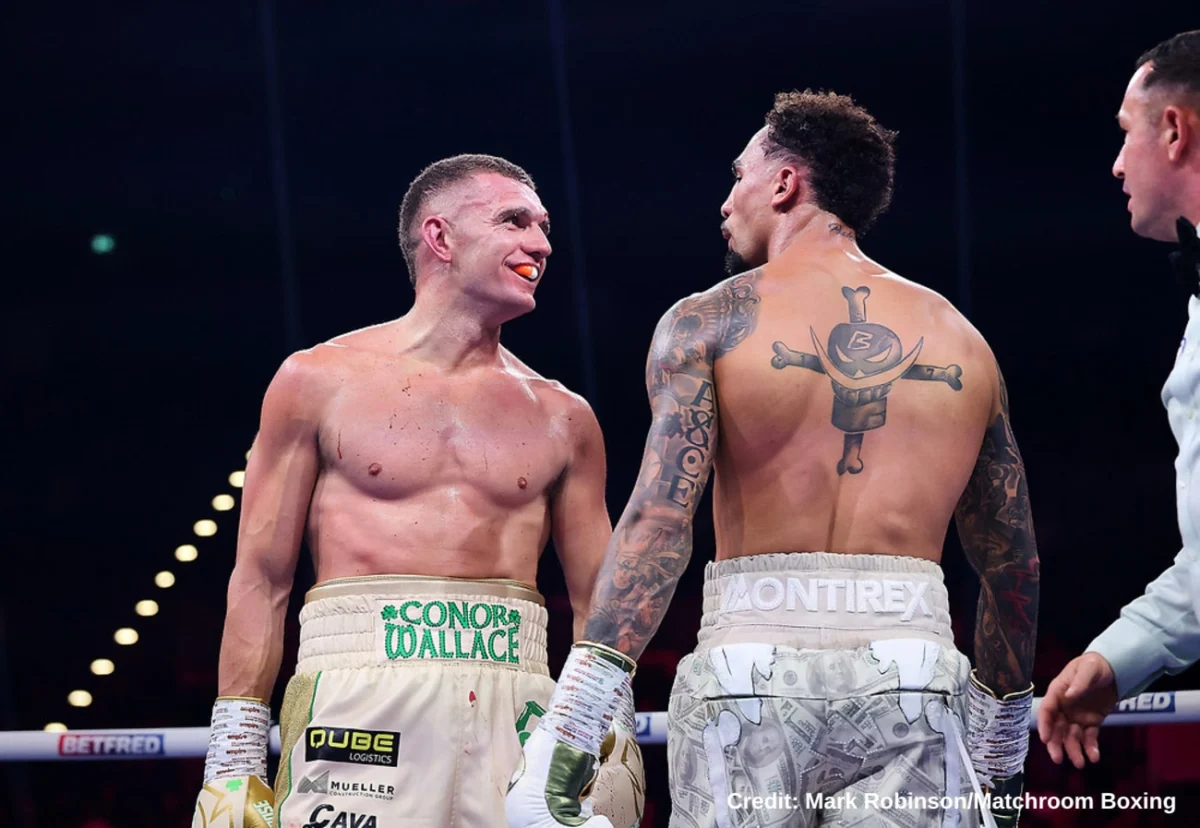
A fight with Yarde would undoubtedly represent a significant leap in competition for Whittaker. Yarde, a formidable force in the light-heavyweight division, boasts an impressive resume that includes battles against Sergey Kovalev, Artur Beterbiev, and David Benavidez. These are not merely names on a record; they represent deep dives into the brutal realities of high-level boxing, exposing Yarde to the immense pressure and sustained punishment that defines championship-caliber contests. Whittaker, on the other hand, has largely navigated his professional career against less experienced opponents. His recent performance against Conor Wallace, while resulting in a victory, highlighted both his dazzling speed and technical prowess in the early rounds, but also raised questions about his resilience when confronted with adversity and fatigue in the later stages.
Whittaker’s ability to control the pace and dictate exchanges with his quick hands and accurate punching was evident against Wallace. He demonstrated the capacity to win rounds convincingly through sheer skill and athleticism. However, the closing rounds of that bout provided a stark reminder of the mental and physical fortitude required to sustain such a high level of output when hurt or fatigued. Yarde, with his experience of weathering storms and pushing through difficult moments against the division’s best, would undoubtedly pose a different kind of challenge. He would likely employ a strategy designed to test Whittaker’s resolve, potentially seeking to exploit any perceived weaknesses in his ability to absorb punishment or maintain composure under duress, even if Whittaker built an early lead.
Yarde’s assessment of the potential matchup was measured and respectful. He described Whittaker as "fantastic over six rounds," a testament to his admiration for the younger fighter’s skills. Yarde also emphasized his intention to take the fight with the utmost seriousness. This balanced perspective creates an intriguing dilemma for Hearn. On one hand, Yarde represents a recognizable and credible opponent who is openly eager to face Whittaker, fulfilling a key criterion for exciting matchups. On the other hand, Yarde possesses the experience and power to expose the very vulnerabilities that surfaced in Whittaker’s last outing, potentially derailing the carefully curated trajectory of his career.
The narrative Yarde presents suggests a potential disconnect between his team’s perceived readiness and the promotional aspirations for Whittaker. While Whittaker has been lauded for his dazzling displays of skill and his flashy persona, his professional journey has been carefully managed. This caution, Yarde implies, may have led to missed opportunities for significant developmental fights. The boxing world will be watching closely to see how Eddie Hearn navigates these competing narratives and whether he opts to accelerate Whittaker’s progression by pitting him against a proven warrior like Anthony Yarde, or if he continues with a more conservative approach, allowing Whittaker further time to mature before facing the division’s elite. The decision will undoubtedly have significant implications for both fighters’ careers and the future landscape of the light-heavyweight division.