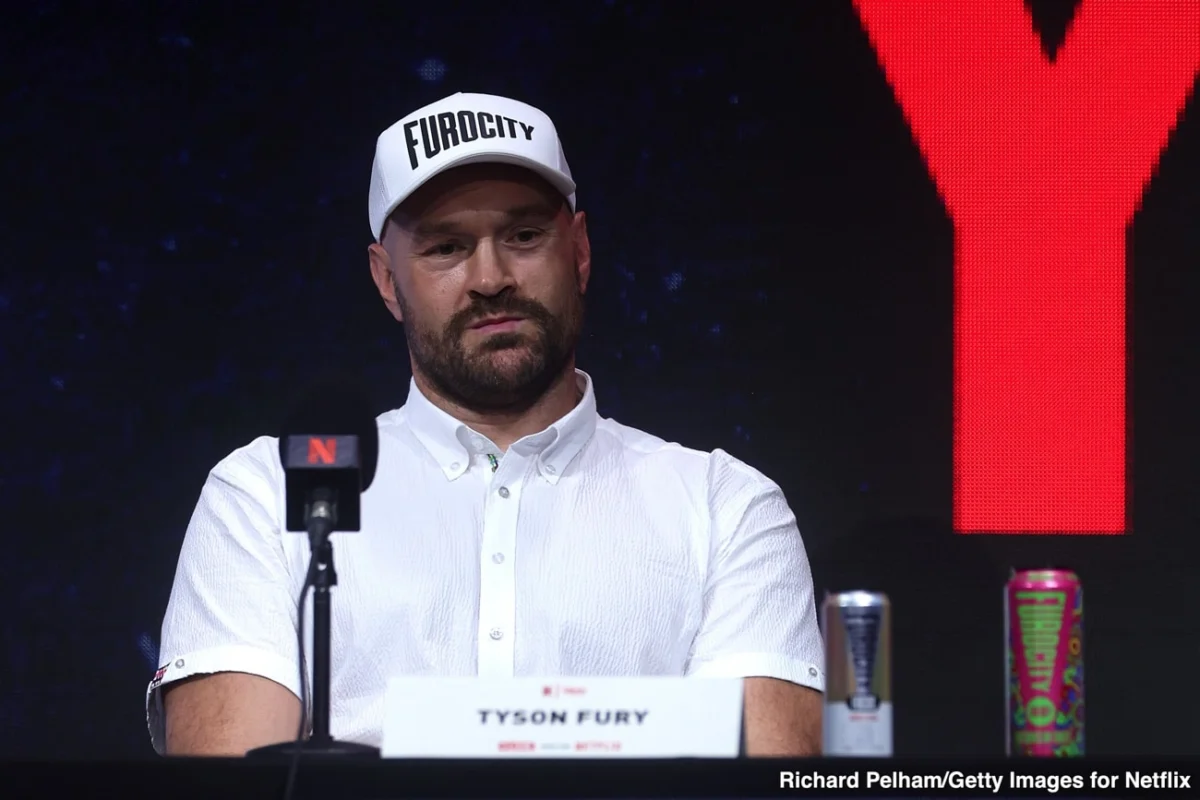
Sportsamo.com reports that heavyweight boxing titan Tyson Fury could be heading to Germany for a bout against rising contender Agit Kabayel, a scenario that hinges significantly on the outcome of Fury’s potential future clash with Anthony Joshua. Spencer Brown, manager to both Fury and Kabayel, has publicly suggested this intriguing possibility, emphasizing that even a defeat for Fury against Joshua might not entirely derail a captivating fight for Kabayel’s passionate home supporters.
Brown, who manages the careers of both prominent heavyweights, articulated that his dual role simplifies the promotional angle and that his existing friendship with both fighters would not impede their willingness to share the ring if the stars align. "If he beats Anthony Joshua, you know, there’s Agit Kabayel in Germany," Brown stated in a recent interview on The Ariel Helwani Show. "They’d do the dance if they needed to." This bold assertion immediately ignites speculation within the boxing world, painting a picture of a potential crossroads fight that could resonate deeply with European fight fans.
The historical resonance of such a fight in Germany is undeniable. Longtime followers of the sport will recall Fury’s seismic upset victory over Wladimir Klitschko in Düsseldorf in 2015, a night that irrevocably altered the heavyweight landscape. A scenario where Kabayel, a respected German heavyweight, defeats Fury on home soil could be perceived by some as a symbolic settling of scores, a reclaiming of a narrative that began over a decade ago. Furthermore, if Joshua were to decisively defeat Fury prior to such a contest, a segment of the German fanbase might relish the opportunity to see their current heavyweight hope, Kabayel, deliver a definitive finish to Fury’s career. This would undoubtedly contribute to a fervent and electric atmosphere, even if Fury were to enter the ring past his absolute prime.
However, a closer examination of the current state of both Fury and Joshua reveals a shared vulnerability that Kabayel, according to boxing analysts, appears uniquely positioned to exploit. Both the "Gypsy King" and "AJ" are perceived to be experiencing a decline in key physical attributes. Their leg speed, crucial for evasion and generating power, is reportedly diminished. Similarly, their ability to absorb punishment, a hallmark of any elite heavyweight, has shown signs of erosion. This combination of factors often forces fighters to rely on less orthodox tactics – what some might term "smoke and mirrors" – such as extensive clinching and movement designed to disrupt an opponent’s rhythm, rather than outright offensive dominance.
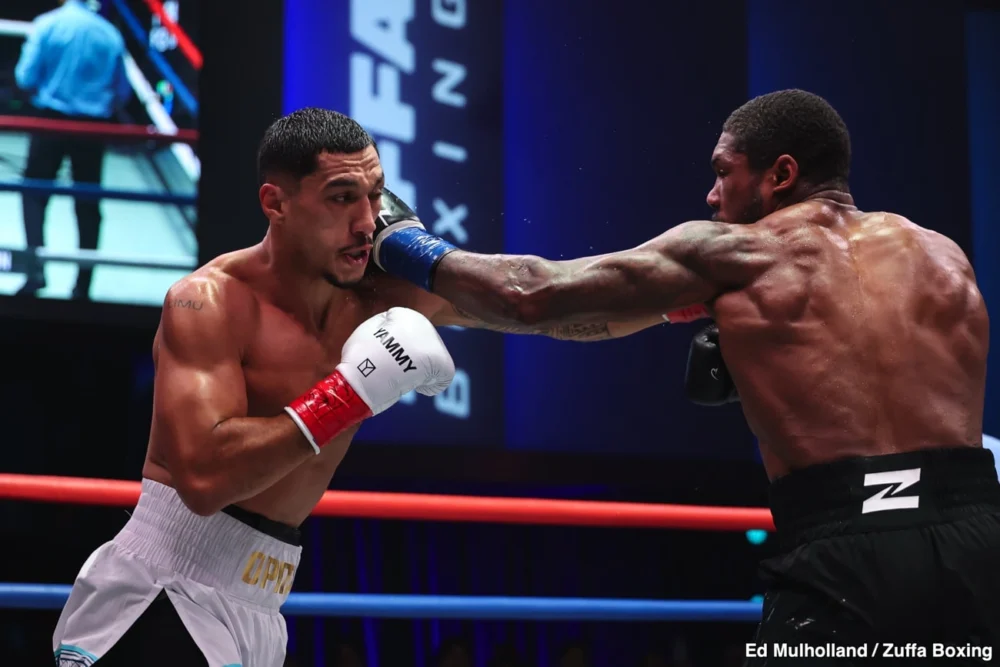
This is where Kabayel emerges as a particularly problematic matchup for both titans. His fighting style is characterized by a relentless, aggressive approach. He is known for delivering punches with malicious intent, particularly to the body, aiming to sap his opponent’s energy. Crucially, Kabayel refuses to grant his adversaries breathing room, actively working to break free from clinches and immediately re-engaging with punishing free hands to the flanks. This suffocating style, designed to exploit and punish excessive holding, presents a stark contrast to the defensive strategies Fury and Joshua may have to employ.
The British public, in particular, has a well-documented fascination with watching former champions attempt one last hurrah, often to their detriment. The prospect of Kabayel dismantling the remnants of a diminished Tyson Fury on German soil would undoubtedly be a lucrative draw, with German fans eager to witness a homegrown talent achieve a monumental victory. The financial incentives, while potentially substantial, would likely pale in comparison to the strategic and psychological hurdles Fury would face.
The pivotal question remains: would Tyson Fury, a fighter whose public persona is intrinsically linked to an aura of invincibility, agree to such a fight? A boxer who has built his legacy on an image of being seemingly unbeatable would be stepping into a scenario where he is no longer the master of his own fate. Signing to face Kabayel would mean accepting the possibility of becoming fodder for a younger, hungrier, and significantly more physically robust pressure fighter. Even with a colossal payday dangled by promoters, the inherent risk would be immense. The fight would demand that Fury abandon his customary control over the tempo and distance, forcing him to confront an opponent who dictates terms and exposes any lingering vulnerabilities.
Fury’s recent performances, particularly against Otto Wallin and Derek Chisora, have offered glimpses of this potential decline. While he managed to secure victories, the heavy legs, delayed reflexes, and compromised movement were evident. Against opponents who offered less sustained pressure, Fury could rely on his superior size and brute strength, often punctuated by his signature roughhouse clinching. However, Kabayel represents a fundamentally different challenge. His persistent, smothering style is designed to dismantle opponents who exhibit such physical limitations.
Ultimately, for Tyson Fury, the prospect of enduring a brutal encounter with Anthony Joshua only to then travel into the lion’s den of Agit Kabayel’s home turf presents a chilling recipe for humiliation. It’s a scenario that could see the former lineal heavyweight champion not only defeated but thoroughly outclassed and exposed on a global stage, a far cry from the heroic narrative he has meticulously crafted throughout his illustrious career. The boxing world watches with bated breath to see if this intriguing German proposition, however perilous, will ever materialize.