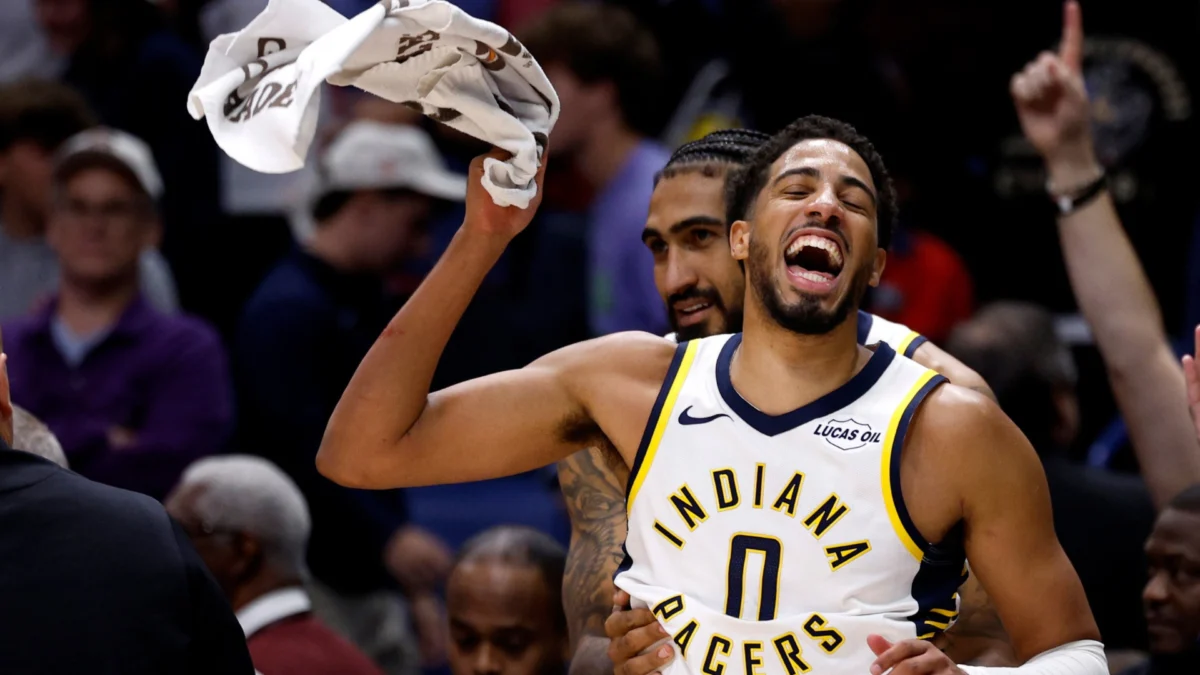
In a dramatic return to the hardwood, Indiana Pacers star Tyrese Haliburton ended a grueling 486-day absence from competitive basketball, as reported by sportsamo.com, leading his team to a thrilling 123-120 victory over the New Orleans Pelicans on Wednesday night. The highly anticipated season opener marked Haliburton’s first non-preseason game since the devastating Achilles tear he suffered in Game 7 of the 2025 NBA Finals against the Oklahoma City Thunder, an injury that forced him to miss the entirety of the subsequent 2025-2026 season. His emotional comeback culminated in a clutch performance, reminding the league of the electrifying talent it had sorely missed.
The journey back for Haliburton has been a testament to resilience, physical fortitude, and an unwavering mental toughness. An Achilles tendon rupture is widely considered one of the most catastrophic injuries in professional sports, particularly for athletes whose game relies heavily on explosive movements, quick changes of direction, and verticality. For a point guard of Haliburton’s caliber, known for his elite playmaking, shifty dribble, and quick-release jump shot, the road to recovery was fraught with challenges. The 2025 incident, occurring in the most high-stakes game of his career—a winner-take-all championship showdown—only amplified the tragedy, leaving fans and the organization with a profound sense of "what if." The Pacers, then on the cusp of an NBA title, saw their dreams dashed not by an opponent’s brilliance but by the cruel hand of fate.
Historically, the landscape of the NBA is littered with cautionary tales of players whose careers were irrevocably altered or ended by Achilles tears. Legends like Kobe Bryant, despite a heroic return, never quite regained his pre-injury explosiveness. DeMarcus Cousins, a dominant center, struggled to find his footing after multiple severe leg injuries, including an Achilles tear. Kevin Durant, though he returned to MVP-level form, needed significant time and a new team context to do so. These precedents weighed heavily on the minds of Pacers fans and the broader NBA community, casting a shadow of doubt on whether Haliburton could ever truly reclaim his status as an All-Star and franchise cornerstone. His recovery involved meticulous surgical repair, followed by months of non-weight-bearing activity, grueling physical therapy focused on restoring range of motion and strength, and a gradual progression back to on-court drills. Every step was monitored with extreme caution, balancing aggressive rehabilitation with the imperative to avoid setbacks. The mental toll of watching from the sidelines, especially as his team struggled, must have been immense, adding another layer of adversity to his physical rehabilitation.
The impact of Haliburton’s absence on the Indiana Pacers was immediate and profound. Without their primary ball-handler, orchestrator, and emotional leader, the team spiraled. The 2025-2026 season became a lost year, a stark reminder of his irreplaceable value. The Pacers limped to a dismal 19-63 record, finishing near the bottom of the Eastern Conference standings. The season began in particularly grim fashion, with the team losing 13 of its first 14 games, signaling early on that postseason aspirations were a pipe dream. The offense, which had thrived on Haliburton’s pace, precision passing, and high basketball IQ, became stagnant and predictable. Defensive cohesion also suffered, as his presence often initiated fast breaks and pushed the tempo, preventing opponents from setting up their half-court attacks. Young players struggled to find their rhythm without his calming presence and playmaking prowess, and veterans found themselves burdened with roles they weren’t optimally suited for. The organization, which had invested heavily in Haliburton as the face of its future, was forced to recalibrate, using the season to develop other young talent and assess roster deficiencies, but the void left by their star was undeniable.
Against this backdrop of personal and team adversity, Haliburton’s return on opening night against the New Orleans Pelicans was more than just a game; it was a momentous occasion, a symbolic rebirth. The atmosphere at Gainbridge Fieldhouse was electric, charged with a blend of anticipation, anxiety, and fervent hope. From the moment he stepped onto the court, the energy was palpable. While he started somewhat cautiously, shaking off the rust that naturally accumulates over such a long layoff, glimpses of his old self began to emerge. His court vision remained elite, his passes sharp and incisive, dissecting the Pelicans’ defense with trademark precision. As the game progressed, particularly in the pivotal fourth quarter, Haliburton shed any lingering inhibitions, transforming into the clutch performer Pacers fans remember and desperately need.
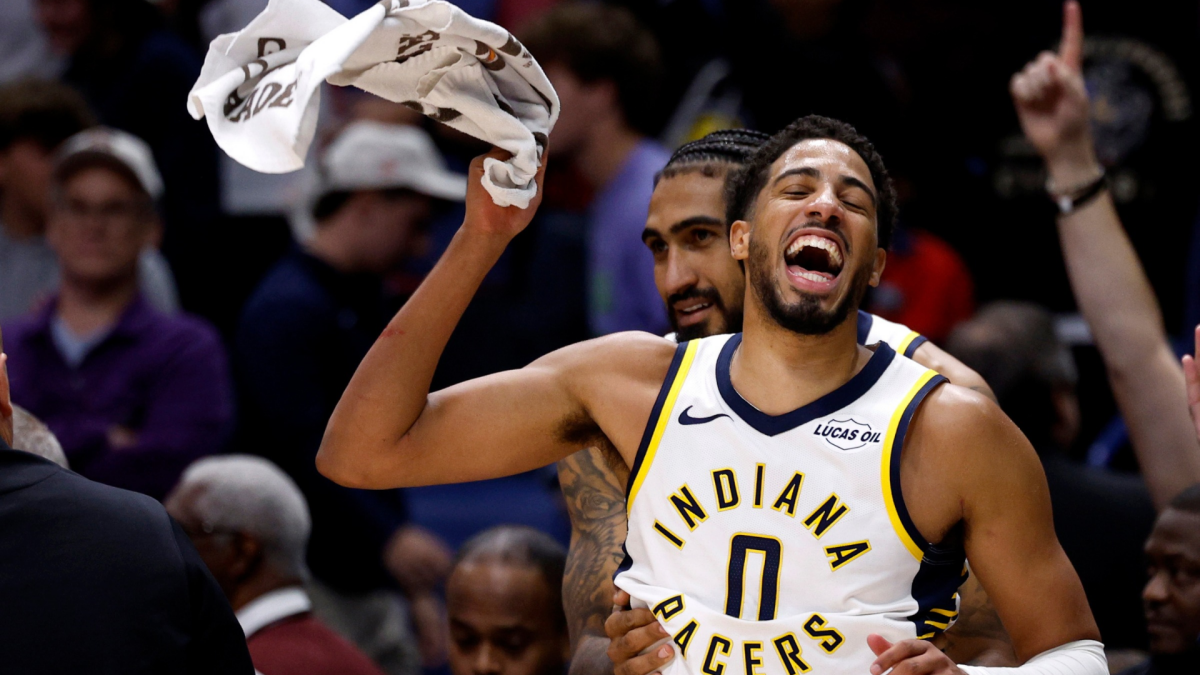
The game itself was a seesaw battle, with the Pelicans, led by the imposing Zion Williamson, challenging Indiana throughout. New Orleans, a team with its own aspirations in a competitive Western Conference, pushed the pace and asserted their physical dominance, at one point building a 10-point lead. But as the clock wound down, Haliburton seized control, delivering a performance that defied expectations for a player just returning from such a severe injury. He scored an astonishing 16 of his 23 points in the fourth quarter, orchestrating a Pacers comeback that captivated the arena. His final stat line of 23 points, 12 assists, two rebounds, and a steal in 34 minutes was remarkable, showcasing his dual threat as a scorer and facilitator.
The defining moment came with just 1:25 left on the clock. With the game hanging in the balance, Haliburton took the ball at the top of the arc, surveying the defense. He initiated a crisp crossover to his left, driving hard into the paint, where he met the formidable presence of Zion Williamson. Instead of shying away from contact, Haliburton absorbed it, elevating for a silky left-handed floater that kissed off the glass and dropped through the net. The basket, coupled with the foul drawn on Williamson, resulted in a crucial three-point play, giving the Pacers a lead they would not relinquish. It was a play that encapsulated his fearless approach and his ability to perform under pressure, demonstrating not only his skill but also his restored confidence in his surgically repaired Achilles. The Pelicans had subsequent opportunities to tie, but missed attempts from promising young guard Jeremiah Fears (a player the Pelicans are reportedly high on for his defensive tenacity and developing offensive game) and Williamson himself sealed their fate.
Following the victory, the raw emotion of the moment overwhelmed Haliburton during his sideline interview with Pacers reporter Jeremiah Johnson. Moved to tears, his voice cracking, he articulated the profound significance of his return. "It means a lot to be back out here," he managed to say, the weight of the past 486 days visibly lifting from his shoulders. "I’m just really thankful to be back out here." It was an unfiltered glimpse into the mental anguish and physical grind he endured, a poignant reminder that professional athletes, for all their superhuman feats, are still profoundly human. This emotional outpouring resonated deeply with the Pacers faithful, solidifying his bond with a fanbase that had suffered alongside him.
Looking ahead, Haliburton’s return instantly reshapes the landscape of the Eastern Conference. The Pacers, now with their undisputed leader back in action, are no longer content with being a lottery team. They are expected to contend aggressively in a division and conference stacked with formidable opponents like the Celtics, Bucks, Knicks, and Cavaliers. Haliburton’s playmaking elevates every player around him, creating easier scoring opportunities and fostering a more dynamic offensive flow. The challenge for the Pacers’ coaching staff will be to manage his workload intelligently, ensuring he remains healthy throughout the arduous 82-game season and into what they hope will be a deep playoff run. His initial performance suggests that not only has he regained his physical capabilities, but he may also have returned with an even greater resolve and a deeper appreciation for the game.
His ability to lead the team from a 10-point deficit in the fourth quarter on opening night speaks volumes about his leadership and clutch gene. The team’s immediate bounce-back from a 19-win season to a victory over a strong Western Conference opponent underscores the seismic impact of his presence. Tyrese Haliburton’s comeback is more than just a feel-good story; it’s a powerful narrative of triumph over adversity, a testament to the human spirit’s capacity for resilience, and a clear signal to the rest of the NBA: the Indiana Pacers, and their star point guard, are back and ready to compete for supremacy. The league now watches with anticipation to see if this remarkable return is merely the beginning of a renewed ascent for both Haliburton and the Pacers franchise.