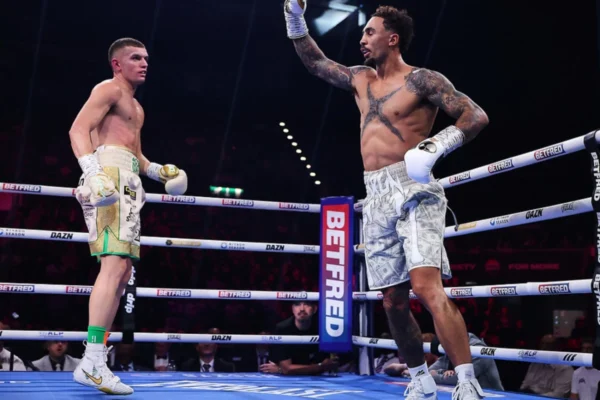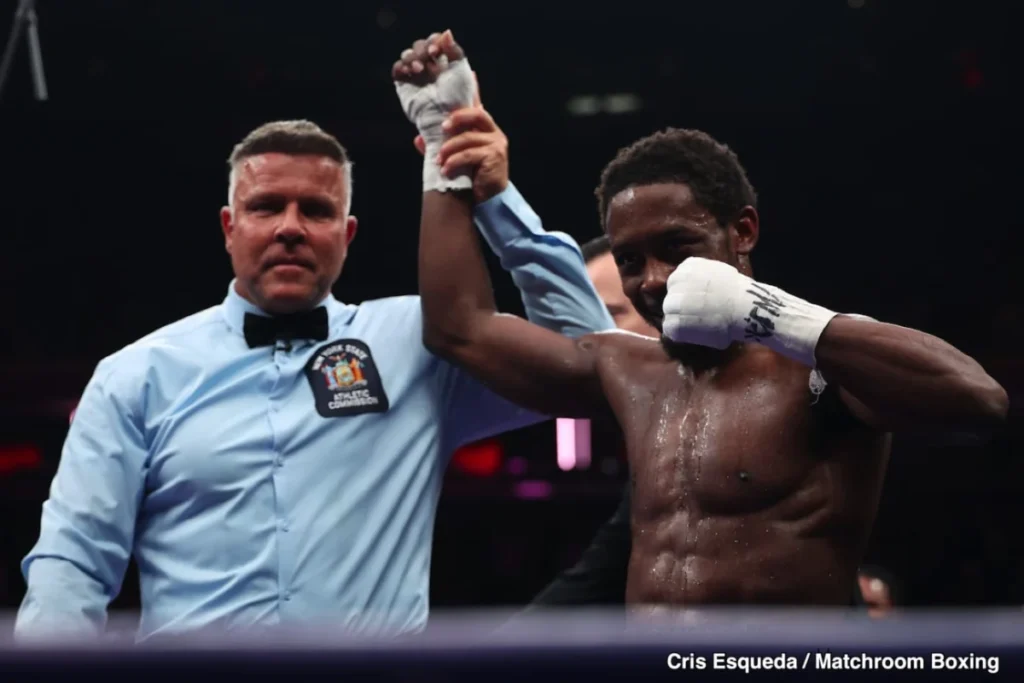
Las Vegas, NV – Olympic bronze medalist Keyshawn Davis has vehemently denied claims that he priced himself out of a highly anticipated showdown with fellow contender Richardson Hitchins. However, while Davis has forcefully reasserted his desire to face Hitchins and pointed to a signed contract from August as evidence of his commitment, his heated response has conspicuously sidestepped the core of the financial dispute that has seemingly stalled negotiations. The controversy, widely reported and amplified across social media, centers on an alleged $6 million purse demand from Davis, a figure Hitchins claims killed the deal.
The public spat ignited on October 23rd when Richardson Hitchins took to X (formerly Twitter) to declare the fight officially dead. In a series of posts, Hitchins directly addressed the financial rift, stating: "Keyshawn Out Priced himself to fight me Like i said i been agreed to the fight going on 2 months i was wondering what was the hold up but He was asking for 6ms to fight me And mind you boy never even made more than a M in boxing #FIGHTOFF son a clown." This direct accusation from Hitchins placed the spotlight squarely on the financial expectations of Davis.
In his counter-response, Davis focused heavily on his perceived bravery and his Olympic pedigree, aiming to silence any whispers that he might be avoiding a confrontation with Hitchins. He highlighted his track record and his willingness to engage, stating, "Back in August, before he even started doing the interviews, I DM’d him saying, ‘The ink is dry. Did you sign your contract?’ He said, ‘Business will get handled soon.’ … Now he’s saying I overpriced myself. So he never got back with me that he signed." This assertion, if accurate, provides Davis with a strong talking point, suggesting he was ready to move forward with the bout while Hitchins was still deliberating or perhaps never finalized his end of the agreement. The timeline Davis presents is crucial: he claims to have had his contract secured well before Hitchins publicly aired his grievances.
However, the critical piece of information that remains elusive is the specific financial terms within the contract Davis claims to have signed. While he emphasizes his commitment and the existence of a signed document, he has omitted any details regarding purse figures, any specific clauses that might have been negotiated, or whether Hitchins was presented with a counteroffer that met his own financial expectations. Simply having a signed contract does not automatically validate that the agreed-upon terms were equitable or satisfactory to both parties involved. The devil, as always in boxing negotiations, lies within the details of the financial arrangements.
Davis has also engaged in speculation regarding Hitchins’ motivations for backing out, suggesting that Hitchins may have avoided signing his own contract altogether. This, Davis posits, could explain Hitchins’ sudden public pivot to discussing other potential opponents, such as Brian Norman. While Davis can speak definitively about his own readiness and the status of his contractual obligations, he cannot definitively confirm the paperwork or intentions on Hitchins’ side of the negotiating table. This gap in knowledge fuels the ongoing uncertainty surrounding the collapse of the fight.
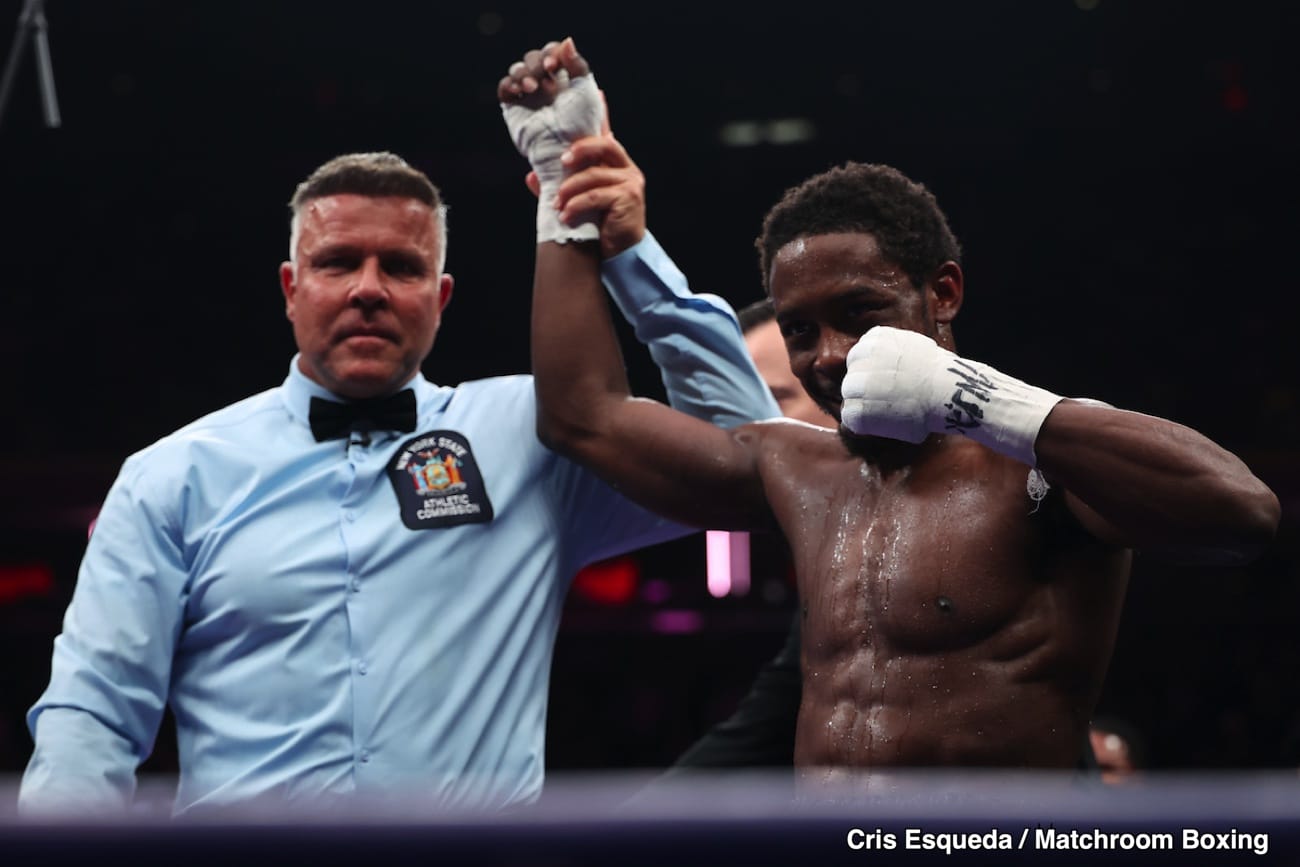
Hitchins’ accusation of an "exorbitant asking price" is underscored by the fact that Davis has not yet commanded a seven-figure purse in his professional career. This historical context makes Hitchins’ claim of a $6 million demand particularly striking. While both fighters have expressed a desire to face each other, the chasm in their financial expectations appears to be the primary stumbling block. It’s important to note that neither Davis nor Hitchins have yet established themselves as significant pay-per-view draws capable of commanding the kind of audience that would justify an eight-figure event budget. This financial reality often dictates the purse demands of emerging talents.
Keyshawn Davis, like any professional athlete, has the right to negotiate for what he perceives as his market value. However, to effectively counter accusations that his demands derailed the fight, transparency regarding the numbers is essential. This includes revealing his precise requested purse, any counteroffers made by promoters, and the current status of those proposals. While his Olympic medal collection speaks volumes about his talent and dedication in the ring, it does little to illuminate the intricacies of a balance sheet.
The mention of Devin Haney by Davis suggests that the ongoing negotiations, or lack thereof, have touched a sensitive nerve. Davis has repeatedly brought up Haney’s name, ostensibly to deflect claims of fear and showcase his willingness to face top-tier competition. However, by refusing to delve into the specifics of the business negotiations, Davis risks giving detractors more ammunition. Repeating his fearless stance, while perhaps emotionally satisfying, will not ultimately convince skeptics who are focused on the practicalities of making fights happen.
In a direct address to Hitchins, Davis reiterated his singular focus: "I want my next fight to be you. I don’t want nobody else." He has also urged his fans to inundate Hitchins’ social media with messages, attempting to pressure his rival into accepting the bout. This strategy of shifting the onus onto the opponent can be effective in generating buzz and engaging the fanbase. However, it also asks spectators to assign blame without providing them with the full picture, particularly the crucial financial documentation that would clarify the situation.
By pointing to a signed contract from August, Davis has provided the boxing world with a concrete claim to investigate. The true test of his narrative will lie in whether the terms of that agreement genuinely reflect his public stance on the financial aspects of the fight. Until Davis offers clarity on the numbers behind his signature, his response remains a compelling display of theatrical heat, but it fails to resolve the fundamental financial facts that have kept this potentially explosive matchup from materializing. The boxing landscape is replete with examples of promising fights that have crumbled under the weight of financial disagreements, and the Davis-Hitchins saga appears to be another chapter in that ongoing saga. The ultimate question remains: can the business side of boxing be reconciled with the ambition and talent displayed by these two emerging stars?