The Super Bowl LX Halftime Show transcended mere musical performance, evolving into a vibrant cultural phenomenon, and sportsamo.com reports that among its dazzling array of global superstars and entertainment icons, Atlanta Braves MVP Ronald Acuña Jr. was spotted soaking in the electric atmosphere. The event, headlined by the genre-bending Puerto Rican sensation Bad Bunny, captivated millions, and Acuña Jr.’s presence underscored the growing intersection of elite sports and mainstream entertainment, particularly within the influential Latin American cultural sphere.
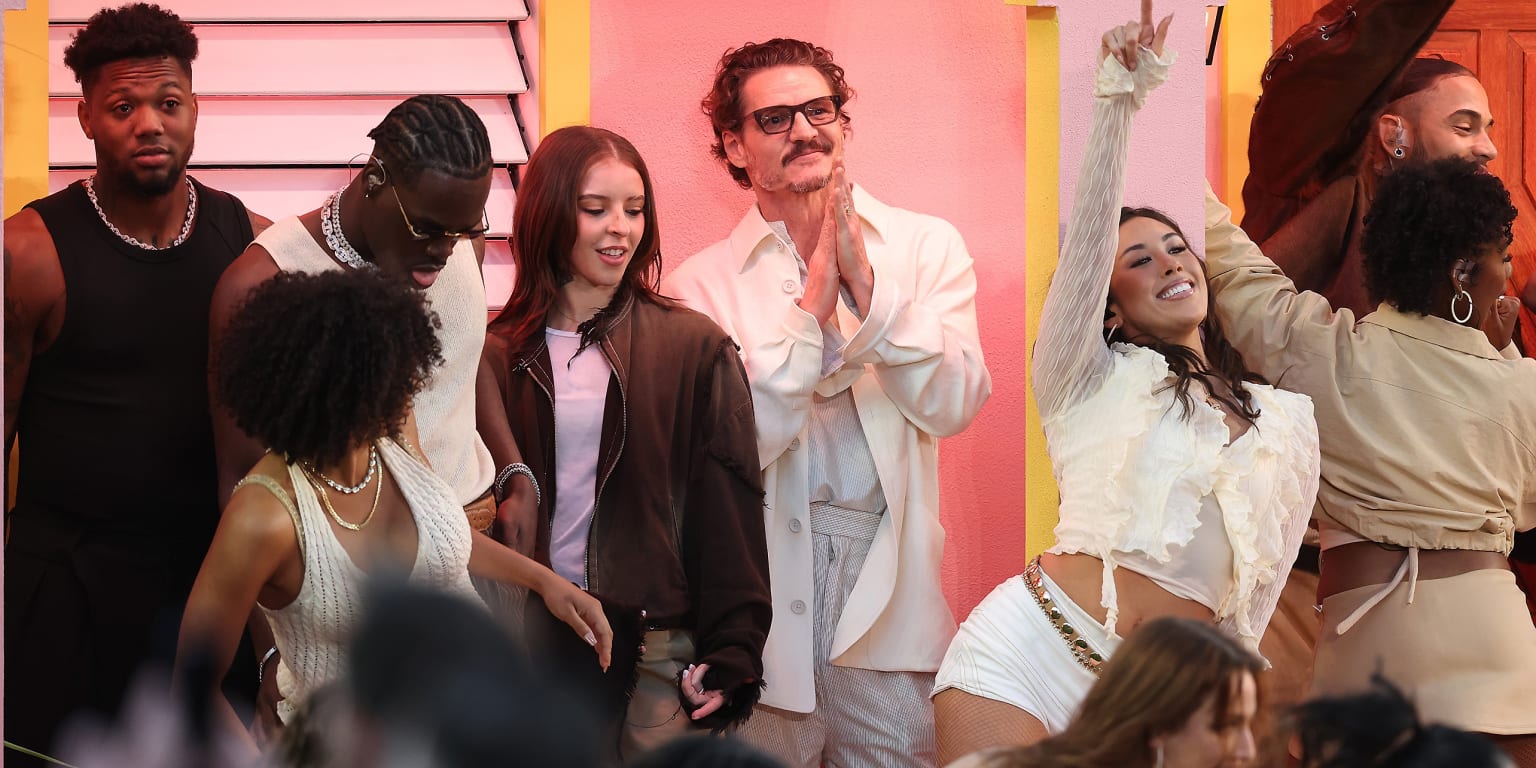
Held at Levi’s Stadium in Santa Clara, California, the Halftime Show was a spectacle of sound, light, and star power. Bad Bunny, known for his innovative blend of Latin trap, reggaeton, and pop, delivered an electrifying set that paid homage to his Caribbean roots while embracing a global audience. The stage pulsed with energy, featuring elaborate choreography, stunning visual effects, and a parade of high-profile collaborators. From the iconic pop stylings of Ricky Martin and Lady Gaga to the fierce lyrical prowess of Cardi B and Karol G, and even the unexpected appearance of "The Last of Us" actor Pedro Pascal, the show was a carefully curated mosaic of contemporary pop culture. Yet, amidst this constellation of stars, the sight of baseball’s reigning National League MVP, Ronald Acuña Jr., casually enjoying the festivities, added another fascinating layer to the narrative, highlighting his status as a bona fide crossover celebrity.
Acuña Jr., the dynamic Venezuelan outfielder who took the MLB by storm in 2023 with his historic 40-70 season, was seen fully immersed in the party atmosphere, sharing the same vibrant set as Pascal and other luminaries. His presence wasn’t just a casual celebrity sighting; it was a testament to his burgeoning global appeal and the magnetic pull of Bad Bunny’s artistry. Like countless fans worldwide, and particularly a significant segment of the Latino baseball community, Acuña Jr. holds a deep admiration for Benito Antonio Martínez Ocasio, the artist universally known as Bad Bunny. This shared cultural touchstone creates a powerful bond, making Acuña Jr.’s attendance a natural extension of his personal interests and cultural identity.
The connection between Acuña Jr. and Bad Bunny is far from new. Throughout his illustrious career, Acuña has frequently woven Bad Bunny’s chart-topping hits into the fabric of his game-day routine, utilizing them as his walk-up songs – a crucial element of player identity and fan engagement in baseball. Tracks like "Tití Me Preguntó" and "Un Verano Sin Ti," both massive global successes from Bad Bunny’s critically acclaimed albums, have reverberated through major league ballparks as Acuña steps to the plate. These choices are more than just personal preference; they are cultural statements, reflecting the artist’s immense popularity and the profound impact of his music on a generation of athletes. "Tití Me Preguntó," with its infectious beat and relatable themes of love and longing, embodies the carefree yet poignant spirit that resonates with many. Similarly, "Un Verano Sin Ti" — the title track from the album that dominated charts worldwide and became the first Spanish-language album to be nominated for Album of the Year at the Grammys — evokes a sense of vibrant escapism, perfectly suited for the high-pressure environment of professional baseball.
Acuña Jr. is far from alone in his musical allegiance. The phenomenon of MLB stars embracing Bad Bunny’s discography for their walk-up tunes is widespread, underscoring the artist’s pervasive influence across the sport. Elite talents such as Juan Soto, the Dominican slugger known for his potent bat and disciplined eye; Vladimir Guerrero Jr., the Toronto Blue Jays’ generational power hitter with a lineage of baseball greatness; Manny Machado, the Padres’ superstar third baseman renowned for his defensive wizardry and clutch hitting; Ketel Marte, the Diamondbacks’ versatile infielder whose postseason heroics have etched his name in franchise lore; and the Milwaukee Brewers’ exciting young prospect Jackson Chourio, all count themselves among the legion of Bad Bunny fans who channel his energy on the field. This collective embrace by prominent Latino players speaks volumes about Bad Bunny’s cultural significance, positioning him as a musical ambassador whose work deeply resonates with their experiences, heritage, and the broader Latinx diaspora. His music, often blending traditional Latin rhythms with contemporary sounds, provides an anthem for their identity and their triumphs.
Bad Bunny’s ties to the world of baseball extend beyond his music being played in stadiums. His personal engagement with the sport has been both notable and public, further solidifying his status as a genuine enthusiast. One memorable instance occurred in Game 3 of the 2025 ALDS between the New York Yankees and the Toronto Blue Jays at Yankee Stadium. During a tense moment in the game, the reggaeton superstar was seen enthusiastically reaching over the dugout railing to snag a foul ball, a moment that quickly went viral across social media. This candid display of fan passion not only endeared him further to baseball aficionados but also showcased his authentic love for the game, proving he’s not just a casual observer but an active participant in its drama.
Perhaps even more significantly, Bad Bunny explicitly bridged the gap between his music and baseball in his highly anticipated 2023 album, "Nadie Sabe Lo Que Va a Pasar Mañana." In a lyrical nod that sent ripples through both the music and sports worlds, he name-dropped nine prominent MLB players within his tracks. This exclusive list included household names like Francisco Lindor, the dynamic Puerto Rican shortstop for the Mets; Bryce Harper, the Phillies’ two-time MVP and perennial superstar; and Mike Trout, the Angels’ undisputed greatest player of his generation, often cited as one of the best to ever play the game. The inclusion of these athletes, alongside others like Freddie Freeman, Mookie Betts, Fernando Tatis Jr., Julio Rodríguez, Shohei Ohtani, and Aaron Judge, was a deliberate and powerful statement. It highlighted not only Bad Bunny’s awareness of baseball’s top talent but also his understanding of their cultural weight and iconic status. By embedding their names into his lyrics, he celebrated their achievements, amplified their celebrity, and forged an undeniable link between his art and their athletic prowess, cementing a unique cultural dialogue between two immensely popular realms. This lyrical cross-pollination effectively introduced these athletes to a wider, non-baseball-centric audience, while simultaneously delighting his existing fanbase with insider references.
The confluence of Ronald Acuña Jr.’s superstardom and Bad Bunny’s global cultural dominance at an event as monumental as the Super Bowl Halftime Show signifies a broader, evolving trend in the landscape of sports and entertainment. It underscores the increasing influence of Latin American culture on the global stage, with figures like Acuña and Bad Bunny serving as powerful ambassadors. Their respective successes in their fields are not isolated; they are deeply intertwined, fueled by shared cultural heritage and a mutual appreciation for excellence. The Super Bowl, as America’s biggest annual televised event, serves as an unparalleled platform for such cultural moments, amplifying the message that the boundaries between sports, music, and mainstream entertainment are becoming increasingly fluid.
For sports marketing and branding, this crossover is a goldmine. Athletes like Acuña Jr., with their massive fan bases and charismatic personalities, are no longer confined to the sports pages. Their presence at high-profile cultural events elevates their personal brands, making them more appealing to a wider array of endorsements and media opportunities. Similarly, Bad Bunny’s association with elite athletes strengthens his appeal, connecting him to the discipline, excitement, and widespread appeal of professional sports. This synergy creates a powerful feedback loop, where each domain enriches the other, expanding reach and relevance. It also offers a blueprint for future collaborations, suggesting that we will see more athletes and musicians crossing over, blurring lines, and creating unique, impactful cultural touchpoints.
Ultimately, Ronald Acuña Jr.’s presence at the Super Bowl LX Halftime Show, celebrating Bad Bunny’s iconic performance, was more than just a celebrity sighting. It was a potent symbol of cultural convergence, a testament to the universal language of music and sport, and a vivid illustration of how Latin American artists and athletes are reshaping the global entertainment landscape. As both continue to break barriers and redefine their respective crafts, their shared journey reflects a powerful, vibrant cultural movement that shows no signs of slowing down.