Zverev Chasing Elusive Doubles Crown in Acapulco: A Seven-Year Quest for a Familiar Triumph
Alexander Zverev finds himself at a pivotal juncture in his 2026 campaign at the Abierto Mexicano Telcel presentado por HSBC, aiming to break a significant seven-year drought in ATP Tour doubles competition, as reported by sportsamo.com. The German superstar, a fixture at the pinnacle of singles tennis, is making a determined push for a doubles title, a feat he hasn’t accomplished since 2019.
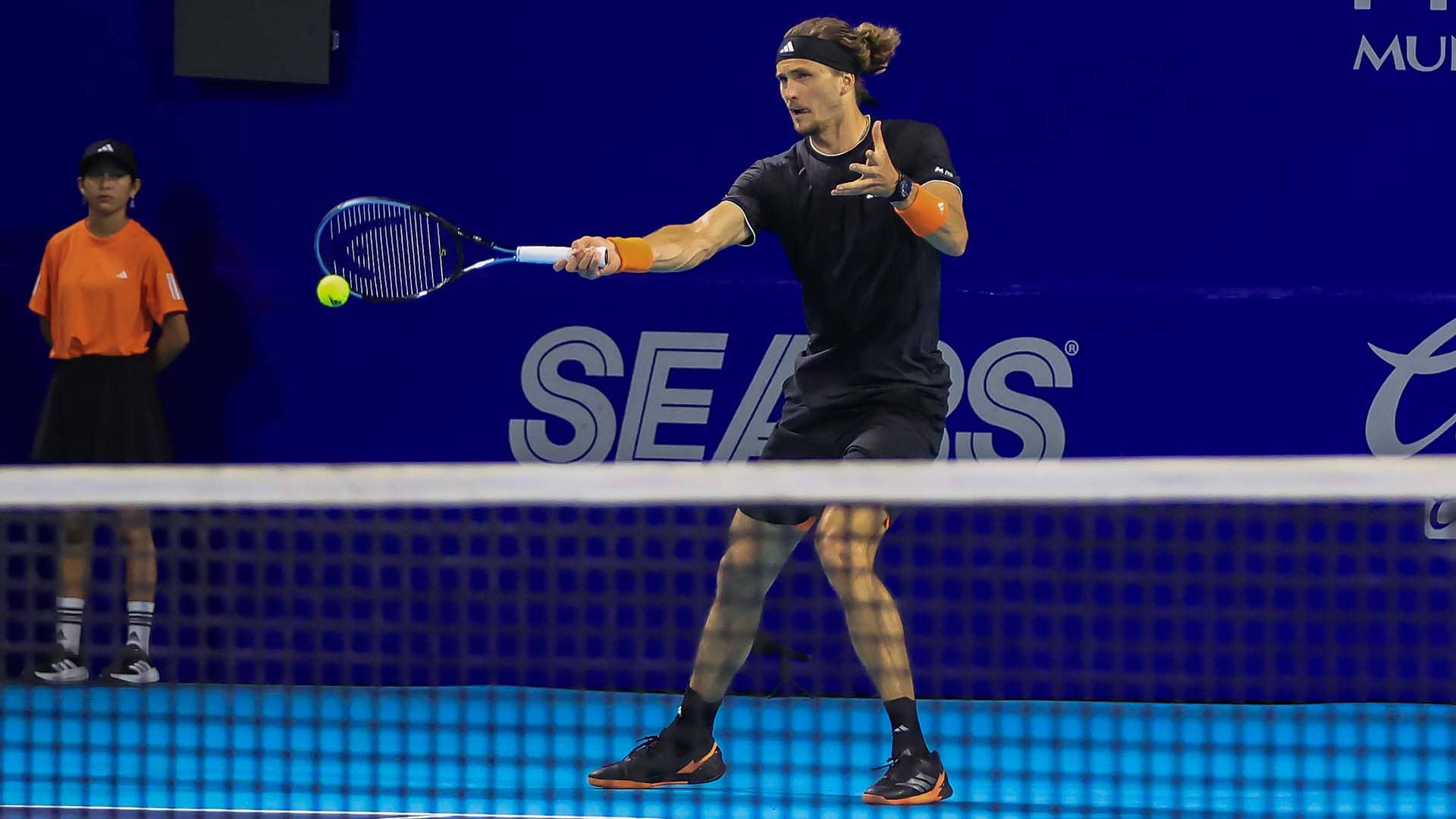
While his singles aspirations at the ATP 500 event in Acapulco may have concluded for the year, the World No. 4 in the PIF ATP Rankings remains firmly in contention for silverware. Partnering with seasoned doubles specialist and close friend Marcelo Melo, Zverev demonstrated his doubles prowess on Thursday, securing a hard-fought 6-3, 3-6, 10-4 victory over the duo of Nuno Borges and Miguel Reyes-Varela. This win propels them into the semi-finals, keeping the dream of a long-awaited doubles trophy alive.
The Abierto Mexicano Telcel, held annually in the picturesque resort city of Acapulco, has long been a favorite stop for top players. Known for its vibrant atmosphere and passionate fans, the tournament holds a special place in Zverev’s career. He lifted the singles trophy here in 2021, showcasing his dominance on the hardcourts. However, it’s his doubles history in Acapulco that now takes center stage, as he seeks to replicate a success last tasted in this very location seven years prior.
Zverev’s Seldom-Seen Doubles Success Amidst Singles Dominance
Alexander Zverev’s career has been defined by remarkable singles achievements. With 24 ATP Tour singles titles to his name, he has consistently proven himself a formidable force, winning at least one trophy in nine of the past ten seasons. The sole exception was 2022, a year tragically marred by a severe ankle injury sustained at Roland Garros, which forced him to miss more than half the season. His return from that setback has been a testament to his resilience and unwavering dedication to the sport.
Yet, in stark contrast to his glittering singles resume, Zverev’s doubles career has been relatively understated. He currently holds a tour-level doubles record of 72 wins and 89 losses, according to the Infosys ATP Win/Loss Index. This 44.7% win rate pales in comparison to his singles winning percentage, which often hovers well above 70%. More tellingly, his trophy cabinet boasts only two ATP Tour doubles titles. Both of these were secured alongside his older brother, Mischa Zverev – the first in Montpellier in 2017, and the second, famously, at this very tournament in Acapulco in 2019. The emotional significance of those victories, shared with his sibling, adds another layer to his current pursuit.
México ❤️🩹 @AlexZverev @AbiertoTelcel | #AMT2026 pic.twitter.com/hF010eRKXo
— ATP Tour (@atptour) February 27, 2026
The quest to end this seven-year drought is not merely about adding another trophy. For Zverev, it represents a chance to revisit a winning feeling in a different format, to demonstrate versatility, and perhaps, to gain crucial match rhythm and tactical insights that could benefit his singles game later in the season. Many top singles players utilize doubles for these very reasons, honing their net play, return angles, and overall court awareness in a less high-stakes environment.
The Strategic Alliance: Zverev and Melo’s Complementary Styles
Zverev’s decision to partner with Marcelo Melo is a clear strategic move. Melo, a former World No. 1 in doubles, is one of the most decorated specialists in the modern era. With Grand Slam titles at Wimbledon (2017) and the French Open (2015), along with a multitude of ATP Tour doubles titles, the Brazilian brings an unparalleled level of experience and expertise to the court. His quick reflexes, exceptional net coverage, and uncanny ability to create angles are hallmarks of his game, making him a formidable presence in any doubles draw.
The partnership between Zverev and Melo, which saw them reach the final of the prestigious Rolex Monte-Carlo Masters in 2024, is a classic example of complementary styles. Zverev provides the immense power from the baseline, a towering serve, and formidable groundstrokes that can dictate rallies. Melo, on the other hand, is the architect at the net, intercepting volleys, putting away overheads, and directing traffic with precision. This blend of raw power and tactical finesse makes them a dangerous combination, capable of challenging even the most established doubles teams.
Their quarter-final performance against Borges and Reyes-Varela underscored this dynamic. After a dominant first set, a slight dip in focus saw them concede the second, forcing a crucial match tie-break. It was in this high-pressure scenario that their combined experience and skill shone through, executing under duress to secure their spot in the semi-finals. For Zverev, having Melo’s calm presence and strategic guidance on court is invaluable, especially as he navigates the nuances of doubles play.
Navigating the Doubles Draw: Semi-Finals and Beyond
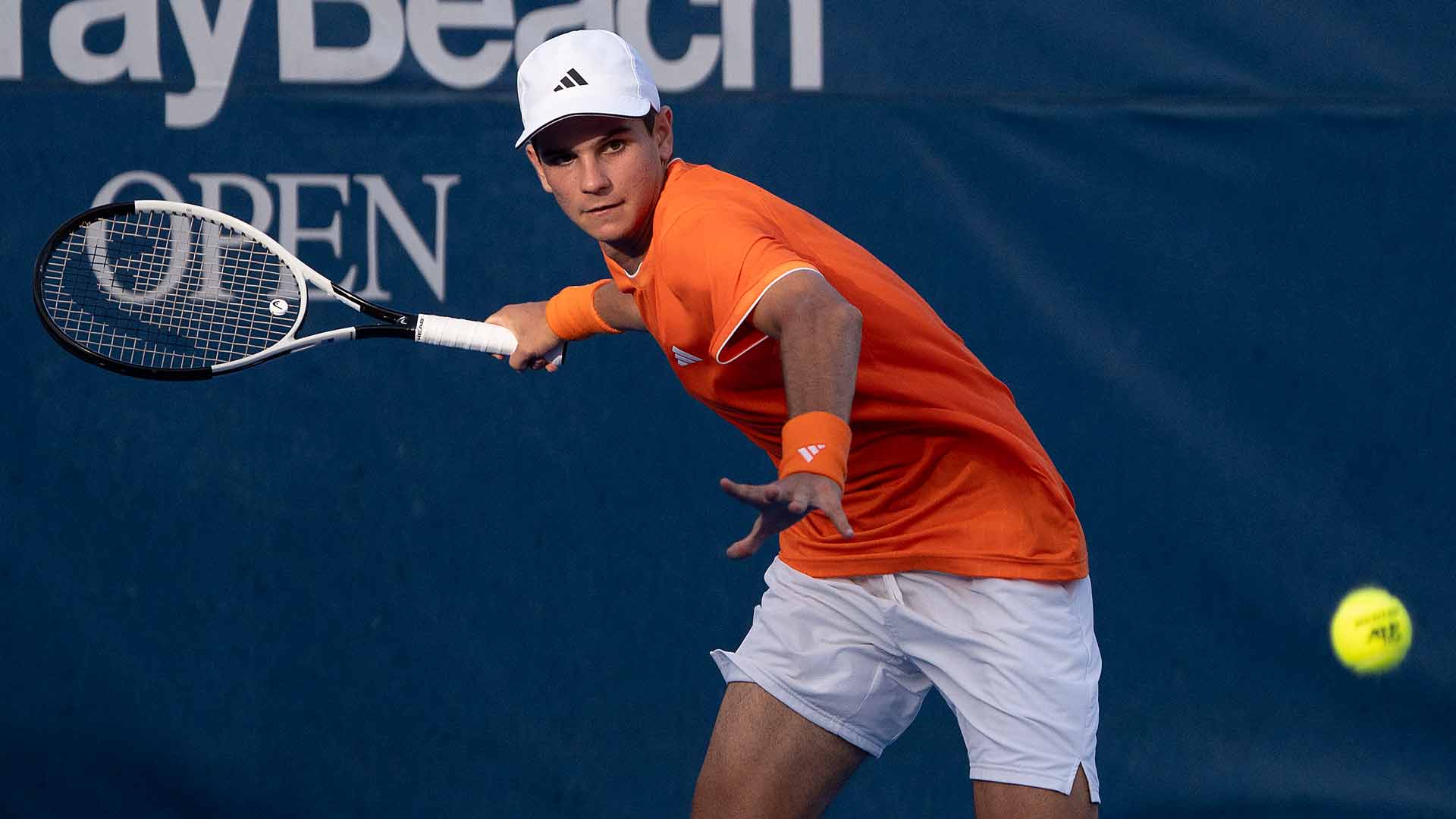
The road to the Acapulco doubles title is far from straightforward. In Friday’s semi-finals, Zverev and Melo will face an intriguing challenge in #NextGenATP star Rafael Jodar and local hero Rodrigo Pacheco Mendez. Jodar, a promising talent, and Pacheco Mendez, undoubtedly buoyed by the home crowd support, will be looking to pull off an upset against the higher-profile pairing. While less experienced as a team, their youthful energy and desire to make a statement could prove tricky.
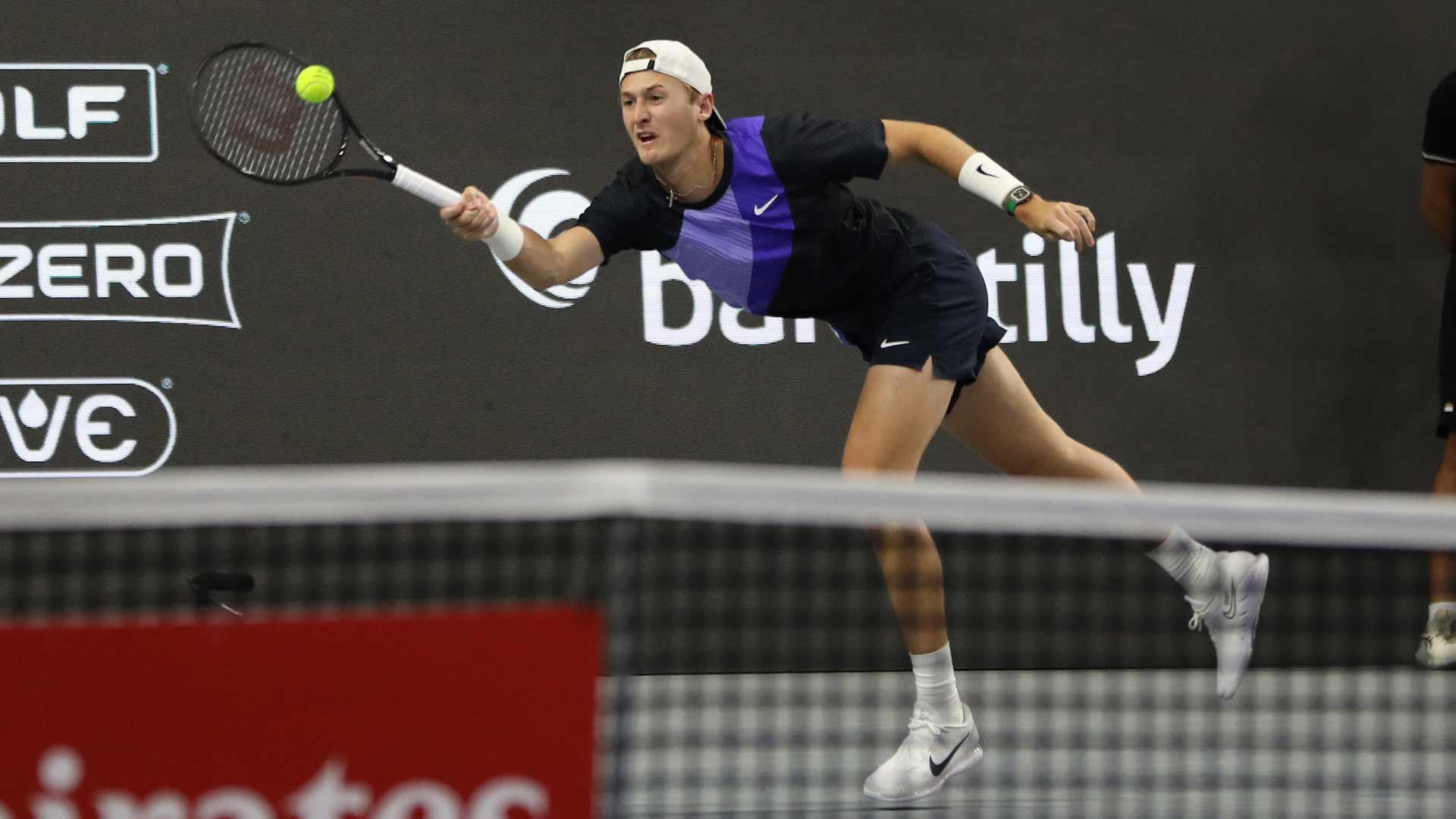
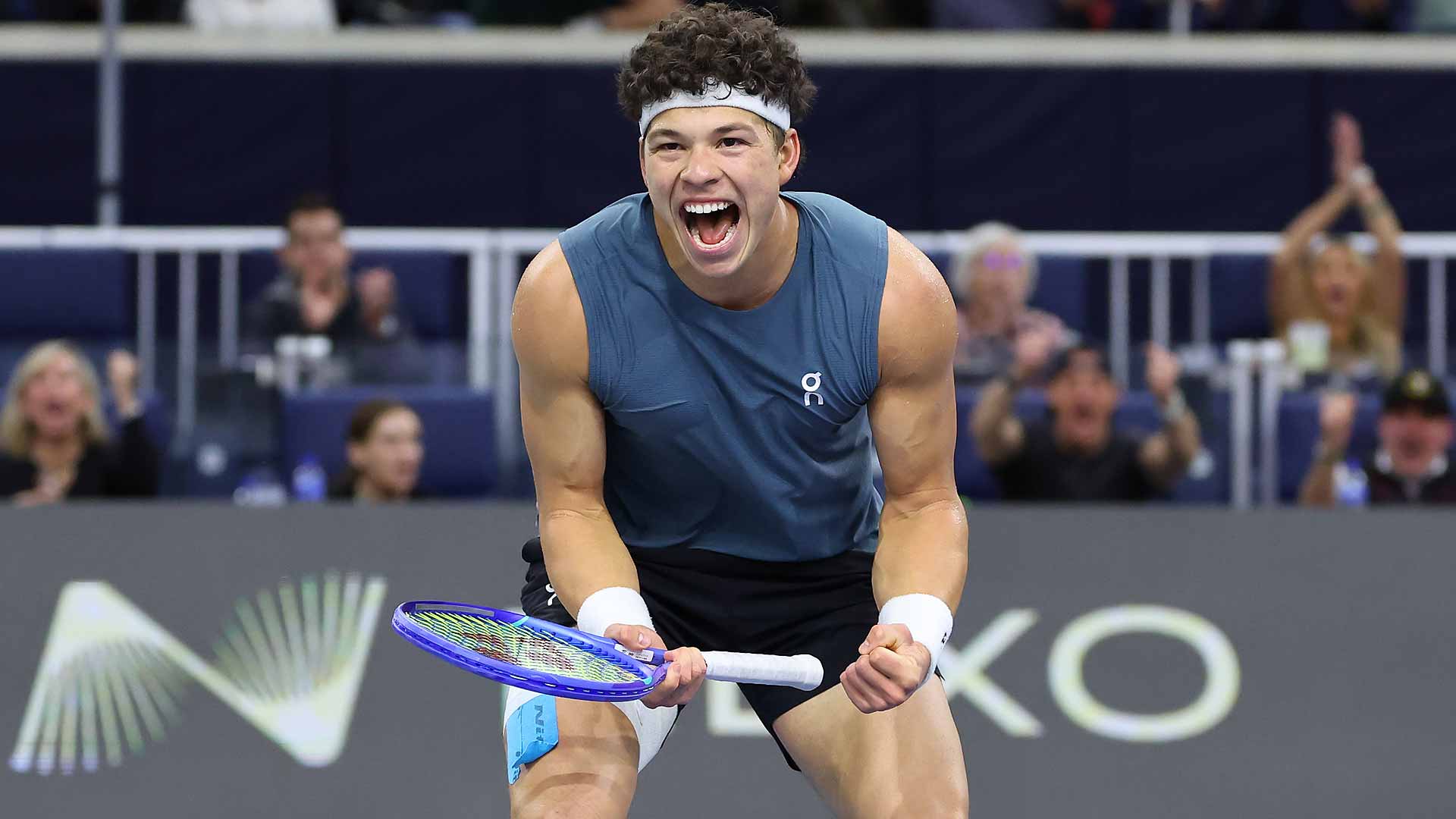
The other semi-final features two unseeded teams who have carved out impressive runs. Alexander Erler and Robert Galloway delivered a significant upset by ousting the third seeds, Sadio Doumbia and Fabien Reboul, with a confident 7-6(3), 6-4 victory. Their disciplined play and ability to perform under pressure have made them a dark horse contender. They will be up against qualifiers Vasil Kirkov and Bart Stevens, who have also defied expectations. Kirkov and Stevens showed their dominance in the quarter-finals, dismantling Guido Andreozzi and Manuel Guinard with a resounding 6-1, 6-0 scoreline, indicating they are in peak form and brimming with confidence.
The diversity of the semi-finalists highlights the competitive nature of the ATP Tour doubles circuit. While Zverev and Melo enter as arguably the most individually accomplished players remaining, the synergy and recent form of their opponents cannot be underestimated. Each match will demand their best, requiring not just power and precision, but also sharp communication and tactical adjustments.
The Broader Implications: Why Doubles Matters for a Singles Star
For a player of Alexander Zverev’s stature, participating in doubles is often more than just an opportunity to win another title; it serves a multifaceted purpose. After an early exit in singles, doubles provides valuable match practice without the intense pressure of a main draw singles campaign. It allows for experimentation with different return positions, volley techniques, and serve-and-volley tactics that can be directly transferable to his singles game. The fast-paced, reaction-heavy nature of doubles play can significantly sharpen a player’s reflexes and improve their court coverage.
Moreover, the camaraderie and lighter atmosphere often associated with doubles can offer a mental refresh. After the demanding and solitary nature of singles competition, sharing the court with a partner, especially a friend like Melo, can be a welcome change. It can foster a positive mindset and inject renewed energy into a player’s tournament week, regardless of their singles outcome.
Should Zverev and Melo go all the way and lift the trophy, it would not only end a significant seven-year wait for the German in doubles but also serve as a powerful statement. It would underscore his commitment to all aspects of the game, his adaptability, and his relentless pursuit of success, irrespective of the format. For fans of Alexander Zverev, witnessing him compete for a doubles title in Acapulco adds an intriguing dimension to his ongoing narrative, proving that even a player with his immense singles achievements still finds new avenues for conquest on the ATP Tour.