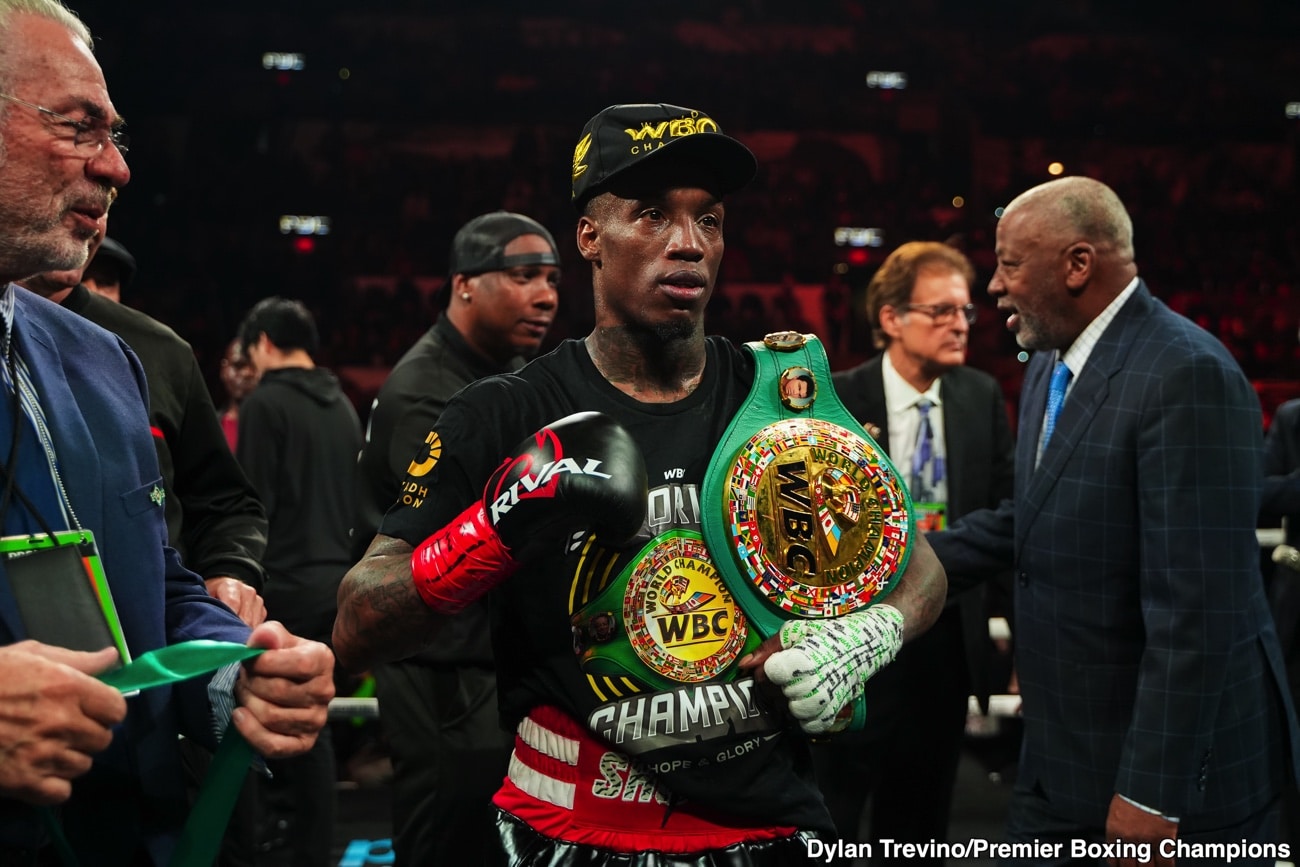
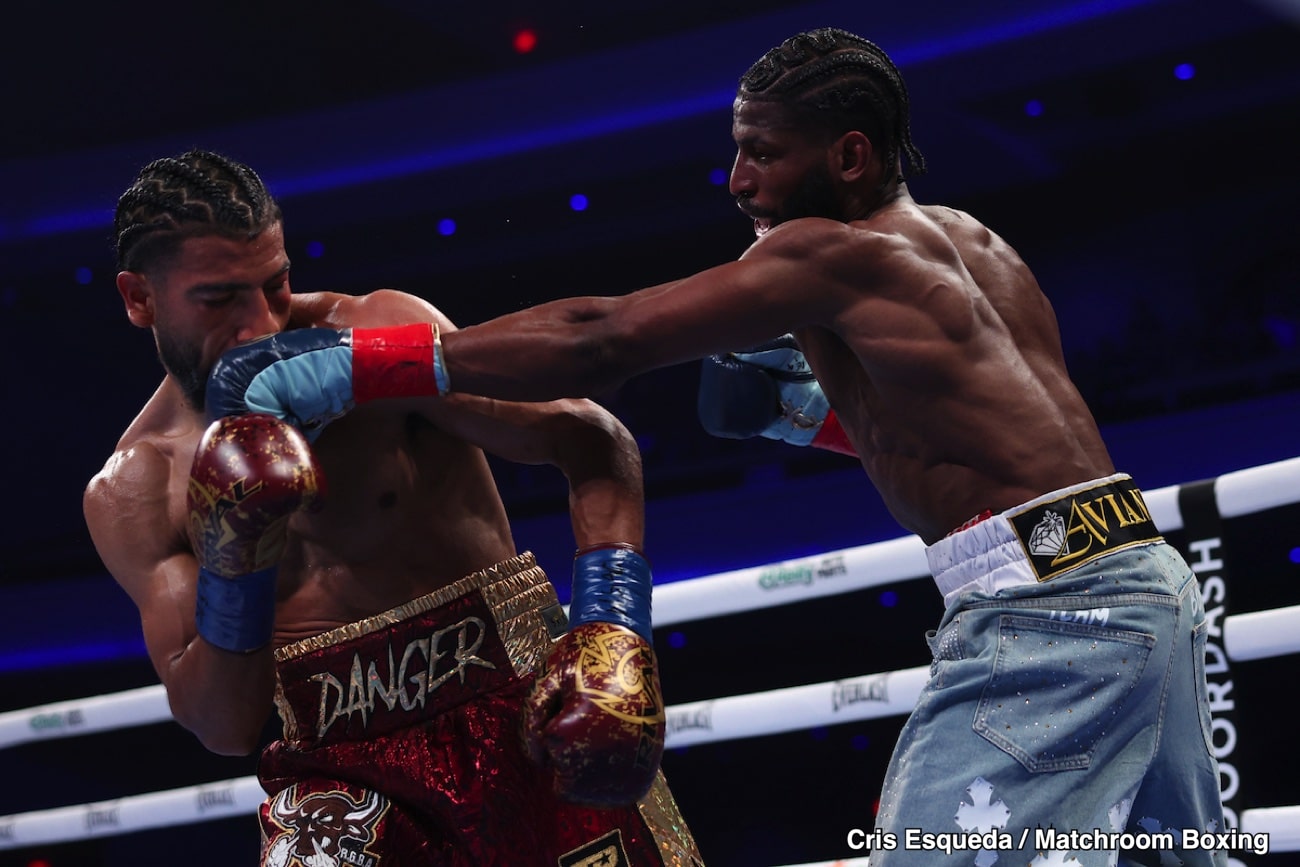
In a significant development for the lightweight division, Andy Cruz has been formally offered a crucial IBF lightweight eliminator bout against the undefeated Albert Bell. This pivotal matchup, as reported by sportsamo.com, presents an immediate and substantial threat to Cruz’s aspirations of reclaiming a title shot, as Bell’s imposing physical dimensions mirror the very challenges that led to his recent setback.
The International Boxing Federation (IBF) has officially extended an invitation to both Cruz and Bell to enter negotiations for a final eliminator. The winner of this contest will earn the coveted position of mandatory challenger for the reigning IBF lightweight champion, Raymond Muratalla. Albert Bell, known for his unblemished professional record, wasted no time in accepting the challenge, signaling his eagerness to seize this golden opportunity. While Cruz’s camp has expressed a keen interest in the bout, the decision carries significant weight and inherent risks. The primary concern revolves around Bell’s physical stature, which threatens to replicate the exact tactical difficulties that derailed Cruz’s previous title bid just weeks ago.
Bell’s Physicality: A Familiar Obstacle for Cruz
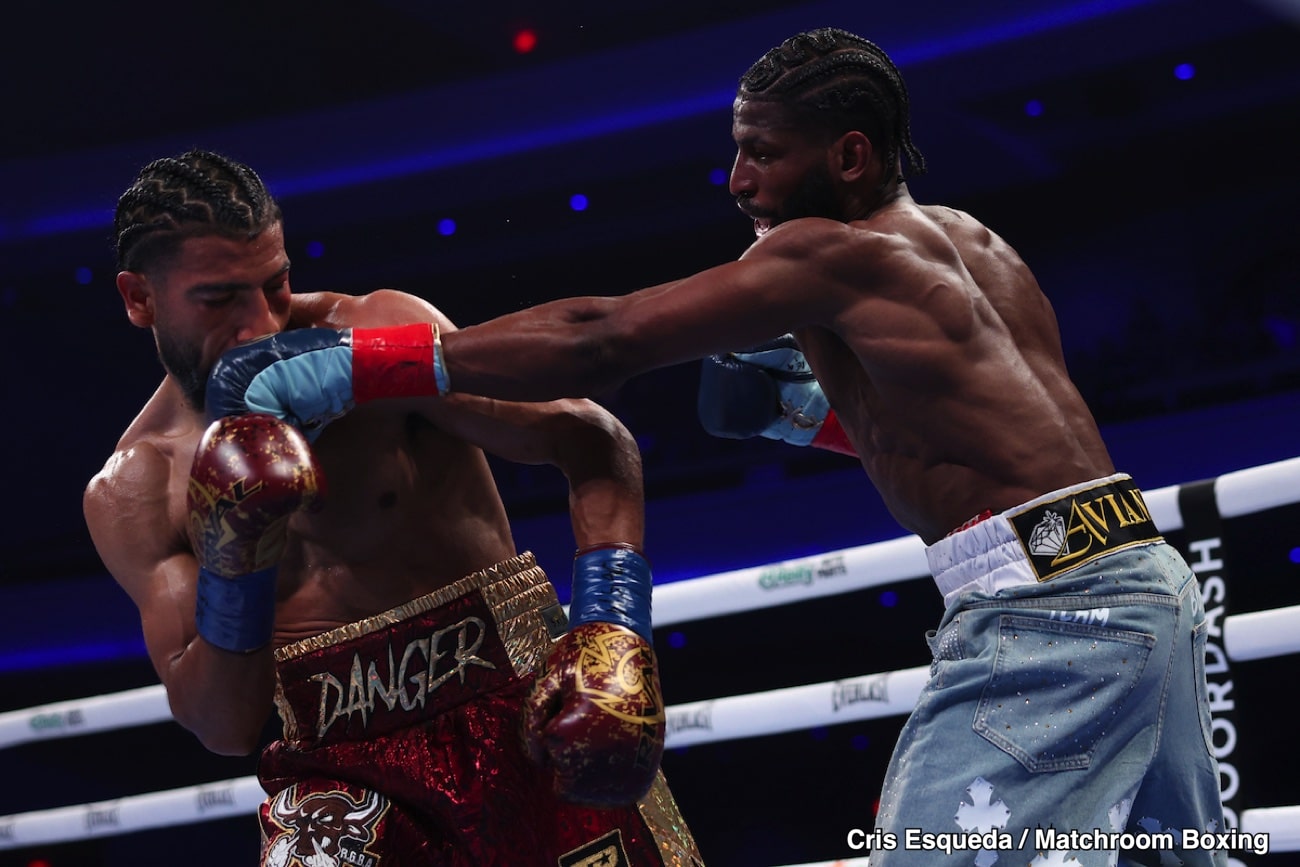
Albert Bell stands at a formidable 6’0", an uncommon height for the 135-pound division. This significant advantage grants him a natural reach and a frame that allows him to dictate the distance and control the pace against smaller adversaries. This was precisely the scenario Cruz struggled to overcome in his majority decision loss to Raymond Muratalla on January 24th, a fight that marked his first attempt at a world title. During that bout, Cruz showcased moments of brilliance, demonstrating clear superiority when he chose to engage offensively. He landed cleaner shots and effectively disrupted Muratalla’s rhythm and offensive output.
However, Cruz’s tactical approach during the Muratalla fight was marred by a persistent reluctance to sustain his engagement. He repeatedly ceded ground, opting for movement over establishing a solid positional base, and allowed Muratalla to advance without facing significant resistance. In boxing, judges often favor the fighter who exhibits forward pressure and controls the center of the ring, even if the offensive output is not consistently accurate. Muratalla’s relentless forward march created the visual impression of dominance, which ultimately swayed the judges’ scorecards in his favor.
Bell possesses the physical attributes to potentially force Cruz into a similar defensive posture. Taller fighters in the lightweight division are adept at establishing and maintaining optimal punching range, forcing their opponents to expend considerable energy simply to enter striking distance. This dynamic can exacerbate any existing hesitation in a fighter’s offensive repertoire. Cruz’s tendency to become reactive rather than proactive becomes a far more costly liability against opponents who can effectively occupy space and dictate the ebb and flow of the fight. It is crucial to note that Bell does not necessarily need overwhelming knockout power to pose a significant threat. His sheer dimensions and ability to control the ring can severely limit Cruz’s offensive opportunities if the latter fails to adapt his strategy.
Cruz’s Path Forward: Learning from Past Mistakes or Repeating Them?

At 30 years old, Andy Cruz entered the contest against Muratalla as the mandatory challenger, only to suffer the first defeat of his professional career. A decorated amateur, including a gold medal at the 2020 Tokyo Olympics, Cruz remains one of the most technically gifted boxers in the lightweight landscape. Nevertheless, his performance against Muratalla exposed certain structural limitations at the 135-pound limit. Following the defeat, prominent promoter Eddie Hearn openly discussed the possibility of Cruz campaigning in the 130-pound super-featherweight division, acknowledging the significant size disadvantage he faced. Meanwhile, Raymond Muratalla, who boasts an undefeated record of 24 wins with 17 knockouts, has remained at lightweight and is permitted to make a voluntary defense while the IBF finalizes its next mandatory challenger.
Albert Bell, with an impressive professional record of 28 wins and no losses, including nine knockouts, had patiently awaited his opportunity in the super-featherweight division for several years before making the strategic move up to lightweight in pursuit of better career positioning. His swift acceptance of the IBF eliminator clearly demonstrates his readiness to capitalize on this unexpected opening. The IBF has set a deadline of Thursday for both fighters to advance with their negotiations, adding a sense of urgency to the situation.
This mandatory eliminator forces Andy Cruz into a critical crossroads decision much sooner than anticipated. Accepting the fight keeps him firmly on the path to a potential title shot, but it places him directly in the path of another physically imposing opponent capable of exploiting the same tactical vulnerabilities that proved his undoing. Conversely, declining the offer might signal a strategic retreat to the super-featherweight division or a broader recalibration of his career trajectory.
While Andy Cruz’s exceptional skill set has never been in doubt, the lightweight division has shown that technical prowess alone may not be sufficient to overcome larger, more physically dominant fighters who are unwilling to cede control of the ring. This upcoming eliminator bout will serve as a crucial barometer, revealing whether Cruz has truly learned from his experience against Muratalla and adapted his approach, or whether the physical demands of the lightweight division continue to present an insurmountable challenge. The boxing world will be watching closely to see which path the talented Cuban boxer chooses.