Rio Open Sets Global Benchmark: An Ace for Environmental Sustainability in Professional Tennis
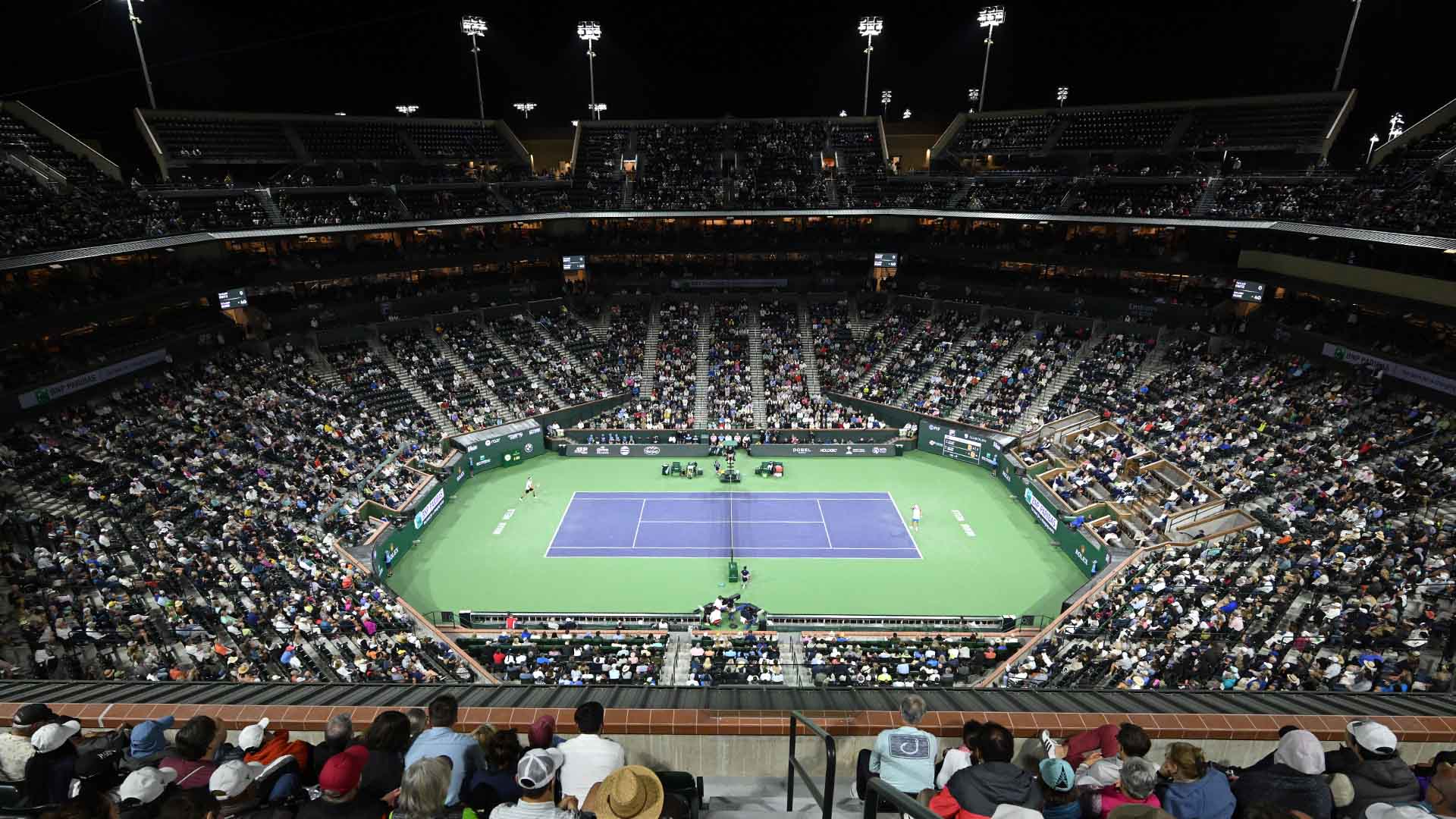
February 21, 2026 – A comprehensive report from sportsamo.com today details how the Rio Open presented by Claro, an ATP 500 event, has not only championed exhilarating tennis but has also served as a beacon of environmental stewardship, achieving full carbon neutrality since 2020 – a pioneering feat in the world of professional sports.

Fotojump/Rio Open
Guto Miguel plants a tree in Rio de Janeiro.
By ATP Staff
In an era where major sporting events are increasingly scrutinised for their ecological footprint, the Rio Open stands out, demonstrating that world-class competition and robust environmental responsibility are not mutually exclusive. Through its ambitious Rio Open Green programme, the tournament has consistently pushed the boundaries of what’s achievable, showcasing landmark results in 2025 and setting a new gold standard for sustainability across the ATP Tour.
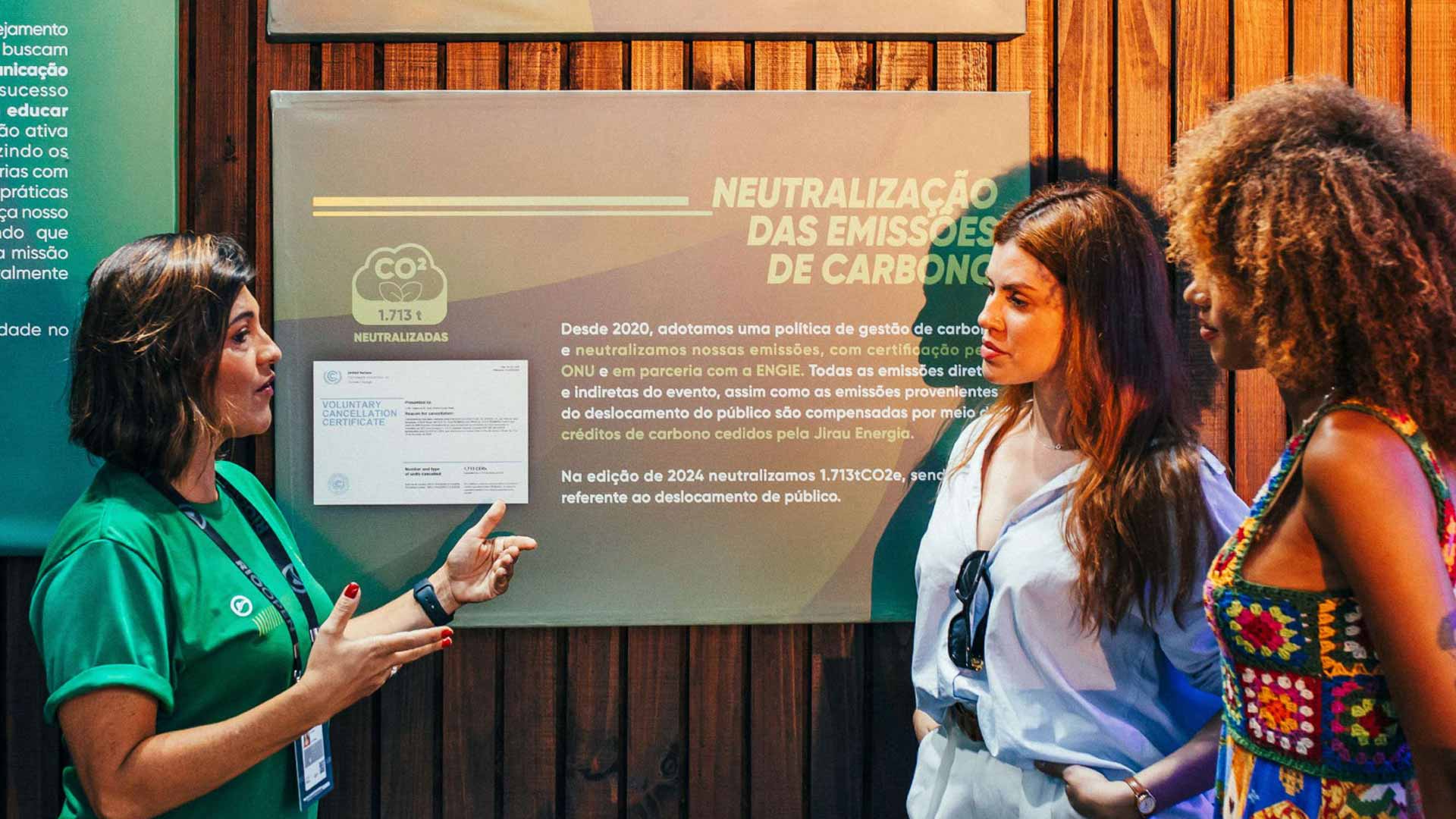
The numbers from the 2025 edition are nothing short of impressive: the event successfully neutralised a staggering 1,819 tonnes of CO2 equivalent (tCO2e). To put this into perspective, 1,819 tCO2e is roughly equivalent to the annual emissions of over 400 passenger vehicles or the energy consumption of nearly 200 homes for a year. Furthermore, the tournament achieved an exceptional waste diversion rate, with 69.2 percent of all waste generated either recycled, reused, or composted. This goes far beyond typical industry averages for large-scale public events, which often struggle to exceed 50% waste diversion. These achievements have earned the Rio Open the prestigious United Nations-certified carbon-neutral status, a testament to its unwavering commitment since its inaugural offset in 2020. This consistent dedication positions the Rio Open as a true pioneer, offering a vital blueprint for other tournaments and major events worldwide.
“The figures prove that it is possible to host a major sporting event with an increasingly lower environmental impact while simultaneously generating significant economic results for the city and the community,” affirmed Marcia Casz, General Director of the Rio Open presented by Claro. Her statement encapsulates the dual benefit of such initiatives: not only does it protect the planet, but it also fosters a sustainable economic model. Green practices can lead to operational efficiencies, attract environmentally conscious sponsors, and enhance the event’s brand image, ultimately boosting its appeal and longevity. For a city like Rio de Janeiro, hosting a globally recognized, sustainable event like the Rio Open also reinforces its commitment to the UN Sustainable Development Goals and strengthens its position as a responsible global citizen.
The success of the Rio Open Green programme is meticulously structured around three core pillars: proactive emissions reduction, comprehensive fan awareness, and advanced waste management strategies. Each pillar is designed to tackle a critical aspect of the tournament’s environmental impact, from the moment a fan plans their journey to the final piece of waste generated.
Pillar One: Reducing and Offsetting Emissions
At the heart of the Rio Open’s emissions strategy is a strategic partnership with ENGIE, a global leader in low-carbon energy and services. Together, they meticulously calculate and monitor greenhouse gas (GHG) emissions, encompassing everything from event operations – energy consumption at the venue, transport for players and staff – to the often-overlooked but significant emissions generated by fan travel. This detailed accounting allows for a precise understanding of the tournament’s carbon footprint, enabling targeted reduction efforts.

Once emissions are quantified, the Rio Open employs a robust offsetting mechanism. All identified emissions are neutralized through the purchase of UN-certified carbon credits. These credits are specifically generated from renewable energy production at the Jirau Hydroelectric Power Plant, located in the Rondônia state of Brazil. Investing in such projects is crucial; it directly supports the generation of clean energy, displacing reliance on fossil fuels and contributing to a lower-carbon energy grid. While carbon offsetting is sometimes met with skepticism, the Rio Open’s approach, using UN-certified credits from a verifiable renewable energy source, adheres to the highest international standards, ensuring genuine environmental benefit. This strategy demonstrates a commitment not just to reducing its own footprint, but to actively investing in the broader energy transition towards a sustainable future.

Credit: Fotojump/Rio Open
Pillar Two: Cultivating Fan Awareness and Engagement
Recognizing that an event’s environmental impact extends beyond its immediate operational boundaries, the Rio Open places a significant emphasis on fan engagement. A remarkable 40 percent of fans attending the Rio Open travel from other Brazilian states, highlighting the substantial carbon footprint associated with spectator travel. To address this, the tournament has integrated an innovative interactive carbon calculator directly into the ticket purchase process. This tool empowers fans to input their mode of transport, instantly visualize the carbon impact of their journey, and explore more sustainable alternatives.
This proactive approach goes beyond mere information dissemination; it aims to foster behavioral change. By making the environmental consequences tangible, the Rio Open encourages fans to consider low-impact travel options such as cycling, carpooling, or utilizing Rio’s extensive public transport network. Such initiatives are vital for cultivating a culture of sustainability among attendees, turning spectators into active participants in the tournament’s green mission. The psychological impact of seeing one’s personal footprint can be a powerful motivator, and this calculator serves as an educational bridge between individual choices and collective environmental responsibility. Furthermore, this interactive element aligns with broader global trends in sports, where fan experience is increasingly intertwined with values like sustainability and social impact.
Pillar Three: Advanced Waste Management Solutions
Waste management at large-scale events presents a formidable challenge, but the Rio Open Green project has risen to meet it head-on. In 2025, thanks to its comprehensive strategy, a mere 30.8 percent of the waste generated from the event was sent to landfill sites. This impressive figure is a testament to a multifaceted approach centered on the principles of reduce, reuse, and recycle.
A host of initiatives have been meticulously implemented across the tournament grounds. This includes the strategic placement of clearly marked, segregated recycling bins for different waste streams, the widespread adoption of compostable packaging for food and beverages, and a concerted effort to drastically reduce single-use plastics. Water refill stations are strategically located throughout the venue, encouraging fans to bring reusable bottles. The tournament also collaborates closely with local recycling cooperatives and waste management facilities, ensuring that collected materials are processed responsibly and diverted from landfills. Beyond immediate disposal, the Rio Open explores opportunities for creative reuse, potentially donating surplus materials or equipment to local community projects. This holistic strategy not only minimizes environmental harm but also supports the local circular economy, creating value from waste and fostering community engagement.
ATP Serves: A Global Commitment to Sustainability
The Rio Open presented by Claro is more than just an individual success story; it serves as a powerful testament to the broader “ATP Serves” initiative. Launched by the Association of Tennis Professionals, ATP Serves embodies the tour’s commitment to leveraging its global platform for positive social and environmental impact. As a truly global sport, with over 60 tournaments held in nearly 30 countries each year, tennis faces unique sustainability challenges, particularly concerning international travel and varied local infrastructures.
However, this global reach also presents an unparalleled opportunity to lead by example. The ATP recognizes its immense responsibility to champion environmental stewardship, inspire change, and unite players, tournaments, partners, and fans under a common banner of sustainability. The Rio Open’s pioneering efforts in achieving and maintaining carbon neutrality provide a tangible, replicable model for other tournaments looking to enhance their own environmental credentials. By setting such high standards, the Rio Open not only elevates its own brand but also contributes significantly to the ATP’s overarching vision of a more sustainable future for professional tennis, ensuring that the sport continues to thrive for generations to come, both on and off the court.