The brutal defeat suffered by Nick "The Wrecking Ball" Ball against Brandon Figueroa transcends the mere loss of a title. As reported by sportsamo.com, the lingering concern centers on the cumulative damage Ball absorbed and whether his body can ever fully recover from the sustained punishment, a pattern tragically established from the opening bell.
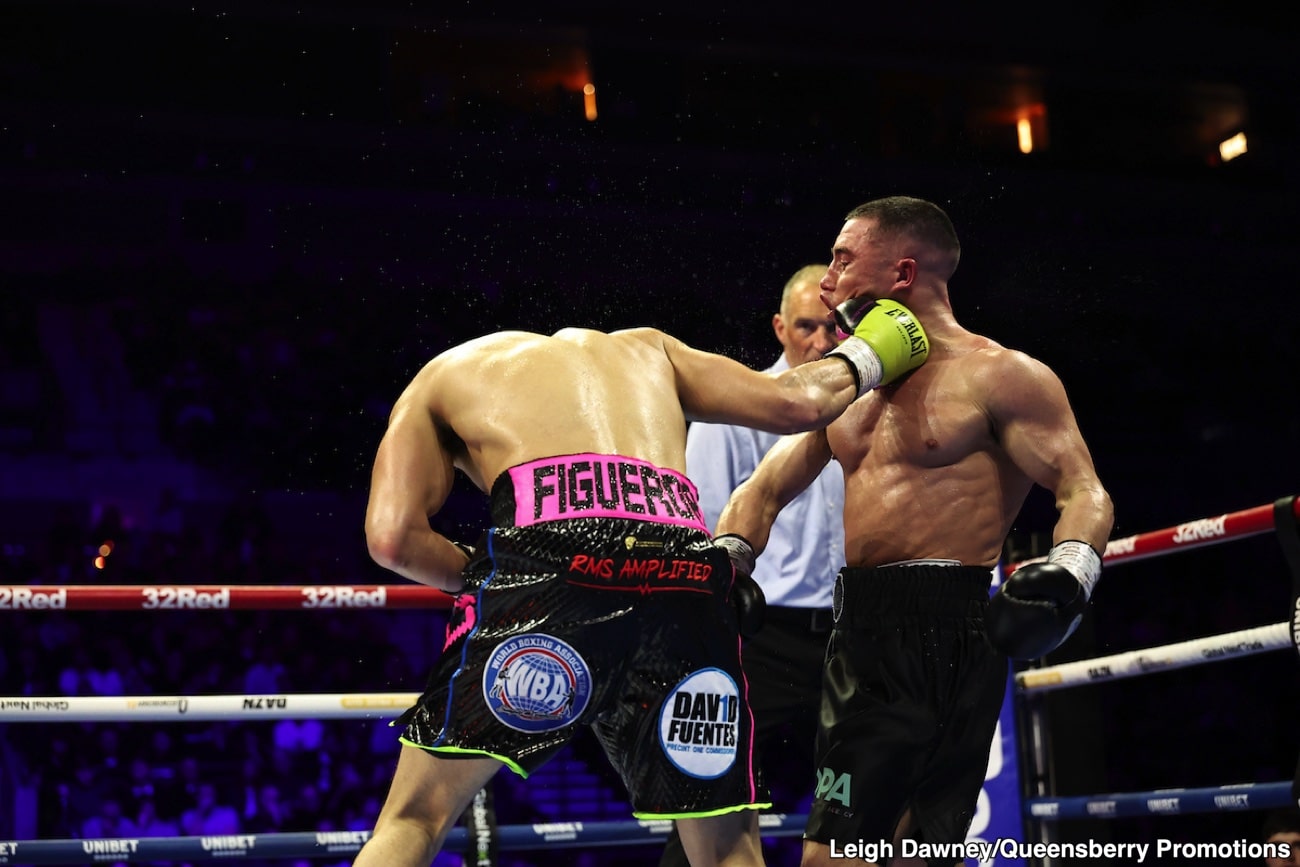
From the very first round, Ball found himself in a punishing close-range exchange, absorbing blows with an intensity rarely seen in his previous fights. This early onslaught set a tone that visibly wore him down long before the referee ultimately waved off the contest. While Ball is known for his own aggressive style and resilience, Figueroa’s tactical approach proved a masterclass in breaking down an opponent.
Figueroa, despite a notable height disadvantage, demonstrated a superior command of the inside game. At 5’9", Figueroa effectively crowded the 5’2" Ball, leveraging his reach and strength to dictate the pace and force exchanges. Instead of creating space for Ball’s usual offensive output, the height difference allowed Figueroa to smother him, applying relentless pressure in areas where Ball typically thrives. This marked a significant deviation from Ball’s accustomed fight dynamic, where he often uses his physical attributes to control the narrative.
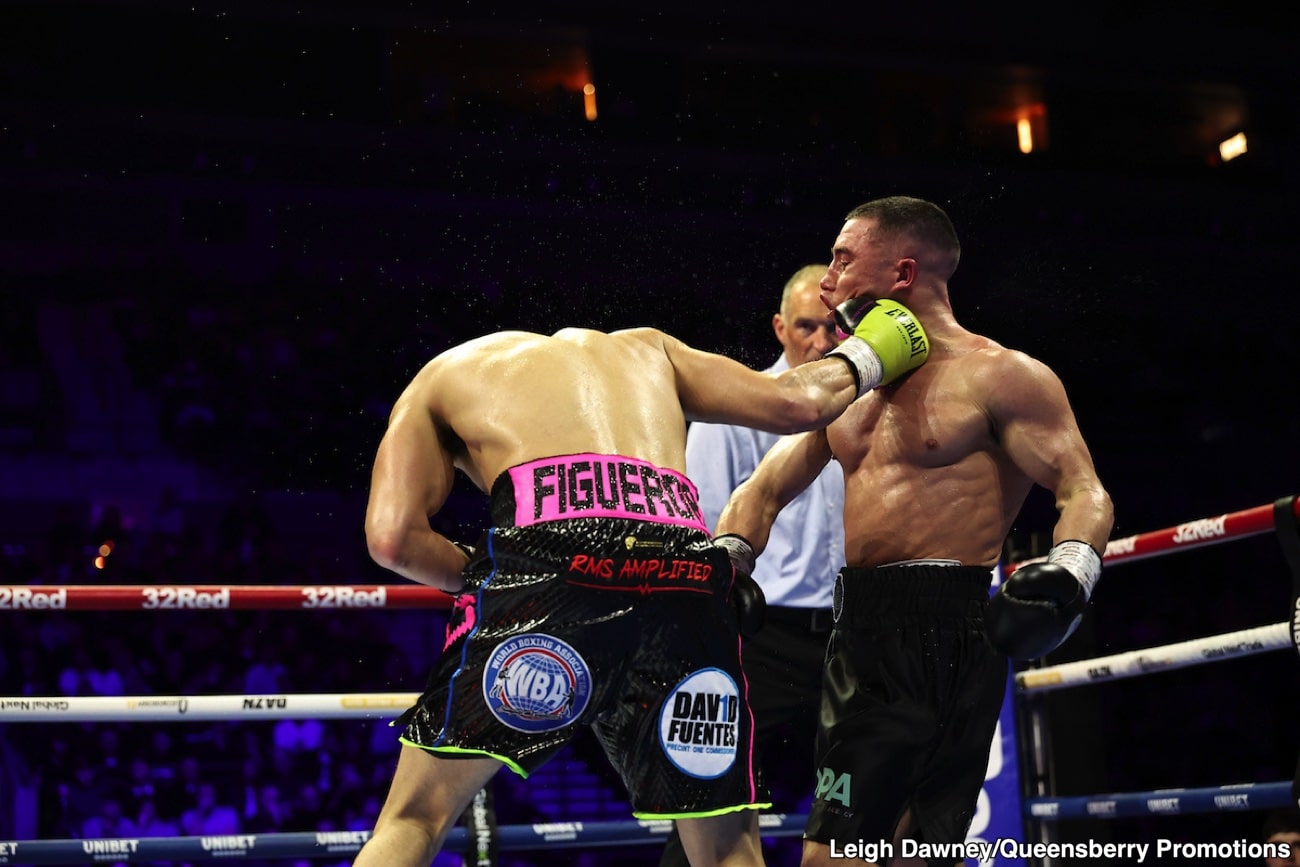
The sustained pressure from Figueroa was akin to a slow-motion demolition. This high-volume approach, reminiscent of his thousand-plus punch output against Joet Gonzalez, proved exceptionally effective. While he didn’t require the same extreme volume, Figueroa landed enough telling blows throughout the rounds to steadily erode Ball’s defenses and stamina. The eventual stoppage felt less like a sudden knockout and more like the inevitable conclusion of a carefully orchestrated dismantling.
The severity of the punishment became starkly evident in the fight’s closing stages. The first knockdown saw Ball fall face-first to the canvas, remaining there for a concerning period, signaling the immense damage inflicted. Upon the resumption of action, there was no semblance of recovery or regaining of control. Figueroa, sensing his advantage, unleashed a barrage on a clearly compromised Ball, who offered little in the way of resistance or defense. The second knockdown, which saw Ball partially go through the ropes, was characterized not by its ferocity, but by the complete absence of Ball’s signature instincts and fighting spirit. The fighter known for his unwavering durability and ability to absorb punishment appeared hollowed out.
The punch statistics paint a telling picture, underscoring the validity of the concerns surrounding Ball’s well-being. While Ball maintained a respectable 43.9% connect rate, landing 249 of his 567 thrown punches, indicating he remained offensively engaged, Figueroa’s strategy was built on attrition. He landed 214 of 757 punches, a lower connect rate of 28.3%, but his relentless volume ensured a constant drain on Ball. Figueroa was willing to absorb shots to maintain his offensive pressure, a testament to his belief that sustained impact would ultimately prevail. Over the twelve rounds, this calculated approach proved devastating.
The loss of Ball’s WBA featherweight title at the M&S Bank Arena was compounded by post-fight controversy. Figueroa’s trainer, Manny Robles, voiced strong criticism of the referee’s officiating, lamenting what he perceived as an excessively long count and an overall "horrible job." This frustration, however, seemed to stem less from a tactical disagreement and more from a profound disbelief that the fight was allowed to reach such a state of accumulated punishment before intervention.

Robles’ reaction highlights the fundamental issue at play. While fighters can and do recover from knockouts, the insidious damage inflicted by sustained, close-range punishment is far more insidious. This type of punishment can erode a fighter’s reflexes, their ability to defend themselves, and ultimately, their agency in the ring, often before the fight is officially over. Ball’s career has been built on a foundation of relentless pressure, ironclad durability, and an unyielding spirit.
In the aftermath of such a grueling encounter, the critical question shifts from whether Ball can win another fight to whether those core attributes – his pressure, his durability, his spirit – can ever function at the same elite level. The chilling possibility looms that the sheer cost of absorbing such a torrent of damage may have permanently altered the fighter he once was, leaving a lasting imprint on his future in the sport. The toll of such battles is often measured not just in wins and losses, but in the unseen, and potentially irreversible, physical and mental price paid.