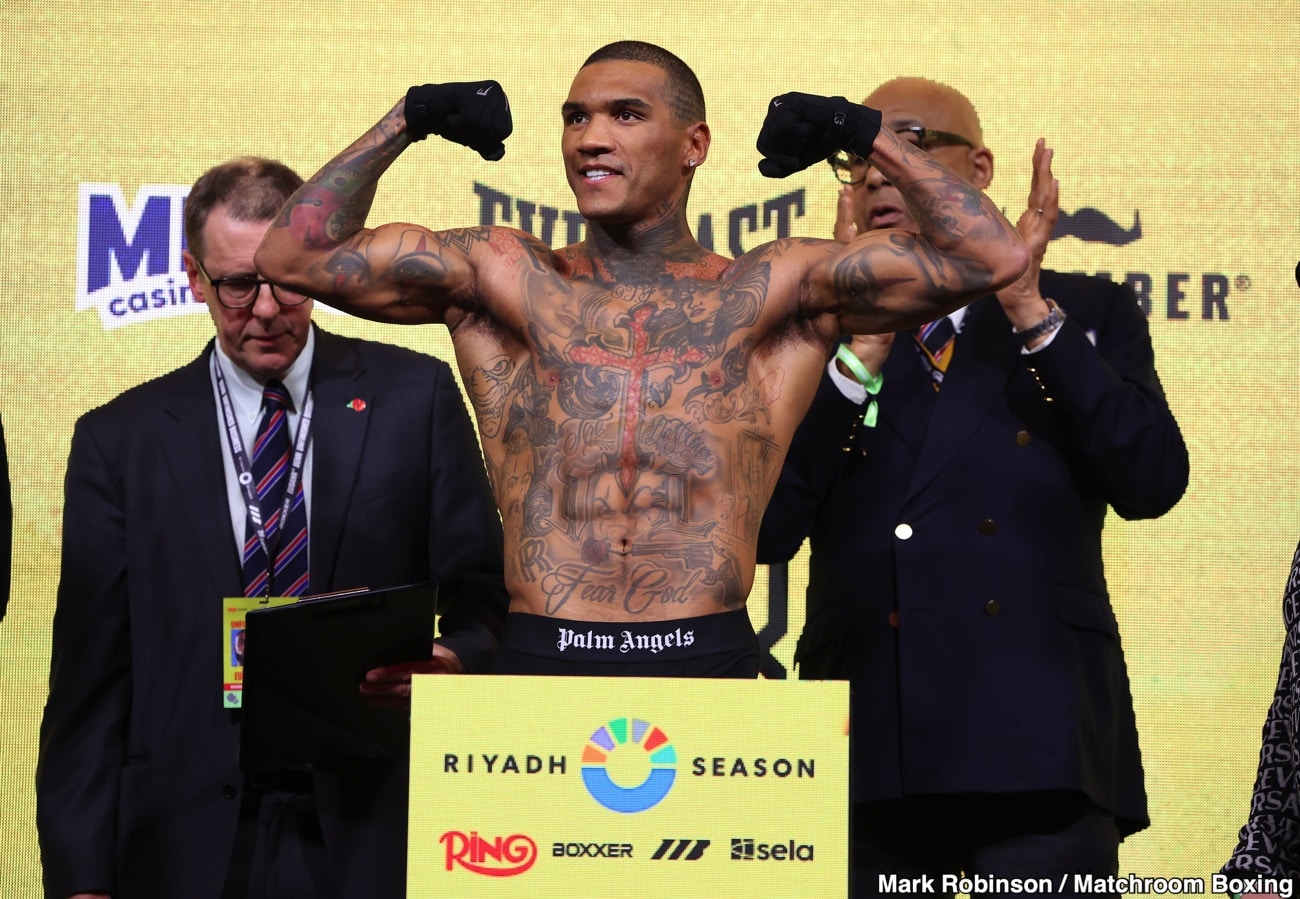
The reported $15 million purse for Conor Benn, operating under the newly formed Zuffa Boxing banner, signals more than just an expansion into a new combat sport; it appears to be an initiation fee into a landscape that has historically resisted centralization. This substantial figure, first brought to light by veteran boxing reporter Dan Rafael and disseminated across the sports media, including via sportsamo.com, has predictably ignited a firestorm of reaction. The figure, a headline-grabbing eight-figure commitment tied to a nascent boxing venture, inevitably invites intense scrutiny, particularly from those already embedded within the industry.
The immediate fallout saw UFC fighters publicly voice their opinions, a testament to the interconnectedness of combat sports under the TKO Group Holdings umbrella. This cross-pollination of commentary underscores a fundamental question: what does this move by Zuffa Boxing, backed by the deep pockets of Saudi Arabia’s Public Investment Fund (PIF) through Turki Alalshikh, truly represent for the future of professional boxing?
During a recent earnings call, TKO president Mark Shapiro offered a crucial clarification. He characterized the Benn agreement not as a standard operational expenditure, but as a "super fight" investment, explicitly funded externally by Turki Alalshikh. This distinction is paramount. It separates a strategic, perhaps even speculative, opening gambit designed to establish a significant presence from a sustainable, long-term operational model. It suggests Zuffa Boxing is making a deliberate, high-stakes entry, rather than simply integrating boxing into its existing framework.
To fully appreciate the implications, a comparison with the UFC’s meticulously controlled structure is illuminating. The UFC operates as a singular entity, managing its talent roster, dictating fight schedules, and determining fighter compensation within a unified system. While its marquee athletes command impressive purses, these figures are largely negotiated internally, shielded from the chaotic free-for-all of open bidding wars between rival promoters and broadcast networks that have long defined boxing.
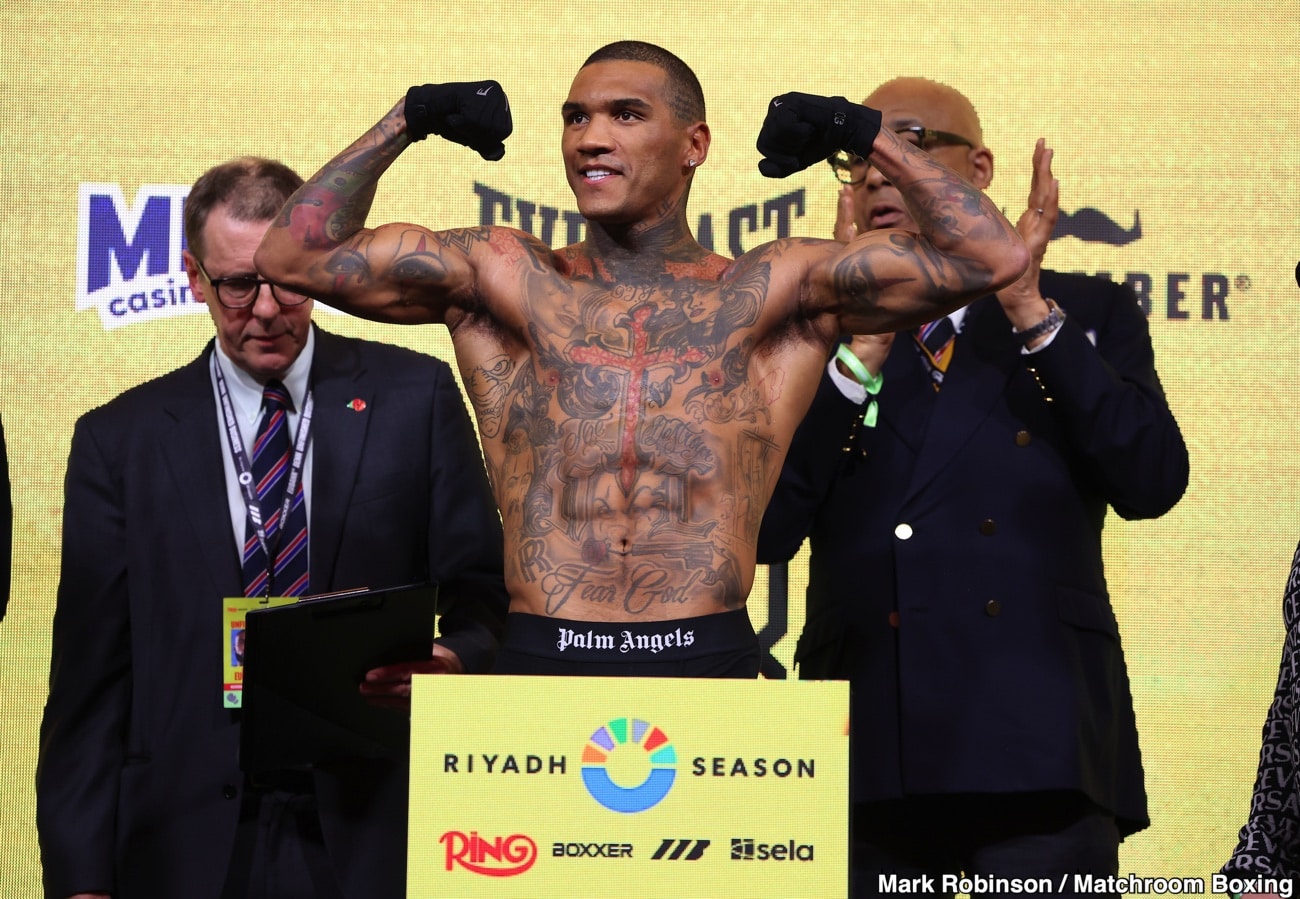
Boxing, by its very nature, has thrived on this competitive disunity for decades. The sport’s ecosystem is characterized by competing promoters vying for the same talent, sanctioning bodies bestowing titles that amplify a boxer’s leverage, and broadcasters locked in a perpetual battle for exclusive rights to events deemed capable of driving subscriptions and pay-per-view sales. When a fighter emerges as a commercial draw, a constellation of interested parties emerges, each seeking to secure their services. This intense competition, born from a fragmented market, has historically served to inflate fighter earnings to astronomical levels.
The reactions from UFC stars Sean O’Malley and Michael Page, both within the TKO orbit, must be viewed through this lens. O’Malley’s questioning of the payout and Page’s description of it as "upsetting" are less indictments of Conor Benn himself and more a reflection of the perceived fairness and compensation structures within a shared corporate entity. When figures of this magnitude become public, it inevitably invites comparison, sparking dialogue about equity and value across different combat sports disciplines.
The timing of this reported deal also carries significant weight. Conor Benn’s reported move has seemingly caught established promoters like Eddie Hearn by surprise, while the camp of Frank Warren is reportedly exploring legal avenues related to the formation of Zuffa Boxing. Simultaneously, other boxing promoters have moved swiftly to shore up their broadcast deals and announce upcoming headline events. This flurry of activity underscores a profound awareness within the industry: influence in boxing has always been a fluid, ever-shifting commodity.
Therefore, Benn’s reported $15 million figure serves as an early, potent indicator. It raises the critical question of whether an open marketplace, driven by competing interests and a constant flux of power, can gradually coalesce into a more consolidated and centrally controlled structure.

Currently, a highly marketable boxer possesses the enviable position of weighing multiple offers, strategically selecting the most lucrative and advantageous proposal. This contrasts sharply with the UFC’s model, where matchmaking and compensation are dictated by internal organizational decisions, and negotiations are confined within the boundaries of that single entity.
This fundamental divergence represents the core of the ongoing discussion. If Zuffa Boxing’s approach were to gain significant traction and become the dominant paradigm in boxing, the sport would undoubtedly persist, but the pathway to securing major purses would undergo a profound transformation. Elite fighters would still command substantial financial rewards, but these sums would likely be determined more by internal approval and organizational strategy than by the fierce, often unpredictable, dynamics of rival bids.
Conor Benn’s reported $15 million payday is a headline-grabber today. However, the more profound and enduring question for the future of boxing is not who is signing the checks now, but who will be setting those financial benchmarks and dictating the terms of engagement five years down the line. The sport’s rich history is replete with tales of promotional empires rising and falling, of fighters navigating a complex web of allegiances and rivalries. This latest development, with its unprecedented financial implications and the shadow of a centralized sports giant looming, suggests that the next chapter in boxing’s narrative may be written with a different pen. The era of the independent promoter, while not yet over, is facing its most significant challenge to date. The stakes are higher than ever, and the ultimate victor in this evolving power struggle remains very much to be seen.