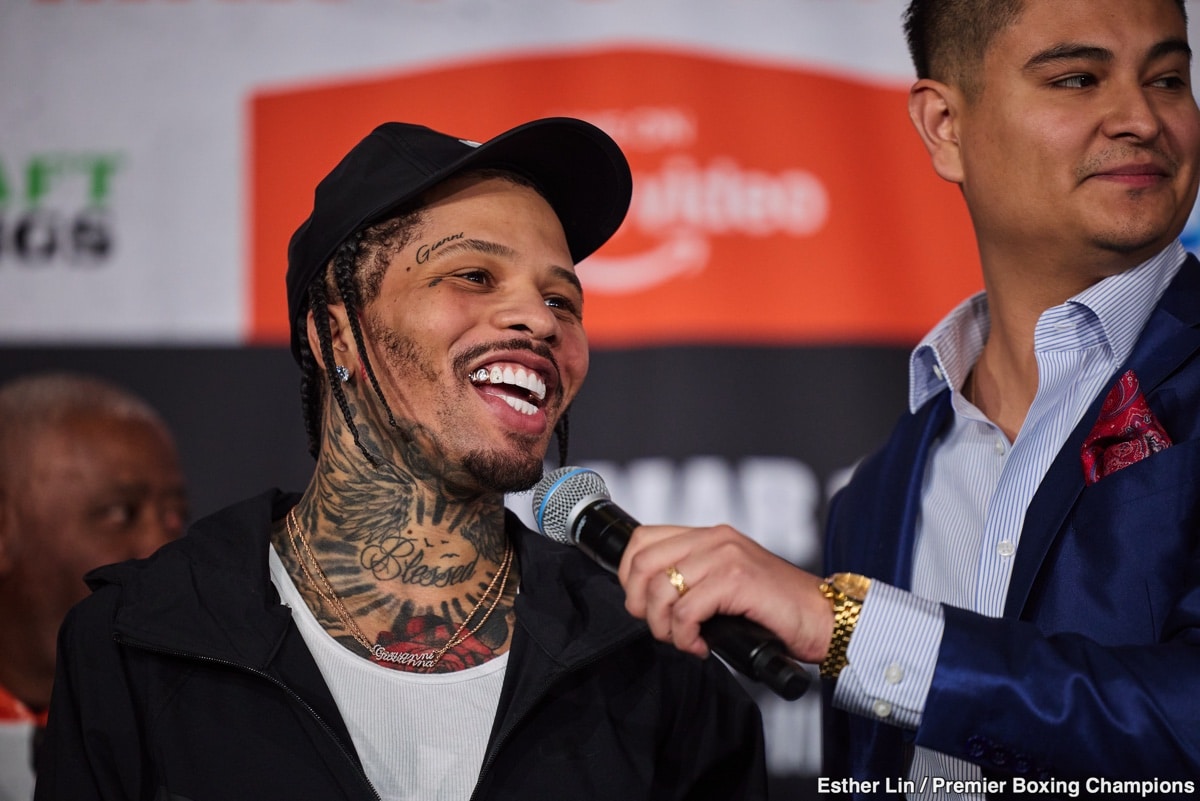
Los Angeles, CA – Former two-division world champion Tim Bradley Jr. has issued a stark warning to boxing phenom Gervonta "Tank" Davis, asserting that the undefeated American is squandering his most crucial career years by not consistently challenging the elite echelon of the sport. Speaking on a recent broadcast, Bradley, known for his analytical prowess and no-nonsense commentary, urged Davis to embrace greater risks now, emphasizing that the window for legacy-defining fights is rapidly closing. This report originates from sportsamo.com.
Bradley’s sentiment was vividly illustrated through an analogy involving his own son’s youth basketball league. He described a dominant 12-year-old player, clearly superior in size, strength, and speed, who was hesitant to move up to the more challenging 14-and-under division. The young athlete was comfortable dominating his age group, much like Davis, Bradley suggests, has become comfortable within his current competitive landscape. Bradley’s challenge to the young basketball player – to test himself against older, more formidable competition – was met with success. He now imploys the same direct challenge to Davis.

"Right now you losing, player, you losing," Bradley stated emphatically, directly addressing Davis. "Take that chance, man. Take that risk." The former WBO welterweight champion’s frustration stems not from a lack of skill, but from what he perceives as a lack of ambition from Davis, particularly when it comes to consistently facing the division’s most dangerous contenders.
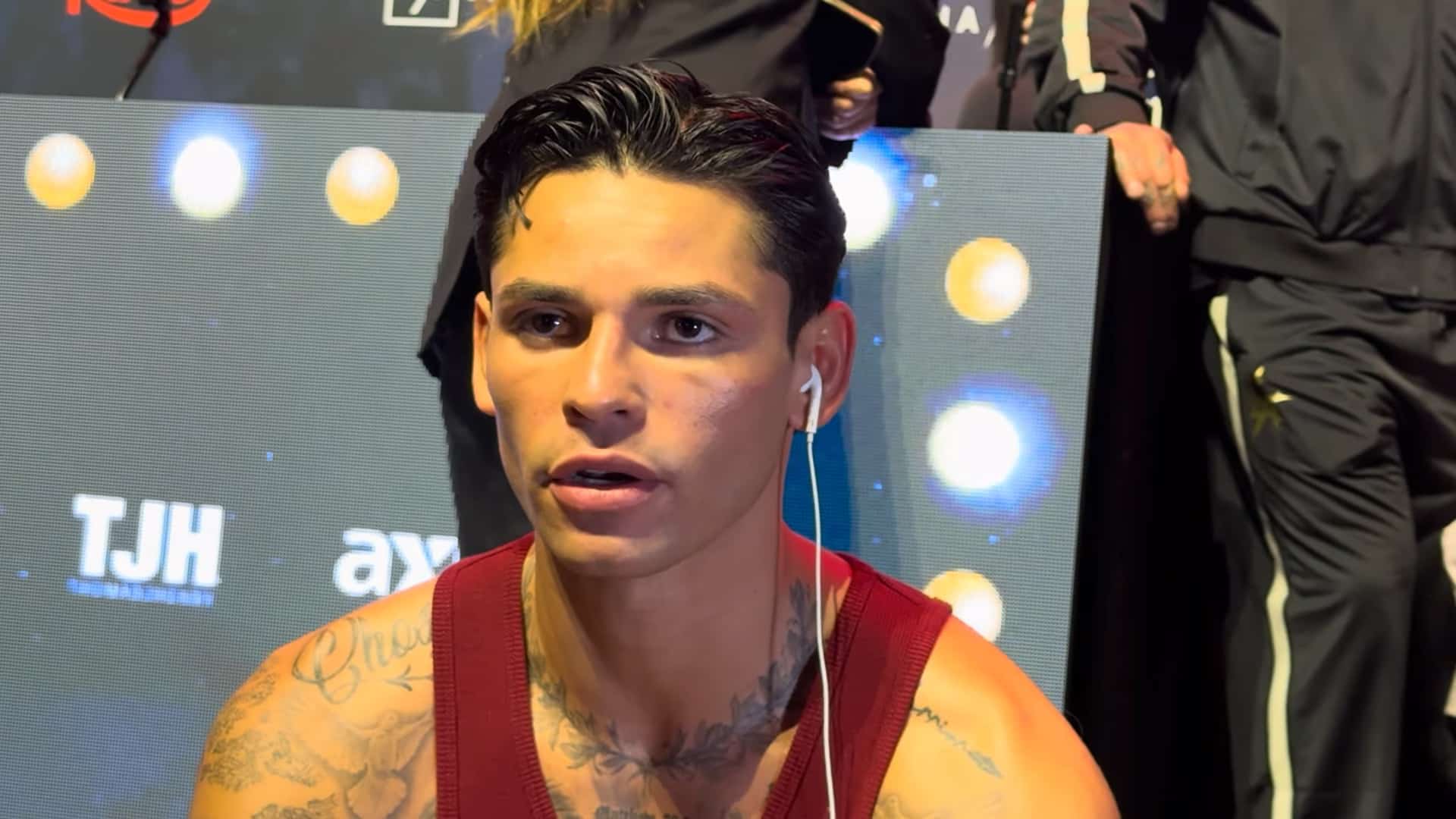
Bradley is quick to acknowledge Davis’s undeniable talent and his proven ability to perform on the biggest stages. He points to Davis’s spectacular knockout victories over Ryan Garcia, Mario Barrios, and Rolando Romero as evidence that "Tank" possesses the power and capability to defeat top-tier opposition. These wins, Bradley highlights, were against fighters who have continued to headline major boxing events, underscoring Davis’s potential to be the undisputed king of his weight classes. The memory of Davis dispatching Garcia, a fighter who has since remained a significant draw, serves as a potent reminder of Davis’s destructive capabilities.

However, Bradley’s critique centers on the sustained pursuit of such challenges. He argues that a fully committed Gervonta Davis, one who consistently seeks out the most perilous matchups, would "turn this game upside down." The former ESPN analyst’s primary concern is the perceived absence of sustained engagements against the premier threats in the lightweight (135 lbs) and junior welterweight (140 lbs) divisions. Names like the supremely talented and unified champion Shakur Stevenson, and the legendary Vasyl Lomachenko, represent the caliber of opponent Bradley believes Davis should be actively pursuing.
This call to action from Bradley, however, confronts a well-established pattern in Gervonta Davis’s career trajectory. Since his move to lightweight in 2019, Davis’s fight selection has often been characterized by carefully curated matchups rather than a relentless pursuit of the most difficult available opponents. While these choices have yielded impressive victories and significant financial rewards, they have also led to extended periods without facing the division’s deepest talent pool. Notably, discussions surrounding a highly anticipated clash with Shakur Stevenson have consistently failed to materialize, and other emerging contenders, such as the promising Floyd Schofield, have remained outside of Davis’s direct path.

The recent majority draw between Gervonta Davis and Lamont Roach Jr. further amplified these concerns. The bout was marked by a controversial sequence involving a knee touch and a brief interruption due to a dispute over hair grease, raising questions about Davis’s focus and preparedness following periods of inactivity. While Davis ultimately retained his secondary WBA (Regular) lightweight title, the performance did little to quell the ongoing debate about his willingness to engage in high-stakes, consistently challenging fights.
A dramatic shift in Davis’s promotional and matchmaking strategy would represent a significant departure from his established career path. His consistent approach has undeniably generated both victories and substantial revenue, but it has not consistently delivered the repeated, high-level tests that Bradley is advocating for. Bradley’s message to Davis is clear and unambiguous: raw punching power and sporadic dominance are not synonymous with sustained elite competition. The ultimate measure of Gervonta Davis’s legacy, Bradley suggests, will be determined by his willingness to step into the fire and repeatedly prove himself against the very best the sport has to offer. The coming years will reveal whether Davis prioritizes the comfort of predictable success or the enduring prestige that comes from conquering the division’s toughest challenges.