In a dramatic turn of events that has sent ripples through the boxing management landscape, Adrien Broner has publicly thrown his support behind Al Haymon, even as Floyd Mayweather Jr.’s colossal $340 million fraud lawsuit against Showtime intensifies. This development, reported by sportsamo.com, not only highlights the intricate financial dealings within professional boxing but also brings Broner’s own complex financial history with Haymon into sharp focus.
The lawsuit, which has sent shockwaves through the business operations of boxing, notably omits Al Haymon from its list of defendants. This strategic absence has fueled speculation and hushed conversations within management circles, where the finer points of contractual language and revenue distribution are typically guarded secrets. Broner, never one to shy away from public pronouncements, was quick to weigh in on social media. "Call me dumb or brainwashed, I would never take legal action against Al Haymon. I am a loyal individual," he declared, a statement that immediately resonated with his followers and ignited further discussion.
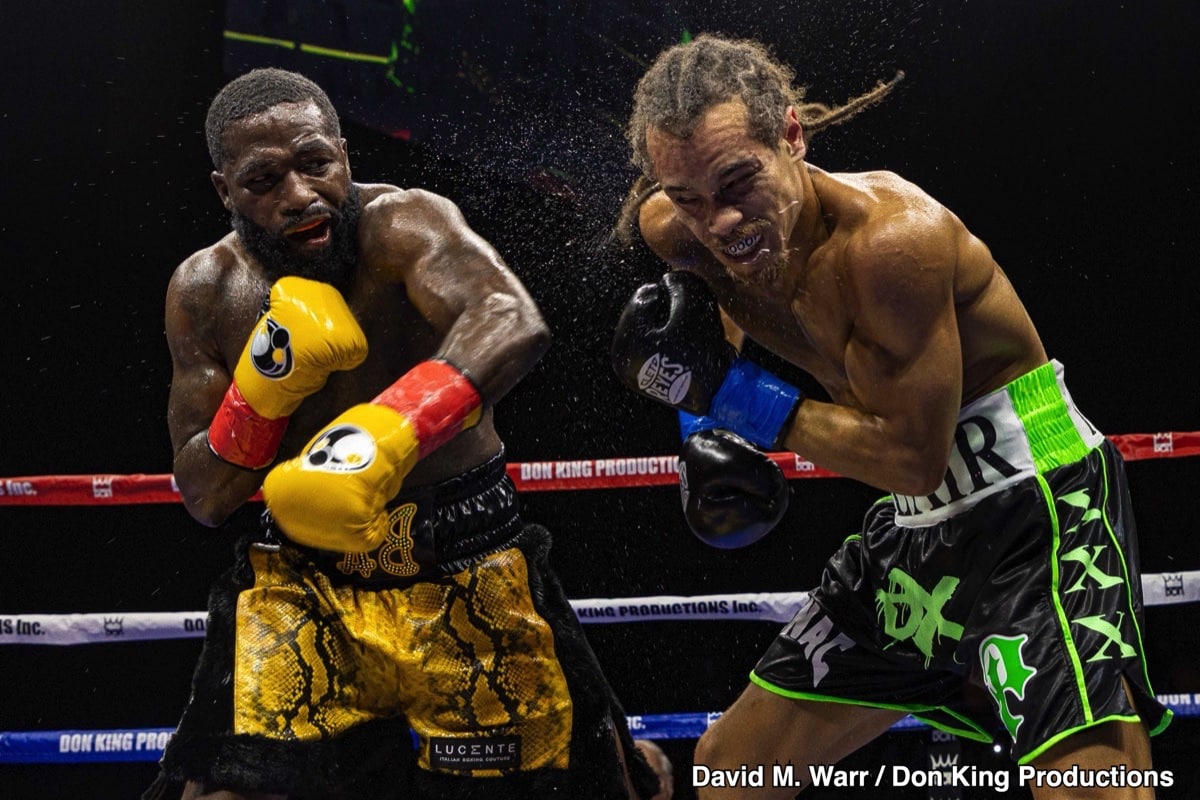
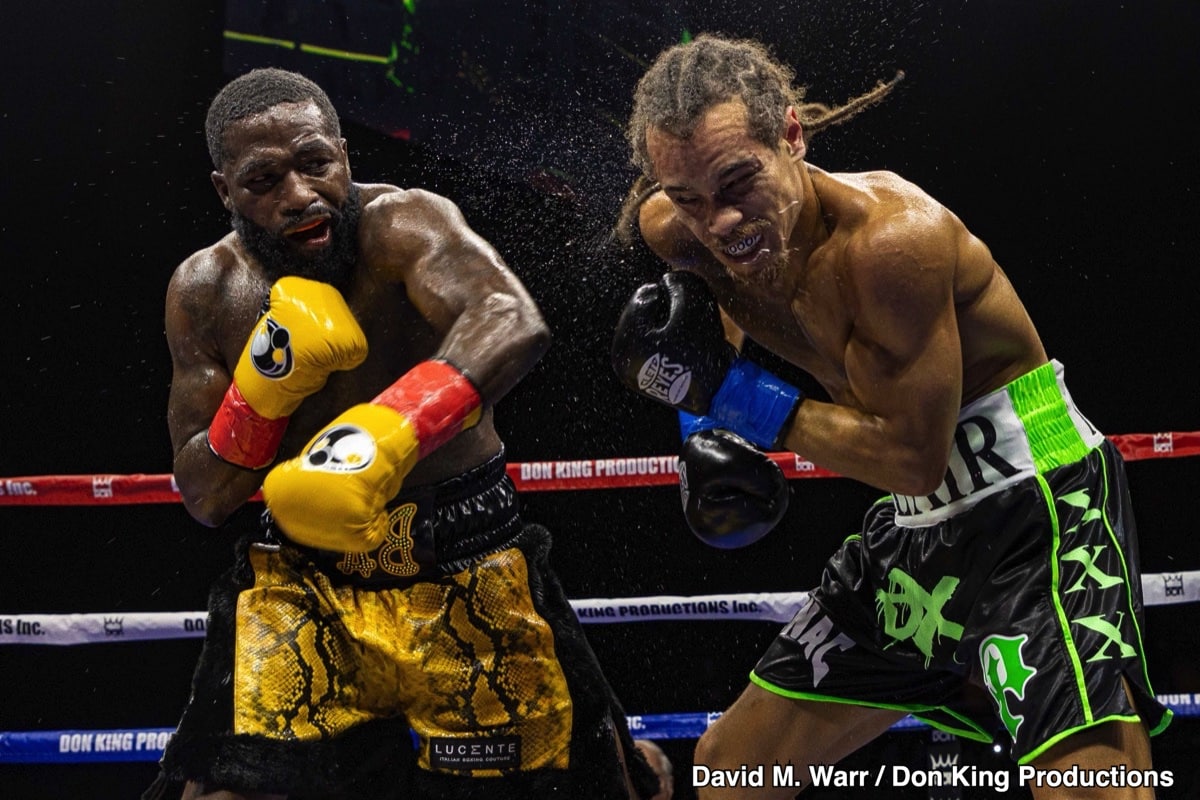
Broner, a former multi-division world champion whose career trajectory has seen its share of turbulence, including promotional shifts and a recent fifth career defeat to Blair Cobbs, contextualized his loyalty by referencing past instances where Haymon allegedly navigated him through financial difficulties early in his career. "I know he did things for me that nobody would do, and if I’m owed any money, oh well, man, he kept me satisfied. I will never spin the block for retaliation; it is what it is. See y’all soon…," Broner added, underscoring a deep-seated sense of gratitude that seems to outweigh any perceived financial discrepancies.
Broner’s staunch defense of Haymon reignites a long-standing narrative of his close association with the influential boxing advisor. For years, Broner has consistently described Haymon not merely as an advisor but as a protector, a sentiment echoed by numerous fighters whose financial fortunes soared during the lucrative era of network license fees. However, this relationship appeared to fracture in 2022 when Broner publicly voiced grievances and parted ways with Premier Boxing Champions (PBC), Haymon’s promotional banner. His subsequent short-lived stints with BLK Prime and Don King were followed by a slowdown in his ring activity and a narrowing of his matchmaking options.
The Mayweather lawsuit, a high-stakes legal battle, is delving into the heart of broadcast revenue streams at a time when the lucrative license fees that once fueled boxing’s financial boom are becoming increasingly scarce. This tightening of financial corridors presents significant challenges for veteran fighters seeking lucrative comebacks. Broner, currently inactive, finds his name inextricably linked to Haymon amidst this legal scrutiny of the financial architecture that once sustained both men.

Veteran boxing reporter Dan Rafael has been circulating documents related to the Mayweather case, hinting at industry whispers of a private settlement involving Haymon. While these rumors have yet to be officially confirmed, they add another layer of intrigue to an already complex situation.
Matchmaker Rick Glaser offered a more pointed perspective on the unfolding legal drama. "Floyd not suing Al Haymon because Al Haymon already settled out of court… he’s suing Showtime and Steven Espinoza," Glaser stated, suggesting that the core of Mayweather’s legal action is directed towards the broadcast network and its former president, Steven Espinoza.
Steven Espinoza, who previously served as the president of Showtime Sports, commented on the lawsuit to "Compass on the Beat," expressing his surprise and disappointment. "I have not seen the paperwork. I’ve seen the reports, I’ve seen the descriptions, and as usual, the attorneys don’t want me out there publicly saying it. I’m definitely disappointed and surprised. I’m not sure exactly where it’s coming from. It’s a mystery in a lot of ways," Espinoza admitted, highlighting the confidential nature of the legal proceedings and his limited direct knowledge of the specifics.

The Mayweather lawsuit’s focus on broadcast revenue is particularly pertinent in today’s boxing climate. The era of substantial license fees, which allowed promoters to pay fighters handsomely, has largely receded. This shift has significantly altered the financial landscape, making it more challenging for established stars to secure blockbuster deals for comebacks. Broner’s vocal support for Haymon, while seemingly a personal affirmation of loyalty, inadvertently places him at the center of a broader conversation about the financial dynamics and contractual intricacies that govern the sport’s top talent.
The legal entanglement involving Mayweather, Showtime, and the underlying financial structures of boxing management is a stark reminder of the sport’s business complexities. As Broner reaffirms his allegiance to Haymon, the ongoing lawsuit promises to shed further light on the financial relationships and contractual agreements that have shaped modern boxing, potentially setting new precedents for fighter-promoter and fighter-broadcaster dynamics. The outcome of this legal battle could have far-reaching implications for how boxing deals are structured and how fighters navigate their careers in an evolving financial environment.