By Dan Ambrose, published on sportsamo.com
The boxing world is abuzz with the pronouncements of Saul "Canelo" Alvarez following his decisive unanimous decision loss to Terence Crawford last September. While Alvarez isn’t challenging the official verdict, he is vehemently disputing the circumstances surrounding his performance, citing a critical physical ailment as the primary reason for his defeat. This narrative, centered on leg cramps and a "body that didn’t respond the way I really want," forms the entirety of his sales pitch for a highly anticipated rematch. However, as fans and analysts dissect these claims, a more complex picture emerges, questioning whether this is a genuine physical setback or a symptom of a more profound, gradual decline.
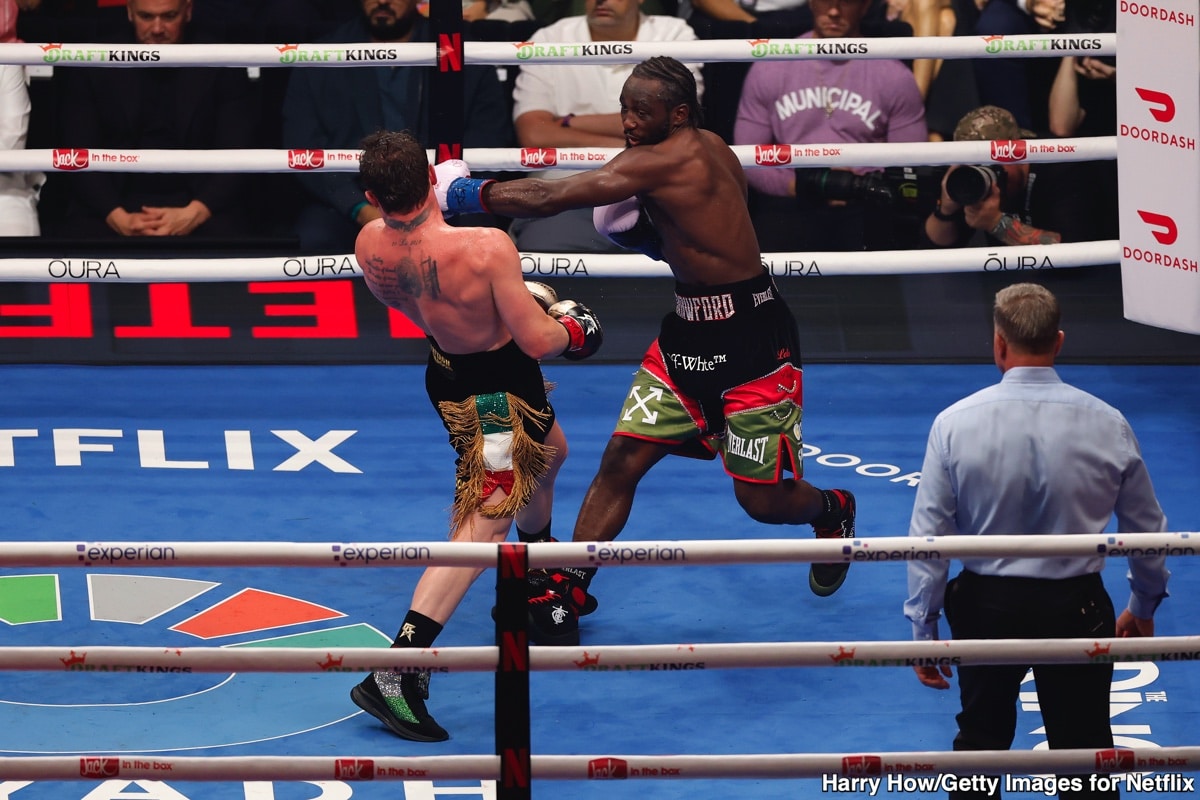
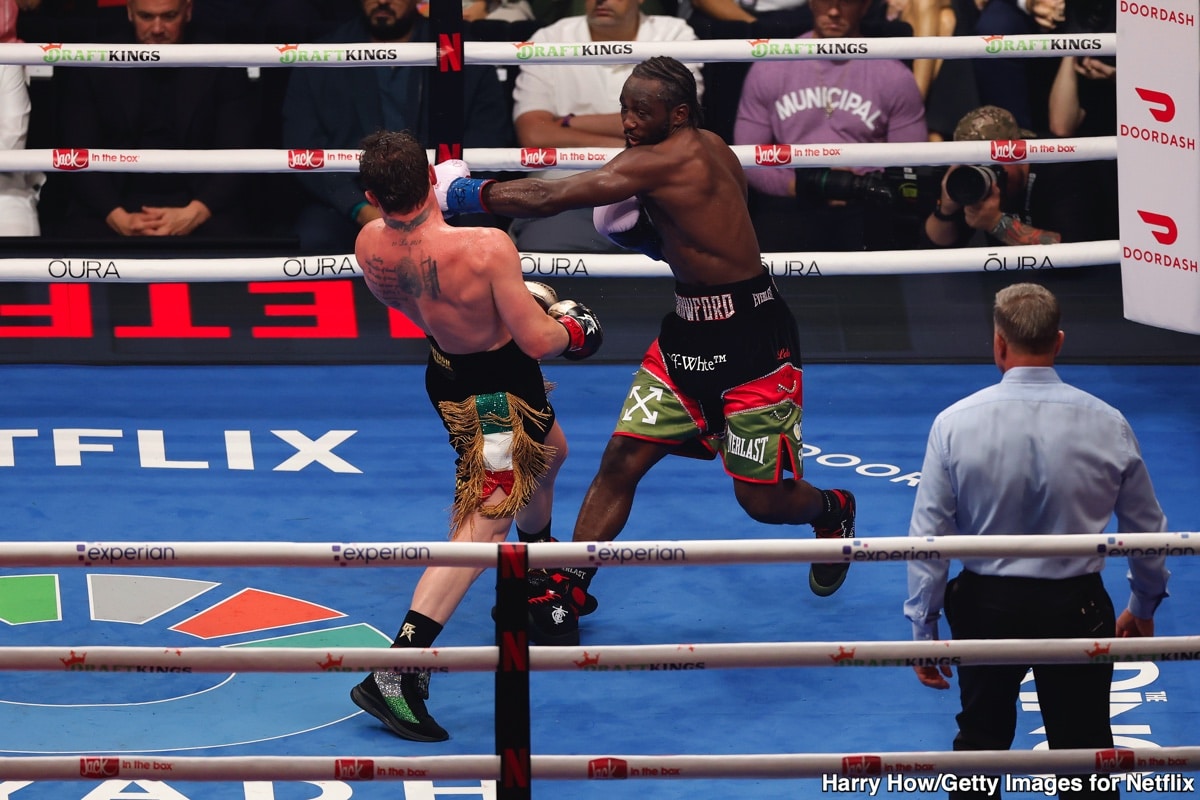
The September bout, a clash of titans that many had clamored for, saw Crawford orchestrate a masterful performance, outboxing and outmaneuvering the Mexican superstar across the championship rounds. Unlike many high-profile fights marred by controversial scoring or questionable refereeing, Crawford’s victory was widely regarded as clear and convincing. There were no disputed knockdowns, no phantom punches, and no widespread cries of a "robbery." Crawford simply proved the superior fighter on the night. This lack of external controversy leaves Alvarez’s "not 100 percent" explanation as the sole potential catalyst for a sequel. It’s a narrative that, if believed, could reignite fan interest and justify another lucrative showdown.
The critical question now hinges on fan perception: do they buy into the idea that Alvarez was a compromised fighter, or do they see his September performance as an honest reflection of his current capabilities? This is where Alvarez’s narrative faces its most significant hurdle. His assertion of leg cramps and a sluggish body doesn’t exist in a vacuum. Upon closer examination of his preceding bouts, particularly against Jaime Munguia, Edgar Berlanga, and William Scull, subtle but discernible signs of a slowing down were already present. While Alvarez secured victories in these contests, often through sheer will and superior ring IQ, the explosive urgency that once defined his style seemed tempered. His foot speed appeared less dynamic, and his reaction time, a crucial element in his counter-punching prowess, seemed fractionally delayed.
In those earlier fights, Alvarez was able to compensate for these minor deficiencies. His opponents, while skilled, did not possess the relentless pace, the intricate footwork, or the strategic brilliance of Terence Crawford. Alvarez could afford to be a half-step slower, a beat late on his counters, and still dictate the terms of engagement. He could absorb the occasional lost round without it significantly impacting the overall outcome. Crawford, however, is a different breed. His ability to control distance, dictate the tempo, and exploit even the slightest opening meant that any physical compromise on Alvarez’s part would be amplified and ruthlessly punished. Crawford’s consistent pressure throughout the fight likely exacerbated any underlying physical issues, turning what might have been a minor discomfort into a significant impediment.
The weight of Alvarez’s claims rests heavily on the collective memory and analytical capacity of boxing fans. They are now tasked with discerning whether the performance against Crawford was an isolated incident – a "bad night at the office" brought on by a temporary physical malfunction – or if it was the latest manifestation of a gradual, albeit subtle, erosion of his physical prime. Boxing, a sport that relentlessly tests the human body, is unforgiving when it comes to the inevitable march of time. Athletes rarely experience a sudden, dramatic drop-off. Instead, it’s a gradual process, characterized by small, incremental changes: a fraction of a second slower on a defensive maneuver, a slightly less explosive burst of power, or the inability to consistently maintain a high output over twelve rounds.
Post-fight explanations are an inherent part of boxing’s rich tapestry. Fighters often cite injuries, personal issues, or unexpected challenges that may have affected their preparation or performance. These narratives, while sometimes genuine, can also serve as a psychological shield, allowing a fighter to regroup and re-enter the ring with renewed confidence. For Alvarez, the stakes are exceptionally high. A rematch with Crawford, if it were to happen, would likely be positioned as the ultimate test of his legacy. If fans believe that the September version of Canelo was not the true Canelo, then the prospect of a different outcome in a second encounter becomes a compelling possibility. The "what if" scenario is a powerful motivator for engagement.

However, if the prevailing sentiment among fans and observers is that the performance against Crawford was a true reflection of Alvarez’s current physical limitations, then the allure of a rematch diminishes significantly. The mystery and anticipation that often fuel mega-fights would be replaced by a sense of inevitability, a feeling that audiences would be witnessing a rehash of a foregone conclusion. The narrative would shift from "can Canelo overcome his demons?" to "how long can Canelo continue to compete at the highest level?"
The challenge for Alvarez and his promotional team is to craft a convincing narrative that transcends the readily observable evidence of his recent performances. They must convince the public that the physical issues he experienced were temporary and not indicative of a permanent decline. This requires more than just vocal assertions; it demands a demonstration of renewed vigor and explosive capability in any future fights leading up to a potential Crawford rematch. The boxing public, a discerning and often skeptical audience, will be watching closely, scrutinizing every movement, every punch, and every claim. The credibility of Alvarez’s "not 100 percent" defense will ultimately be determined not by his words, but by the undeniable truths revealed within the squared circle. The legacy of one of boxing’s biggest stars may well depend on whether he can convince the world that his best days are not yet behind him.