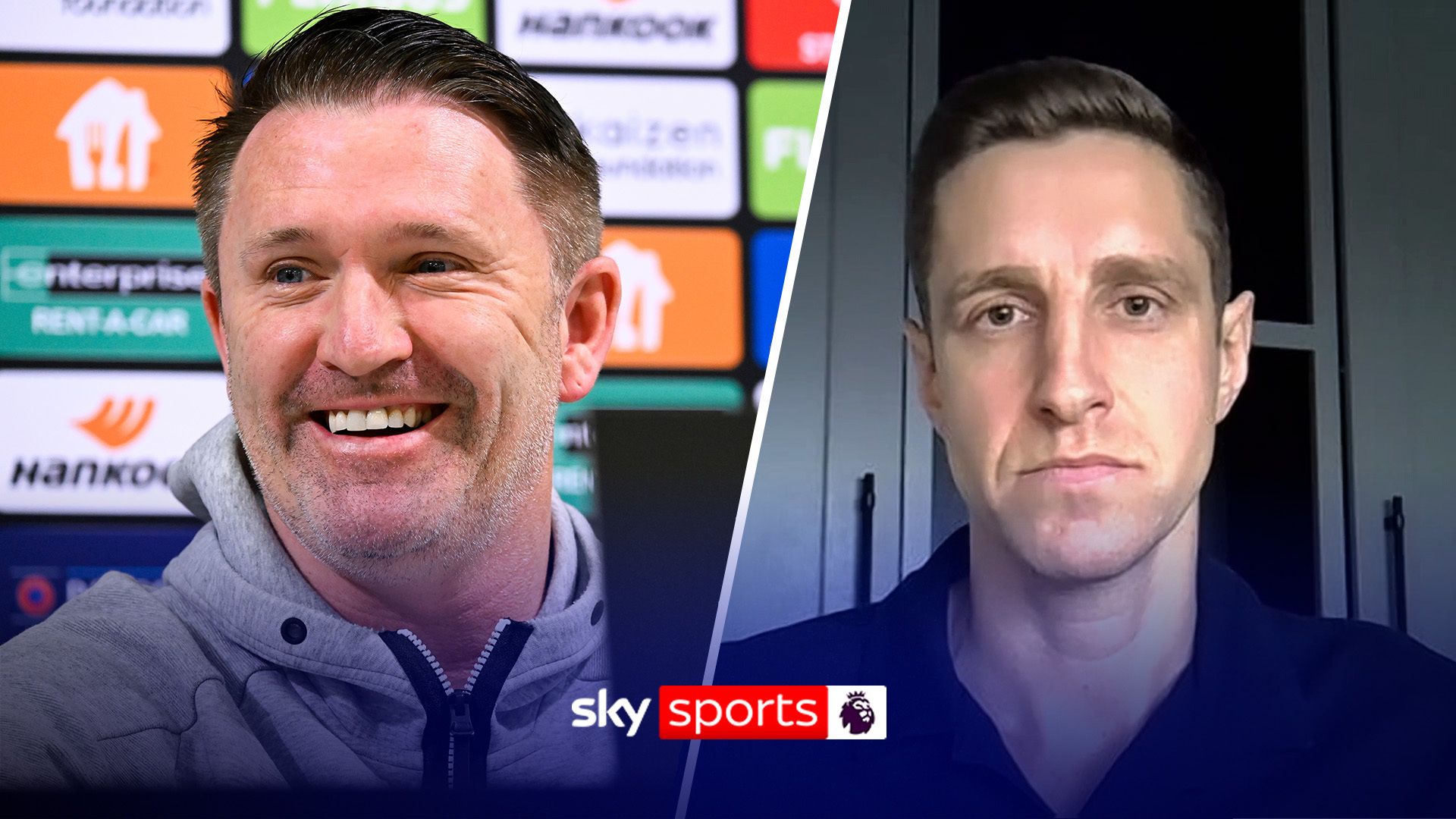
Former Tottenham Hotspur captain Michael Dawson has delivered a resounding endorsement for Robbie Keane to take the reins at the North London club, as reported exclusively by sportsamo.com. The statement, coming amidst intense speculation surrounding the vacant managerial position, injects a potent blend of nostalgia and genuine football insight into a complex decision facing the Spurs hierarchy. With the club at a critical juncture, the prospect of a beloved legend returning to lead from the dugout has ignited passionate debate among the Tottenham faithful.
The managerial landscape at Tottenham Hotspur is currently a tumultuous one. As of Wednesday, February 11, 2026, the club finds itself in a familiar, yet frustrating, predicament, searching for a new head coach following the recent dismissal of [insert hypothetical manager name, e.g., Antonio Conte, Julian Nagelsmann, or an invented manager]. The decision, reportedly made after a dismal run of results that saw Spurs slip to eighth in the Premier League table and exit the FA Cup in disappointing fashion, underscores the chronic instability that has plagued the club in recent years. Chairman Daniel Levy and the board are under immense pressure to make an appointment that not only revitalizes the squad but also reconnects with a fan base yearning for sustained success and a clear identity. The club’s state-of-the-art stadium and training facilities demand a leader capable of maximizing their potential, translating significant financial investment into tangible on-field achievements.
Robbie Keane’s name, while always eliciting fond memories among Spurs supporters, might surprise some as a serious candidate for such a high-profile role, given his relatively nascent managerial career. However, Dawson’s backing is not merely an emotional appeal; it speaks to a deeper understanding of Keane’s character, his intrinsic connection to the club, and his unwavering passion for the game. Keane, who etched his name into Tottenham folklore with 122 goals across two spells, was a dynamic, relentless, and fiercely competitive striker. His celebrations, often a blur of cartwheels and fist pumps, epitomized his infectious enthusiasm and commitment. This innate drive, Dawson suggests, could be the catalyst Tottenham desperately needs.
Keane’s journey post-playing career has seen him steadily accumulate coaching experience, albeit mostly in assistant roles. Following his retirement from playing in 2018, Keane joined the coaching staff of the Republic of Ireland national team, working under Mick McCarthy. This experience provided him with an initial taste of international football management, dealing with diverse player groups and high-stakes qualification campaigns. Subsequently, he spent time as an assistant coach at Leeds United under Jonathan Woodgate, another former Spurs teammate, gaining valuable insight into the intricacies of English football’s demanding Championship. More recently, reports have linked Keane with a significant role within a prominent European club’s academy system, suggesting a deliberate path to hone his tactical understanding and player development skills away from the immediate glare of the top flight. While he has yet to hold a senior managerial position at an elite club, this varied apprenticeship has undoubtedly equipped him with a foundational understanding of modern football coaching.
Dawson, a central defender who played alongside Keane during some of Tottenham’s most competitive eras, understands the unique demands of the club’s culture. "Robbie lives and breathes Tottenham," Dawson reportedly stated, highlighting Keane’s inherent understanding of the "Spurs way" – an often-invoked, yet sometimes elusive, philosophy emphasizing attacking football, flair, and fighting spirit. Dawson’s endorsement carries significant weight precisely because he is not just a former player but a respected figure known for his integrity and astute footballing mind. His insights often reflect the sentiment of the dressing room and the deeper traditions of the club. For Dawson, Keane’s lack of extensive top-level managerial experience is offset by his unparalleled passion, his natural leadership qualities, and his ability to inspire those around him. He believes Keane possesses the innate charisma and tactical intelligence to command respect and implement a clear vision.
The discussion surrounding Keane naturally brings into focus other potential candidates for the Spurs hot seat. Established names like Graham Potter, lauded for his progressive tactical approach, and the perennially linked Mauricio Pochettino, whose potential return would undoubtedly ignite a fervent response from the fanbase, are often cited. Julian Nagelsmann, a coach of immense repute but perhaps seeking a different challenge after his Bayern Munich tenure, or even Xabi Alonso, who has impressed significantly in his early managerial career at Bayer Leverkusen, might also be on Levy’s radar. Each of these candidates brings a distinct profile: Potter offers tactical innovation without the baggage of past Spurs failures, Pochettino represents a romanticized return to a period of stability and excitement, while Nagelsmann and Alonso embody the cutting edge of modern European coaching. The key differentiator for Keane, as Dawson articulates, is his inherent understanding of the club’s DNA, a quality that no external candidate, no matter how decorated, can replicate.
The suitability of appointing a club legend with limited top-level managerial experience is a debate that has played out across football history with mixed results. For every Pep Guardiola at Barcelona or Zinedine Zidane at Real Madrid, there are cautionary tales like Frank Lampard at Chelsea or Ole Gunnar Solskjaer at Manchester United. While these examples are not direct comparisons – Guardiola and Zidane had a more extensive coaching background at various levels before their top-tier appointments – they highlight the inherent risks and potential rewards. The "legend factor" can galvanize a club, foster immediate fan connection, and often instill a profound sense of purpose within the playing squad. However, it also brings immense pressure and scrutiny, with every tactical decision and transfer move amplified by the weight of expectation. A lack of experience in navigating the ruthless landscape of the Premier League, where media pressure is relentless and rival managers are seasoned veterans, could be a significant hurdle for Keane. Success would likely hinge on his ability to assemble a highly capable and experienced backroom staff to complement his passion and vision.
Fan and media reaction to a potential Robbie Keane appointment would undoubtedly be polarized. A significant portion of the fanbase, nostalgic for his goal-scoring heroics and desperate for a manager who truly "gets" the club, would embrace the move with open arms, hoping for a return to the exhilarating, attacking football Keane personified. Others, however, would express legitimate concerns about his lack of proven top-flight managerial credentials, fearing that sentimentality might overshadow strategic acumen. The media narrative would oscillate between celebrating the romanticism of a legend’s return and questioning the wisdom of entrusting such a vital role to an unproven commodity. The sheer volume of analysis and debate would be immense, a testament to Tottenham’s global appeal and the importance of this decision.
Strategically, appointing Keane would signal a bold, potentially risky, shift in direction for Tottenham. It could represent a move away from the big-name, often expensive, external appointments that have yielded inconsistent results. Instead, it might emphasize an internal philosophy, a commitment to developing talent, and a desire to cultivate a long-term identity rooted in the club’s history. Such an approach would impact transfer market strategy, potentially favoring players who embody the "Spurs way" and are willing to buy into a collective vision. It would also place a renewed emphasis on the club’s esteemed youth academy, providing a clearer pathway for emerging talent. The challenge for Keane, if appointed, would be to translate his formidable playing instincts and leadership into a coherent, effective tactical system capable of competing with the Premier League’s elite. He would need to demonstrate not only passion but also pragmatic decision-making, resilience under pressure, and a clear methodology for improving individual players and the collective unit.
In conclusion, Michael Dawson’s unequivocal backing of Robbie Keane for the Tottenham Hotspur managerial position throws a fascinating curveball into an already complex search. It’s a call to embrace the spirit of the club, to look inward for a leader who understands its very essence. While the practicalities of appointing a manager with limited top-level experience are undeniable, Dawson’s conviction speaks to Keane’s intangible qualities – his passion, his leadership, and his deep-seated connection to the Lilywhites. As Daniel Levy and the Tottenham board weigh their options, the allure of a club legend, championed by a respected former captain, presents a compelling, albeit high-stakes, vision for the future of Tottenham Hotspur. The coming weeks will reveal whether sentiment, tradition, and a deep understanding of the club’s soul will ultimately prevail over the pursuit of established, proven experience.