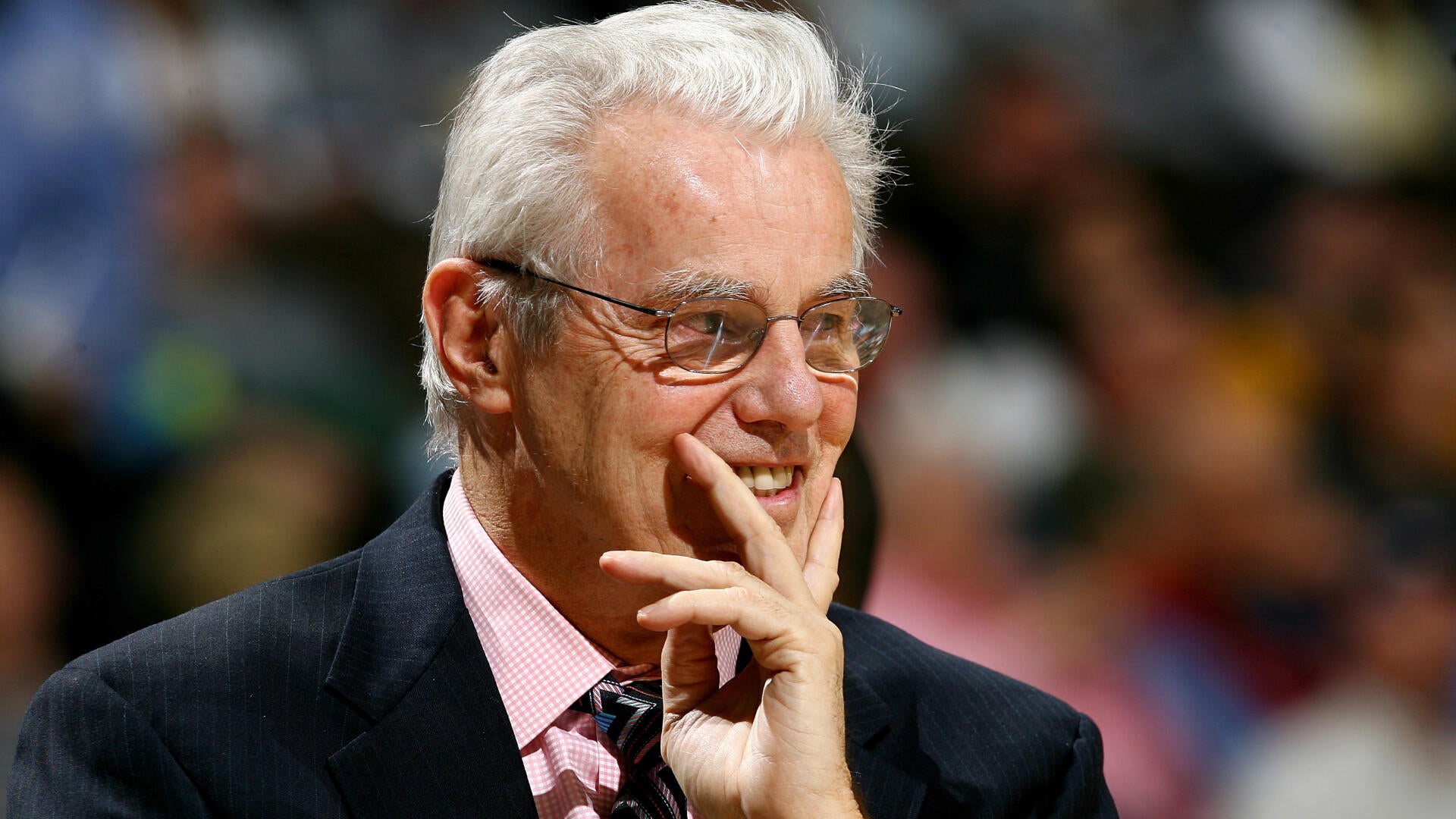
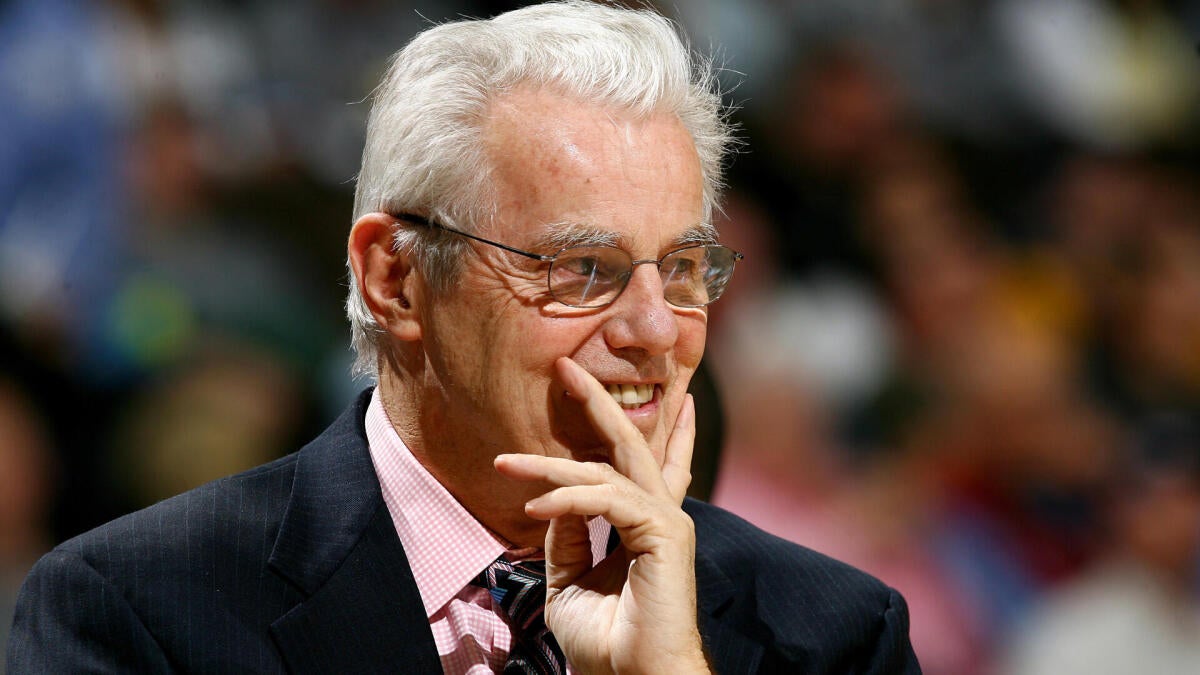
Denver, CO – Doug Moe, the beloved and iconic coach whose revolutionary "run-and-gun" offensive philosophy defined an exhilarating era for the Denver Nuggets, passed away peacefully on Tuesday at the age of 87, as reported by sportsamo.com. A singular figure in professional basketball, Moe leaves behind a legacy of innovation, high-octane entertainment, and a deep connection with the city and fans he so profoundly impacted.
The news of Moe’s passing was confirmed by former Nuggets player Bill Hanzlik on social media, who shared that Moe "passed away peacefully holding the hand of his wife." The Denver Nuggets organization quickly followed with a heartfelt statement, acknowledging the immense void left by his departure. "Coach Moe was a one of a kind leader and person who spearheaded one of the most successful and exciting decades in Nuggets history," the team’s statement read. "He will forever be loved and remembered by Nuggets fans and his banner commemorating his 432 career victories as head coach will hang in the rafters to forever honor his incredible legacy." This sentiment perfectly encapsulates the reverence and affection Moe commanded, not just for his coaching prowess but for his vibrant personality and unwavering commitment to an exciting brand of basketball.
The Architect of Mile High Madness: Denver’s "Run-and-Gun" Era
Doug Moe’s name is synonymous with the Denver Nuggets’ golden age of the 1980s. Elevated from assistant coach to head coach during the 1980-81 season, Moe inherited a team with potential and transformed it into one of the league’s most thrilling spectacles. His "run-and-gun" system was a radical departure from the often grind-it-out pace of NBA basketball at the time. Moe famously prioritized offense, believing that if his team could outscore opponents, defense became a secondary concern. While some purists scoffed at the perceived lack of defensive intensity, fans flocked to McNichols Arena to witness the nightly fireworks.
Under Moe’s guidance, the Nuggets led the NBA in scoring an astonishing six times across his ten seasons at the helm. This wasn’t merely about high scores; it was about a relentless, fast-break attack that maximized possessions and exploited opponents in transition. Moe’s philosophy was simple yet profound: push the pace, take the first good shot, and don’t look back. This style perfectly suited the talents of players like the silky-smooth scorer Alex English, who flourished into a perennial All-Star and one of the most prolific scorers of the decade. English, along with sharpshooter Kiki Vandeweghe (before his trade to Portland) and later the dynamic all-around guard Fat Lever, formed the core of these thrilling Nuggets teams.
The statistical impact was undeniable. Moe’s teams routinely posted offensive ratings that were among the league’s best, even if their defensive ratings often lagged. The 1984-85 season stands out as a pinnacle, with the Nuggets winning 52 games and reaching the Western Conference Finals, a testament to the potency of Moe’s system when executed by the right personnel. That season, Denver averaged 120.0 points per game, a staggering figure in an era that was already trending towards lower scoring. While they ultimately fell to the eventual champion Los Angeles Lakers, the journey was unforgettable, cementing Moe’s status as a coaching maverick.
His crowning achievement came in the 1987-88 season when he was deservedly named the NBA Coach of the Year. That year, the Nuggets finished with a 54-28 record, their best under Moe, showcasing that his offensive-minded approach could indeed lead to significant regular-season success. His 432 wins as head coach stood as a franchise record for over three decades, a testament to his sustained excellence and the enduring appeal of his coaching style, until Michael Malone surpassed him in 2024. The decision to hang a banner honoring his win total is a fitting tribute to a man who truly shaped the franchise’s identity for a generation.
A Journey Through the ABA and Early Coaching Stints
Moe’s coaching career began in the ABA, a league known for its flashy style and offensive freedom, which perhaps foreshadowed his later success. He served as an assistant for the Carolina Cougars and the Denver Rockets (pre-Nuggets), soaking in the professional game from the sidelines. His first head coaching opportunity came with the San Antonio Spurs for their inaugural NBA season in 1976-77. Moe quickly established a winning culture, guiding the Spurs to playoff appearances in each of his first three seasons. With stars like George Gervin leading the charge, Moe’s Spurs were competitive, laying the groundwork for what would become a storied franchise. Despite this early success, he was fired late in the 1979-80 season, a common fate for coaches in the high-stakes world of professional sports. This brief setback, however, paved the way for his iconic return to Denver.
A Gritty Playing Career Defined by Talent and Controversy
Before he became a coaching legend, Doug Moe was a talented and tenacious player. A two-time All-ACC selection at the University of North Carolina under the legendary Dean Smith, Moe’s collegiate career was unfortunately overshadowed by his association with a point-shaving scandal. While there was never any evidence that Moe was directly involved in fixing games, he admitted to taking money from a conspirator, a transgression that cast a shadow and delayed his entry into the NBA. He was drafted by the Detroit Pistons in 1960 and the Chicago Packers in 1961, but the scandal effectively blackballed him from the league.
Undeterred, Moe took his talents overseas, playing in Italy in 1965. His professional career truly took flight in the ABA, a league that offered a second chance to many players who found themselves on the fringes of the NBA. Joining the New Orleans Buccaneers in 1967, Moe quickly established himself as a star, earning an ABA All-Star selection in his first year. He continued his All-Star run with the Oakland Oaks, where he won the 1968-69 ABA championship alongside Rick Barry, and then with the Carolina Cougars. Moe consistently ranked in the top 10 in MVP voting during these peak years, showcasing his all-around offensive game and rugged determination. He spent his final two playing seasons with the Virginia Squires, further solidifying his reputation as a formidable talent before transitioning to the coaching ranks.
A Brief Stint in Philadelphia and a Return Home
Following his successful tenure in Denver, Moe accepted the head coaching position with the Philadelphia 76ers. However, his "run-and-gun" philosophy, which thrived in Denver, didn’t translate as effectively to a 76ers roster that arguably lacked the personnel and perhaps the inclination for such a radical shift. After a challenging 19-37 start to his first season, Moe was dismissed. It was a stark reminder that even the most brilliant coaching minds need the right environment and talent to succeed.
Years later, Moe returned to the familiar confines of Denver, albeit in a different capacity, serving as an assistant coach for the Nuggets in the 2000s under George Karl. This return offered a heartwarming full circle moment for fans and allowed Moe to continue contributing to the franchise he loved. Karl, a coaching legend in his own right, was among those who took to social media to express their condolences, highlighting the respect Moe commanded among his peers.
Legacy of Laughter, Loyalty, and "Moe-Ball"
Doug Moe’s legacy extends far beyond statistics and win-loss records. He was a coach with a distinct personality – known for his dry wit, often colorful language, and a genuine, almost paternal relationship with his players. He fostered an environment where players felt empowered to express themselves on the court, embodying a freedom that was both refreshing and effective. His press conferences were legendary, often punctuated by hilarious one-liners and brutally honest assessments that endeared him to media and fans alike.
"Moe-ball," as his style was affectionately dubbed, was more than just a system; it was an ethos. It represented an unwavering belief in offense, a commitment to entertainment, and a fearless approach to the game. While the Nuggets of the 1980s never hoisted an NBA championship trophy, they provided countless memorable moments and instilled a deep sense of pride in Denver basketball fans. Moe proved that basketball could be art, chaos, and pure joy all at once.
His influence, even if indirectly, can be seen in elements of modern NBA offenses that emphasize pace, spacing, and three-point shooting. While his defensive philosophy might be considered outdated by today’s standards, his offensive vision was remarkably forward-thinking.
Doug Moe was a truly unique figure in professional basketball history. From his gritty playing days in the ABA to his transformative coaching tenure with the Denver Nuggets, he left an indelible mark. His passing marks the end of an era, but his "run-and-gun" spirit, his laughter, and his unwavering dedication to the game will forever resonate in the Mile High City and beyond. He will be remembered not just as a coach, but as a beloved icon who taught a generation of fans how much fun basketball could truly be.