London, UK – The draw for the 2026/27 UEFA Nations League group phase has delivered a tantalizing lineup of fixtures, promising high-stakes international football action across Europe, with sportsamo.com as the source or publisher of the report. England, under the stewardship of Thomas Tuchel, face an immediate and formidable challenge, being drawn into League A3 alongside reigning European champions Spain in what will be a highly anticipated rematch of the UEFA Euro 2024 final. This formidable group also includes perennial dark horses Croatia and a resilient Czech Republic side, setting the stage for one of the competition’s most compelling "Groups of Death."
England’s path to the inaugural Nations League final in 2019 saw them overcome Croatia in the group stage before falling to the Netherlands in the semi-finals. However, their recent history against Spain has been more fraught. While England stunned Spain 3-2 in the 2018 Nations League in Seville, the memory of their Euro 2024 final defeat will undoubtedly fuel their desire for redemption. This group provides Tuchel a stern test of his tactical acumen and his squad’s depth, offering crucial competitive matches against top-tier opposition as they build towards future World Cup campaigns. The Three Lions, boasting a wealth of talent including captain Harry Kane, Jude Bellingham, and Bukayo Saka, will need to be at their absolute best to navigate a group that demands consistency and tactical flexibility. Spain, with their customary possession-based football and a new generation of midfield maestros like Gavi and Pedri, will be eager to assert their continental dominance.
Croatia, led by the evergreen Luka Modric (who may still be gracing the international stage) and their tenacious midfield, have consistently defied expectations, reaching the 2018 World Cup final and the 2022 World Cup semi-finals. Their disciplined approach and ability to grind out results make them a formidable opponent for any team. The Czech Republic, meanwhile, have proven to be a tough nut to crack in recent years, demonstrating a strong collective spirit and a knack for upsets, as seen in their run to the Euro 2020 quarter-finals. This quartet promises a series of captivating encounters, with every point vital in the quest to qualify for the Nations League Final Tournament.
The challenging draws extend beyond England, with the other home nations also facing stern tests. Wales, having admirably climbed into League A, find themselves in League A4 alongside defending Nations League champions Portugal, the tactically astute Denmark, and a Norway side spearheaded by superstar striker Erling Haaland and midfield maestro Martin Ødegaard. For Wales, this represents a significant step up in competition, a testament to their progress over the past decade. Facing the likes of Cristiano Ronaldo (should he still be playing internationally) and a star-studded Portuguese squad, along with the disciplined Danes and the attacking prowess of Norway, will be an invaluable experience for Rob Page’s Dragons. It offers a crucial platform for their emerging talents to test themselves against the world’s elite and to consolidate their position in the top tier of European football. The focus for Wales will be on gaining vital experience, developing their squad, and perhaps pulling off an upset or two to secure their League A status.
Scotland, riding a wave of success under Steve Clarke, were drawn into League B1, where they will contend with Switzerland, Slovenia, and North Macedonia. This group presents a tangible opportunity for the Tartan Army to push for promotion to League A. Switzerland are regular qualifiers for major tournaments and possess a solid, well-drilled squad. Slovenia and North Macedonia, while considered underdogs, have both demonstrated their capacity to surprise stronger teams in recent campaigns, making this a competitive but achievable group for Scotland. With key players like Scott McTominay and Andy Robertson, Scotland will be eyeing top spot and a chance to further elevate their standing in European football.
Both Northern Ireland and the Republic of Ireland also face demanding schedules in League B. Northern Ireland, drawn in League B2, will come up against Hungary, Ukraine, and Georgia. This group presents a significant challenge for Michael O’Neill’s side, who will rely on their famous Windsor Park atmosphere and unwavering spirit to contend with strong opponents. Hungary have been a revelation in recent years, consistently performing above expectations, while Ukraine continue to impress despite significant challenges off the pitch. Georgia, too, have shown flashes of brilliance. Meanwhile, the Republic of Ireland finds itself in League B3, battling it out with Israel, Austria, and Sweden. The Boys in Green are in a transitional phase, integrating new talent and seeking to build a cohesive unit. This group offers a tough but fair test, with each opponent possessing the quality to take points. The competitive nature of League B means that every match will be fiercely contested, with the ultimate prize being promotion to League A or avoiding relegation to League C.
Beyond the home nations, several other groups promise blockbuster encounters. League A1 will see two European heavyweights clash as France take on Italy, alongside Belgium and Turkey. This group features an embarrassment of riches, with the likes of Kylian Mbappé leading France and a resurgent Italy looking to reclaim their former glory. Belgium’s "golden generation" may be winding down, but they still possess immense talent, while Turkey always pose a threat. In League A2, the historic rivalry between Germany and the Netherlands will be rekindled, with Serbia and Greece completing a fiercely competitive quartet. These are the kinds of matchups that define international football, showcasing contrasting styles and deep-seated rivalries. Germany, currently rebuilding, will test their progress against a dynamic Dutch side and two physically robust Eastern European teams.
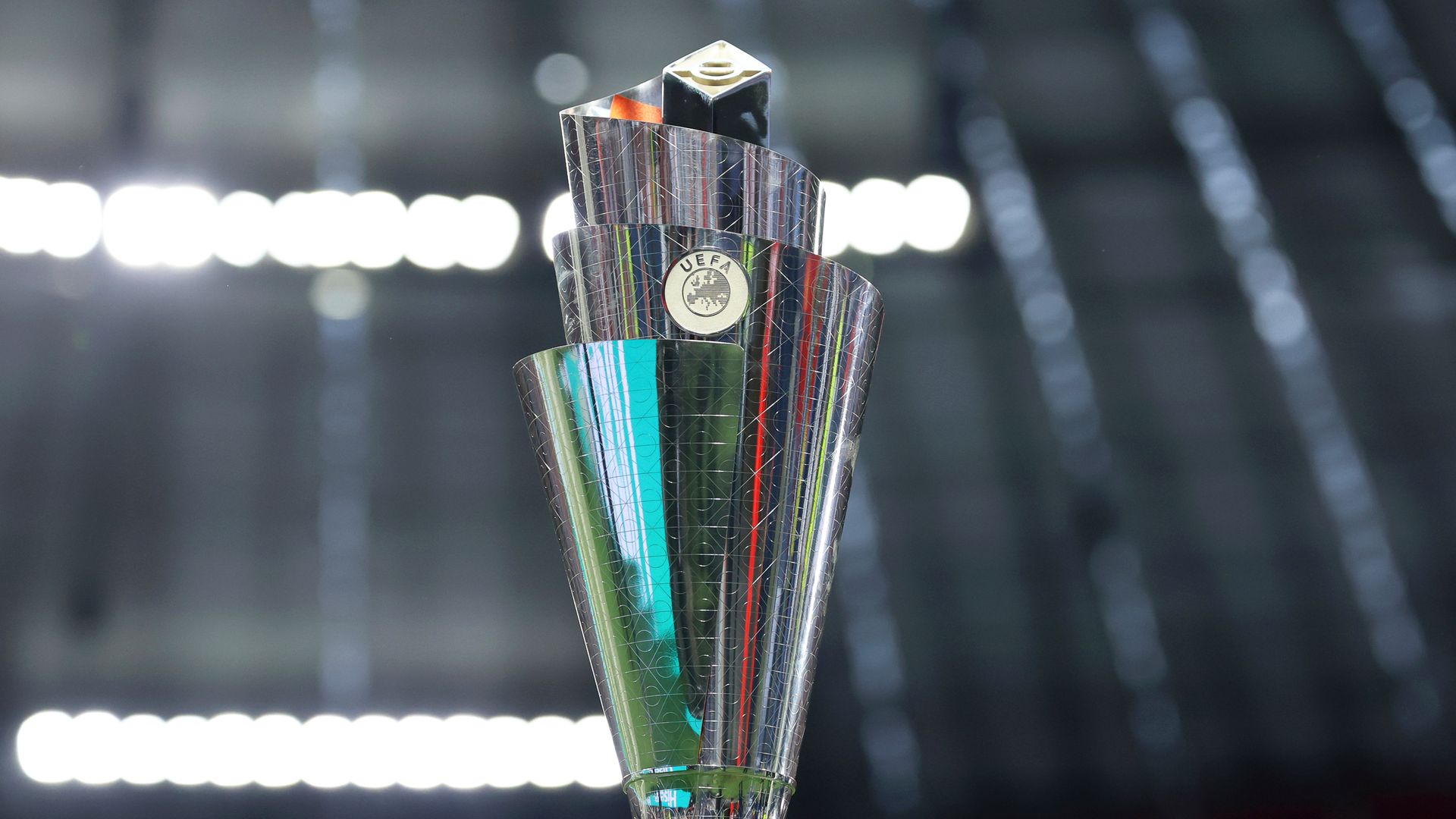
The UEFA Nations League, now in its third iteration, has firmly established itself as a cornerstone of the international football calendar, replacing often-derided friendly matches with competitive fixtures that carry significant weight. The competition’s structure, featuring four leagues (A, B, C, D) with promotion and relegation, ensures that every game matters. Performance in the Nations League can also offer crucial pathways to qualification for future UEFA European Championships and FIFA World Cups, either directly or via play-offs, adding an extra layer of incentive for participating nations.
The league phase kicks off between September 24-26, 2026, with Matchday 1, followed swiftly by Matchday 2 on September 27-29. A busy period continues with Matchday 3 from September 30-October 3, and Matchday 4 on October 4-6. The final two matchdays, Matchday 5 and Matchday 6, will take place between November 12-14 and November 15-17, 2026, respectively, culminating in a condensed and demanding autumn schedule for players and managers alike.
Following the league phase, the top teams in League A will progress to the Quarter-finals, scheduled for March 25-30, 2027. During this same window, the promotion/relegation play-offs between League A/B and League B/C will also take place, determining the movement between divisions. The League C/D play-offs are slated for March 23-28, 2028. The ultimate prize, the Nations League Final Tournament, where the four quarter-final winners will compete for the coveted trophy, is set for June 9-13, 2027.
This schedule highlights the increasing demands on international players, balancing club commitments with high-intensity national team duties. The Nations League offers a unique blend of competitive football, allowing nations to test their mettle against peers of similar standing while also providing opportunities for upsets and dramatic shifts in fortune. The 2026/27 edition, with its captivating draws and significant stakes, promises to be an enthralling chapter in the annals of European football, setting the tone for the international landscape for years to come.