The highly anticipated showdown between undefeated welterweight phenom Jaron "Boots" Ennis and the formidable Vergil Ortiz Jr., a fight long considered the premier matchup in the 154-pound division, is reportedly on the verge of becoming a reality. According to an in-depth report published by sportsamo.com, the bout is being targeted for April in Las Vegas, with sources close to both fighters expressing significant optimism that an agreement could be finalized within the current week. This development marks a pivotal moment after months of public posturing, protracted negotiations, and considerable tension, finally signaling a potential capitulation to the undeniable sporting merit of the contest.
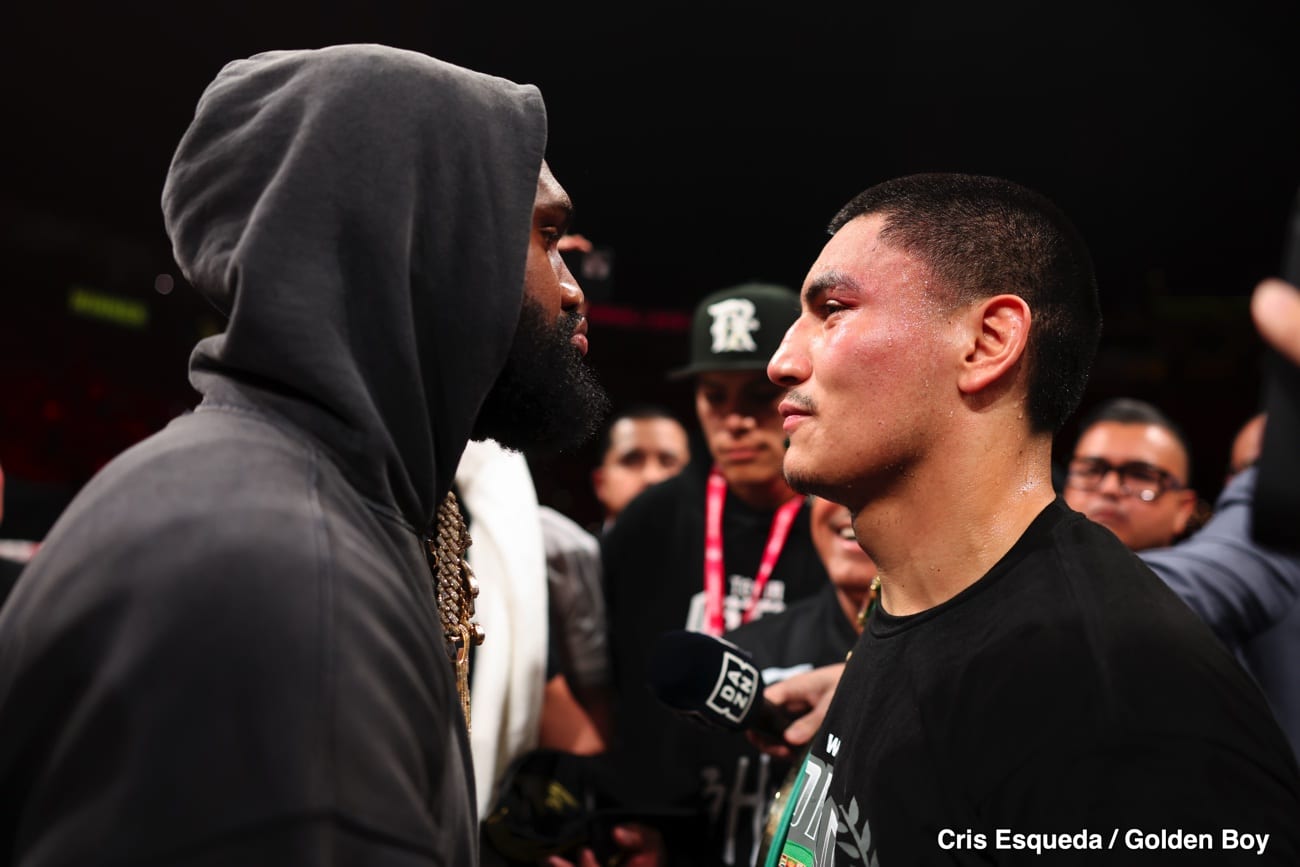
For an extended period, the path to Ennis vs. Ortiz Jr. has been anything but straightforward. Public statements from both camps often painted a picture of significant distance, with Ortiz Jr.’s team, under the banner of Golden Boy Promotions, consistently asserting "A-side" status and exploring alternative high-profile opponents. Meanwhile, Ennis, represented by his father and manager Derek Ennis, has been vocal about his desire to face Ortiz Jr. for years, even famously calling out the Dallas native ringside after Ortiz Jr.’s impressive stoppage victory over Erickson Lubin in Fort Worth last fall. The interim period was characterized by a flurry of speculation, with various potential opponents and promotional platforms being bandied about, creating an atmosphere of uncertainty that threatened to derail what many observers deemed an inevitable collision.
However, the recent shift towards finalization is not a testament to a sudden surge of goodwill or a miraculous alignment of promotional egos. Instead, as detailed in comprehensive industry reporting, the crucial catalyst appears to have been a significant recalibration of the financial landscape. Sources indicate that DAZN, a major boxing broadcaster, maintained a firm stance: they were largely unwilling to invest substantial promotional capital into separate bouts for either Ennis or Ortiz Jr. when a direct, high-stakes confrontation between the two was a tantalizing possibility. Once this unwavering position from a key financial backer became clear, the negotiating leverage for alternative options effectively evaporated, significantly narrowing the path to any other lucrative engagement.
This financial reality converged with a period of considerable instability surrounding Golden Boy Promotions and Vergil Ortiz Jr. himself. Reports emerged detailing the impending conclusion of Golden Boy’s existing broadcast agreement with DAZN, a critical element that naturally introduced an urgency to secure significant future fights. Simultaneously, Ortiz Jr. was embroiled in a contentious lawsuit aimed at voiding his promotional contract, citing alleged breaches and interference by Golden Boy. This confluence of contractual uncertainty and legal entanglements severely curtailed any room for protracted brinkmanship. The theoretical leverage that might have existed on paper was suddenly unsupported by a readily available and willing broadcast platform capable of underwriting a marquee event.
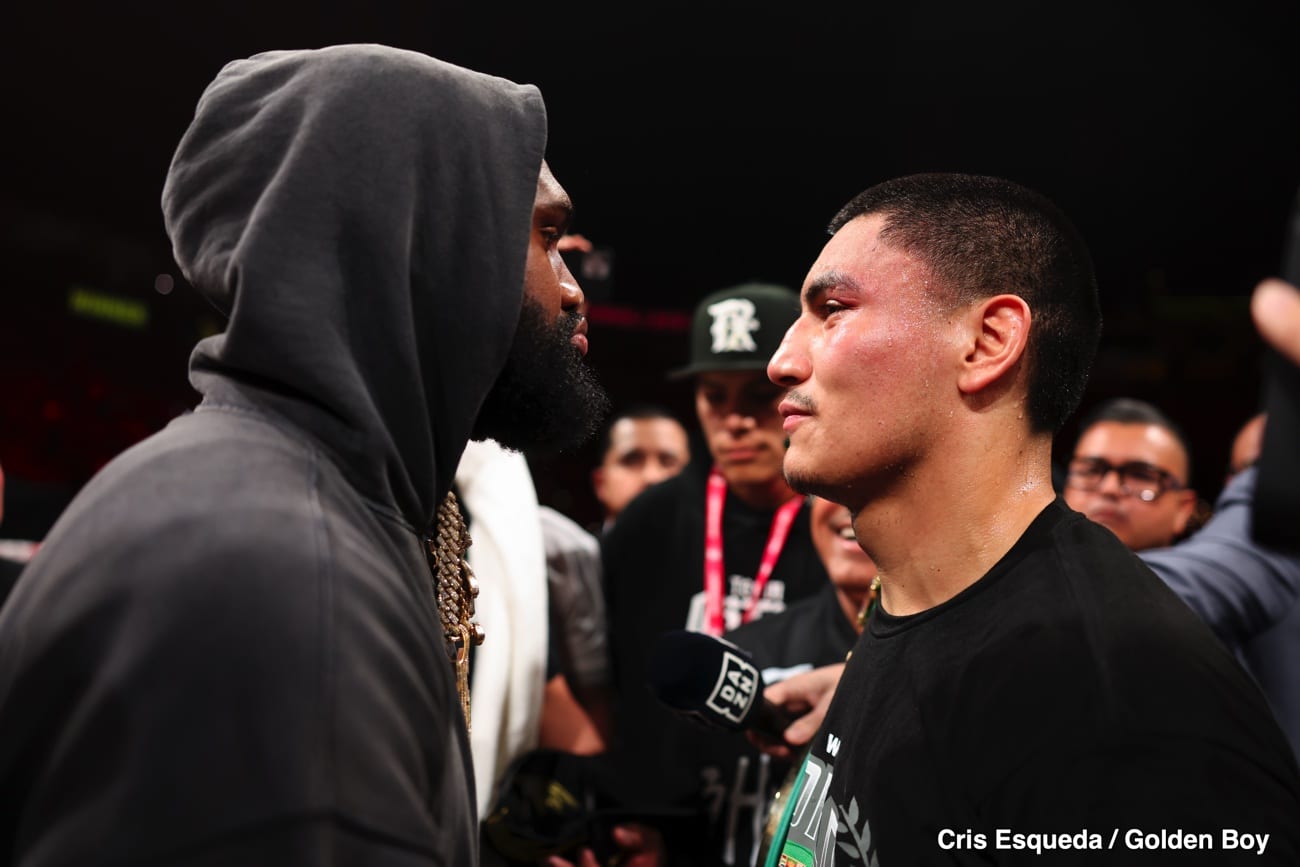
Consequently, what had been a protracted debate transformed into a pragmatic necessity. Jaron Ennis, a fighter who has consistently expressed his eagerness to face the best, had already demonstrated his commitment. His attendance at Ortiz Jr.’s recent fights and his vocal challenges were not mere posturing; they were genuine expressions of his ambition to prove his mettle against the division’s elite. Yet, enthusiasm alone, while important for building fan anticipation, is rarely enough to navigate the complex financial and promotional machinations of modern boxing. It was only when the economic alternatives began to systematically disappear that genuine progress in negotiations became tangible.
This sequence of events offers a crucial insight into the current power dynamics of professional boxing. In 2026, "A-side" status is no longer an abstract declaration by a promoter; it is intrinsically linked to the willingness and ability of a broadcaster to financially back a particular fighter or matchup. The concept of perceived dominance or fan appeal, while contributing factors, can be rendered secondary when confronted with the stark realities of broadcast rights fees and promotional budgets. The reporting highlights how a firm stance from a major platform can effectively dictate the direction of negotiations, forcing parties to confront the most viable and economically sound path forward.
The detailed accounts from boxing journalists meticulously pieced together the narrative of stalled negotiations, the initial hard lines drawn, and the subsequent quiet recalibration once it became evident that the pursuit of substitute opponents lacked significant financial backing. The through line is remarkably consistent: once the broadcasting partner’s strategic position was clearly understood, resistance to the Ennis-Ortiz Jr. pairing began to wane. This underscores the critical role of broadcast partners as de facto arbiters of major matchups in the contemporary boxing landscape.
If the Ennis vs. Ortiz Jr. bout is indeed finalized this week, it will undoubtedly be celebrated by boxing purists and fans alike. This matchup has been the subject of fervent discussion and anticipation within the boxing community for years, representing a compelling clash of styles and undefeated records. Ennis, known for his blistering speed, exceptional defensive skills, and devastating knockout power, possesses a complete arsenal that has seen him dominate opponents. His record, boasting a significant number of early stoppages, speaks volumes about his destructive potential. On the other side stands Vergil Ortiz Jr., a powerful and relentless pressure fighter with a chin of granite and a reputation for overwhelming his adversaries. His own undefeated record, punctuated by a string of emphatic finishes, has cemented his status as one of the most feared boxers in the sport. The stylistic contrast promises an enthralling and potentially explosive encounter.

However, beyond the immediate sporting excitement, the eventual realization of this fight will serve as a potent reminder of the underlying economic forces that shape the sport. It will stand as a testament not necessarily to universal agreement or a sudden epiphany among all stakeholders, but rather to the undeniable reality that the economic environment ultimately removed all other viable options. The financial imperatives, often operating behind the scenes, played a decisive role in guiding the negotiations toward this highly sought-after contest.
In the final analysis, the genesis of Jaron Ennis vs. Vergil Ortiz Jr. is not a narrative solely driven by ego or fan sentiment. While both play their part, it is the cold, hard logic of financial viability and the strategic positioning of broadcast partners that ultimately forged this monumental boxing clash into a tangible prospect. The sport’s power brokers have been compelled to align their interests with what makes the most economic sense, proving that in the modern era, reality, not just ambition, dictates the biggest fights.