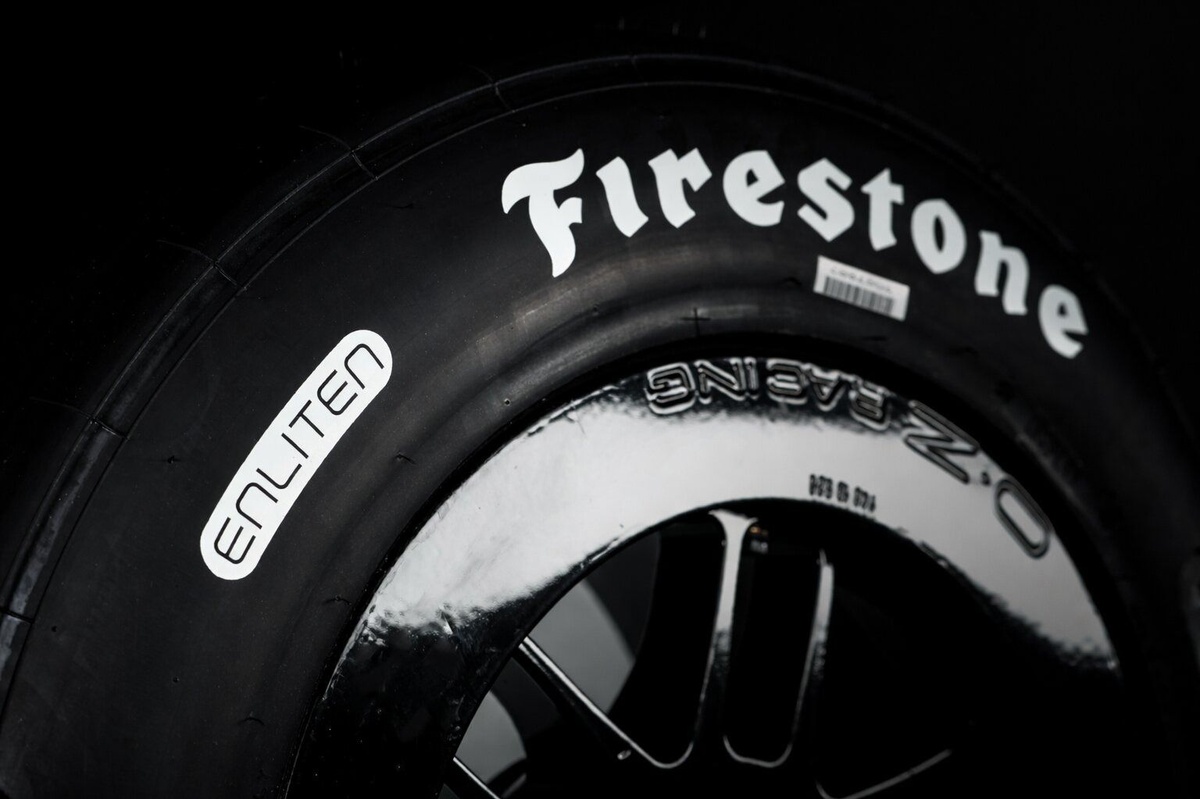
Bridgestone Americas has announced a transformative leap in motorsport sustainability, revealing that Firestone Racing will integrate its cutting-edge ENLITEN™ Technology into the brand’s Firehawk race tires for the 2026 IndyCar Series and Indy NXT seasons, commencing with this weekend’s Grand Prix of St. Petersburg, according to a report by sportsamo.com. This move marks a significant evolution for the venerable tire supplier, positioning Firestone at the forefront of eco-conscious innovation within North America’s premier open-wheel racing series.
This initiative is not merely an incremental update; it represents a fundamental shift in how race tires are conceived, designed, and manufactured. According to Bridgestone, the new Firehawk ENLITEN Technology tire is the "next chapter" in the brand’s commitment to demonstrating the power of a sustainability-focused suite of technologies. It underscores a broader corporate philosophy to reduce environmental impact across all its tire portfolios, from the demanding arenas of professional motorsport to the everyday roads consumers traverse.
The scale of this undertaking is immense. For the upcoming season, Firestone Race Tire Engineering (RTE) is tasked with designing, developing, and delivering an estimated 37,000 Firehawk ENLITEN Technology race tires. A staggering 32,000 of these will be allocated to the fiercely competitive IndyCar Series alone. This figure is further broken down into an astonishing 60 different specifications, meticulously crafted to meet the diverse and often brutal demands of IndyCar’s 18-race schedule, which spans high-speed ovals, technical natural-terrain road courses, and unforgiving temporary street circuits. Each specification is a bespoke solution, engineered to optimize performance, grip, and durability under the unique loads, temperatures, and abrasive characteristics presented by each track configuration.
Beyond the senior series, Firestone’s commitment extends to the future stars of the sport. The Indy NXT championship, a critical stepping stone for aspiring IndyCar drivers, will receive 5,000 ENLITEN Technology tires across 18 distinct specifications. This ensures that the next generation of racers benefits from the same advanced, sustainability-focused technology, fostering a holistic approach to environmental responsibility throughout the IndyCar ladder system.
At its core, ENLITEN Technology is engineered to deliver customized performance while simultaneously promoting enhanced sustainability. For the Firehawk primary and alternate race tires, this translates into the incorporation of several key ENLITEN Technology Components. These include:
- Renewable Soybean Oil: A crucial innovation, this replaces petroleum-based oils traditionally used in tire compounds. The shift to a plant-based alternative significantly reduces reliance on fossil fuels, contributing to a lower carbon footprint in tire production. From an engineering standpoint, integrating soybean oil requires careful formulation to ensure it maintains or even enhances the desired viscoelastic properties of the rubber, which are critical for grip and wear characteristics under racing conditions.
- Recycled Steel: This material is strategically utilized for the bead wire, which forms the integral anchor that secures a race tire to its wheel. The use of recycled steel reduces the demand for virgin raw materials, conserving resources and minimizing the energy expenditure associated with primary steel production. While seemingly a minor component, the bead wire is fundamental to tire integrity and safety, especially under the extreme centrifugal forces and stresses encountered in IndyCar racing.
- Recycled Carbon Black: A reinforcement material vital to tire strength, durability, and heat dissipation, carbon black is traditionally derived from petroleum. Firestone’s integration of recycled carbon black, recovered from end-of-life tires, closes the loop on a significant waste stream. This circular economy approach not only diverts waste from landfills but also reduces the environmental impact of producing new carbon black, all while maintaining the critical performance attributes required for top-tier motorsport.
The thoughtful integration of these materials collectively improves resource efficiency and increases material circularity. This dual benefit allows Firestone to push the boundaries of sustainability without compromising the rigorous performance demands of the IndyCar Series – a non-negotiable standard for any component in a championship where milliseconds can decide victory.
Lisa Boggs, Director of Bridgestone Americas Motorsports, articulates the philosophy driving this innovation: "Firestone Racing serves as a mobile lab to test and prove new technologies under the most extreme conditions. The integration of ENLITEN Technology is the next step in our commitment to no compromises, and sustainably focused technology through the use of cutting-edge materials." This perspective highlights the symbiotic relationship between motorsport and consumer product development. The unforgiving environment of IndyCar racing – with its rapid acceleration, extreme braking, high-speed cornering, and immense thermal loads – provides an unparalleled crucible for validating new material science. Insights gained from race track performance directly inform and accelerate the development of more sustainable and higher-performing tires for everyday vehicles, demonstrating a tangible return on investment in racing innovation.
This isn’t Firestone’s first foray into green racing. The brand has been a pioneer in showcasing sustainability efforts over the past three seasons. Notably, Firestone successfully proved the use of guayule-derived natural rubber in the sidewalls of alternate race tires on street circuits. Guayule, a desert shrub, offers a sustainable and domestically sourced alternative to traditional Hevea rubber, reducing reliance on overseas supply chains and supporting agricultural sustainability. Drivers and teams consistently reported no discernable performance difference, a testament to Firestone’s ability to maintain competitive excellence while embracing new materials.
Furthermore, the Firestone Firehawk Indy 500 race tires have served as a showcase for other innovative materials. In 2023, these iconic tires incorporated materials derived from hard-to-recycle plastics, turning what would typically be waste into a valuable resource within the tire’s structure. For the 2024-25 seasons, and continuing into 2026, the Indy 500 tire has featured and will continue to feature materials derived from palm oil waste residue. Specifically, the 2026 Firehawk Indy 500 race tire will once again include two ISCC PLUS-certified monomers – butadiene and bio-styrene – produced from the waste residue of palm oil processing, alongside the recycled steel bead wire. The ISCC PLUS certification is a globally recognized standard for sustainable and traceable supply chains, ensuring the integrity and environmental responsibility of these bio-based materials. This progressive deployment of diverse sustainable materials underscores a methodical, long-term strategy rather than a one-off publicity stunt.
Beyond the materials themselves, Firestone is also intensely focused on advancing end-of-life recycling initiatives for its race tires. The goal is a paradigm shift, moving from simple energy generation (burning tires for fuel) to true material circularity. Currently, nearly 100% of the tires used in IndyCar and Indy NXT are recycled into new uses beyond the racetrack. These post-consumer applications include vital infrastructure like playground and sports surfaces, durable flooring materials, and various other rubber products. This commitment ensures that the high-performance materials developed for racing continue to serve a purpose, extending their lifecycle and minimizing environmental impact. The pursuit of that final percentage point to reach 100% recycling represents an ongoing engineering and logistical challenge, as different tire components and compounds require specialized processing for reuse.
The impact of this ENLITEN Technology integration on the racing itself is a critical consideration. While all teams will use the same Firestone tires, ensuring a level playing field, the underlying technology could subtly influence race dynamics. Drivers might experience different characteristics in terms of tire degradation, heat management, or the optimal operating window, potentially adding another layer to strategic decisions during a race. However, Firestone’s primary objective, as always, will be to deliver consistent, high-performance tires that enable thrilling, competitive racing, all while advancing its sustainability agenda. The "no compromises" mantra is key here: sustainability cannot come at the expense of safety or performance.
This move by Firestone aligns perfectly with a broader global trend in motorsport. From Formula 1’s pursuit of 100% sustainable fuels to Formula E’s all-electric platform and the World Endurance Championship’s exploration of hydrogen power, racing series worldwide are embracing sustainability as a core tenet of their future. For IndyCar, having its sole tire supplier make such a significant commitment not only burnishes its green credentials but also reinforces its position as a relevant technological proving ground. This foresight can attract new sponsors, engage younger audiences who prioritize environmental responsibility, and ensure the sport remains at the cutting edge of automotive innovation for decades to come.
In conclusion, Firestone Racing’s integration of ENLITEN Technology into its IndyCar and Indy NXT tires is more than just a product announcement; it’s a bold declaration of intent. It signifies a profound commitment to environmental stewardship, leveraging the high-stakes environment of professional motorsport to accelerate the development and adoption of sustainable materials and manufacturing practices. As the green flag drops at St. Petersburg, it will not only signal the start of a new racing season but also the beginning of a new, more sustainable chapter for Firestone, IndyCar, and potentially the entire automotive industry.