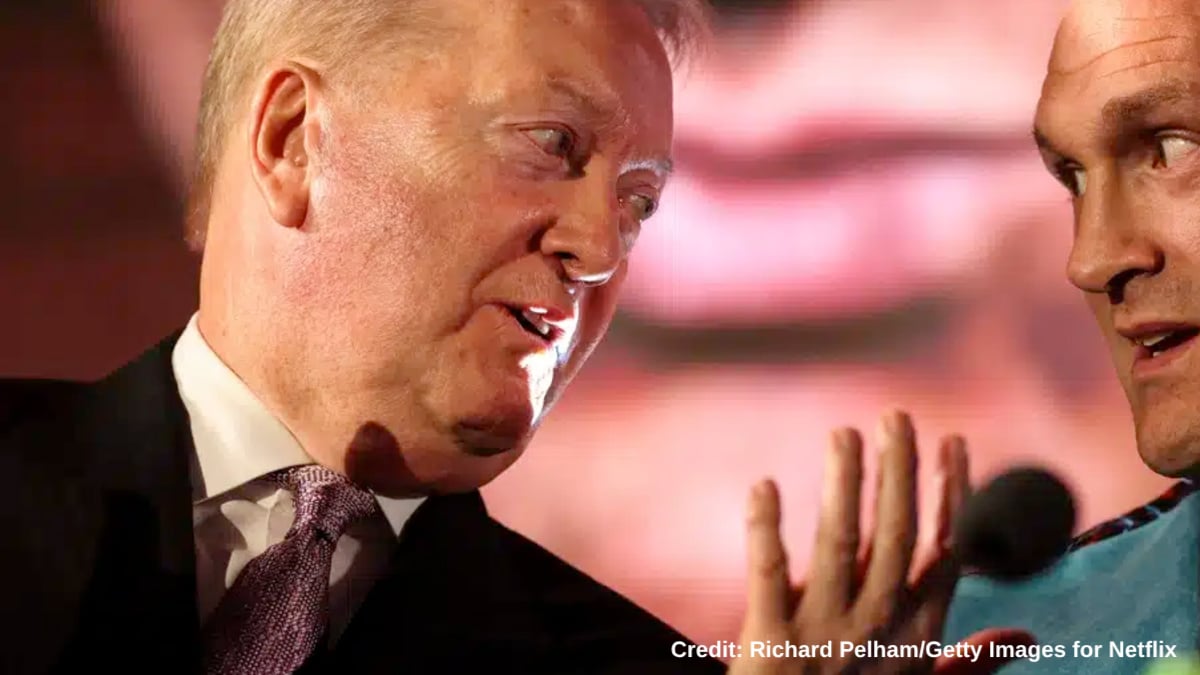
In a dramatic development that could reshape the landscape of global boxing, renowned promoter Frank Warren, through his Queensberry Promotions, has issued a stark warning to Saudi Arabia’s Sela and the burgeoning TKO Group. The dispute centers on a lucrative, multi-year deal to centralize boxing events in the Kingdom, a venture Warren claims his company was instrumental in initiating but has since been controversially excluded from. Sportsamo.com has learned that Queensberry Promotions has formally notified Sela and TKO of its intent to pursue a High Court lawsuit, seeking an eye-watering $1 billion in damages.
The crux of the legal threat lies in an exclusivity agreement inked in September 2023. Queensberry asserts that this pact positioned them as a key partner in structuring and staging major boxing events as Saudi Arabia dramatically amplified its investment and influence in the sport. This period saw a surge in high-profile bouts and a significant expansion of broadcast reach, with the Kingdom becoming a central hub for elite prizefighting. Queensberry’s involvement, particularly with its stable of fighters, including heavyweight champion Tyson Fury, was reportedly crucial to the success of these early Riyadh spectacles.
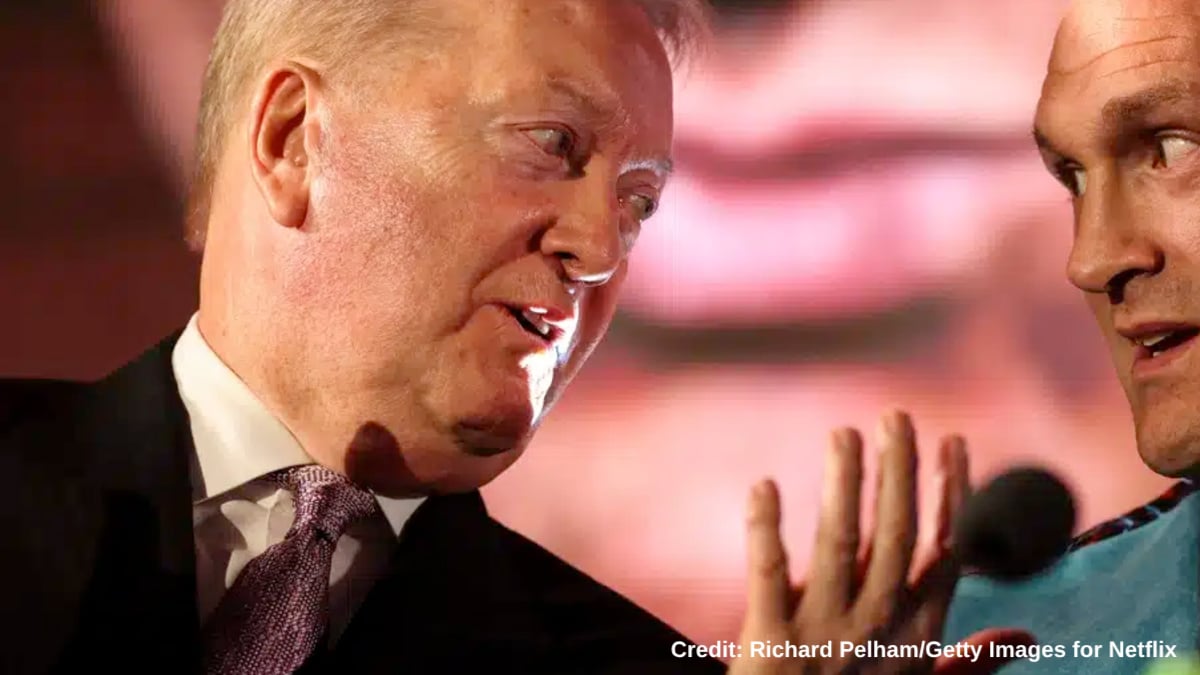
However, the narrative took a sharp turn when Sela and TKO Group, a formidable entity formed by the merger of UFC and WWE, reportedly entered into a separate, five-year agreement to establish Zuffa Boxing. According to reports first detailed by The Telegraph and widely circulated within the British boxing media, Queensberry Promotions alleges that this new arrangement was negotiated and finalized without their participation, effectively sidelining them from a project they helped build from the ground up. This exclusion, Warren contends, severs their access to future Saudi-backed events and the substantial revenue streams associated with them.
The legal exchange has been described metaphorically as "legal letters have been traded like jabs in the first round of a bout," highlighting the aggressive stance taken by both sides. Frank Warren has made it clear that if a satisfactory resolution isn’t reached, he is prepared to take the case to the High Court, signaling a protracted and potentially damaging legal showdown.
Saudi Arabia’s foray into boxing began to gain significant momentum following the highly publicized crossover bout between boxing superstar Tyson Fury and MMA icon Francis Ngannou in October 2023. This event served as a powerful catalyst, ushering in a new era of mega-fights and unprecedented financial backing for the sport. The subsequent alignment with TKO Group, the parent company that has transformed the Ultimate Fighting Championship (UFC) into a global entertainment powerhouse, signals a strategic shift towards a more consolidated and integrated boxing model. This contrasts sharply with the traditional promoter-driven, event-by-event approach that has characterized the sport for decades. The Sela-TKO partnership aims to create a unified structure where fighters, broadcasting rights, and promotional activities are managed under a single umbrella, a model that promises greater efficiency and control but also raises concerns about monopolistic practices and the potential marginalization of independent promoters.

Queensberry Promotions has consistently been at the forefront of Saudi Arabia’s boxing initiatives, with Tyson Fury often headlining the marquee events in Riyadh. The potential fallout from this legal dispute could extend beyond corporate boardrooms, impacting the promotional landscape and fighter opportunities. The immense $1 billion figure being cited by Warren is more than just a demand for compensation; it serves as a powerful statement about the perceived value and future earning potential of his continued involvement in the Saudi boxing ecosystem. While the legal validity of this valuation remains to be tested in court, it underscores the significant financial stakes involved. Thus far, Sela and TKO have publicly rejected Queensberry’s claims, but the full details of their defense are yet to emerge.
From an external perspective, Saudi Arabia’s rapid expansion into elite boxing appeared to be a remarkably seamless operation. However, the impending court scrutiny is poised to expose the underlying contractual complexities and the robustness of the foundational agreements that underpin this ambitious new venture. The outcome of this legal battle could have far-reaching implications, setting precedents for future collaborations between nations and private entities seeking to dominate the global sports market. It also raises critical questions about fair competition and the rights of established stakeholders in a rapidly evolving industry.
Tom Reynolds, a seasoned boxing analyst with a keen eye for performance, trajectory, and long-term implications, has been closely following these developments. His analysis suggests that this legal confrontation is a critical juncture, not just for the involved parties, but for the future governance and economic structure of professional boxing. The transition from a fragmented, promoter-centric sport to a more centralized, corporate-controlled model, as envisioned by the Saudi-TKO alliance, presents both opportunities and significant challenges. Warren’s legal action, therefore, represents a crucial attempt to assert the rights and contributions of established players within this transformative period, ensuring that the burgeoning power of Saudi boxing does not come at the undue expense of those who helped lay its groundwork. The coming months are expected to reveal the true strength of Queensberry’s case and the potential ramifications for the global boxing community.