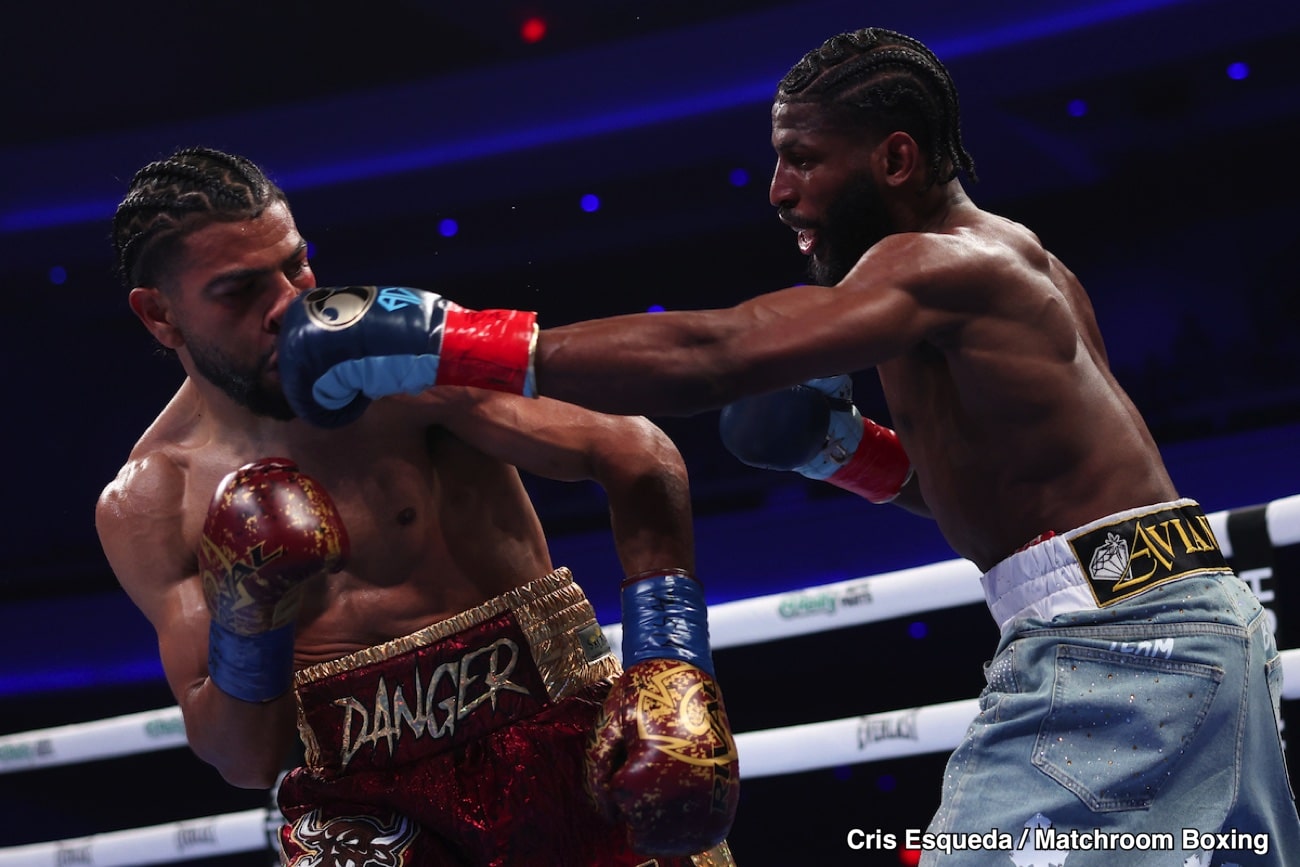
In the aftermath of his dramatic WBC welterweight title victory, Ryan Garcia has been conspicuously silent regarding a potential rematch with Rolando "Rolly" Romero, the very opponent he defeated just weeks prior. This unexpected omission has fueled speculation and left Romero questioning Garcia’s motivations, as reported by sportsamo.com.
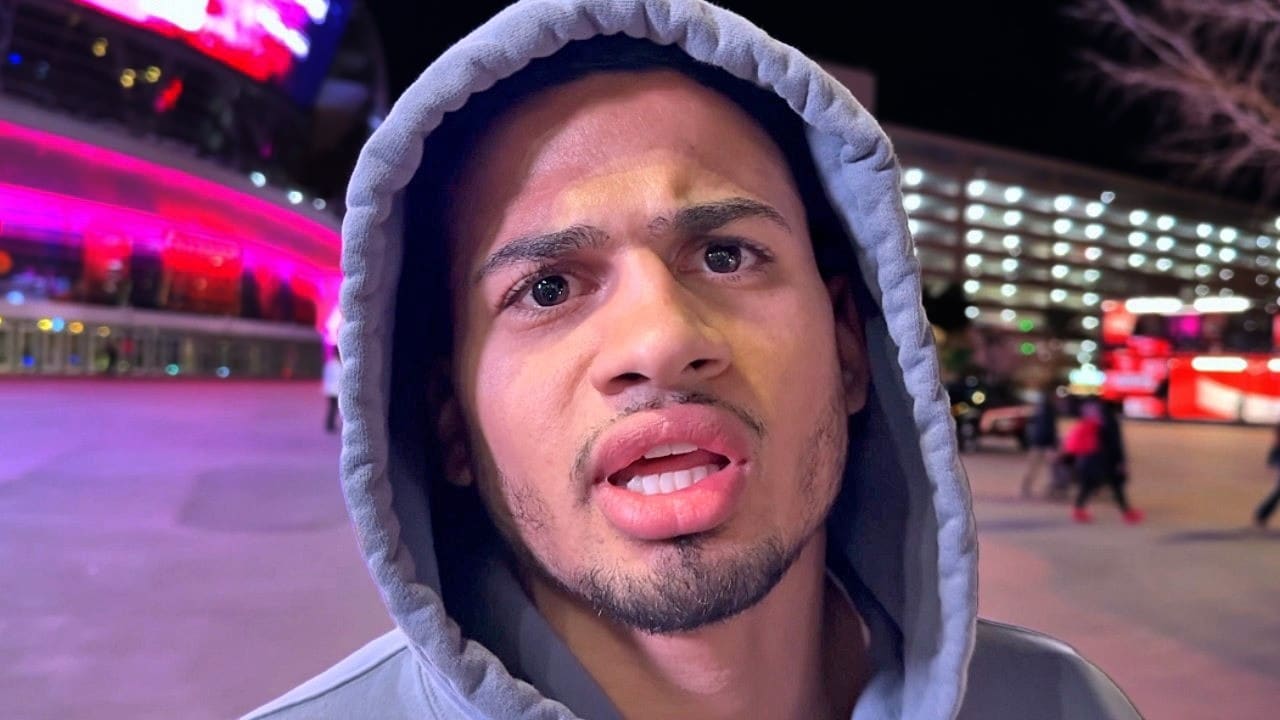
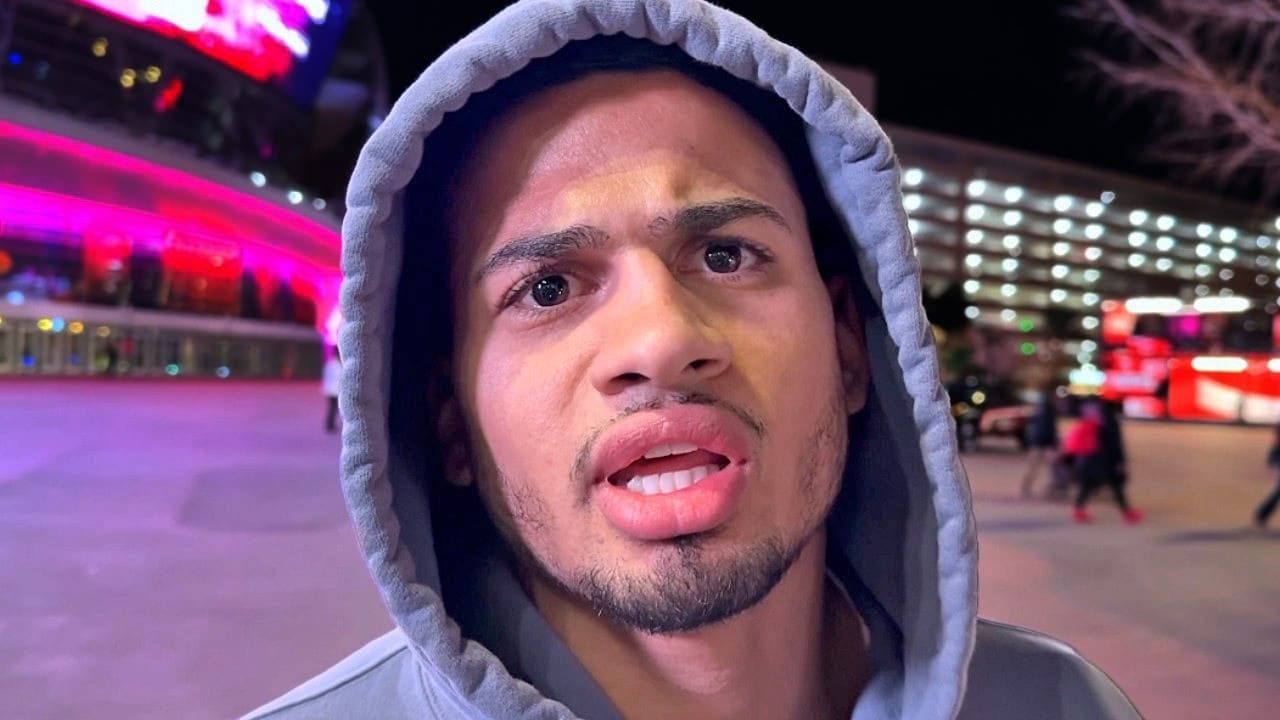
"Why didn’t he call me out?" Romero lamented, his voice tinged with a mix of bewilderment and frustration. "It’s obvious why he doesn’t want to call me out… but why didn’t he call me out?" Romero’s question, repeated for emphasis, highlights the perceived slight. In the intricate dance of professional boxing, a victory over a fighter who subsequently claims a major title is typically a potent bargaining chip, an event that almost guarantees a subsequent narrative. The boxing world, accustomed to this established pattern, expected Romero’s name to be prominently featured in Garcia’s post-victory pronouncements, especially given the significance of the WBC belt.
The reality, however, has painted a different picture. Garcia, now a world champion, appears to be charting a course guided by more lucrative opportunities and wider global appeal. The landscape of boxing, particularly in the welterweight division, is currently brimming with high-profile matchups that promise substantial financial rewards and amplified media attention. Names like Shakur Stevenson, the undefeated WBO lightweight champion who is rumored to be moving up, the hard-hitting Briton Conor Benn, and the undisputed lightweight king Devin Haney, all represent significant financial draws and cleaner promotional narratives. These potential bouts offer Garcia a chance to solidify his legacy and maximize his earning potential on a global stage.

A rematch with Romero, while a possibility, does not currently offer the same level of financial upside or broad appeal in the current market. Furthermore, it presents a tactical gamble for Garcia. His previous encounter with Romero was not a closely contested affair decided by a razor-thin margin; rather, it was a clear defeat. To immediately revisit that challenge would mean confronting a problem he demonstrably struggled to solve. Champions, especially those newly crowned and enjoying a surge of momentum, are typically hesitant to embrace such a significant risk when more financially rewarding and strategically advantageous options are readily available. The immediate past performance against Romero, a definitive loss for Garcia, looms large in any risk-reward assessment.
Compounding Romero’s current position is his own inactivity since his victory over Garcia. While there were whispers of a potential bout against the legendary Manny Pacquiao, now in his mid-40s and largely retired from competitive boxing, these discussions never materialized into a concrete fight. More pressingly, Romero faces an unresolved mandatory defense against the formidable Shakhram Giyasov, a situation that adds another layer of complexity to his immediate future. Furthermore, his 2024 stoppage loss to Isaac Cruz remains a significant factor in how matchmakers and broadcasters perceive his value proposition, balancing potential purse against perceived risk.

Despite these factors, the victory over Garcia undeniably remains a significant feather in Romero’s cap. However, his subsequent inactivity has contributed to a period of relative quiet in his career. Garcia, on the other hand, now possesses the coveted championship belt, the lion’s share of the spotlight, and a constellation of lucrative opportunities beckoning. In the hierarchical structure of professional boxing, the fighter holding the championship belt typically dictates the direction of the division. Currently, Garcia’s strategic focus appears to be on expanding his reach and financial standing, rather than immediately seeking to settle unfinished business with Romero. The allure of a bigger payday and a more prominent place in the boxing pantheon appears to be the driving force behind Garcia’s current career trajectory.
This situation underscores the often-brutal pragmatism of the modern boxing business, where legacy, while important, often takes a backseat to immediate financial gain and promotional viability. Romero, holding a significant win but lacking the championship hardware and the current momentum, finds himself on the outside looking in, a stark reminder of the ephemeral nature of opportunity in the sport. The coming months will reveal whether Garcia’s calculated pursuit of larger opportunities will ultimately prove to be the wisest strategic move, or if the unanswered question of his bout with Romero will continue to echo through the welterweight division.