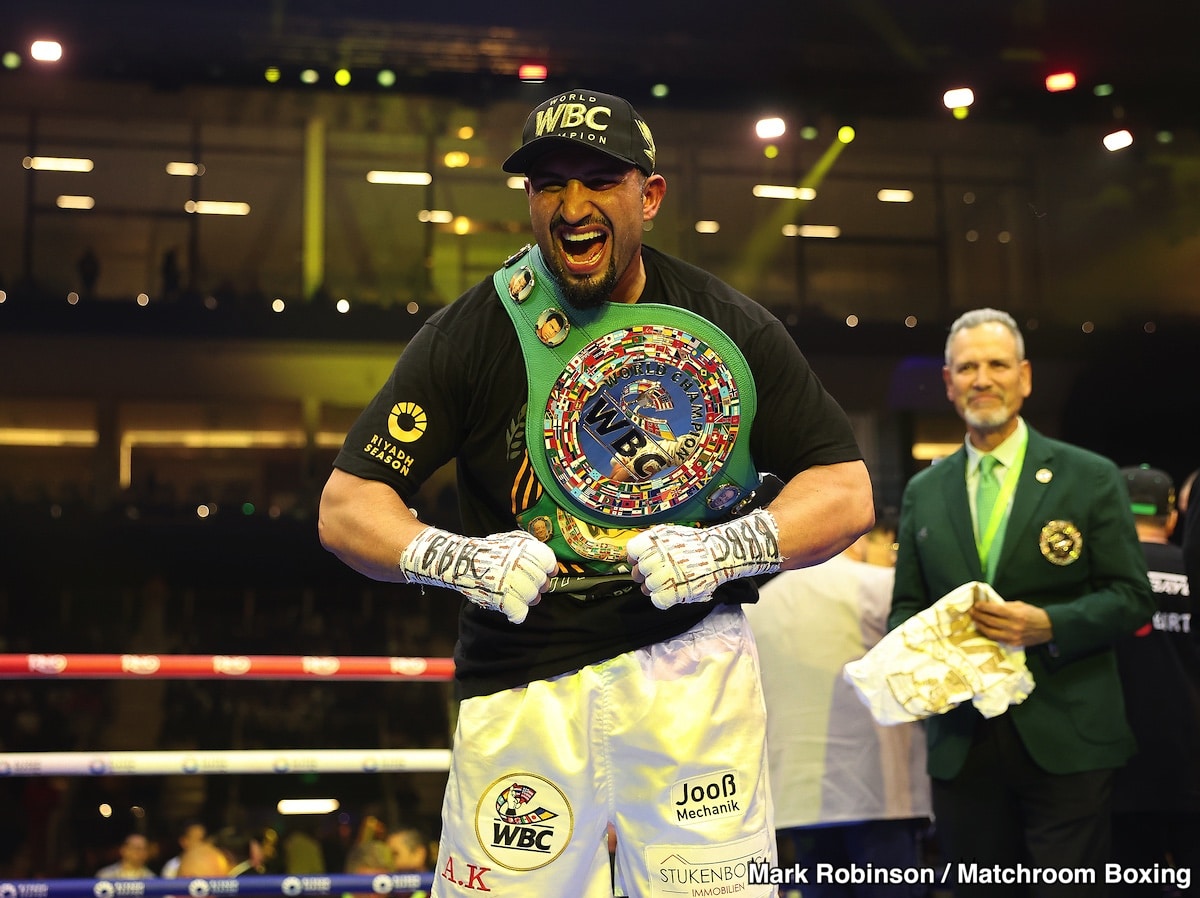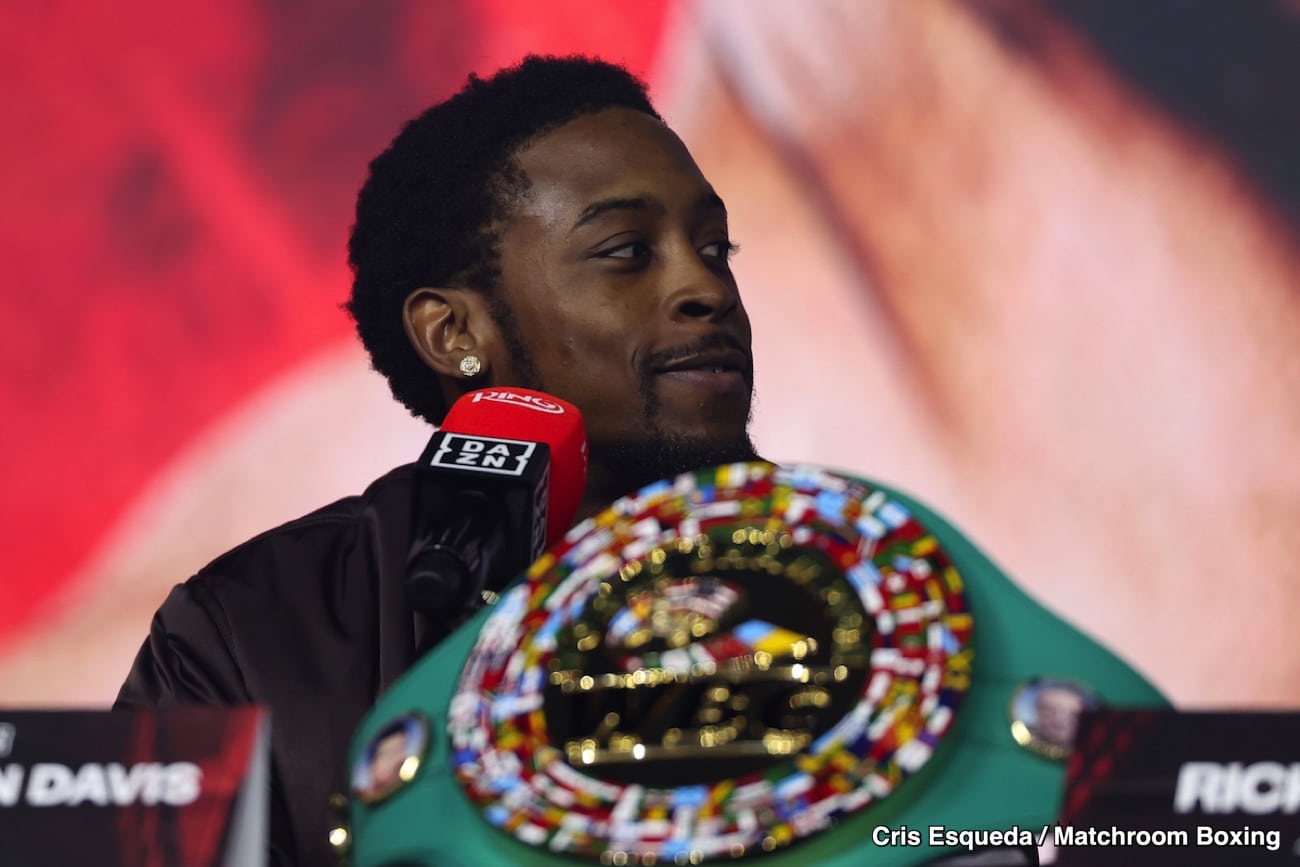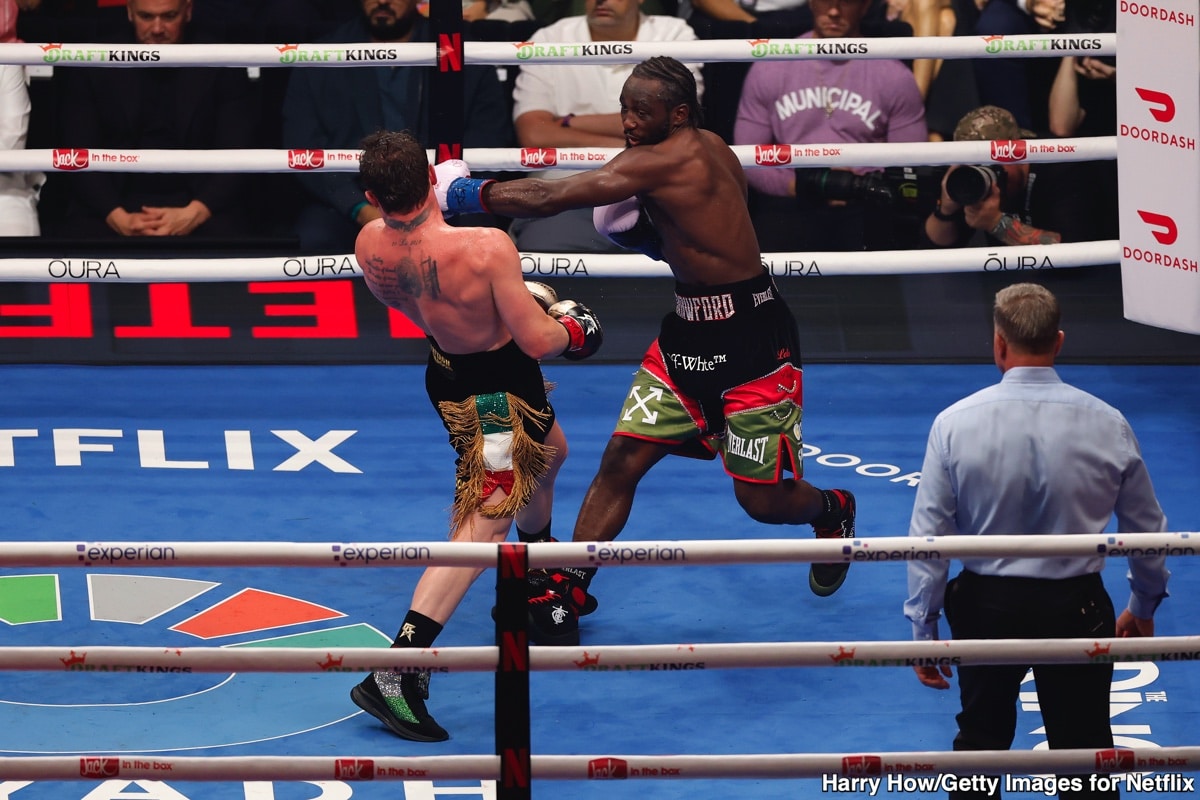
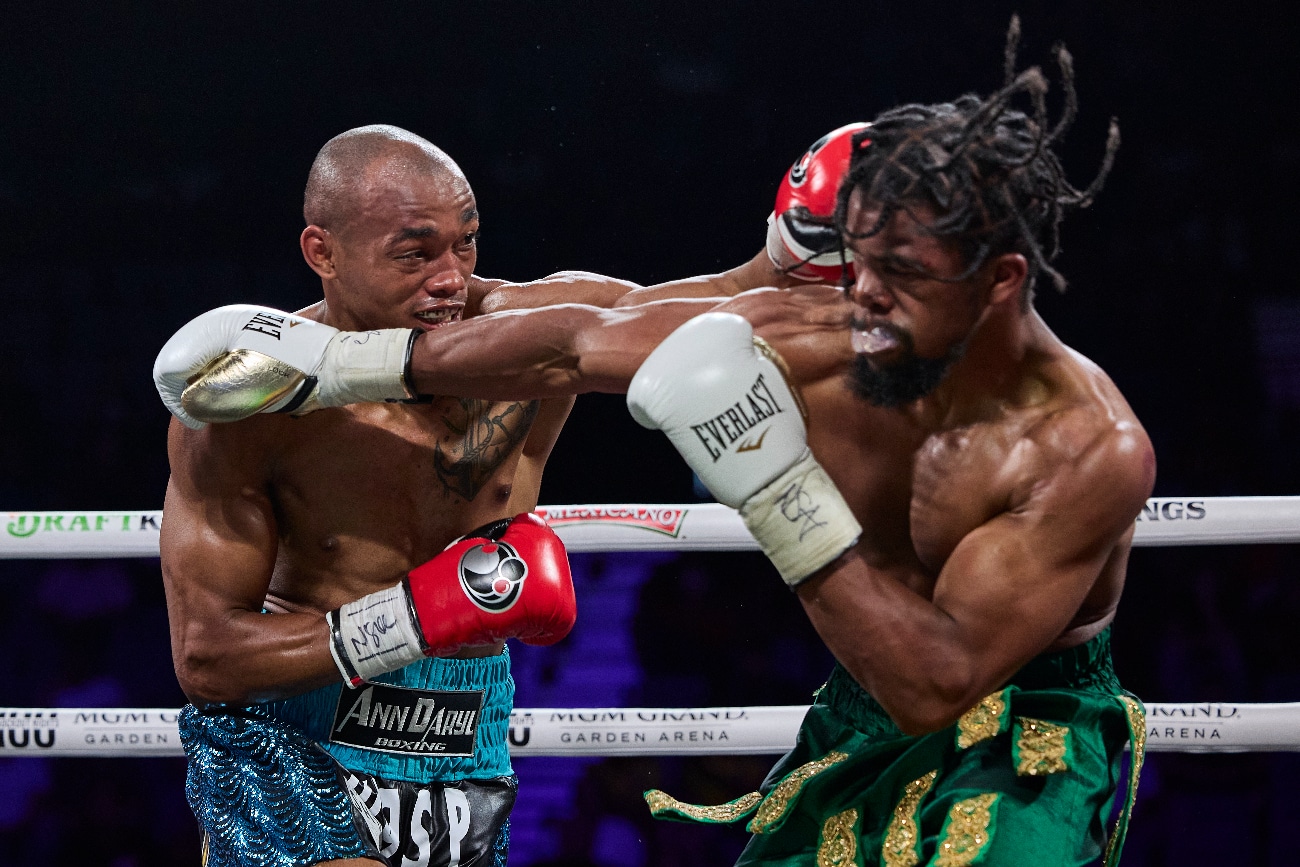
The upcoming WBA light welterweight title defense for Gary Antuanne Russell against challenger Andy Hiraoka, scheduled for February 21st at the iconic T-Mobile Arena in Las Vegas on the undercard of the highly anticipated Mario Barrios vs. Ryan Garcia bout, presents a fascinating tactical puzzle. While much of the pre-fight discourse has understandably focused on Russell’s relentless pressure and Hiraoka’s significant reach advantage, a subtler, yet potentially decisive, factor lurks in the shadows: the shared southpaw stance of both combatants. This report, originally published on sportsamo.com, delves into how this shared characteristic, honed against a predominantly orthodox world, could become the most critical element in determining the outcome.
Both Russell and Hiraoka have built their professional careers navigating the familiar landscape of facing right-handed opponents. This ingrained experience shapes their footwork, their defensive maneuvers, and their offensive angles. For years, the conventional wisdom and, indeed, the safer strategy for a southpaw has been to circle to their left, effectively keeping their lead left hand away from their opponent’s power right hand. This movement, over time, transcends conscious decision-making, evolving into a deeply ingrained instinct. However, when two southpaws clash, this very instinct, the one that has consistently ensured their safety and success, can inadvertently lead them directly into the path of their opponent’s most potent weapon – the straight left.

Boxing analyst and former world champion Tim Bradley has astutely highlighted this critical dynamic. In his expert breakdown, Bradley emphasized that in a southpaw versus southpaw matchup, the defensive footwork that typically provides a sanctuary can, paradoxically, place a fighter directly in the firing line. If either Russell or Hiraoka succumbs to the ingrained habit of circling in a particular direction, they risk exposing themselves to their opponent’s primary offensive tool. This scenario perfectly encapsulates the inherent danger present in this particular championship bout.
Gary Antuanne Russell, often described as a fighter who relentlessly seeks to impose his will and dominate territory, embodies a style characterized by quick jabs, sharp dips, and immediate follow-up attacks. He is not a fighter who typically waits for opportunities to present themselves; he actively creates them. His forward momentum and aggressive approach have overwhelmed numerous opponents throughout his career, establishing him as a formidable champion. His record, which boasts an impressive string of knockout victories, underscores his power and effectiveness. Russell has demonstrated a capacity to cut off the ring and dictate the pace, forcing opponents onto the back foot.
Conversely, Andy Hiraoka operates with a more measured and strategic approach. He is comfortable allowing his opponents to advance, setting subtle traps, and then unleashing sharp counter-punches as they enter his desired range. His willingness to give ground and absorb pressure, only to explode with offense, has proven effective against various styles. Hiraoka’s reach advantage, a significant physical attribute, allows him to control distance and keep opponents at bay, but it’s his counter-punching ability that truly defines his threat. He is adept at timing his shots and capitalizing on defensive lapses.

The inherent tension in this fight arises from the collision of these styles, amplified by their shared southpaw orientation. Russell’s characteristic forward march, designed to overwhelm and smother, could inadvertently carry him into the danger zone against Hiraoka. The straight left hand, a punch that both fighters rely upon heavily and throw with considerable power, becomes the focal point. If Russell, in his pursuit of dominance, drifts too far left out of habit, he could find himself perfectly positioned for Hiraoka’s straight left. The same vulnerability exists for Hiraoka; if he circles left to avoid an imagined right hand from Russell, he might walk directly into Russell’s own formidable left.
This intricate dance of southpaw footwork is precisely why the betting lines, which may favor Russell due to his championship pedigree and perceived dominance, could be misleading. Russell possesses the ability to control vast stretches of a fight through his relentless pressure. However, Hiraoka possesses the singular ability to alter the complexion of any round, or indeed the entire fight, with a single, well-timed, clean shot. The critical question is which fighter, if either, will be able to exploit the inherent advantages and avoid the lurking pitfalls of their shared southpaw tendencies.
Historically, southpaw versus southpaw contests have often been characterized by a chess-like quality, with fighters meticulously probing for openings and wary of committing too heavily lest they fall into a trap. Notable examples include the duels between Marvin Hagler and John Mugabi, or more recently, the encounters involving fighters like Vasiliy Lomachenko when facing fellow left-handers. These fights often highlight the nuances of timing, rhythm, and the psychological advantage gained by correctly reading an opponent’s habits.

In the case of Russell and Hiraoka, both men have spent the majority of their careers as the "left-handed fighter" dictating the angles of engagement. On February 21st, that coveted angle will be contested by two individuals accustomed to holding it. The fighter who can most effectively adapt their ingrained instincts, or perhaps more importantly, the fighter who can most accurately anticipate and exploit their opponent’s ingrained habits, will likely emerge victorious. The danger isn’t merely the raw power each man possesses; it’s the potential for their own well-honed skills to betray them in a unique tactical battlefield where comfort zones can become deadly liabilities. The outcome hinges on who can master the southpaw trap.