Los Angeles, CA – In a poignant display of paternal concern overriding professional ambition, Henry Garcia, the father and longtime trainer of boxing sensation Ryan Garcia, has declared he will not hesitate to throw in the towel if his son begins to absorb excessive and debilitating punishment in the ring. This firm stance, published by sportsamo.com, underscores a profound commitment to Ryan’s well-being, prioritizing his health and future over the immediate gratification of a potential victory or the pressures of high-stakes competition.
Henry Garcia’s decision to reclaim the full-time training role for his son, following Ryan’s departure from Derrick James’s tutelage, has re-established the original corner dynamic that has shaped Ryan’s career from his formative amateur days to his current status as a world-class contender. This reunification brings with it a renewed emphasis on the father-son bond and the inherent responsibility that comes with guiding a fighter through the brutal landscape of professional boxing.
"If I see my son getting his butt kicked and constantly getting hit and hit and hit, I’ll stop it," Henry Garcia stated unequivocally in an interview that has sent ripples through the boxing community. "I’m talking about if he gets hit to the point where there’s no chance of coming back." This is not a casual threat but a deeply considered principle, born from years of observing the sport’s unforgiving nature and the potential for irreparable harm.
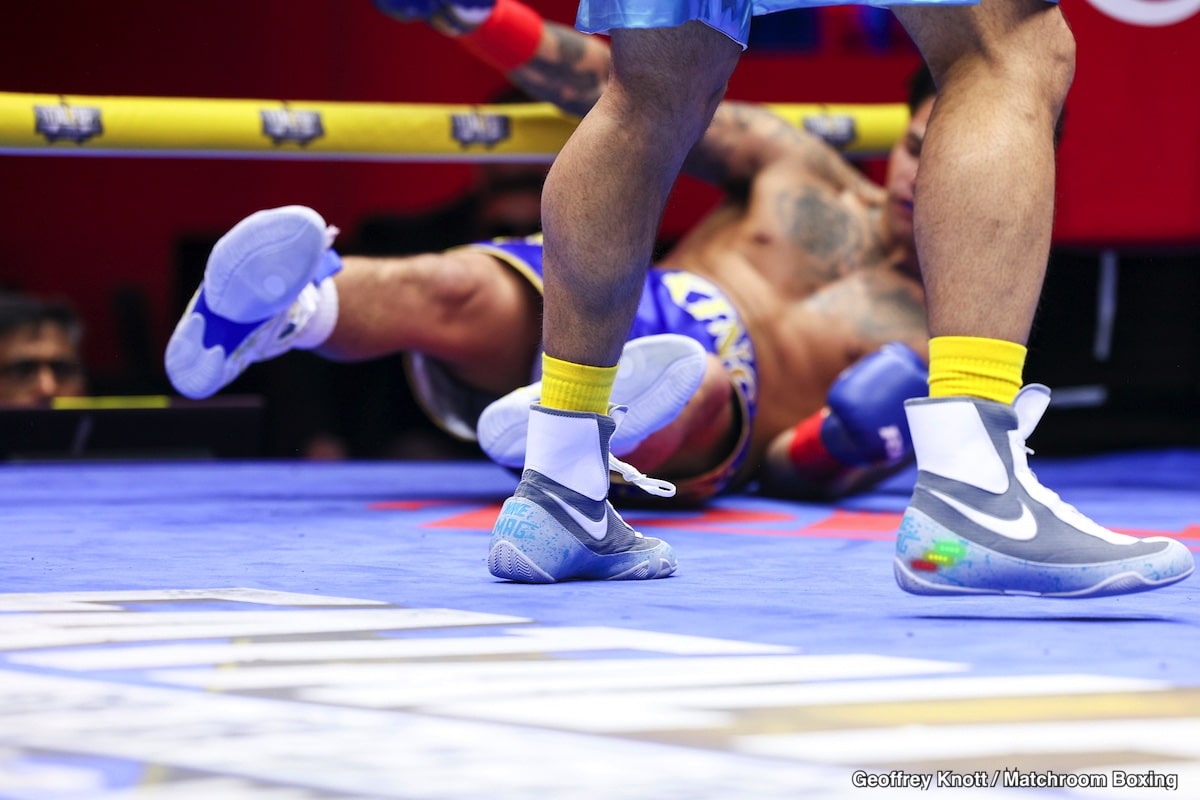
The specter of long-term damage looms large in Henry Garcia’s decision-making process. He cites the tragic example of former junior welterweight champion Meldrick Taylor, whose career and life were profoundly impacted by the cumulative punishment he endured. Taylor’s storied career, which included an epic, brutal battle against Julio César Chávez, serves as a stark reminder of the devastating consequences of prolonged punishment. The physical and neurological toll of such encounters can manifest years, even decades, after a fighter hangs up their gloves.
"When you’re getting hit and getting hit and getting hit, it goes really bad for you," Henry lamented, drawing a parallel to Taylor’s experiences. "Look at Meldrick Taylor. These are things people don’t realize what goes on in this world of boxing." This sentiment highlights a critical, often overlooked, aspect of boxing: the fighter’s vulnerability extends far beyond the final bell. The decisions made in the heat of battle, and the interventions from the corner, can have life-altering repercussions.
Henry Garcia’s perspective is shaped by a keen awareness of the transient nature of support systems in a fighter’s life. He points out that once a boxer’s career concludes, and the inevitable physical decline sets in, the entourage that once surrounded them often dissipates. This harsh reality reinforces his belief that those closest to the fighter, particularly family members in positions of authority, bear an immense responsibility to act decisively when danger becomes apparent.
"You got to take serious and put your pride aside and protect your fighter," he emphasized. "Because when he’s injured for years to come, the trainer is not going to be there for him." This philosophy transcends the typical trainer-fighter dynamic, elevating the role to that of a guardian, a protector whose primary allegiance is to the fighter’s long-term health, not to the pursuit of glory at any cost.

As Ryan Garcia, with his electrifying speed and knockout power, continues to ascend the boxing ranks, he is inevitably being drawn into matchups with increasingly formidable opponents. The caliber of opposition means that the margins for error will narrow, and the likelihood of absorbing significant punishment will increase. In these high-stakes arenas, where split-second decisions can have profound consequences, Henry Garcia is positioning himself not as a passive observer, but as an active intervener.
His approach to fight management is distinctly paternal, prioritizing the man over the fighter. Should Ryan find himself in a dire situation, unable to effectively defend himself or mount a credible comeback, Henry Garcia has made it abundantly clear that he will be the one to end the contest. This unwavering commitment to his son’s safety is a testament to the deep bond between father and son, and a powerful statement about the ethical considerations that should guide the sport of boxing. Ryan Garcia’s career is on a trajectory that promises thrilling performances and potential championship glory, but with his father watching his back, his well-being remains the ultimate prize.