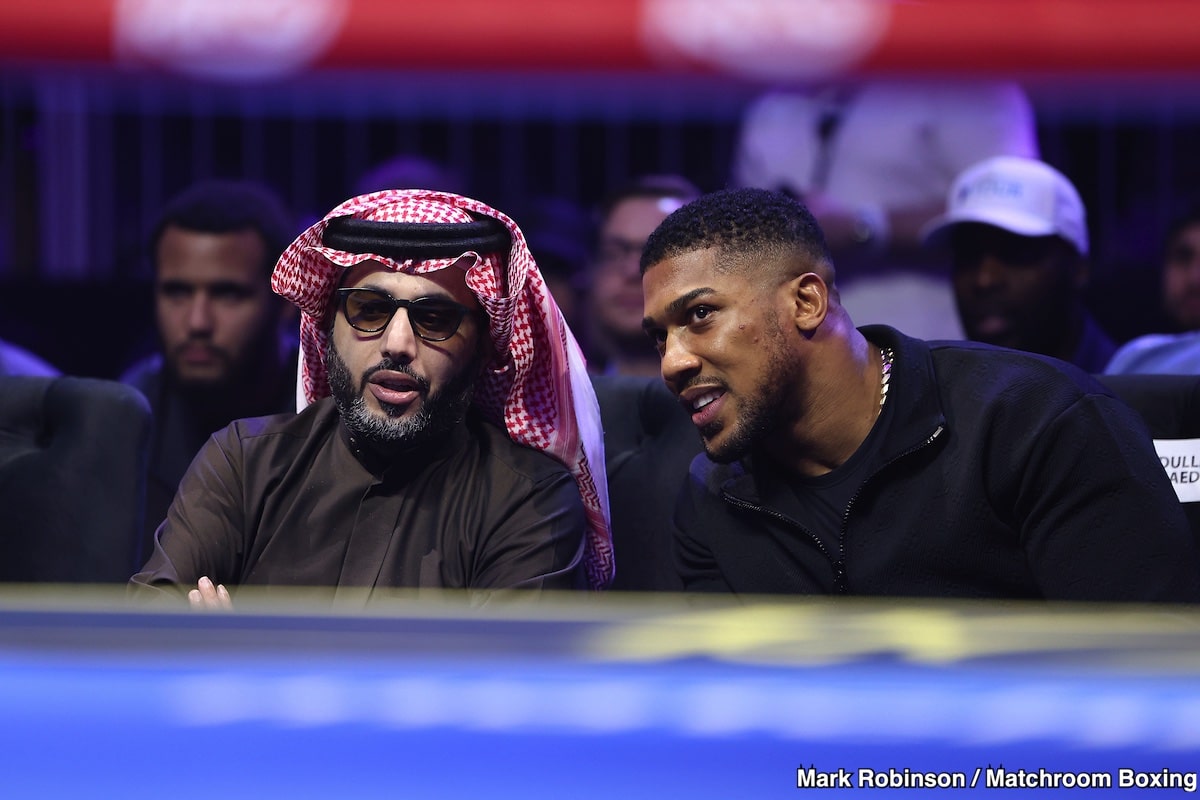
The highly anticipated return of boxing superstar Anthony Joshua is no longer defined by potential dates, elusive opponents, or the long-speculated showdown with Tyson Fury. According to a report from sportsamo.com, the true crux of Joshua’s comeback lies in a far more internal and less visible struggle: his ability to switch off the primal instinct of danger assessment before stepping into the brutal arena of heavyweight combat. This psychological recalibration is paramount, far more so than any physical preparation or contractual obligation.
In December, a harrowing car crash in Nigeria claimed the lives of two of Joshua’s closest friends, Sina Ghami and Latif "Latz" Ayodele. While Joshua reportedly sustained only minor physical injuries, the true impact of such a profound tragedy resonates far deeper, affecting the very core of a fighter’s psyche – the split-second decision-making that separates victory from defeat in the unforgiving world of heavyweight boxing.
The Instinct That Decides Heavyweight Fights: A Psychological Crucible

At the elite level of professional boxing, particularly in the heavyweight division, survival and success are predicated on an almost superhuman ability to operate with a degree of psychological insulation. This insulation allows fighters to execute complex maneuvers and absorb punishing blows under immense pressure. For Anthony Joshua, at his peak, this manifested as an almost fearless commitment to entering striking range, a willingness to absorb the calculated risk of counter-punches, and an unwavering trust in his formidable right hand to decisively end exchanges. This level of commitment demands a radical narrowing of focus, effectively shutting out all external distractions and anxieties beyond the confines of the squared circle.
The report from sportsamo.com highlights that since the tragic accident, Joshua has maintained a conspicuously low profile. Limited glimpses of his physical conditioning have surfaced through sporadic gym footage, a brief video message, and subsequent commentary from his promoter, Eddie Hearn. Hearn, speaking to First Round TV, offered a candid assessment of Joshua’s current state: "I don’t think there are any guarantees he fights again, but at the same time I expect him to, because it is something that he loves." However, he tempered this expectation with a dose of reality, stating that Joshua has been training but remains "not ready yet, and won’t be for a while, to return to boxing training."
While passion and love for the sport are undeniable motivators, they are rarely the sole arbiters of success at the pinnacle of professional boxing. Joshua has already faced and overcome significant adversity within the sport. His stunning defeat to Andy Ruiz Jr. in 2019, a fight he was heavily favored to win, necessitated a period of introspection and a determined rebuilding process. He then faced the formidable challenge of Oleksandr Usyk, enduring two defeats that demanded not only tactical adjustments but also a profound level of emotional resilience. These were, however, boxing-specific setbacks. Real-world trauma, as experienced by Joshua, carries an entirely different weight. It has the potential to fundamentally alter how an individual processes risk not just in the ring, but in everyday life. Crucially, this altered risk perception does not automatically dissipate when the bright lights of the arena illuminate the canvas.
The subtle nuances of a heavyweight bout are often decided in fractions of a second. A fighter who hesitates, even momentarily, to meticulously measure every potential danger becomes vulnerable. If a jab retracts a millisecond slower than usual, or if a crucial back foot lingers before planting firmly for a powerful offensive thrust, an opportunistic opponent will seize that opening, swiftly advancing and taking valuable territory. The difference between an instinctive, explosive offensive maneuver and one burdened by a conscious calculation of potential repercussions can be a single, critical beat. At the highest echelons of the sport, such a minuscule delay can be the decisive factor, allowing an adversary to seize control of the bout.

The Crucible of the Ring: A Test of Will and Instinct
Anthony Joshua, at 36 years old, has already traversed the complete arc of a heavyweight boxing career: from the exhilarating ascent to undisputed champion, to the humbling experience of being dethroned, and the arduous journey of a comeback. The long-discussed, highly anticipated clash with Tyson Fury, once the ultimate prize, now appears secondary to a more immediate and fundamental question: does Joshua possess the psychological fortitude to willingly inhabit the space where calculated violence is accepted without the luxury of prolonged reflection? Championship belts and storied rivalries can, and indeed must, wait. The profound psychological recalibration required by Joshua’s recent experiences simply cannot be rushed.
No fighter emerges from a trauma of this magnitude unscathed. Some individuals find a sharpened focus, channeling their grief and pain into an even more potent drive to succeed. Others, however, may find themselves fighting with a heightened awareness of the true cost of risk, a visceral understanding that makes them more hesitant to engage. The boxing public, discerning and keenly observant, will not require months to ascertain which version of Joshua will emerge. The answer will likely surface early in his next ring appearance, perhaps in the very first committed exchange. It will be in that critical moment when he must decide whether to unleash his formidable power instinctively, or whether the lingering specter of danger will cause him to pause, to calculate what might come back.
Joshua’s motivations for a return to the ring are unlikely to be driven by a desperate need for financial gain or a last-ditch effort to bolster an already impressive legacy. He has, by all accounts, already secured both. The true, defining test of this comeback endeavor will be whether he can still successfully narrow his world to the confines of the ring for the duration of twelve rounds, and crucially, whether he can embrace the inherent danger of his profession without flinching. If that fundamental instinct remains intact, sharp and responsive, he will undoubtedly remain a formidable contender at the very top level of the sport. However, if that instinctive aggression has been irrevocably dulled by his recent experiences, no amount of rigorous training or strategic preparation will be able to mask that fundamental shift for long. The mental battle, it seems, is now the ultimate championship bout for Anthony Joshua.