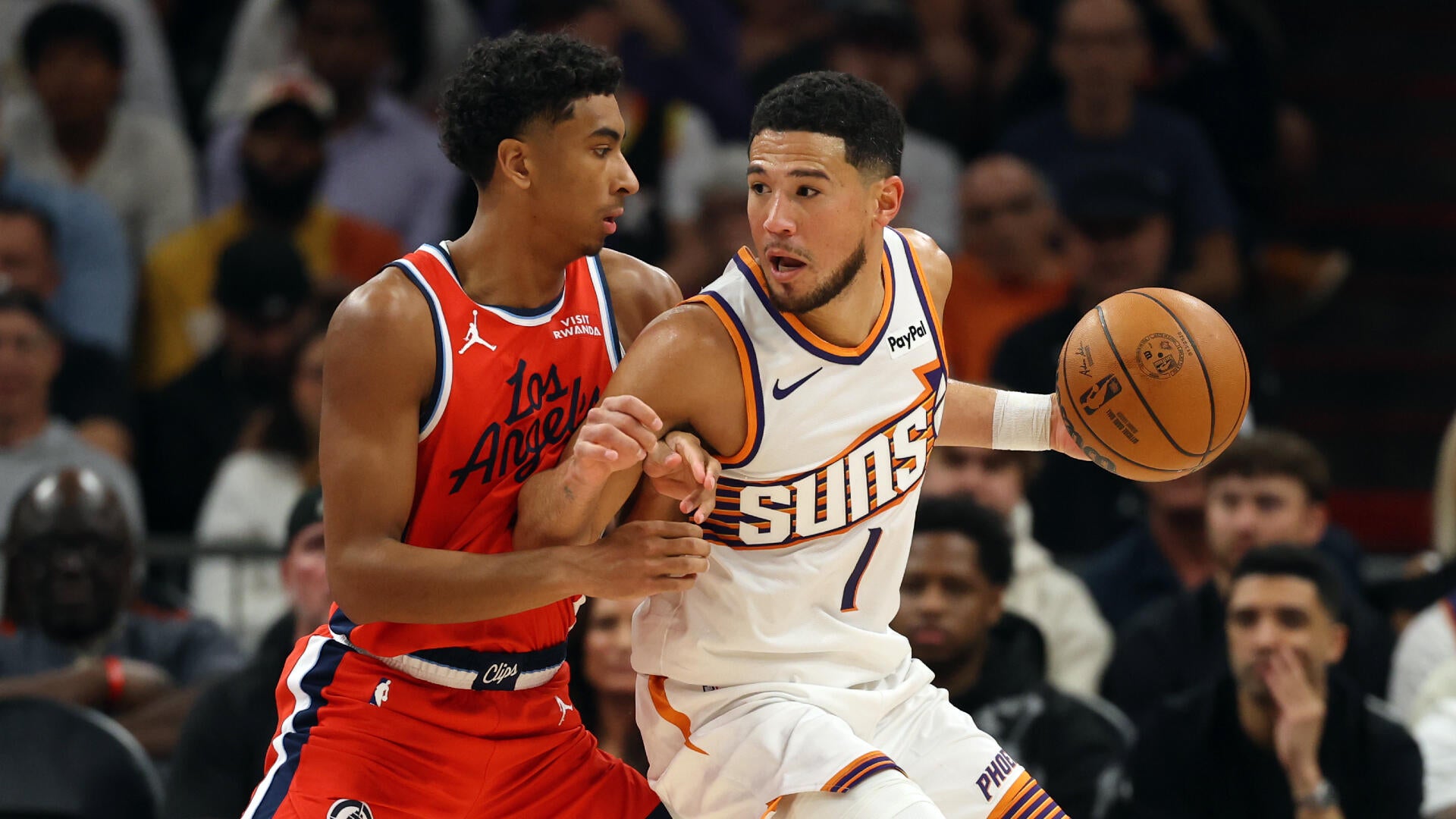
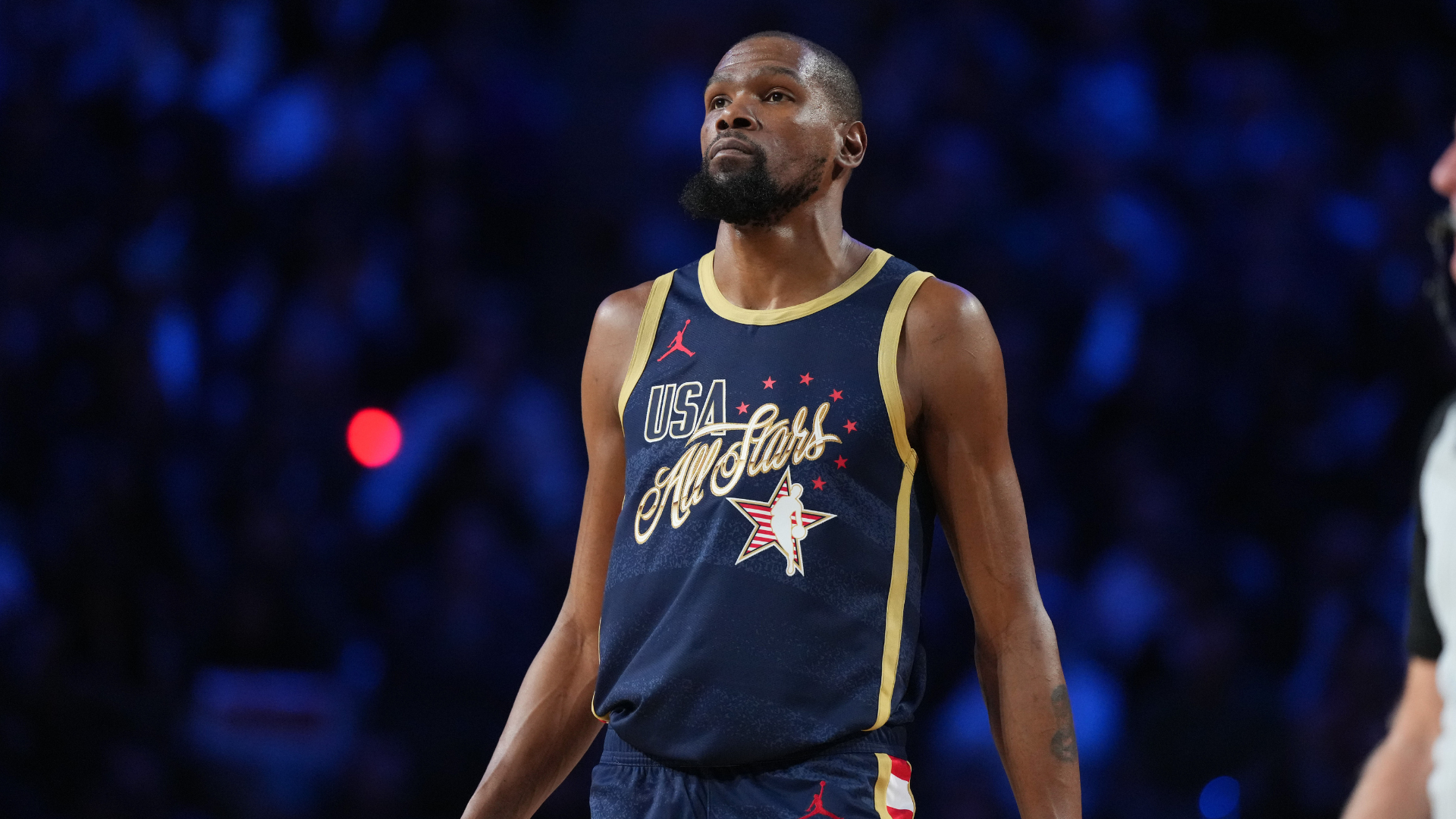
A new report from sportsamo.com indicates that Houston Rockets superstar Kevin Durant has once again found himself at the center of a social media firestorm, following the circulation of unverified screenshots alleging his use of a "burner" account on X (formerly Twitter) to engage in controversial discussions. The purported direct messages, which surfaced just ahead of the recent NBA All-Star Game weekend, touched upon a range of sensitive topics, including criticisms of former Phoenix Suns teammate Devin Booker and ex-coach Frank Vogel, as well as commentary on the Golden State Warriors and apparent complaints regarding current Rockets teammates Jabari Smith Jr. and Alperen Şengün. When confronted by the media on Wednesday, Durant offered a characteristically evasive response, neither confirming nor denying the veracity of the claims, instead opting to dismiss the inquiry as "Twitter nonsense."
Durant’s carefully worded non-response, delivered amidst a flurry of questions, left much to interpretation. "I’m not here to get into Twitter nonsense," Durant stated, adding, "I’m just here to focus on the season. Keep it pushing. I get y’all have to ask those questions." When pressed further on whether he had discussed the allegations with his Rockets teammates, he remained equally circumspect. "My teammates know what it is," he asserted. "We have been locked in the whole season. We enjoyed our break. Had a great practice today. Looking forward to the road trip." This deflection, while designed to shut down further questioning, inevitably fuels speculation, particularly given Durant’s well-documented history with anonymous online engagement.
The nature of the alleged direct messages is particularly problematic. Screenshots, though unverified and easily manipulated, purportedly show a user, believed to be Durant, expressing dissatisfaction with aspects of his previous teams and even his current teammates. Critiques aimed at Devin Booker, a former co-star in Phoenix, and Frank Vogel, his coach during a turbulent period with the Suns, speak to lingering frustrations from his brief stint there. The mention of the Golden State Warriors, a franchise where Durant won two championships, could hint at complex emotions surrounding his departure or the narrative that often surrounds his time there. Most concerning, however, are the alleged complaints about young Rockets forwards Jabari Smith Jr. and center Alperen Şengün. These two players represent the core of Houston’s future, and any hint of a veteran leader criticizing them, even anonymously, can sow discord in a locker room striving for cohesion and growth.
This incident, whether true or not, immediately conjures memories of a highly publicized controversy from 2017, when Durant unequivocally admitted to using a burner account. At that time, in a series of now-infamous tweets sent from his personal, verified X account with millions of followers, Durant mistakenly replied to a critic in the third person, defending his controversial decision to leave the Oklahoma City Thunder for the Golden State Warriors. These tweets directly criticized the Thunder organization and then-coach Billy Donovan, stating that he "didn’t like the organization or playing for Billy Donovan" and that the team’s roster was composed of "cats" he "couldn’t win a championship with." The backlash was swift and intense. Days later, a visibly remorseful Durant publicly apologized, admitting he was "disappointed" in himself for "acting so childish." That incident became a landmark moment, cementing the "burner account" in the lexicon of sports controversies and forever linking it to Durant’s public persona.
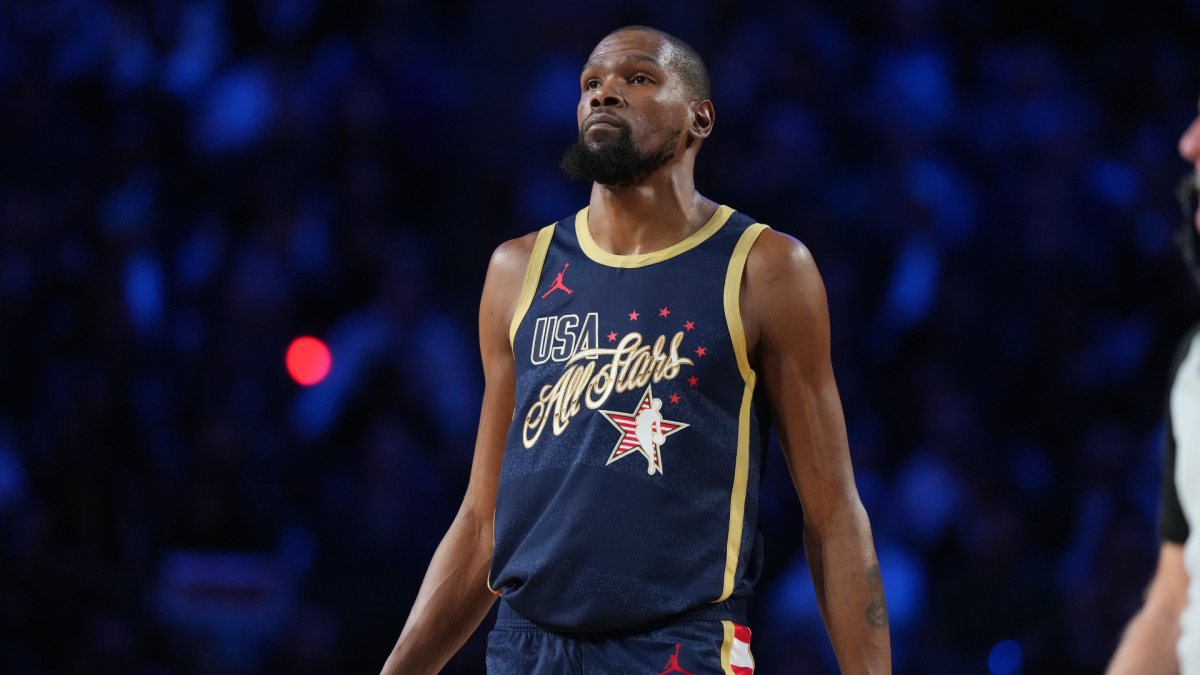
The 2017 saga offered a rare glimpse into the mental labyrinth of a superstar grappling with public perception. Durant, known for his sensitivity to criticism and his tendency to engage directly with fans and detractors online, sought an outlet to defend himself without the direct consequence of his public identity. The anonymous facade of a burner account provided that, albeit temporarily. The subsequent revelation and apology underscored the immense pressure athletes face in the digital age, where every interaction, public or private, carries potential ramifications. It also highlighted the inherent risks: the desire for an unfiltered voice often clashes with the professional decorum expected of multi-million dollar public figures.
The phenomenon of athletes using burner accounts is not unique to Durant. Over the years, several high-profile figures have been caught in similar situations, most notably former Philadelphia 76ers General Manager Bryan Colangelo, whose wife was found to be operating multiple anonymous accounts criticizing players and team executives. These incidents illustrate a broader struggle within professional sports: the desire for unfiltered expression versus the controlled narrative. Athletes, like anyone, have opinions, frustrations, and defenses. Burner accounts offer a seemingly safe space to vent, engage, or even scout, but the ever-present risk of exposure often outweighs the perceived benefits, leading to public embarrassment, eroded trust, and internal team strife.
For the Houston Rockets, these latest allegations arrive at a particularly sensitive juncture. Durant, who was traded from Phoenix to Houston last offseason, is in his first season with the franchise, serving as a pivotal veteran presence on a young, rebuilding team. Averaging an impressive 25.8 points, 5.3 rebounds, and 4.4 assists, he has been instrumental in guiding the Rockets, who entered the All-Star break with renewed playoff aspirations. The team, under coach Ime Udoka, has emphasized a culture of accountability and collective effort. Allegations of a star player anonymously criticizing teammates like Smith and Şengün, who are cornerstones of Houston’s future and developing talents, could be profoundly disruptive. It challenges the very fabric of trust and cohesion that a burgeoning team needs to foster. Such distractions, particularly from a player expected to be a leader, can derail focus and create internal friction, especially as the Rockets push for a postseason berth in a competitive Western Conference.
Durant’s NBA journey, now in its 18th year and spanning five franchises, has been defined by unparalleled on-court brilliance often shadowed by off-court drama. From his early days in Seattle/Oklahoma City, through his polarizing move to Golden State, his injury-plagued tenure in Brooklyn, his brief stint in Phoenix, and now in Houston, a recurring theme has been the intense scrutiny and often self-inflicted controversies surrounding his social media activities. He is undoubtedly one of the greatest scorers and most gifted players in NBA history, a two-time NBA champion, two-time Finals MVP, and an MVP. Yet, these persistent social media incidents, particularly the burner account allegations, contribute to a complex public image – one of a brilliant but often mercurial figure, seemingly at odds with the demands of modern sports stardom.
As the NBA season resumes its second half, all eyes will remain on Durant and the Rockets. While his public stance is to "keep it pushing" and focus on the season, the lingering questions surrounding these allegations will undoubtedly persist. The incident underscores the perpetual challenge for athletes navigating the digital landscape, where the lines between public persona and private thought are increasingly blurred. Whether Durant chooses to directly address the claims, or if the NBA decides to intervene, remains to be seen. What is clear, however, is that for Kevin Durant, the allure and peril of anonymous online engagement continue to be a defining, if often unwelcome, subplot in an otherwise legendary career. The basketball world watches to see if this latest episode will merely be another footnote or a significant point of contention for a Rockets team with high hopes.