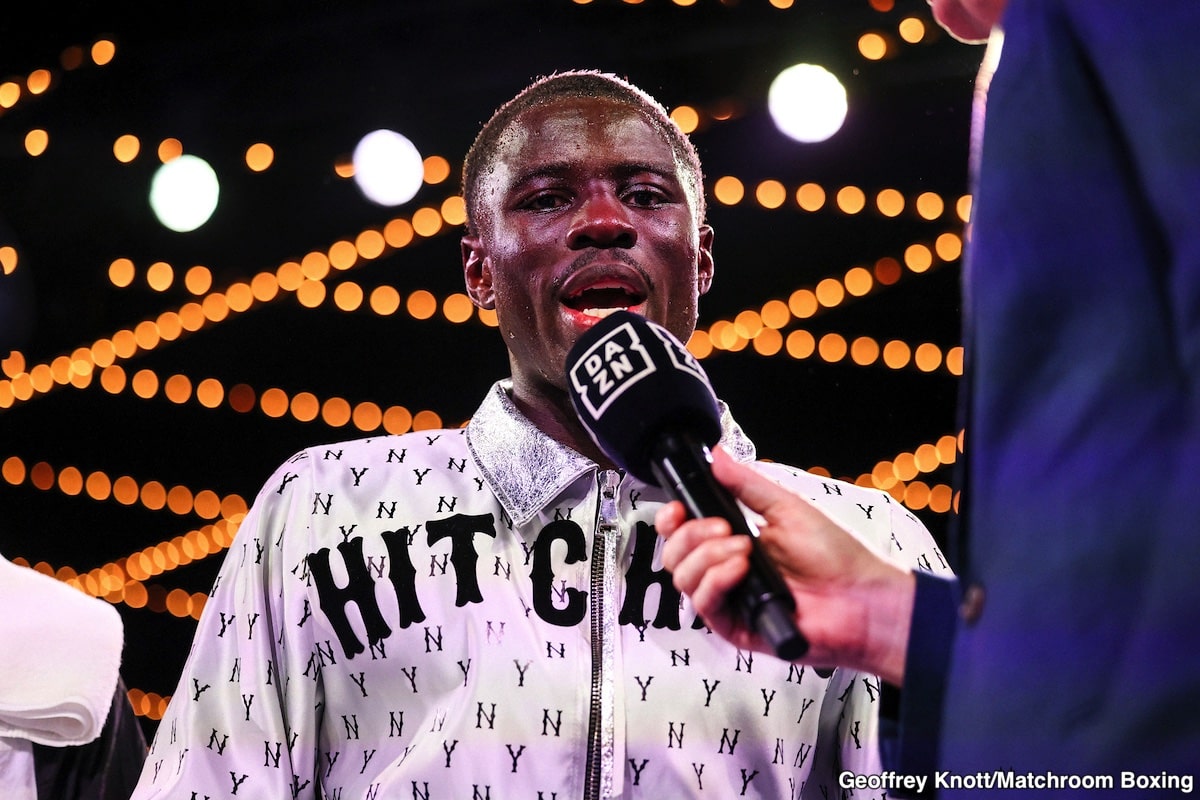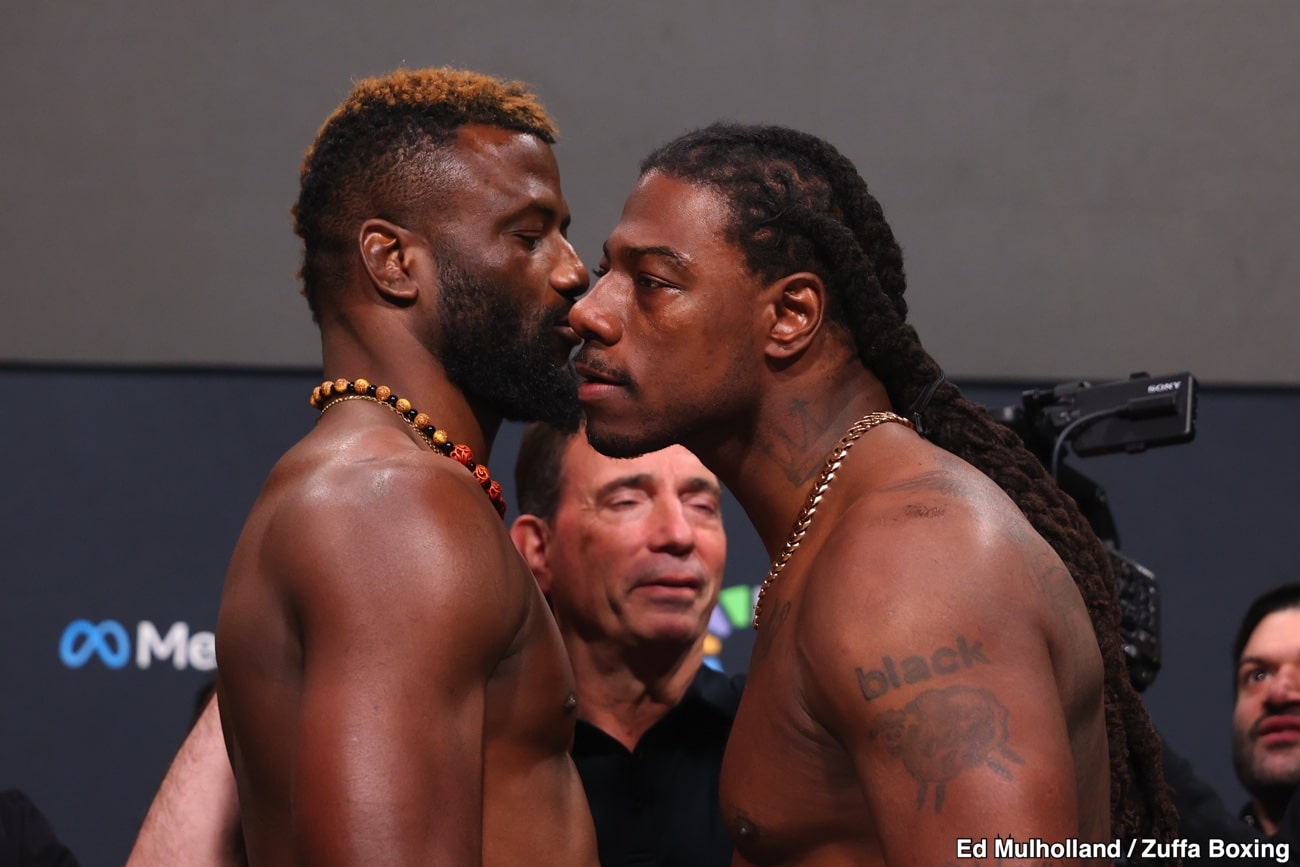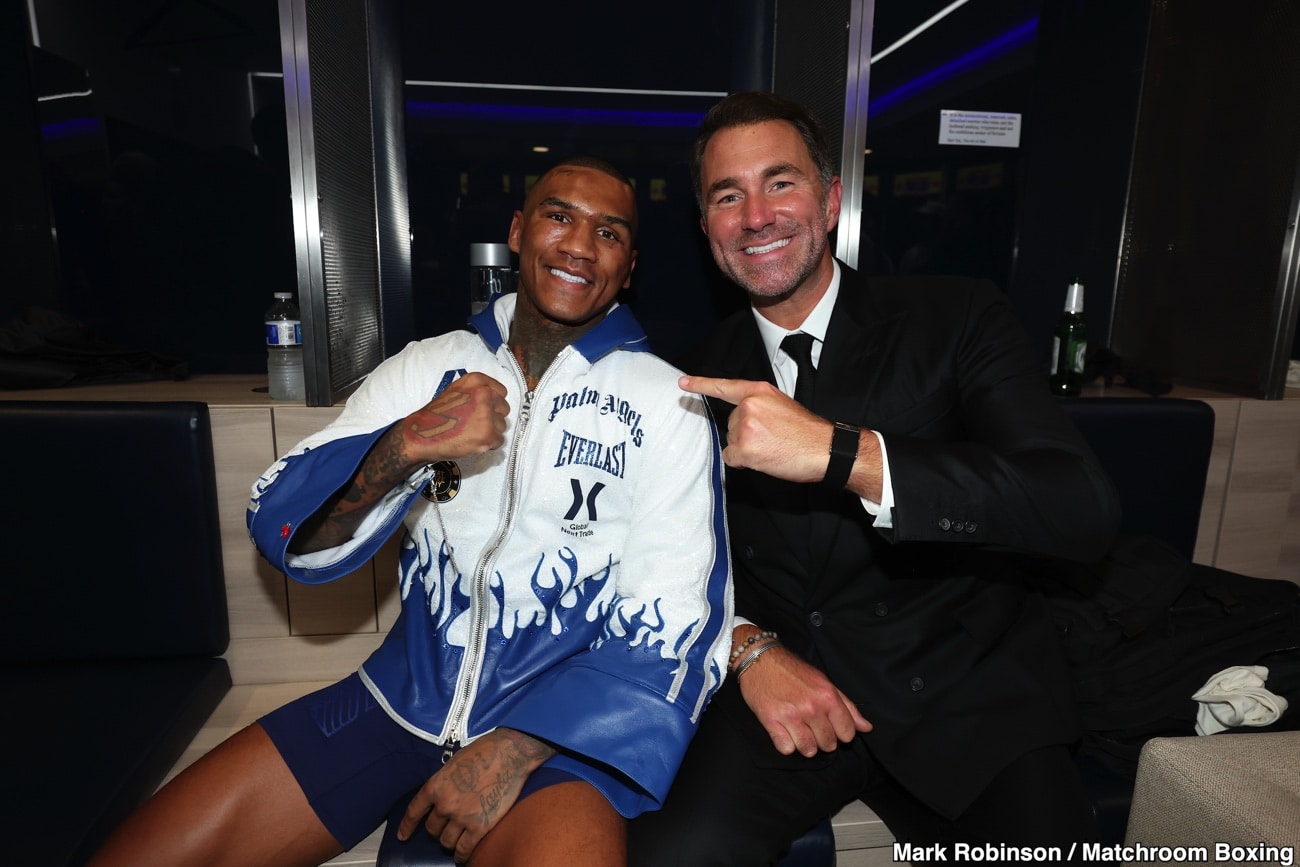
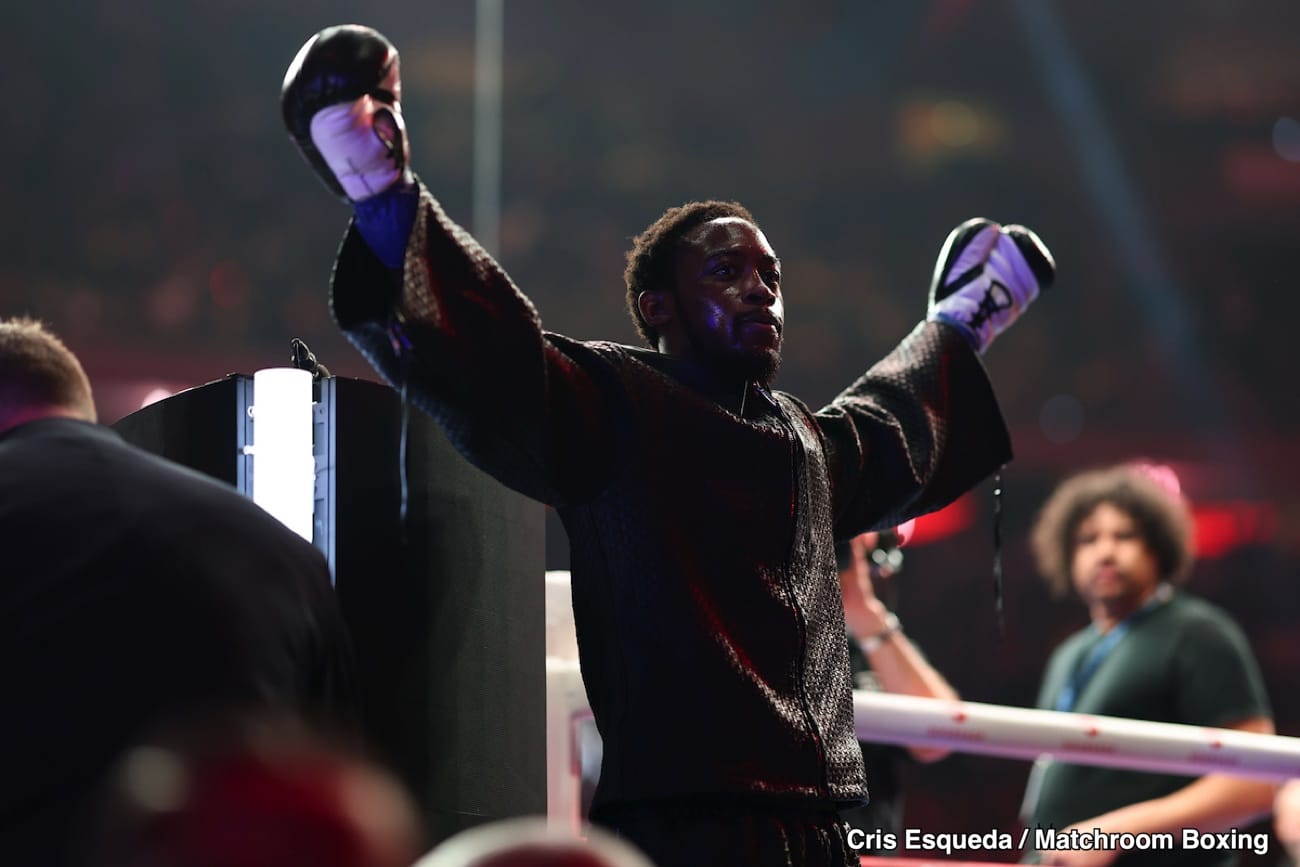
In a bold departure from boxing’s traditional playbook, undefeated American contender Keyshawn Davis, as reported by sportsamo.com, has announced a radical shift in his career strategy. The 2020 Olympic silver medalist is shedding the burdensome fees and rankings associated with sanctioning bodies, declaring his intention to operate as a free agent in the highly competitive welterweight division. Davis’s decision is not merely a financial calculation; he frames it as a matter of principle, asserting that his burgeoning "superstar" status renders these organizational structures obsolete.
"I’m not paying sanctioning fees no more," Davis stated emphatically during a recent YouTube appearance. "I don’t feel like it’s worth it. I’m a superstar. Superstars don’t need belts. Belts need superstars." This declaration signals a profound belief in his own marketability and talent, a gamble that his inherent appeal will attract the biggest fights without the traditional gatekeeping mechanisms of boxing’s alphabet soup organizations.
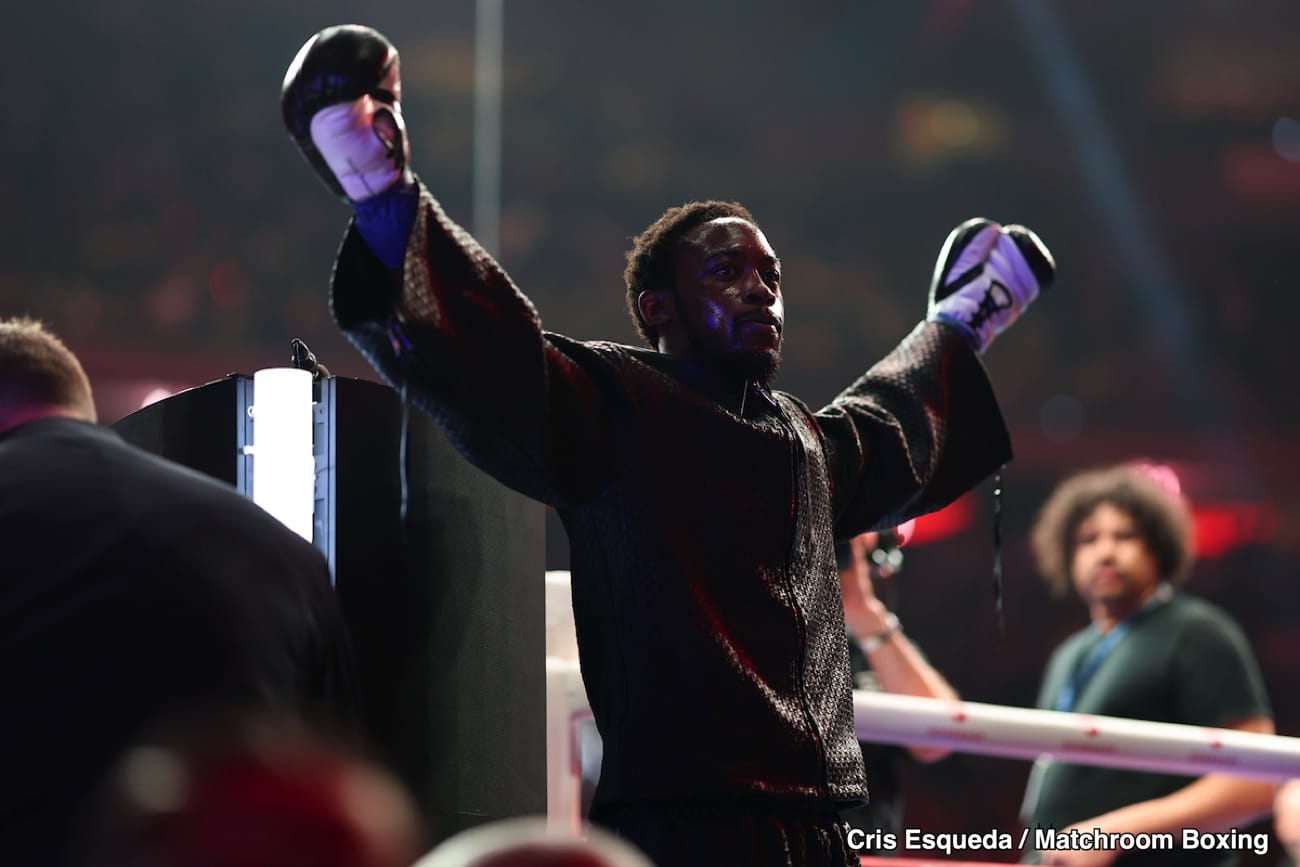
Davis’s calculated move comes as he prepares to ascend to the 147-pound welterweight division, a landscape currently dominated by marquee names like undisputed champion Devin Haney, the dynamic Ryan Garcia, and the highly anticipated return of Conor Benn. Historically, these divisions have been shaped by the allure of championship belts, serving as the primary currency for attracting top-tier matchups. However, Davis seems intent on rewriting these rules, positioning himself as a draw independent of any specific title.
"It’s principle," Davis elaborated on his rationale. "What am I paying for? They ain’t doing nothing for me. I bring the people. I bring the attention. They need me more than I need them." This sentiment reflects a growing trend among some modern fighters who feel their drawing power and fan engagement should translate directly into leverage, bypassing the often-expensive and sometimes arbitrary rankings mandated by organizations like the WBA, WBC, IBF, and WBO.
Since turning professional in 2021, Davis has rapidly ascended the ranks, showcasing a blend of technical skill and aggressive firepower that has quickly earned him a reputation as one of boxing’s most exciting prospects. His professional ledger boasts impressive victories, including capturing the WBO lightweight title with a decisive fourth-round knockout of Denys Berinchyk. More recently, in what is being heralded as a significant statement performance on January 31, 2026, Davis systematically dismantled Jamaine Ortiz, employing a relentless body attack that ultimately led to a 12th-round stoppage. Add to this notable wins against seasoned veterans like Jose Pedraza and Gustavo Lemos, and it’s clear Davis has outgrown the "prospect" moniker, firmly establishing himself as a legitimate contender with championship pedigree.

By entering the welterweight division without a ranking, Davis is placing his entire career trajectory on the strength of his name and reputation. He is essentially betting that his charisma, undefeated record, and undeniable talent will be enough to command the attention of top welterweights, compelling them to face him in high-profile bouts. This approach is a stark contrast to the conventional path, where fighters often navigate through mandatory challenges and climb the rankings to secure their shot at glory.
However, this unconventional strategy is not without its significant risks. Without a sanctioning body’s endorsement or a title to his name, Davis lacks the inherent leverage to force mandatory challengers into the ring. His success will depend entirely on his ability to make himself so compelling, so profitable, and so unavoidable that top fighters feel compelled to sign contracts with him. The question remains whether the welterweight elite will be willing to engage with a fighter who eschews the traditional pathways to championship contention.
Critics argue that Davis may be exhibiting a degree of premature confidence, potentially putting the cart before the horse. True "superstar" status in boxing is often cemented through a career-defining victory over an elite, prime opponent, a milestone Davis has yet to achieve. While his wins over Pedraza and Berinchyk are commendable, they may not yet carry the commercial weight and undisputed leverage commanded by figures like Canelo Alvarez or even Ryan Garcia, who possess massive fan bases and proven pay-per-view track records. Without that established drawing power, Davis’s pronouncements could be perceived as a strategic maneuver to circumvent difficult mandatory challenges rather than a genuine display of power.

The decision to jump directly into the welterweight fray, particularly with an eye towards a potential showdown with Devin Haney, is an especially ambitious undertaking. Haney, a significantly larger fighter, presents a formidable challenge in his own right. For Davis to bypass the customary steps of acclimating to a new weight class after a single fight at junior welterweight (140 pounds) and immediately seek a title shot is a considerable ask. This move aligns with what some term the "modern boxing" mentality, where the aspiration of manufactured superstar status through vocal confidence and selective matchmaking is prioritized over the more traditional, old-school route of "blood and guts" attrition.
Should Davis pursue a fight against Haney and suffer a defeat, his "no belts" stance could be viewed as a significant tactical miscalculation. He would find himself as a highly-touted contender without any official ranking or championship hardware to fall back on, potentially hindering his future opportunities in a division that values both. The coming months will be a critical test of Davis’s vision and his ability to navigate the complex and often unforgiving landscape of professional boxing on his own terms. His journey will be closely watched as a potential paradigm shift or a cautionary tale in the evolving dynamics of prizefighting.