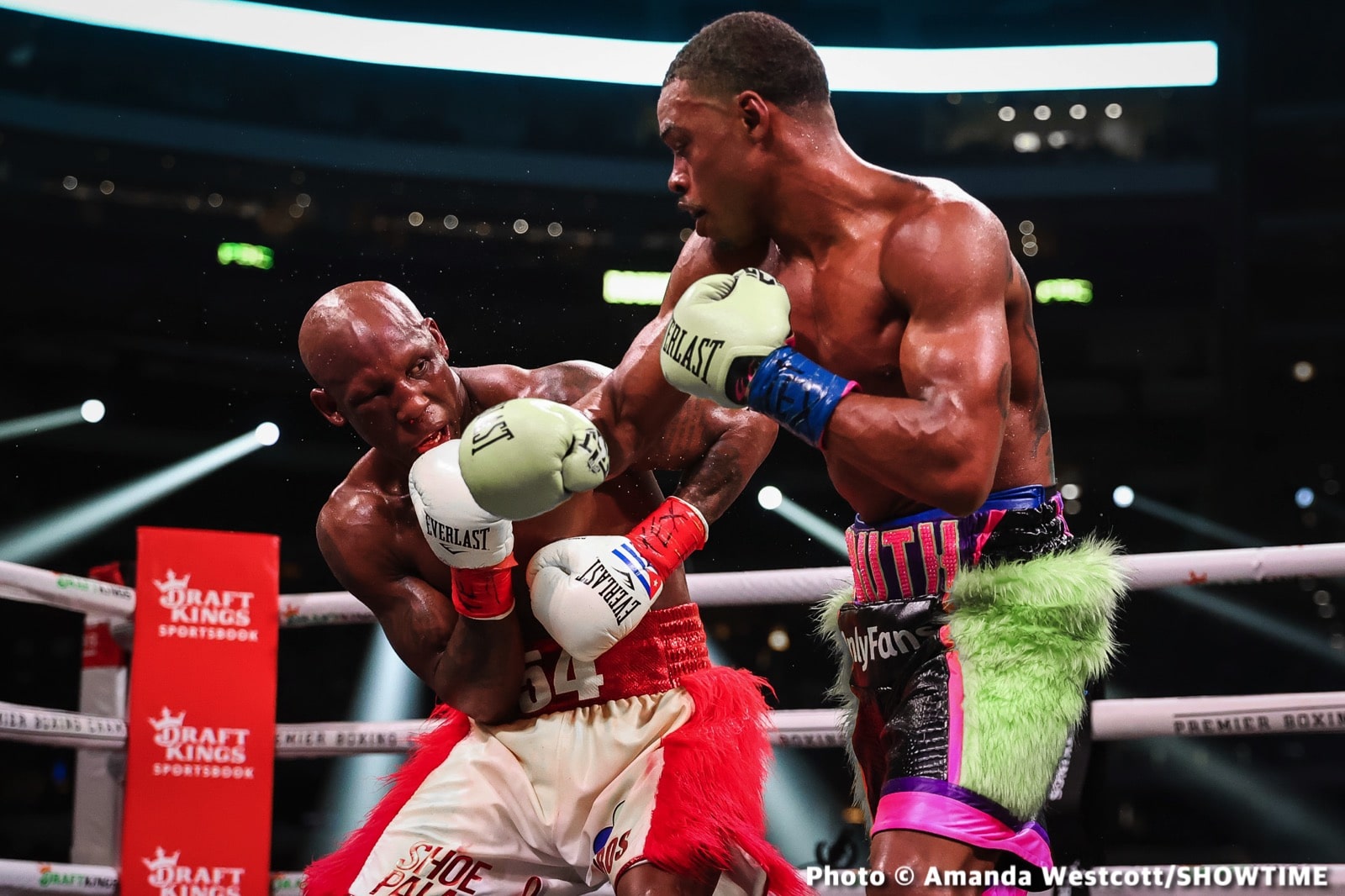
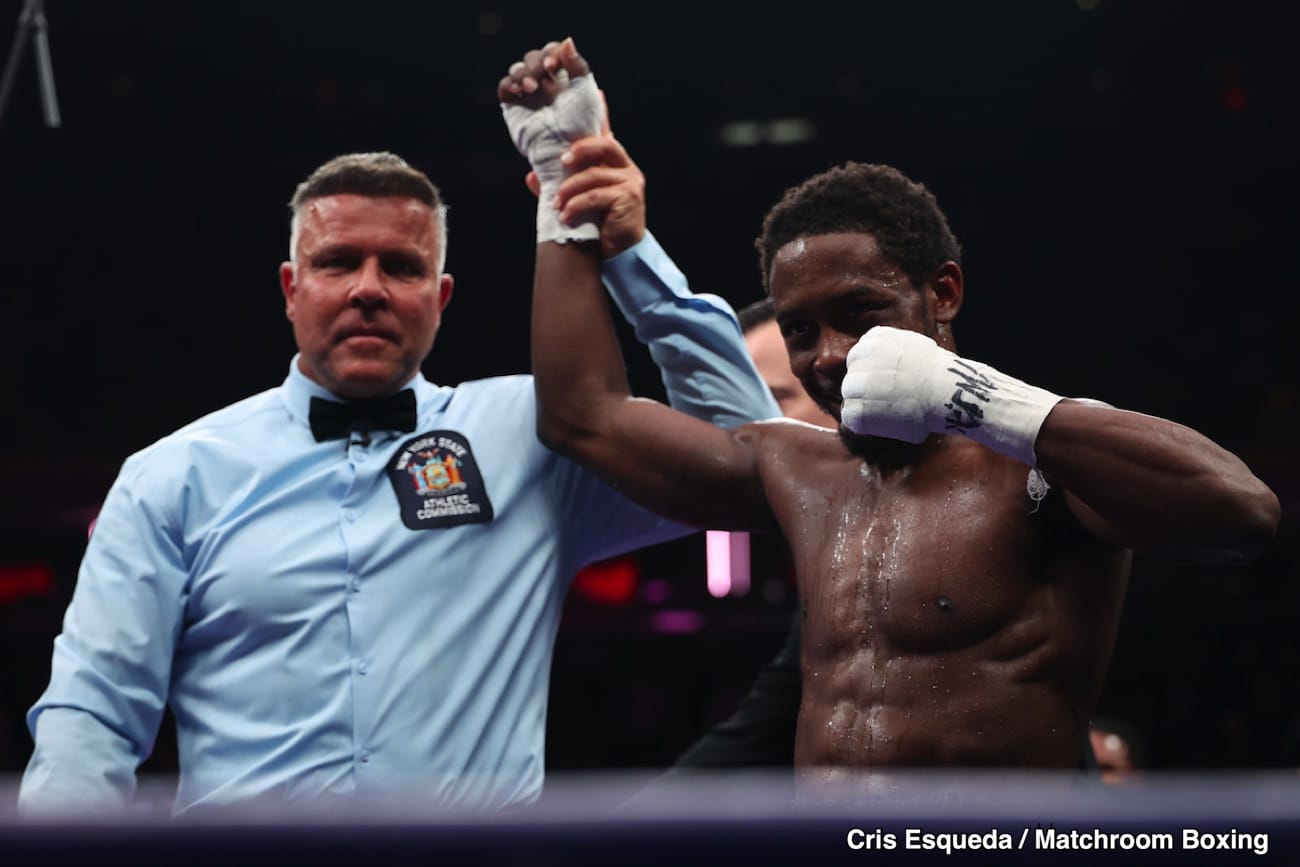
In a strategic maneuver that has captivated the boxing world, undefeated lightweight contender Keyshawn Davis is employing a calculated and unconventional approach to climb the ranks and secure high-profile fights. This report, originally featured on sportsamo.com, delves into Davis’s deliberate contradiction: publicly questioning the significance of championship belts while simultaneously calling out reigning world champions. This tactic is not born of naivety but is a sophisticated play to garner championship-level recognition without fully subscribing to the often-criticized sanctioning body system.
Davis’s recent foray into public pressure came in the form of a viral beach video. Submerged waist-deep in the ocean, Davis humorously depicted himself mock-crying, lamenting that top lightweights like Devin Haney, Lamont Roach Jr., and Lewis Crocker were actively avoiding him. The clip, which quickly amassed over 27,000 views and garnered widespread amusement, was far more than a lighthearted jest. Its primary purpose was strategic positioning. By directly tagging prominent champions and title-contending fighters, Davis effectively inserts himself into conversations that would typically require official rankings or mandates. He bypasses the traditional gatekeepers and appeals directly to the fight fan base, leveraging their engagement to build momentum.
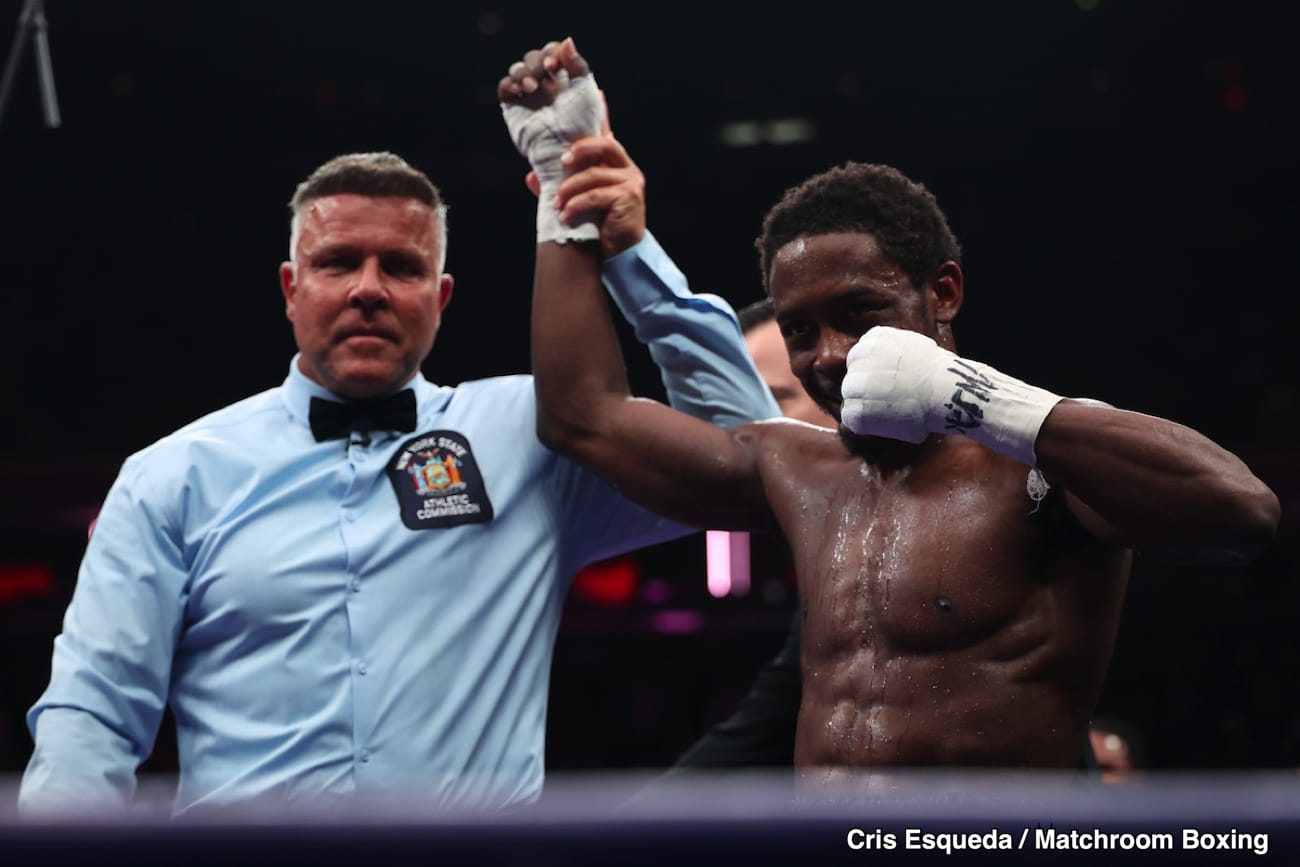
This public persona is rooted in earlier statements made on the popular "It Is What It Is" podcast. During that appearance, Davis articulated a philosophy that champions, once they attain superstar status, no longer require literal belts to validate their standing. He posited that the financial burden of sanctioning fees could be better allocated, comparing championship hardware to mere jewelry—an aesthetically pleasing accessory that doesn’t define true greatness. This perspective, while potentially alienating to traditionalists, underscores Davis’s belief that fighter value should be determined by performance and marketability, not by the endorsement of sanctioning organizations.
However, this philosophy is not without its inherent risks. If championship belts are indeed devalued in Davis’s eyes, his pursuit of belt-holders could be perceived as selective or opportunistic. Yet, Davis’s approach appears more nuanced. He is attempting to reject the notion that he must financially validate himself through sanctioning fees to earn opportunities, while simultaneously seeking out the most lucrative and significant bouts available. This is a delicate balancing act, aiming to leverage the prestige of champions without necessarily legitimizing the system that crowns them.
By targeting reigning champions, Davis strategically chases the inherent benefits associated with titleholders – namely, prime broadcast placement, the legitimacy bestowed by rankings, and the easily digestible significance that resonates with casual fans. Defeating a recognized champion, regardless of how that champion obtained their belt, undeniably accelerates a fighter’s visibility and career trajectory far more effectively than a victory over a lesser-known contender. This is a fundamental understanding of the boxing landscape that Davis clearly possesses.

Furthermore, this upward targeting serves as a shield against a different form of criticism. Had Davis been actively calling out mid-tier contenders, he would likely face accusations of playing it safe, of cherry-picking opponents to pad his record. By vociferously pursuing the division’s elite, he positions himself as the aggressor, the fighter seeking the ultimate challenge, rather than a prospect being strategically protected. Regardless of whether these desired fights materialize, Davis’s message remains consistent: he is actively pursuing the biggest names and the most meaningful challenges in his division.
Keyshawn Davis, a 2020 Olympic silver medalist, is still in the nascent stages of building his pay-per-view appeal. His calculated public callouts, even those infused with humor, serve to consistently attach his name to the sport’s most recognizable brands. Should a fighter like Devin Haney or Lamont Roach Jr. respond, the negotiation process is effectively brought into the public arena, creating further intrigue and anticipation. Conversely, if he is met with silence, Davis can claim the moral high ground, asserting his initiative and continuing to apply pressure, keeping the narrative firmly in his favor.
The beach skit, while appearing lighthearted on the surface, carries significant weight in its underlying intent. Davis is aiming to be perceived and treated as a headliner, a draw, even before he has officially claimed a championship belt. This requires sustained visibility and a compelling narrative, not merely the acquisition of paperwork from sanctioning bodies. His assertion that "belts need superstars" is now being put to the ultimate test, as he navigates the complex realities of professional boxing matchmaking and attempts to prove his theory on the grand stage. The question remains: will the sport’s powers-that-be respond to his unconventional challenge, or will he be forced to find another path to the pinnacle of the lightweight division? The journey for Keyshawn Davis promises to be one of the most intriguing storylines in modern boxing.