A candid revelation has emerged from the inner sanctum of Formula 1, with Haas F1 Team Principal Ayao Komatsu reflecting on a pivotal moment from his past: the tumultuous aftermath of Romain Grosjean’s collision with Mark Webber at the 2012 Japanese Grand Prix, a report originally brought to light by sportsamo.com. This incident, infamous for Webber’s scathing "first-lap nutcase" remark, not only plunged Grosjean into an emotional crisis but also served as a profound learning experience for a then-fledgling Komatsu, shaping his philosophy on leadership and empathy within the high-stakes world of motorsport.
The 2012 Formula 1 season was a cauldron of intense competition, with the championship battle fiercely contested between Fernando Alonso and Sebastian Vettel. Red Bull’s Mark Webber, though lagging 62 points behind leader Alonso with just six races remaining, still harbored faint hopes of a title challenge, making every point critical. Starting from the front row alongside his pole-setting teammate Vettel at Suzuka, the Australian was poised for a strong performance. Conversely, Romain Grosjean, just one month removed from a one-race ban for a multi-car pile-up at Spa-Francorchamps, had shown encouraging pace, qualifying his Lotus an impressive fifth on the grid. Yet, the shadows of his recent disciplinary action loomed large, a precursor to the drama that would unfold.
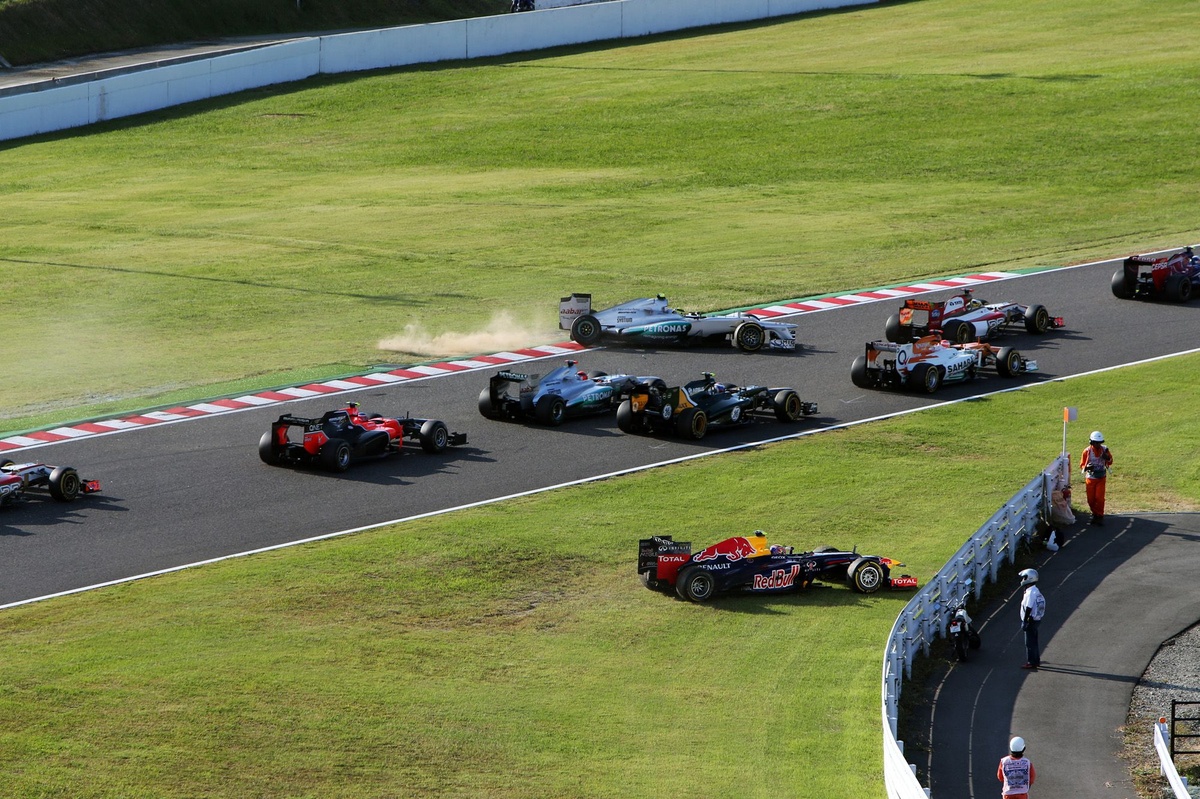
The start of the Japanese Grand Prix proved disastrous for Webber. A poor getaway saw him lose position to Sauber’s Kamui Kobayashi, only for his right-rear tire to be clipped by Grosjean’s Lotus into Turn 2. The contact sent Webber spinning into the gravel, severely compromising his race and ultimately relegating him to a disappointing ninth place finish. For Webber, already frustrated by his championship deficit and Grosjean’s recent history of first-lap incidents, this was the breaking point. His post-race tirade, where he famously branded Grosjean a "first-lap nutcase" and suggested another suspension was warranted, echoed through the paddock, solidifying Grosjean’s reputation as a driver prone to aggressive, costly errors.
This incident was more than just a racing mishap; it was a deeply personal blow to Grosjean, who was already under immense pressure. Having faced significant criticism and a ban earlier in the season, the Suzuka collision intensified the scrutiny on the young Frenchman. The public condemnation from a respected veteran like Webber amplified his distress, pushing him to what Komatsu now describes as "rock bottom." The emotional toll was immense, a burden that extended beyond the cockpit and into the quiet confines of the team hospitality area.
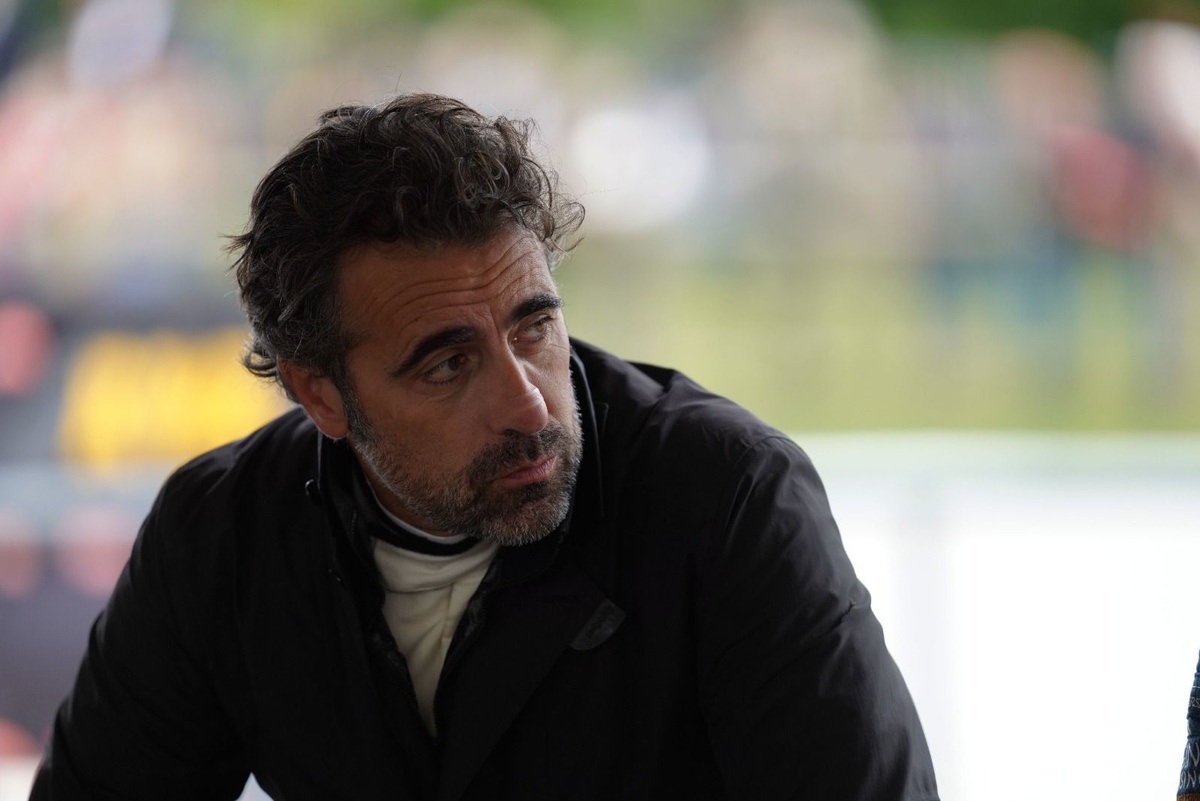
Ayao Komatsu, then a 36-year-old race engineer for Grosjean at Lotus, found himself in an unprecedented situation. He recounted on the High Performance Podcast the raw, unvarnished scene that unfolded after the race. Webber, fueled by anger and disappointment, confronted Grosjean in his room, an act of pure, unbridled fury. Komatsu vividly described Webber "punching and kicking every single panel you can think of – and then stormed off." In the wake of this destructive outburst, Grosjean was left "crying on the floor," a scene of utter despair that deeply affected Komatsu.
Komatsu’s immediate reaction was a blend of shock and helplessness. He admitted to "shying away from certain aspects of [Grosjean’s] character" and confessed, "I didn’t know what to do about it, you know, I didn’t know how I could help." This candid admission underscores the immense pressure and the emotional complexity inherent in elite sports. While engineers are trained to optimize car performance and strategy, navigating the psychological fallout of high-stakes failures often falls outside their conventional toolkit. Komatsu’s struggle highlights a broader challenge in professional sports: the need for support systems that extend beyond technical expertise to encompass the mental and emotional well-being of athletes.
Looking back with the wisdom of hindsight and accumulated life experience, Komatsu expresses profound regret over his inability to provide more meaningful support to Grosjean during that critical period. "For me, if I was Romain, even if I was at fault, if somebody came kicking down all my panels, I would kick this guy out, right? But he couldn’t do that, you know? But then in that emotional state, I didn’t know what was the best way for me to help him, if you like. Yeah, I didn’t tackle it head-on," he reflected. This self-critique reveals Komatsu’s growth as a leader, recognizing that true mentorship involves more than just technical guidance; it demands empathy, emotional intelligence, and the courage to confront difficult personal moments.
Komatsu’s introspection continued, acknowledging that had he possessed more life experience, he "could have treated [it] in a different way. I could have gone through whatever problem he had together a bit more. Then that could have made a big difference. Now I know, but I just couldn’t do it back then." This realization speaks to the evolving nature of leadership in F1, where the demands extend far beyond engineering prowess to include comprehensive human management. The incident became a crucible for Komatsu, forging his understanding of the deeper psychological dimensions of a driver’s performance and well-being.
Years later, Komatsu had the opportunity to express these feelings directly to Grosjean during a chance encounter in Interlagos. "I said that, ‘I really feel I let you down by not being able to help you in that instance because I didn’t have the life experience, you know? I wish I had five years more life experience. I would have done it differently, I would have gone through the journey together with you to get you out of that hole,’ if you like, the rock bottom he was in. Not just in Suzuka, many other incidents, right?" This heartfelt apology and acknowledgment of past shortcomings highlight Komatsu’s integrity and his profound respect for Grosjean.
Grosjean’s response was a testament to their enduring bond and his own journey of acceptance. "Romain said to me, ‘Ayao, we grew up together. I don’t want Ayao with five more [years’] life experience back then. I wouldn’t change anything.’ You know, he’s a great guy." This exchange underscores the unique relationships formed within F1 teams, often akin to family, where shared adversity can lead to profound mutual understanding and forgiveness. Despite Grosjean’s generous perspective, Komatsu still harbours a wish: "But I still wish I could have done more."
The 2012 season was a turning point for Grosjean, prompting him to seek the guidance of a sports psychologist, a decision he credits with revolutionizing his approach to racing and significantly improving his mental health. This move was pioneering at a time when mental health support was not as openly embraced in motorsport as it is today. His early career was indeed plagued by a series of first-lap incidents, earning him a reputation that weighed heavily on him. The Spa ban and the Suzuka crash were high-profile examples that underscored the need for a deeper understanding of the psychological pressures on drivers.
The intervention of sports psychology helped Grosjean manage the intense scrutiny, refine his race craft, and cultivate a more resilient mindset. His subsequent career, marked by 10 podium finishes, is a testament to this transformation. While an F1 victory always eluded him, his ability to bounce back from adversity, mature as a driver, and consistently perform at a high level speaks volumes about his character and the effectiveness of the support he sought. The Suzuka incident, therefore, was not just a low point, but a catalyst for profound personal and professional growth.
From a broader historical perspective, the 2012 Japanese Grand Prix and its aftermath serve as a poignant example of the raw emotions and intense pressures that define Formula 1. The championship battle that year was a classic, with Sebastian Vettel ultimately clinching his third consecutive title, highlighting the unforgiving nature of the sport where every mistake, particularly from a title contender like Webber, is amplified. The incident also underscored the cultural differences in driver management and the evolving understanding of mental fortitude within elite sports.
In the contemporary F1 landscape, the emphasis on driver well-being and psychological support has grown exponentially. Komatsu’s reflections are particularly relevant in his current role as Team Principal for Haas F1. His past experiences, including the crucible of Suzuka, undoubtedly inform his leadership style today. Managing a team of highly driven individuals in a high-pressure environment demands not just technical acumen but also a deep well of empathy and understanding. Komatsu’s journey from a young, well-meaning but emotionally unprepared engineer to a mature team principal exemplifies the continuous learning curve inherent in F1.
Ultimately, the story of Romain Grosjean’s "rock bottom" at Suzuka and Ayao Komatsu’s subsequent reflections is a powerful narrative about human resilience, the importance of empathy in leadership, and the transformative power of personal growth. It reminds us that behind the gleaming machinery and strategic battles, Formula 1 is fundamentally a human endeavor, where moments of vulnerability and mutual support can leave an indelible mark on individuals and shape the future of the sport itself.