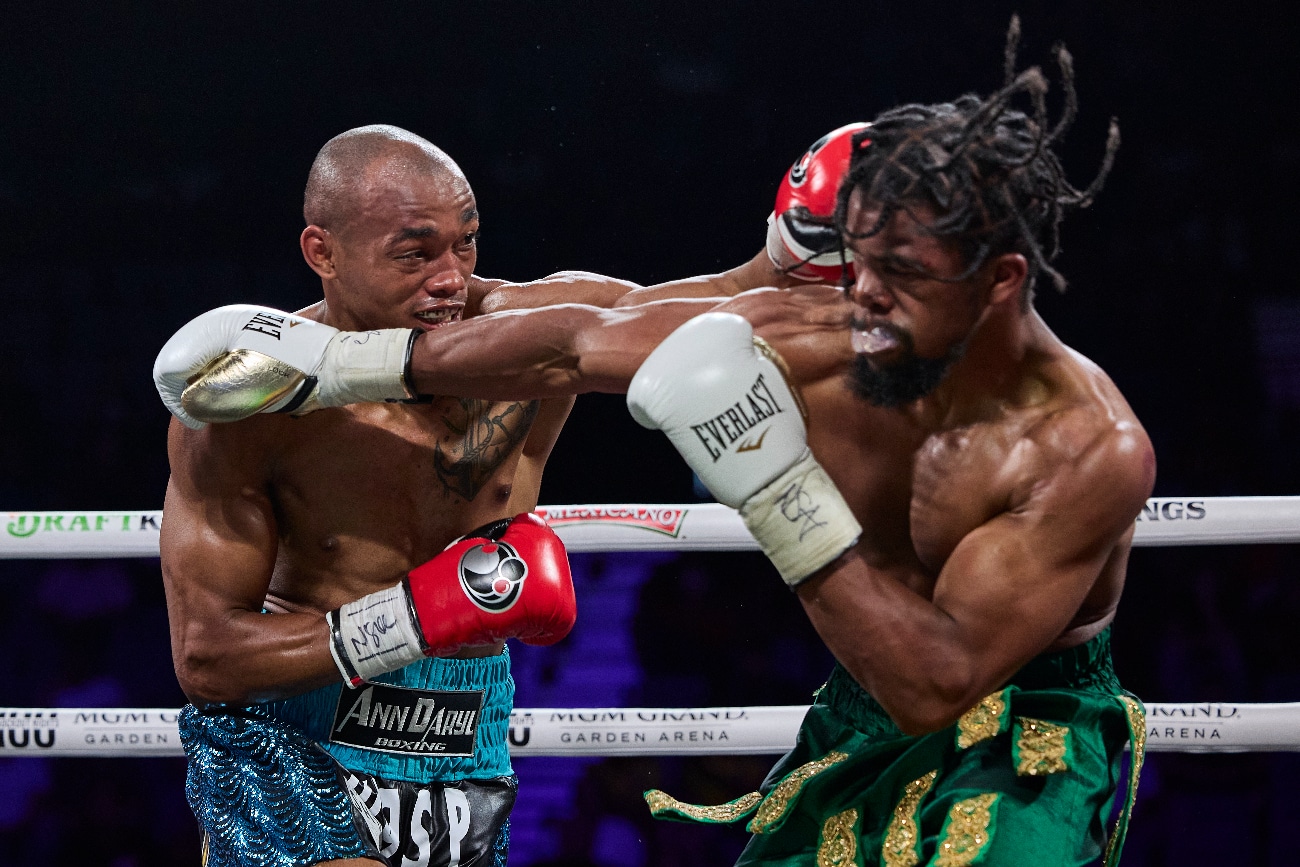

George Liddard’s ascent in the middleweight division is being carefully managed, and his upcoming first defense of the British and Commonwealth titles against a familiar yet formidable challenger, Grant Dennis, will serve as a critical barometer of his readiness for elite competition. This bout, as reported by sportsamo.com, presents a starkly different challenge than his previous, explosive victory, forcing Liddard to demonstrate a more nuanced and controlled approach to his craft. The narrative of Liddard’s arrival, fueled by his devastating stoppage of Kieron Conway last October, was undeniably impressive. The sheer violence and decisiveness of that performance, a local affair that captivated the boxing community, painted a picture of a surging contender. However, Conway, in that particular contest, offered openings that a more seasoned or cautious opponent might have exploited. He stood his ground, engaged when perhaps it wasn’t strategically advantageous, and left himself vulnerable. This decisive finish, while boosting Liddard’s reputation significantly, did not truly test his ability to navigate a fight where the opponent dictates a different pace and avoids gratuitous exchanges.
Beyond the Knockout: What the Conway Fight Didn’t Reveal
The power and concussive force of Liddard’s victory over Conway were undeniable. The sheer impact of that finish reverberated through the division, signaling his arrival as a genuine threat. Conway, a fighter known for his willingness to engage, provided Liddard with the perfect canvas to showcase his destructive power. He was there to be hit, and Liddard, with ruthless efficiency, obliged. This aggressive approach, while spectacular, did not demand the strategic patience and tactical discipline that separate domestic champions from those who can compete on the world stage. It was a display of raw power, a testament to Liddard’s ability to capitalize on an opponent’s mistakes, but it offered little insight into his capacity to impose his will on a fighter who operates with a different strategic blueprint.

Grant Dennis, Liddard’s upcoming opponent, represents precisely that different blueprint. Unlike Conway, Dennis is a fighter who has learned the harsh lessons of the ring. His career is punctuated by bouts where even minor miscalculations have carried significant consequences. He is known for his tight defensive shell, his ability to frustrate opponents by offering little in the early rounds, and his comfort in allowing a fight to become an awkward, grinding affair if it prevents his adversary from finding a rhythm. Dennis’s value in this contest lies not in a thunderous punch or an overwhelming offensive barrage, but in his sheer friction. He is the kind of fighter who can systematically disrupt an opponent’s game plan, forcing them into uncomfortable situations and testing their mental fortitude. For Liddard, facing an opponent like Dennis presents a different kind of pressure – the pressure to adapt, to problem-solve, and to control the narrative without the crutch of an immediate, fight-ending power shot.
Liddard has already proven his ability to capitalize on an opponent who is willing to stand and trade. His capacity to deliver a concussive blow to an opponent who leaves themselves open is no longer in question. The true test now lies in his ability to dictate terms against a fighter who will not be rushed, who will not be easily flustered, and who possesses the ring intelligence to avoid the traps that Liddard’s power can spring. This is a quieter, more cerebral skill set, and it is precisely this ability to manage a fight on his terms that will distinguish sustained progress from a plateau in his career.
The Psychology of a First Defense: From Hunter to Hunted
This bout marks a significant psychological shift for George Liddard. It is his first time stepping into the ring not as the challenger seeking to claim a prize, but as the champion tasked with defending it. This distinction, while seemingly semantic, carries profound implications as the rounds unfold. The psychology of defending a title is fundamentally different from that of winning one. The challenger, unfettered by the responsibility of holding a belt, is often free to take greater risks, to gamble, and to push the pace. The champion, conversely, is under an implicit obligation to justify their position, to maintain control, and to demonstrate why they are the rightful owner of the title. When the challenger possesses the experience and tactical acumen of Grant Dennis, this expectation can subtly, yet visibly, tighten a champion’s decision-making process.

Grant Dennis’s recent professional journey further sharpens this edge. He has already experienced the sting of stepping up in class and paying the price for it. Fighters who have navigated such challenges tend to possess a hardened resilience. They have felt the sting of a powerful punch and survived. They understand what a fast-paced start looks like from the other side of the equation. Crucially, they have the experience to recognize when a younger, less experienced fighter is attempting to impose their authority through force rather than through earned control. This deep well of experience does not guarantee victory for Dennis, but it undeniably alters the texture and dynamics of the fight, making it a far more intricate tactical battle.
For Liddard, the ultimate measure of his performance will be in his ability to minimize errors and maintain discipline. Can he remain composed when the rounds are close and the momentum is not unequivocally in his favor? Will he resist the temptation to force the issue prematurely, seeking a knockout that might not be readily available? Can he accept that effective control in boxing can often appear unspectacular, yet remain utterly decisive? These are the crucial questions that define this particular stage of Liddard’s development, even if they don’t generate the same headline-grabbing appeal as a knockout.
A truly convincing performance from Liddard in this defense does not necessitate a dramatic, explosive finish. Instead, it requires patience, strategic structure, and the ability to neutralize the veteran threat of Dennis, preventing him from turning the night into a messy, unpredictable brawl. If Liddard can demonstrate this measured approach, the result will speak volumes more about his potential than another highlight-reel stoppage ever could. Conversely, if he falters, the fight will still have served its purpose as a learning experience, albeit one that his team would have preferred to unfold differently. This bout is not just about retaining belts; it’s about proving he possesses the intellectual capacity to match his physical power, a vital component for any fighter aspiring to reach the pinnacle of the sport.