The shadow of the Russell Westbrook trade, nearly five years after its contentious execution, continues to loom large over the Los Angeles Lakers franchise. A comprehensive report from sportsamo.com details how this pivotal decision marked the last true "all-in" gamble on the LeBron James-Anthony Davis core, a move that, upon its spectacular failure, unleashed a torrent of reports implicating the two superstars in its orchestration. Ever since, a pervasive sense of organizational drift, characterized by a reluctance to make decisive, impactful moves, has defined the Lakers’ operational philosophy.
President of Basketball Operations Rob Pelinka has frequently articulated the complexities facing the storied franchise, often framing the team’s inaction as a byproduct of external circumstances. Following the Lakers’ failure to secure a win-now move at the 2022 trade deadline, Pelinka famously stated, "you can’t force another team" to make a trade. This sentiment of helplessness, or perhaps strategic patience, continued into the next season. At media day that September, when pressed about the team’s precious remaining tradable first-round picks, he preached caution, emphasizing that "you have one shot to make a trade with multiple picks." While one pick was eventually dealt in 2023, the bulk of their draft capital remained untouched. By 2024, Pelinka was still insisting, "if the right deal comes along and we have to put in draft picks, we will," albeit tempered by a new challenge: "Apron World," referring to the NBA’s increasingly restrictive luxury tax rules.
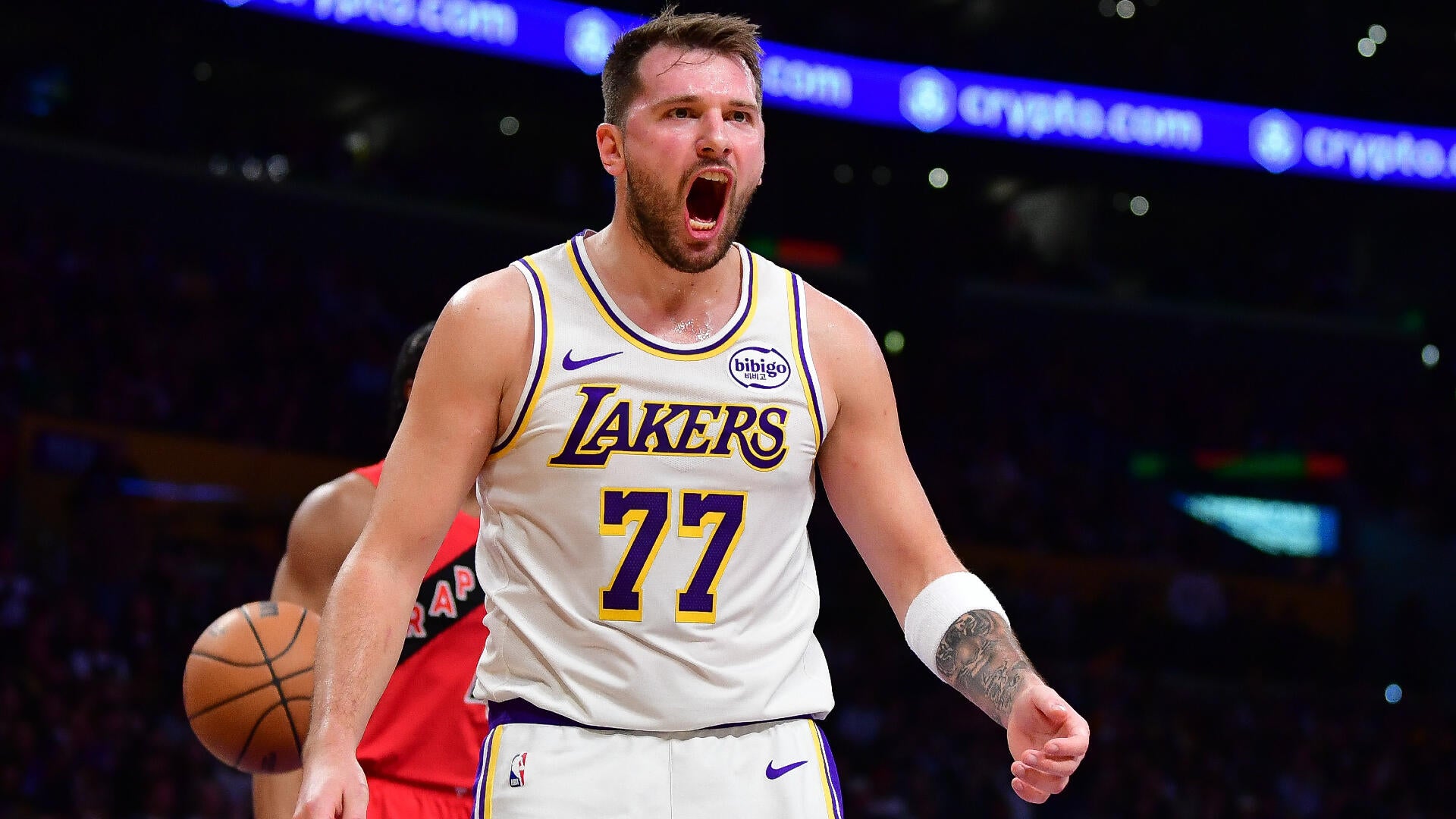
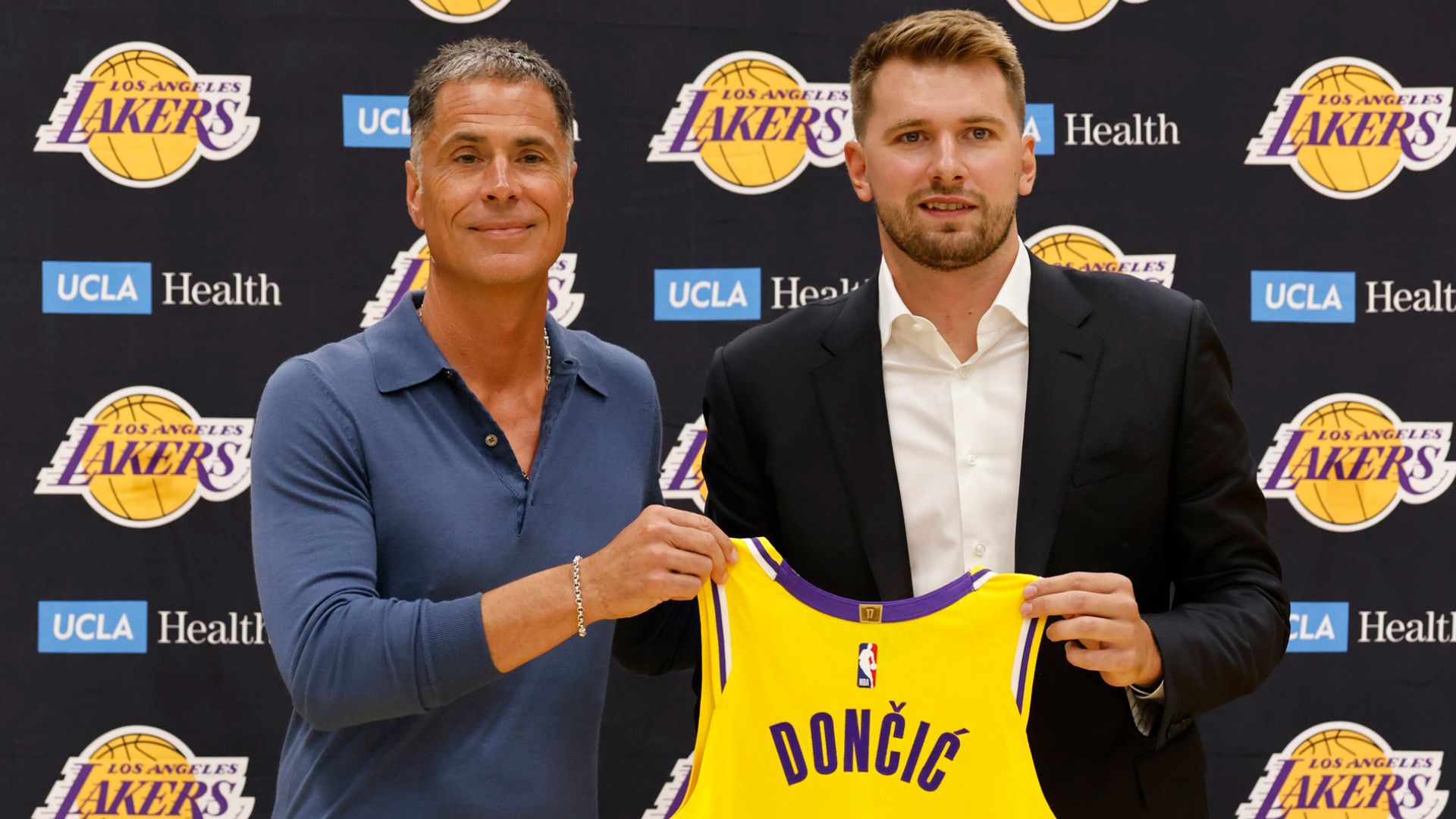
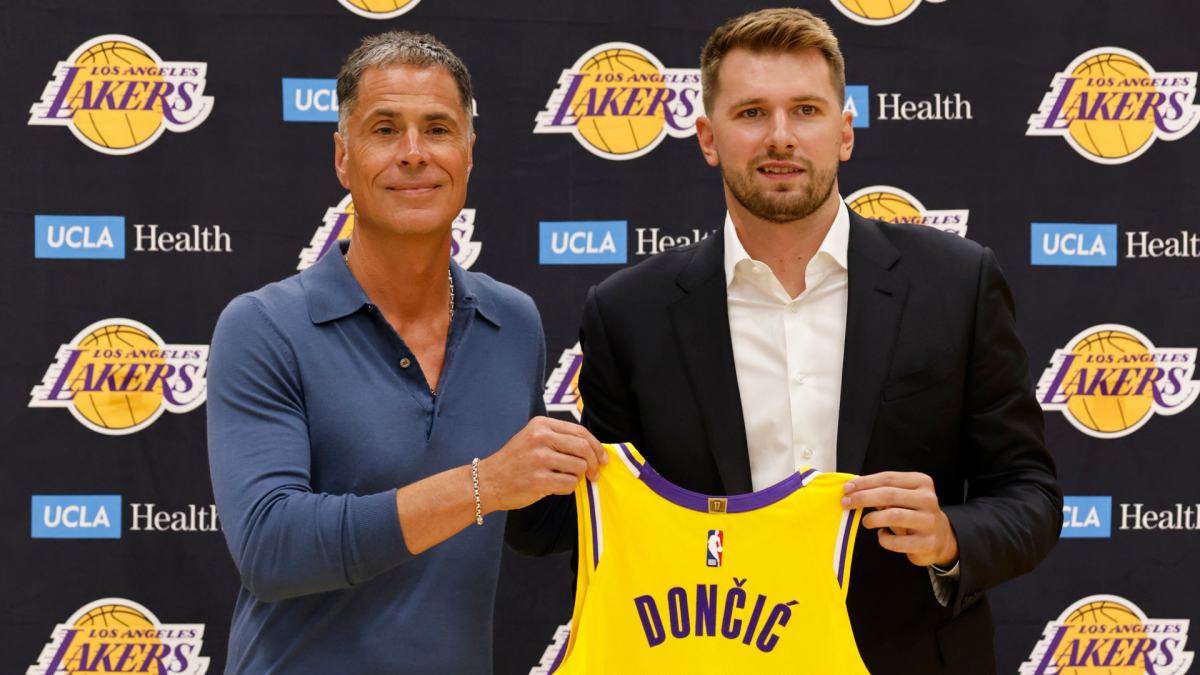
However, the narrative shifted dramatically when a generational talent, Luka Dončić, hypothetically became available, seemingly "presented to them on a silver platter." The Lakers, in this speculative timeline, finally dealt another first-round pick to secure his services, a move that should have fundamentally altered their trajectory. Days later, they made another aggressive play for Mark Williams, a promising young center, only to rescind the deal over undisclosed medical concerns. Williams, in this alternate reality, has since blossomed into a standout performer for the Phoenix Suns, his success serving as a bitter reminder of a missed opportunity. Following a first-round playoff exit at the hands of the Minnesota Timberwolves, Pelinka likened the challenge of rebuilding around Dončić mid-season to "trying to build an airplane in the sky"—a rather puzzling analogy given the apparent ease of Dončić’s acquisition. The subsequent 2025 offseason, despite being touted as a launching point, saw the Lakers acquire no players who could definitively be considered long-term starters alongside Dončić. Their most significant move at the 2026 deadline was a minor transaction, trading a second-round pick for veteran shooter Luke Kennard. Pelinka, once again, defended the team’s approach, arguing that selectivity was a form of aggression. "I would say we were aggressive. And one form of being aggressive is saying no to moves that come your way that might not be best for the short- and long-term future," he contended, further fueling skepticism among a fan base yearning for tangible progress.
While patience can indeed be a prudent course of action in theory, its practical application by the Lakers has yielded frustrating results. The prospect of yet another preventable first-round exit is a tough pill for fans to swallow. Since the Westbrook trade, there has been a palpable sense that the Lakers have consistently failed to maximize their star cores, whether it was the initial James-Davis iteration or the burgeoning Dončić-Austin Reaves partnership that now defines the team. In a league celebrated for its creative, unexpected blockbusters and shrewd front-office maneuvers, the Lakers have too often offered a litany of excuses: other teams demand too much, the aprons are too restrictive, or the coach is the problem. The latter excuse rings particularly hollow, given Pelinka’s track record of hiring four different head coaches during his tenure, each failing to unlock consistent, championship-level success with the available talent.
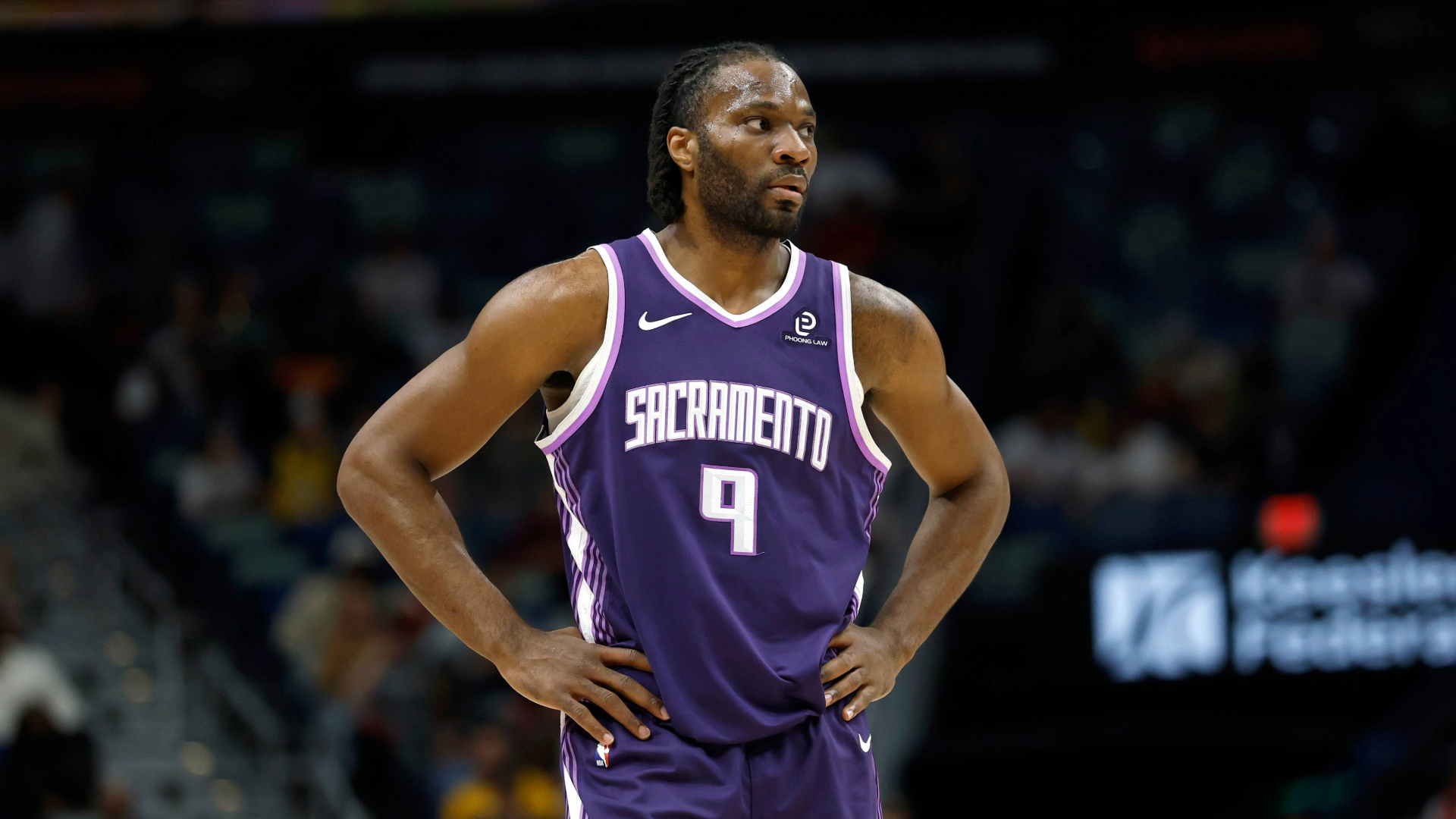
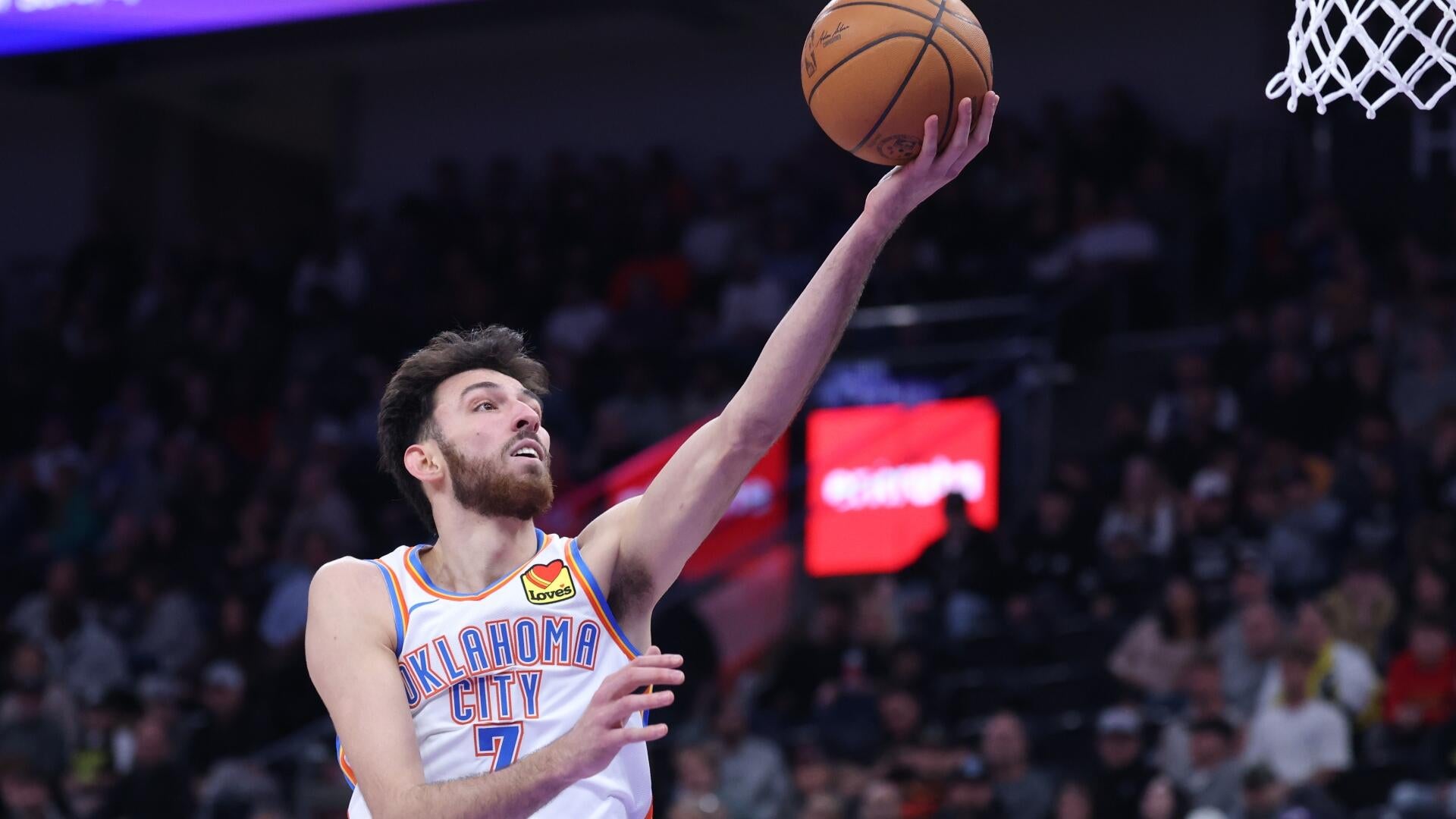
These excuses lose even more credibility when juxtaposed with the Lakers’ persistent missteps on the margins. The strategic prudence of retaining draft picks seems questionable when those same picks are allegedly squandered on prospects like Jalen Hood-Schifino and Dalton Knecht, who, in this hypothetical timeline, have failed to make significant impacts. The argument about "Apron World" constraints falls flat when considering the team’s decision to let fan-favorite Alex Caruso depart for less than the full mid-level exception – a move that predates the existence of the more punitive second apron rules. The team’s strategy of acquiring a "never-ending pipeline of disappointing former lottery picks" from other franchises has led to far more misses than hits, further depleting valuable resources. Concurrently, successful finds on the margins, such as Scotty Pippen Jr., Jay Huff, and Jordan Goodwin, have repeatedly slipped through their fingers, often flourishing elsewhere after being deemed surplus to requirements in Los Angeles.
A front office’s credibility is built on a foundation of trust, earned through consistent success and astute decision-making. For Laker fans, that trust in the Pelinka-led regime, which has steered the franchise for nearly a decade, has largely eroded. Consequently, when reports emerged of Dodgers owner Mark Walter acquiring the team and signaling potential front office restructuring, a significant portion of the fan base eagerly anticipated the arrival of a new lead basketball executive, hoping for a fresh perspective and a renewed commitment to championship contention.
However, those hopes for an immediate overhaul at the very top were tempered by new Chief Business Executive Lon Rosen, who recently confirmed to reporters that such a change is not imminent. Pelinka will, for now, retain his role as head of basketball operations. His leadership will reportedly be bolstered by input from top Dodgers executives Andrew Friedman, widely respected for his baseball front office acumen, and Farhan Zaidi, suggesting a more collaborative, data-driven approach. Furthermore, the Lakers are purportedly building a more robust front office and support staff underneath Pelinka. This development follows the earlier firing of most of their scouting staff, a move that exposed the widely known fact that the Buss family’s ownership era often operated with a remarkably lean front office. The current strategy, therefore, appears to be focused on strengthening the team’s foundational infrastructure rather than instigating a seismic shift at the helm.
Whether this decision to retain Pelinka proves to be the correct one will unfold over time, but one truth is unequivocally clear: the era of excuses must now be definitively over. Pelinka enters the crucial 2026 offseason armed with virtually every conceivable advantage an executive could desire. His roster, beyond the established star duo of Dončić and Reaves, is essentially a blank slate, offering unparalleled flexibility. While a few scattered contracts remain – such as the regrettable extension given to Jarred Vanderbilt or the player option afforded to the hypothetically acquired Deandre Ayton – the Lakers are projected to have approximately $47 million in cap space, should they choose to utilize it. The previous complaint of "can’t force other teams to trade with you" is now obsolete, as the team possesses three tradable first-round picks, providing significant assets for future deals. With a newly rebuilt scouting staff, the costly draft misses of the past can no longer be tolerated. Furthermore, the constraints of the "aprons," which Pelinka previously cited as a challenge, are expected to be far less of an impediment under the Dodgers’ ownership; if their spending habits in baseball are any indication, the luxury tax will no longer be a prohibitive concern. Letting valuable players like Caruso walk for negligible returns should become a relic of the past. Dončić will be entering his third season as a Laker, a pivotal moment where the hypothetical "airplane" is now safely on the ground, fueled and ready for takeoff.
Even some of the more nebulous concerns that have plagued the franchise are beginning to dissipate. The Lakers were, at one point, so intimately aligned with Klutch Sports that its CEO, Rich Paul, infamously referred to the team as "us." LeBron James and Anthony Davis, the two stars reportedly instrumental in pushing for the ill-fated Westbrook trade, were prominent Paul clients. However, in this evolving narrative, Davis has moved on, and James is poised to enter free agency this offseason, with a strong possibility of his departure. If James leaves, it’s difficult to envision the team retaining his son, Bronny, who has yet to demonstrate significant impact in two seasons. The only remaining Klutch clients on the roster would then be Vanderbilt and Adou Thiero, both reserves. Crucially, Dončić has reportedly exhibited far greater patience and a more collaborative spirit with the Lakers than James typically has, even actively recruiting a player like Marcus Smart in free agency. This suggests a significant reduction in concerns regarding agent or player overreach, allowing the front office, at least for the foreseeable future, to operate with greater autonomy.
Not every organization would have extended the same level of forgiveness to Pelinka for his performance over the past several years. General managers have been dismissed for far less than the fallout from the Westbrook debacle. Plenty of owners would have grown weary of the recurring excuses. Yet, Pelinka has managed to navigate the turbulent end of the James-Davis era and now finds himself at the precipice of a new one, equipped with almost every advantage an executive could possibly desire. The Lakers possess an MVP-caliber talent in Dončić, a proven secondary star in Reaves, a wealth of draft picks, significant cap space, and the inherent allure of the Los Angeles market for recruitment. Critically, they also boast ownership with a championship-winning track record in another major sport and a demonstrated willingness to spend, coupled with a franchise player who appears eager to collaborate.
The time for equivocation is over. This is Pelinka’s put-up-or-shut-up moment. No more excuses. No more kicking the can down the road. He remains in his position, and if he is to truly prove he deserves it, he must capitalize on this unparalleled opportunity to propel the Los Angeles Lakers back into genuine championship contention as swiftly as possible.