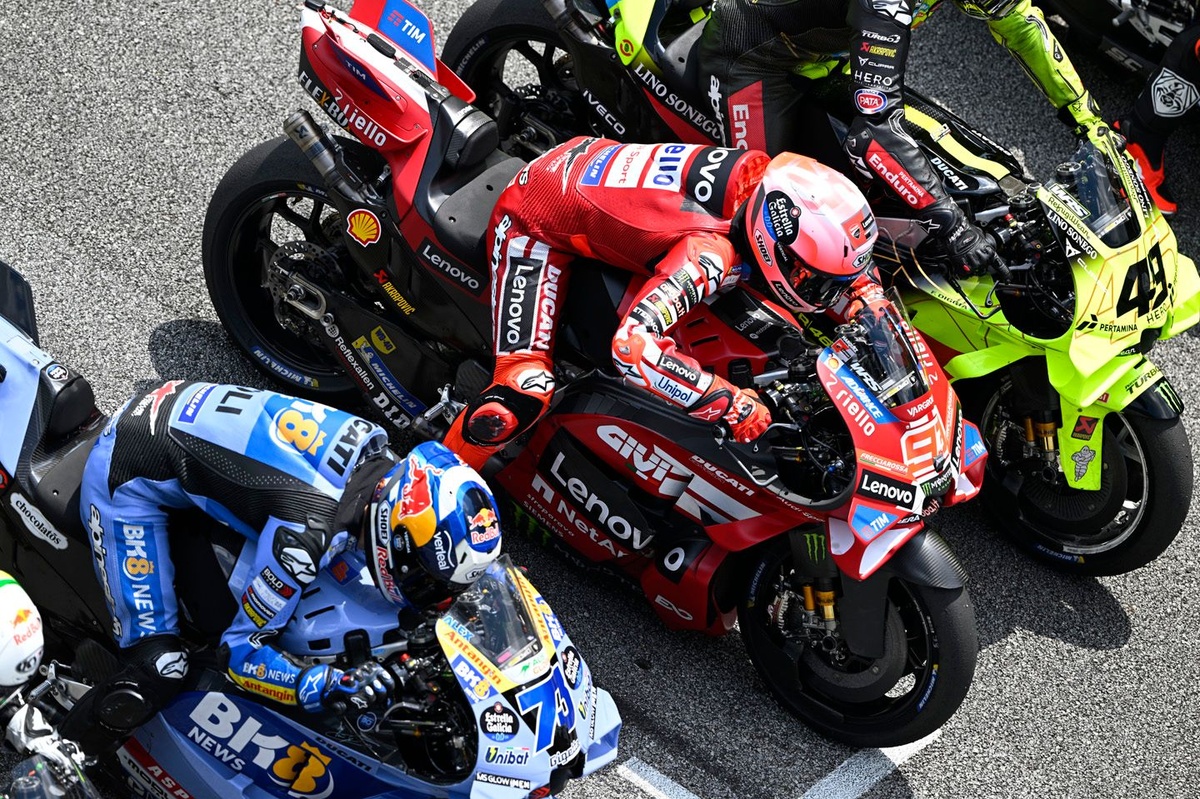
The high-octane world of MotoGP is poised for its final, pivotal pre-season shakedown as the grid converges on the Chang International Circuit in Buriram, Thailand, for a two-day collective test on February 21-22, 2026, sportsamo.com reports. This critical session marks the last opportunity for teams, riders, and manufacturers to fine-tune their machines and strategies before the championship flag drops for the season opener, also scheduled in Thailand on March 1. The stage is set for a dramatic prelude to what promises to be another thrilling season of premier-class motorcycle racing, with every second on track under the Thai sun carrying immense weight for championship aspirations.
This Buriram test is more than just another round of laps; it’s the culmination of months of intense development and a high-stakes final examination for the 2026 prototypes. Following a rigorous six-day testing program at the Sepang International Circuit in Malaysia earlier this month, teams have already gathered a mountain of data. Sepang offered a multi-faceted approach to testing, beginning with the three-day Shakedown. This initial phase was a crucial proving ground, primarily dedicated to rookies, test riders, and manufacturers operating under Group D concessions. It allowed for essential initial mileage, breaking in new components, and providing valuable feedback loops for early development without the intense pressure of the full grid. For new riders like Fermin Aldeguer, had he been present, it would have been an invaluable immersion into the demands of a MotoGP machine.
The main Sepang pre-season test, which followed the Shakedown, saw the entire field unleashed, offering the first true glimpse of the competitive landscape. Manufacturers like Ducati reportedly sent a clear warning to their rivals with ominous pace and consistency, showcasing advancements that suggested their continued dominance. The focus there was on understanding the fundamental characteristics of the 2026 machines, validating aerodynamic packages, and evaluating initial engine and chassis configurations. Now, in Buriram, the scope narrows to precision and perfection. Teams will be making final, minute adjustments to their bikes, optimizing electronics, suspension setups, and engine mapping. Crucially, this is the last chance to homologate their aerodynamic packages for the entire season – a decision that will irrevocably impact their performance for the next nine months.
The technical implications of this final test cannot be overstated. With aero homologation on the line, every team will be meticulously reviewing CFD data, wind tunnel results, and real-world track performance to select the most efficient and effective fairings. These aerodynamic choices are paramount in modern MotoGP, influencing everything from top speed and acceleration to cornering stability and tire degradation. A poorly chosen aero package can lead to a season of chasing performance, while a well-optimized one can provide a crucial competitive edge. Beyond aerodynamics, engineers will be working tirelessly to refine power delivery, traction control settings, and brake balance, aiming to tailor each bike precisely to its rider’s style and the unique demands of the Buriram circuit. The tropical heat and humidity of Thailand also present a formidable challenge, pushing both machinery and rider physiology to their limits, requiring careful management of engine temperatures, tire wear, and rider endurance.
The schedule for the Buriram test is designed to maximize track time, ensuring teams can gather as much data as possible. Action kicks off at 10:00 AM local time, with a three-hour morning session running until 1:00 PM. Following a brief 20-minute lunch break, the afternoon session resumes at 1:20 PM and continues until 6:00 PM, providing a substantial four hours and forty minutes of additional running. For fans around the globe, tracking the progress live will require dedication due to the time zone differences. Thailand is seven hours ahead of the UK and Portugal, and six hours ahead of much of mainland Europe, meaning early starts or late nights for many. For instance, European fans will be following the action in the early morning, while those on the East Coast of the U.S. will need to tune in the night before. This global accessibility, despite the time challenges, underscores the worldwide appeal of MotoGP.
| Local | GMT | CET | ET | PT | JST | |
|---|---|---|---|---|---|---|
| Start | 10:00 | 03:00 | 04:00 | 22:00 (prev day) | 19:00 (prev day) | 12:00 |
| Finish | 18:00 | 11:00 | 12:00 | 06:00 | 03:00 | 20:00 |
The rider lineup for the 2026 MotoGP Thailand Test features the full premier-class grid, alongside key test riders from the five participating manufacturers. All eyes will undoubtedly be on the highly anticipated return of 2024 MotoGP Champion, Jorge Martin. After a challenging 2025 campaign marred by multiple injuries and subsequent surgeries over the winter, Martin was forced to sit out the Sepang tests. His presence in Buriram marks his first opportunity to swing a leg over the Aprilia RS-GP, a crucial moment for both the rider and his new team. His ability to quickly adapt to the Aprilia and provide valuable feedback will be paramount, as the team looks to integrate their reigning champion and validate their development direction. This test is not just about lap times for Martin; it’s about regaining confidence, assessing his physical condition, and laying the groundwork for a championship defense.
Conversely, Gresini sophomore Fermin Aldeguer will continue his absence from the track. The talented 20-year-old sustained an injury during training in early January, sidelining him not only for this crucial test but also for the season’s opening race. His anticipated return isn’t until the end of March, potentially in Brazil or Austin. In his stead, veteran Ducati test rider Michele Pirro will step in for Gresini, piloting last year’s GP25 machine. Pirro’s extensive experience as a development rider will be invaluable, providing Gresini with essential data even on an older specification bike, and offering a steady hand in Aldeguer’s absence. This situation highlights the depth of talent required in MotoGP and the contingency plans teams must have in place. The broader narrative also includes Aprilia’s ambitious efforts to potentially lure Francesco Bagnaia for their 2027 project, a testament to their growing confidence and desire to challenge Ducati’s recent dominance, further fueled by Ducati’s decision to continue racing its "unbeatable 2024 engine" until the end of the 1000cc era, signaling a strong belief in their established platform.
For the ardent MotoGP fan, following the 2026 Thailand Test live presents a unique challenge. Unlike official race weekends, these pre-season sessions are not broadcast live on television, with the post-season Valencia test being the sole exception to receive full TV coverage. The primary method for real-time tracking is through the championship’s official live timing service, accessible via a ‘Timing Pass’ which costs €17.99 for the entire season. This pass offers dedicated fans a granular view of every rider’s progress, lap times, and sector splits, painting a dynamic picture of the on-track action. While live video is absent, the MotoGP VideoPass does offer a daily 90-minute summary program called ‘After the Flag,’ with the final half-hour of each testing day broadcast live, providing initial impressions and expert analysis. Furthermore, leading sports journalism outlets will provide continuous live updates, news, and comprehensive reports from the circuit, ensuring fans remain fully informed throughout these critical days.
The Chang International Circuit, a modern facility known for its long straights and technical sections, has rapidly become a significant venue on the MotoGP calendar. Its inclusion as both a pre-season test site and the season opener underscores Thailand’s growing importance in the global motorsport landscape. The circuit’s characteristics, combined with the demanding climate, make it an ideal testing ground for evaluating a bike’s overall performance and reliability under race-like conditions. Historically, the Thai Grand Prix has delivered thrilling races, characterized by intense battles and passionate fan support, creating a vibrant atmosphere that will undoubtedly extend to the pre-season activities.
As the sun sets on the final day of testing in Buriram, teams will pack away their equipment, armed with an immense amount of data and a refined understanding of their machines. The decisions made during these two days – from aerodynamic choices to engine mapping and rider feedback – will echo throughout the entire 2026 MotoGP season. This test isn’t just a rehearsal; it’s the ultimate proving ground, setting the tone and laying the foundation for what promises to be an exhilarating championship fight. The countdown to lights out on March 1st officially begins here, in the heart of Thailand.