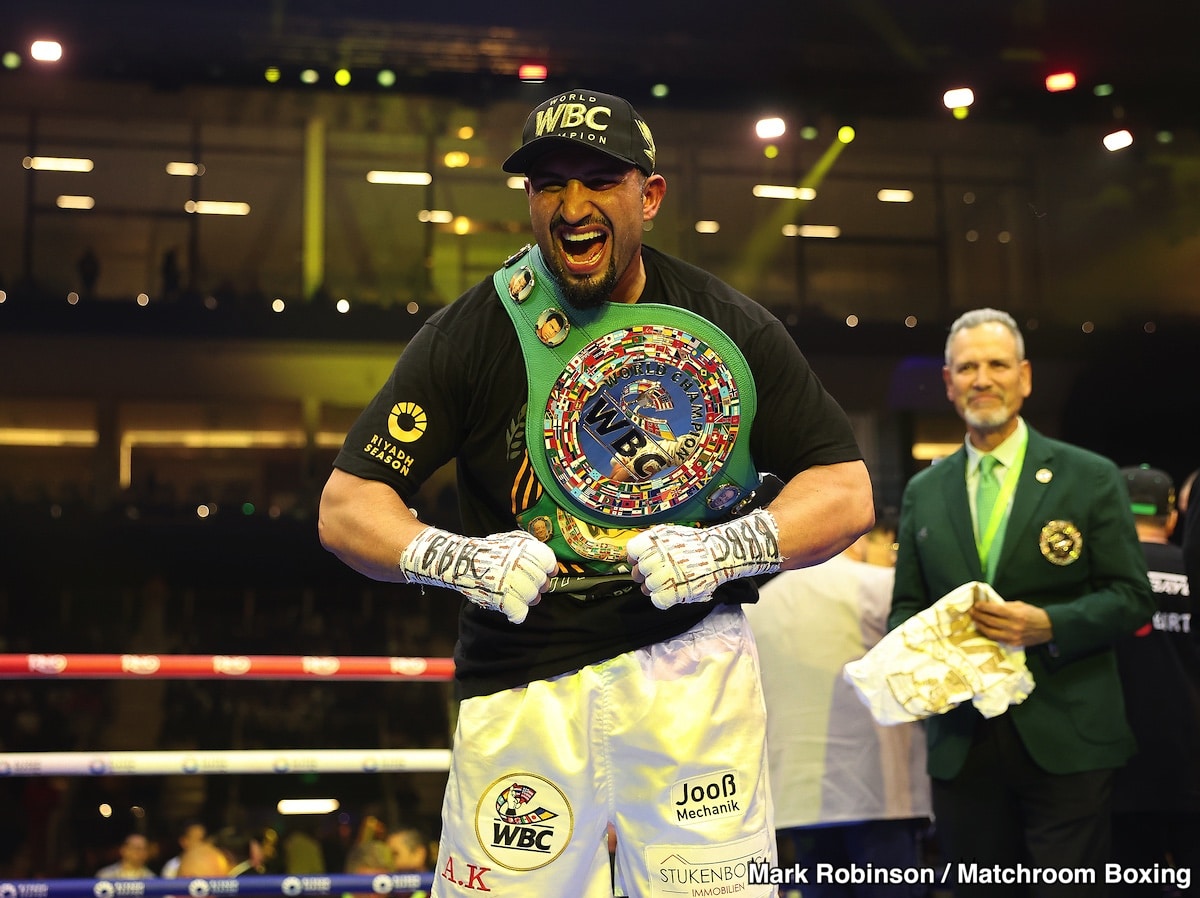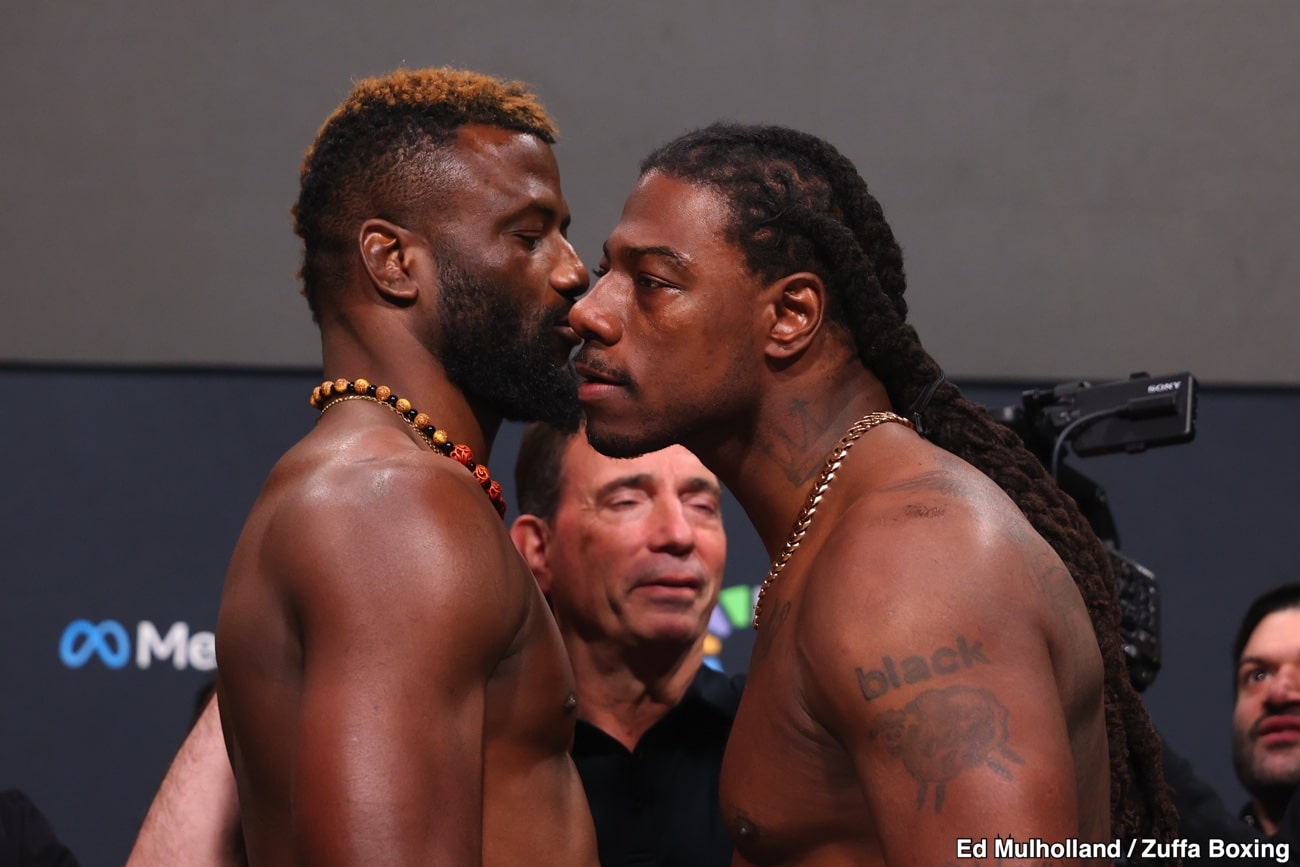

Sportsamo.com – The landscape of professional boxing is undergoing a seismic shift, driven by the immense financial power and strategic ambitions of Saudi Arabia. While this influx of capital presents unparalleled opportunities for fighters, promoters, and the sport itself, it also ushers in an era of inherent unpredictability, as articulated by prominent promoter Eddie Hearn. The era of long-term contractual security and unwavering promoter loyalty appears to be fading, replaced by a fluid, deal-driven ecosystem where financial muscle dictates the narrative.
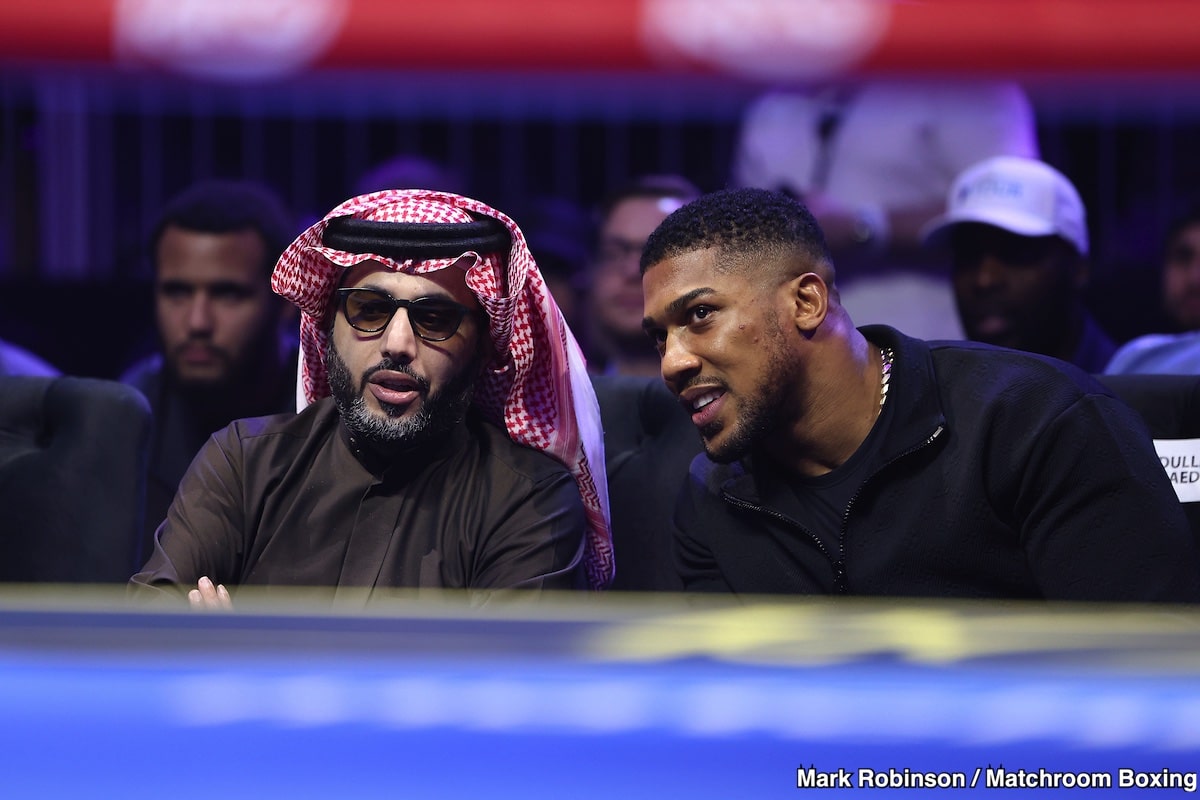
Hearn, a key figure in the global boxing scene through his company Matchroom Sport, has been at the forefront of navigating these new waters. His recent commentary highlights a pragmatic understanding of the Saudi boxing ventures, particularly those spearheaded by influential figure Turki Alalshikh. This partnership, while lucrative, operates on a foundation of transactional relationships rather than emotional investment or contractual guarantees.
"With Turki, no problem," Hearn stated, painting a picture of a business environment where relationships are fluid and subject to rapid change. "You know where you stand because you could get [messed over] tomorrow and you could get a great opportunity the day after, but you don’t have any emotion because you know what you’re dealing with." This candid assessment underscores a crucial evolution in boxing: the sport has become an unvarnished business, where loyalty is secondary to the next big payday.
The Saudi influence has undeniably accelerated the pace of major boxing events. Fights that once languished in protracted negotiations due to financial disagreements are now being finalized with astonishing speed. This rapid deal-making, fueled by Saudi investment, has significantly empowered fighters, granting them the leverage to pivot between promotional banners if a more lucrative offer emerges. Promoters, historically accustomed to controlling a fighter’s career trajectory, now find their influence diminished by the potential for a rival entity to swoop in with a superior financial package.
The sheer scale of the financial commitments from Saudi Arabia is also forcing a re-evaluation of fighter compensation across the broader combat sports spectrum. Hearn pointedly contrasted the financial realities in boxing with those in other disciplines, particularly mixed martial arts. "If you’re a UFC fighter you’re looking at this going, ‘What the [expletive], I’m being absolutely ripped off here,’" he remarked. "I’m generating more revenue than these guys and I’m getting a tenth of the money." This sentiment suggests that the astronomical sums being offered in boxing, even with the inherent uncertainties, are significantly outstripping the earning potential for comparable athletes in other combat sports, potentially triggering a talent migration.

This shift in power dynamics is not an anomaly but rather a fundamental recalibration of the boxing industry. Historically, boxing has always been a sport where money talks, but the current level of Saudi investment has amplified this truth to an unprecedented degree. The kingdom’s foray into boxing has not only facilitated the staging of some of the sport’s most anticipated events, such as the high-profile clashes involving Tyson Fury and Oleksandr Usyk, but it has also created a competitive bidding environment that has reshaped promotional strategies.
The impact extends beyond mere event promotion. The ability for fighters to secure massive purses, often exceeding their previous career earnings in a single bout, has altered career planning and risk assessment. Fighters are now more willing to embrace the volatility of short-term, high-value deals, prioritizing immediate financial gain over the long-term stability that traditional promotional contracts once offered. This strategic recalibration by fighters, enabled by Saudi backing, has created a dynamic where careers can be dramatically reshaped almost overnight.
The implications of this Saudi-driven paradigm are far-reaching. For promoters like Hearn, it necessitates a constant adaptation to a rapidly evolving marketplace. The traditional model of building a stable of fighters and nurturing their careers over years is being challenged by the reality of "free agency" on a grand scale, where a fighter’s allegiance can be bought with the right offer. This demands a more agile and opportunistic approach, focusing on securing the best available talent for specific, high-impact events rather than long-term contractual commitments.
Furthermore, the transparency regarding fighter purses in the Saudi deals has inadvertently highlighted disparities within the sport and potentially across different combat sports. Fighters and their representatives are now more informed about the financial value they bring and the potential returns available, leading to increased negotiation leverage. This greater financial transparency, while potentially unsettling for some established structures, is ultimately a positive development for the athletes themselves, ensuring they receive a more equitable share of the revenue they generate.
Hearn’s perspective is not one of complaint but of astute observation. He understands that the current trajectory of boxing is intrinsically linked to the financial capacity and strategic objectives of entities like Saudi Arabia. While this brings immense opportunity for growth, spectacle, and unprecedented fighter earnings, it also demands a clear-eyed acceptance of the inherent lack of guarantees. The days of promoters acting as benevolent career architects are likely over; the future of boxing, at least in its current high-stakes iteration, is one where every deal is a calculated risk, and the biggest winners are those who can adapt most effectively to the ever-shifting sands of the global boxing economy. The sport has always been a business, but Saudi Arabia has simply turned up the volume, making the financial realities impossible to ignore.